When Is It Safe To Travel To Scotland? Month-by-Month Travel Guide
Plan your Scotland trip confidently! See the best months to visit with low crowds, safe weather, and seasonal events in this month-by-month travel guide.
Author:Callum FraserJan 22, 202625.1K Shares897.1K Views
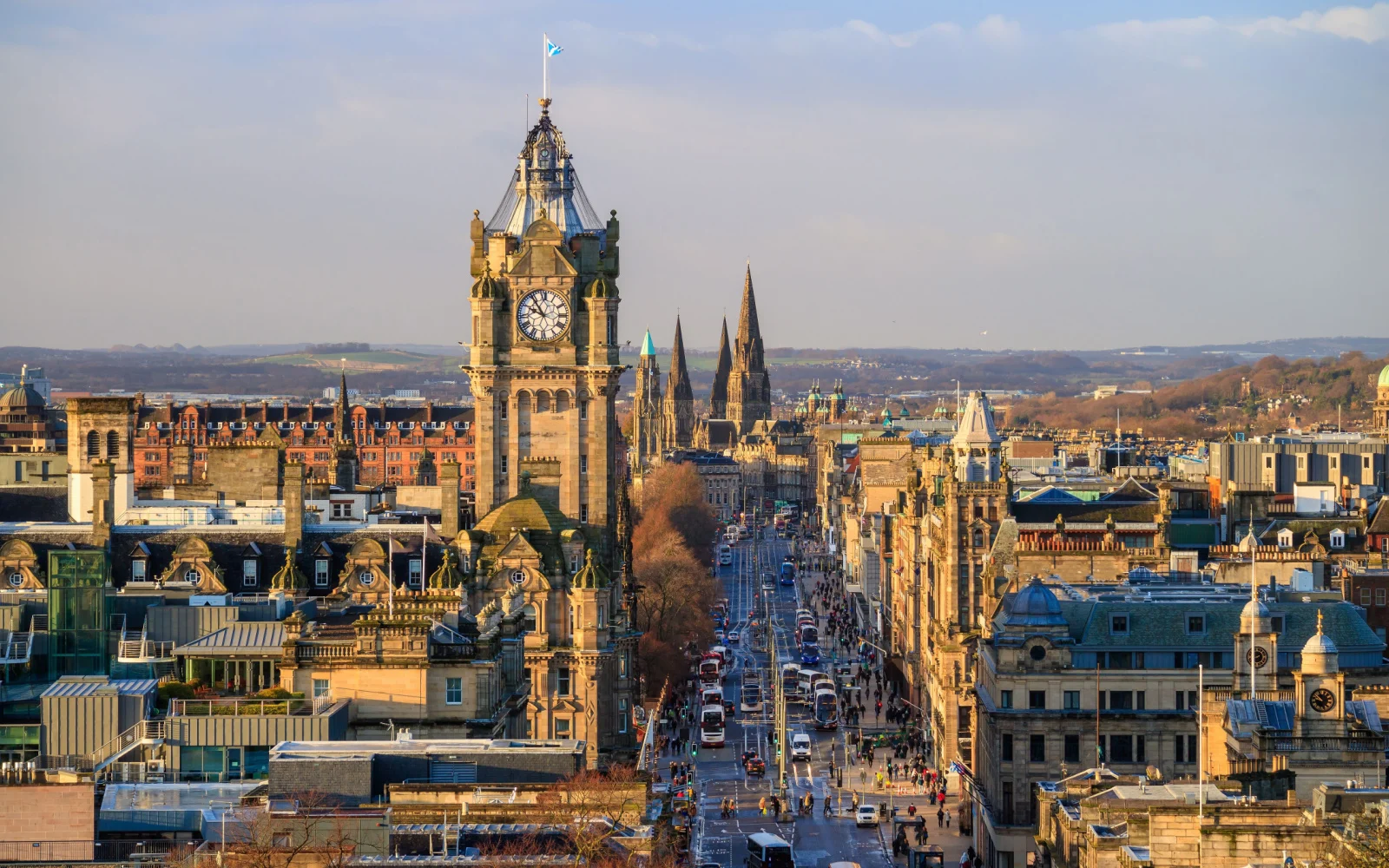
When To Travel To Scotland Safely And Comfortably
Scotland is one of Europe’s safest countries to visit, but travelers often wonder when is it safe to travelin terms of weather, daylight, and seasonal conditions. While crime is low and tourist areas are generally secure, factors like winter snow, summer midges, or short daylight hours can affect your experience.
Understanding Scotland’s month-to-month changes helps visitors plan trips that match their priorities. Summer offers long days and festivals, spring and autumn bring mild weather and fewer crowds, and winter provides quiet landscapes and festive celebrations. This guide breaks down each month so you can choose the best time to visit Scotlandfor both safety and enjoyment.
Understanding Scotland's Overall Safety Profile
Scotland maintains a crime rate of 56.1 per 1,000 people as of 2023-2024, significantly lower than many European destinations. The violent crime rate has declined by 50% since 2002, reflecting sustained improvements in public safety. Major cities like Edinburgh and Glasgow, despite being urban centers, remain considerably safer than comparable European cities.
The country's healthcare system operates at high standards. No major disease outbreaks affect travelers, and tap water quality meets strict safety requirements throughout Scotland. Routine vaccines like tetanus, measles, and flu shots are usually all that's needed for most travelers.
Police presence strengthens Scotland's safety credentials. With 17,259 officers serving a population of approximately 5 million, the police-to-population ratio exceeds England, Wales, and countries like Norway and Denmark. This visible police presence particularly benefits tourist areas during peak seasons.
January: Winter Wonderland With Festive Spirit
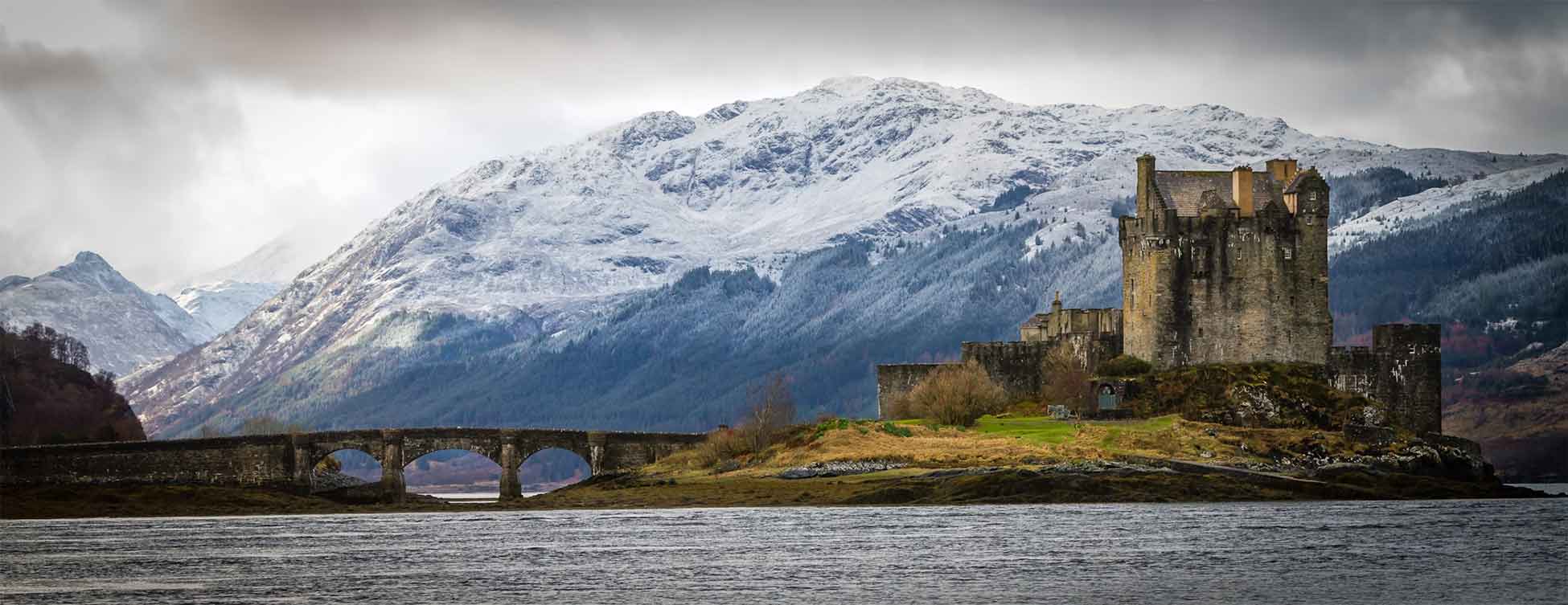
January is the coldest month in Scotland, with temperatures usually between 1°C and 7°C. The weather in Scotland in January is often cloudy, with rain and snow, especially in the Highlands. Coastal cities like Edinburgh can feel colder due to strong winds.
Daylight is very limited, with sunrise around 8:45 AM and sunset before 4:00 PM. While sightseeing time is shorter, winter light creates dramatic scenery for photography. Snow is common in the mountains, while cities see more frost than heavy snowfall.
Why Visit Scotland In January
January is part of the low season in Scotland, meaning very few tourists. Major attractions such as Edinburgh Castle are quiet and easy to explore. Flights and accommodation are much cheaper than in summer.
Cultural events add warmth to winter travel. Burns Night(January 25) celebrates Scotland’s national poetwith traditional food, poetry, and music. Celtic Connections in Glasgow, one of Scotland’s largest winter festivals, runs throughout January and showcases folk and world music.
Fire festivals like Up Helly Aa in Shetland and the Burning of the Clavie in Moray highlight Scotland’s deep-rooted traditions.
Best For
- Budget travelers
- Winter photography
- Cultural festivals
- Snow sports in the Highlands
February: Cold Beauty And Outdoor Adventures
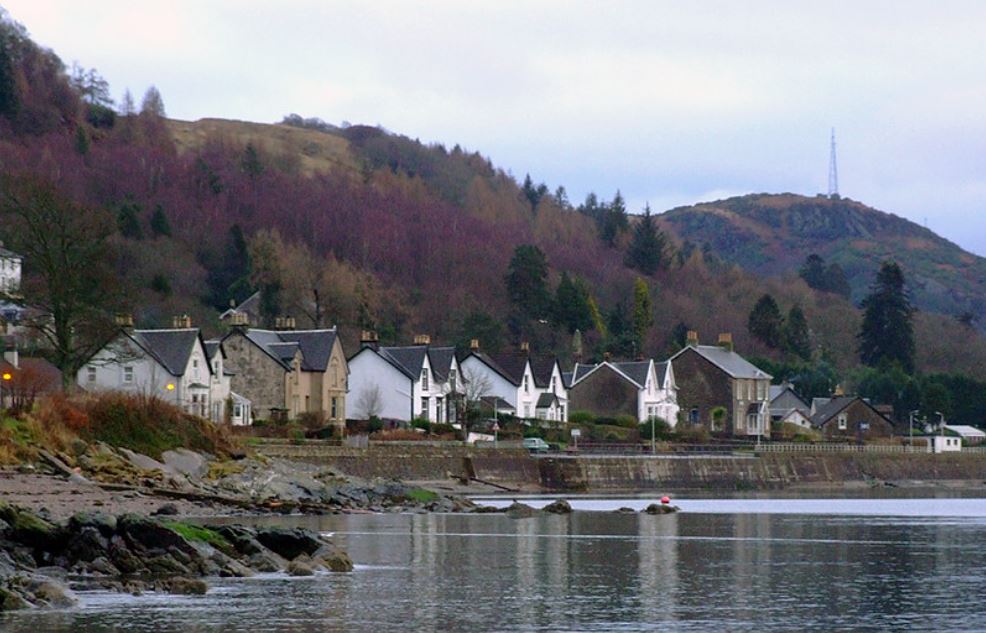
February remains cold, with temperatures between 1°C and 6°C. The weather in Scotland in February includes a mix of crisp clear days, rain, and snowfall in higher areas. Daylight increases steadily, reaching over 10 hours by the end of the month.
Mountain regions continue to offer good snow conditions, making February ideal for winter activities.
Why February Is A Good Time To Visit
February is excellent for winter sports in Scotland, with ski centers operating at peak conditions and lower prices than European resorts. Tourist numbers stay very low, keeping cities calm and affordable.
Seasonal events continue, including winter fire festivals and the Fort William Mountain Festival, which celebrates climbing, hiking, and outdoor culture. Early signs of spring appear as snowdrops bloom across gardens and woodlands.
Things to Keep in Mind
- Cold, wet weather is common
- Short daylight still limits outdoor plans
- Some ferry routes and attractions run reduced schedules
March: Spring's Arrival And Transition
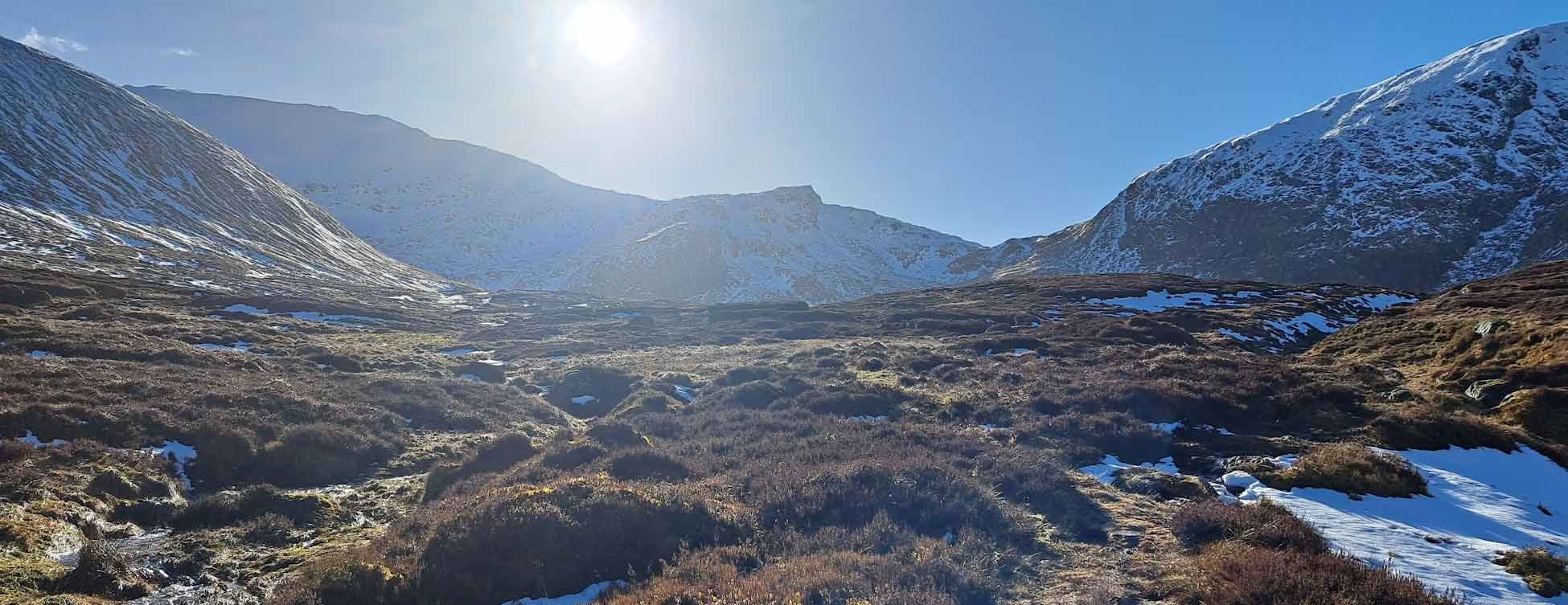
March marks the shift from winter to spring. Temperatures range from 1°C to 9°C, gradually warming toward the end of the month. The weather in Scotland in March is mixed, with brighter days balanced by rain and occasional snow in the Highlands.
Daylight increases rapidly, especially after daylight saving time, giving much more flexibility for travel and sightseeing.
Why March Is Worth Considering
March sits at the edge of the shoulder season, offering lower prices with improving conditions. Attractions are less crowded, and roads are quiet, making it a good time for road trips and city exploration.
Cultural events include the Glasgow International Comedy Festival and the Edinburgh Science Festival, adding indoor entertainment options. Regional differences matter: the west coast is often milder and greener, while the east is drier and cooler.
Possible Downsides
- Weather remains unpredictable
- Some attractions reopen fully in April
- Easter holidays can briefly raise prices and crowds
Best For
- Travelers seeking value and fewer crowds
- Festival lovers
- Flexible itineraries
- Early spring scenery
April: Spring Blooms And Pleasant Conditions
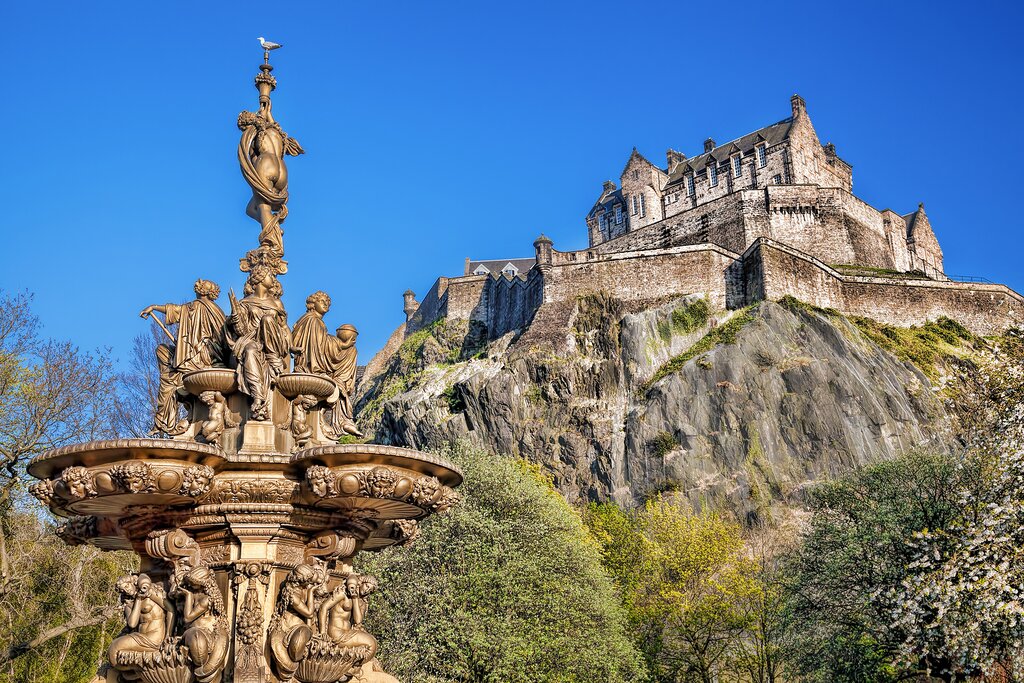
April is ideal for travelers wondering when is it safe to travel with mild weather and minimal tourist crowds, as it brings true spring to Scotland. Temperatures usually range from 4°C to 12°C, with daytime averages around 11°C. It is one of the driest months in Scotland, making travel more reliable than earlier in the year.
Early April can still feel chilly, especially in the Highlands, but conditions improve quickly. Daylight increases noticeably after the clock change, giving more time for sightseeing. Snow disappears from low areas, though mountain peaks often remain white.
Why April Is A Great Time To Visit
April sits just before the main tourist season, so attractions feel calm and uncrowded. Accommodation is easier to book, and prices stay reasonable.
Spring flowers begin to bloom across the country. Bluebells, gorse, and wildflowers brighten woodlands and coastal areas. Lambs appear in fields, adding to the classic Scottish countryside feel.
Cultural events include the Edinburgh International Science Festival and the Beltane Fire Festival, which celebrates ancient Celtic traditions.
Things to Keep in Mind
- Occasional April showers
- Some island services and attractions open fully in May
- Still cool in the evenings
Best for:Spring scenery, photography, hiking, quiet sightseeing
May: One Of The Best Months To Visit Scotland
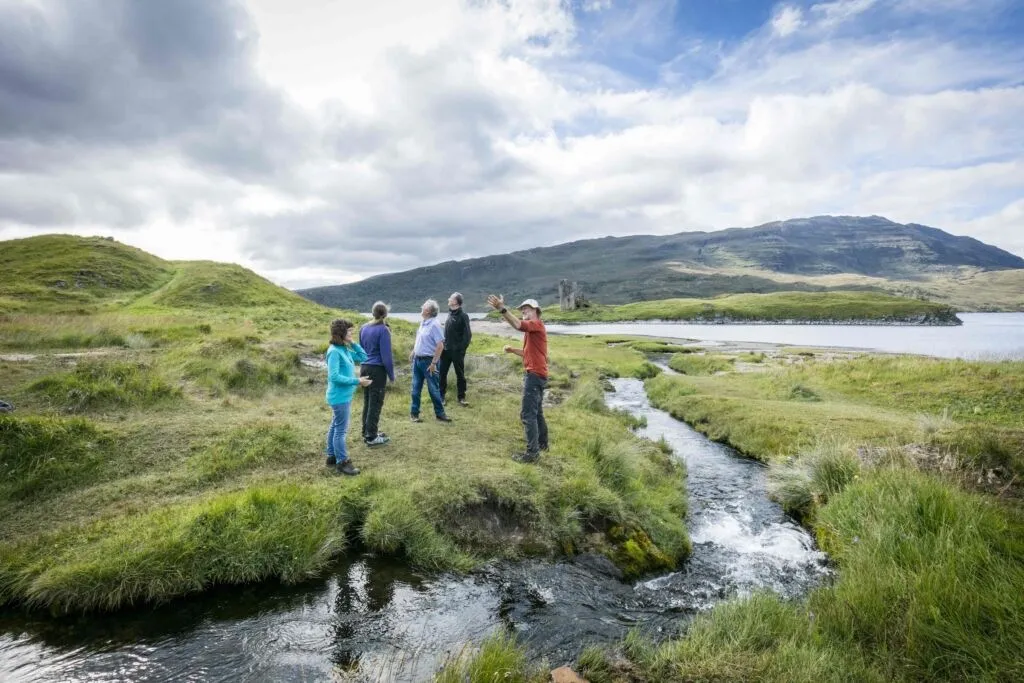
May offers some of the best weather in Scotland. Temperatures range from 7°C to 16°C, with mild days and low rainfall. Sunshine becomes more common, and daylight stretches up to 16 hours. Conditions feel comfortable for both city travel and outdoor activities.
Late May often feels surprisingly summery, making it an ideal time to consider when to visit Scotland safely and to enjoy diverse Scotland travel experiences, from exploring vibrant cities to wandering scenic highlands.
Why May Stands Out
Nature is at its most vibrant. Flowers bloom across the countryside, islands look greener, and wildlife becomes more active. Beaches, especially on the west coast, look stunning even if swimming remains chilly.
Early to mid-May avoids peak crowds while offering excellent weather. Highland Gamesbegin, wildlife cruises start around the islands, and World Whisky Day brings special events at distilleries.
Small Drawbacks
- Midges may appear late in the month near water
- Prices begin rising toward summer
- Scottish school holidays increase local travel
Best for:First-time visitors, outdoor lovers, wildlife watching, scenic road trips
June: Long Days And Early Summer Energy
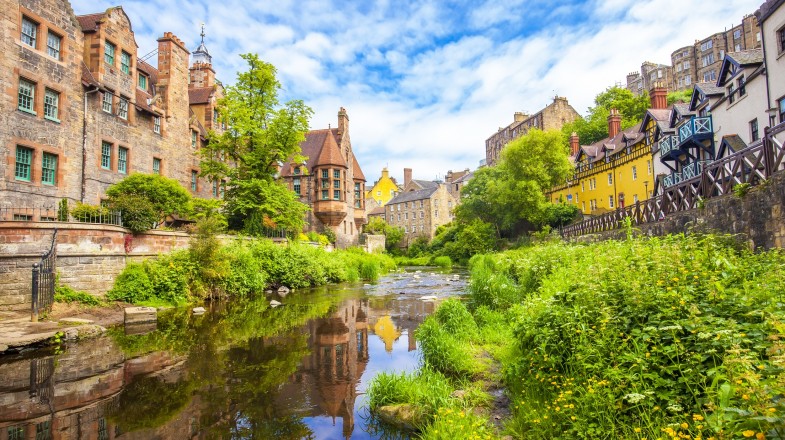
June marks the start of summer in Scotland. Temperatures range from 10°C to 17°C, and days are noticeably sunnier. Daylight reaches 17-18 hours, especially in northern areas.
Rain is possible, but June is generally drier than autumn. Light layers and waterproofs are still recommended, making this month one of the best times to visit Scotland for safe weather and activities, whether you’re exploring cities, hiking the Highlands, or enjoying coastal adventures.
Why Travel In June
June sits in the shoulder season, offering summer conditions without peak July crowds. Trails, islands, and national parks are fully accessible, making it one of the best times to visit Scotland for outdoor activities.
Wildlife watching is excellent. Dolphins, seabirds, seals, and whales are commonly spotted. Festivals include the Islay Festival of Music and Malt, jazz events, and family-friendly cultural festivals.
Things to Consider
- Midges become active, especially on the west coast
- Prices rise slightly from May
- Local travel increases due to school breaks
Best for:Hiking, cycling, wildlife, long daylight sightseeing
July: Peak Summer With Long Daylight
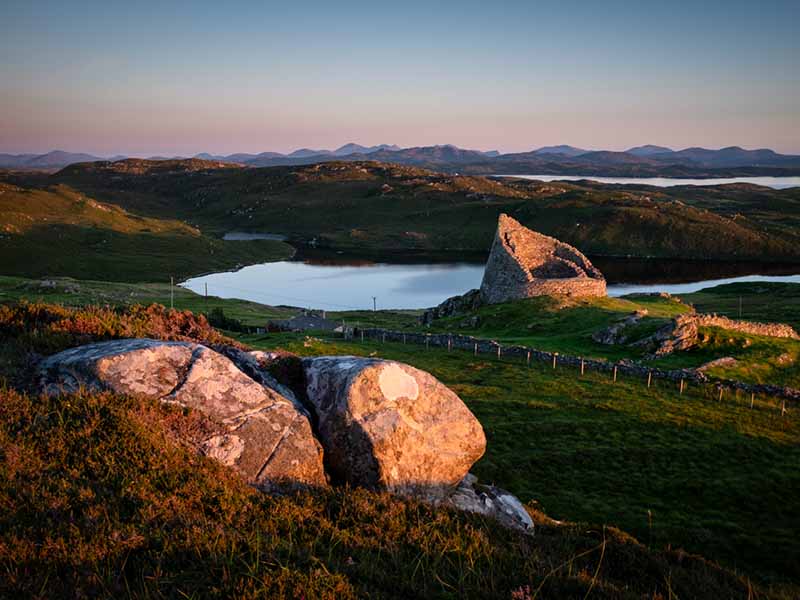
July is the heart of summer in Scotland. It is one of the warmest months of the year, with average temperatures between 15°C and 19°C. Days are long, bright, and ideal for sightseeing. In many places, daylight lasts 16 to 17 hours, and in the far north it can feel almost endless.
The weather is usually mild but still unpredictable. Sunshine, clouds, and rain can all appear on the same day. While July is not always dry, the warm air and long days make outdoor travel easier and more enjoyable.
Why Visit Scotland In July
July offers the best daylight conditions of the year. Long days allow travelers to explore cities, castles, lochs, and islands without rushing. Most attractions stay open longer, and ferry services run frequently.
Summer events are everywhere. Highland Gamestake place across the country, featuring traditional sports, music, and dancing. Music and cultural festivals are common, especially in smaller towns and islands.
Wildlife viewing is also excellent. Dolphins, seals, and whales are often seen on coastal boat trips, especially on the west coast.
Downsides Of Visiting In July
July is one of the busiest months in Scotland. Popular places like Edinburgh, the Isle of Skye, and the Highlands can feel crowded. Hotels, car rentals, and flights are usually expensive and book out early.
Midges are another challenge. These small biting insects are most active in July, especially near water in calm, damp weather, usually at dawn and dusk.
Best Travelers For July
July is best for families on school holidays, travelers who want warm weather, and visitors who enjoy lively places and festivals. It suits those who value long daylight hours and do not mind crowds or higher prices.
August: Festival Season And Tourist Peak
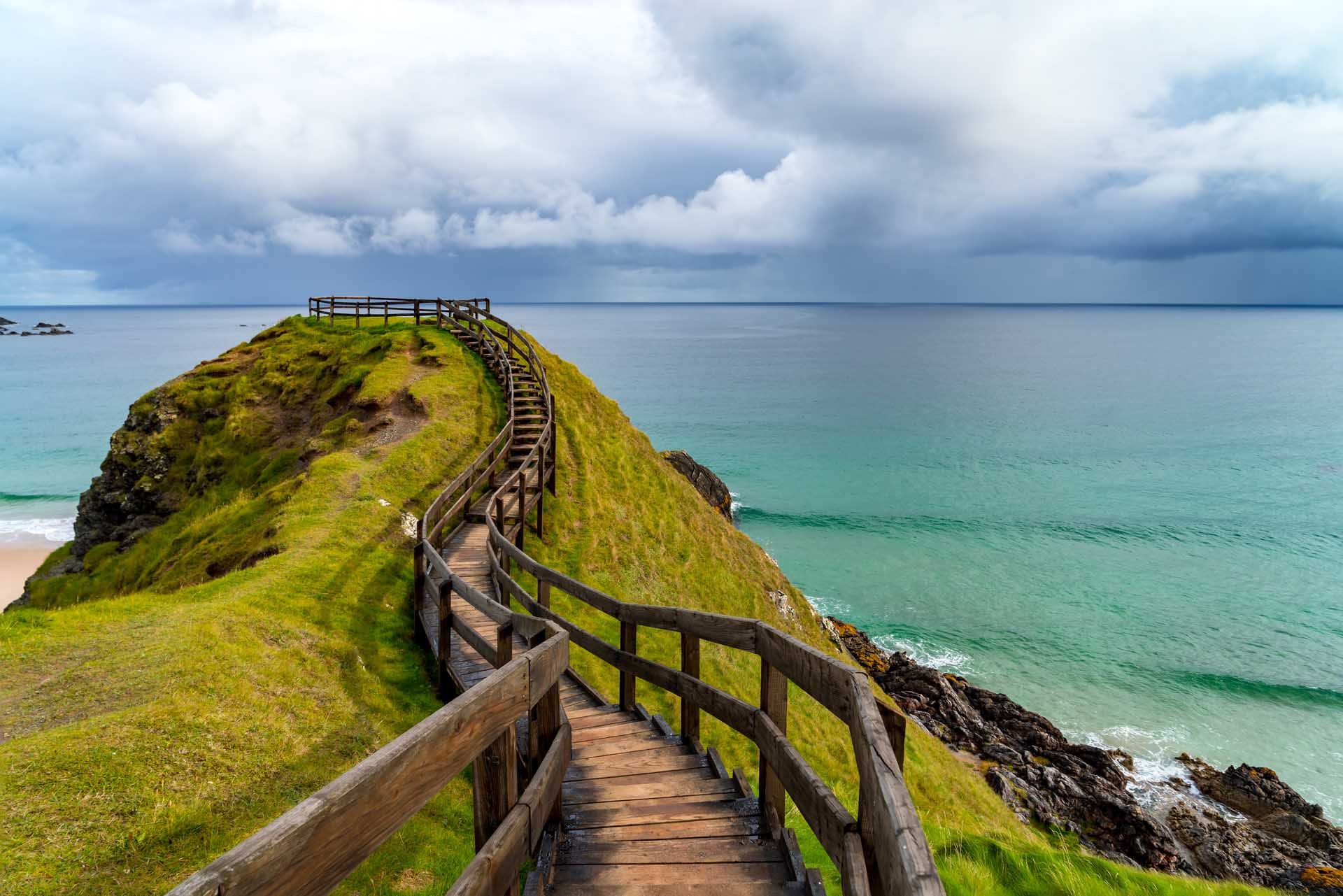
August remains warm, with temperatures between 14°C and 19°C, but it is often wetter than July. Rain showers are more common, and skies can be cloudy. Even so, daylight remains long, with around 15 hours per day, allowing full days of sightseeing.
The landscapes are at their greenest, making the countryside especially beautiful despite the mixed weather. For travelers planning ahead, August is one of the safe months to travel to Scotland, offering long days and vibrant scenery even if occasional rain occurs.
Major Festivals In August
1. Edinburgh Festival Fringe
The Edinburgh Festival Fringe is the largest arts festival in the world and runs throughout August. Thousands of performers come to the city to present comedy, theatre, music, dance, and street performances. Shows take place in theatres, pubs, halls, and even outdoor spaces. The city feels lively from morning until late at night, making it a must-see event for culture lovers.
2. Edinburgh International Festival
The Edinburgh International Festivalfocuses on high-quality performances in music, opera, ballet, and theatre. It runs at the same time as the Fringe but offers a more formal and curated program. Many events feature world-class artists and orchestras. It is ideal for visitors who enjoy classical music and refined performances.
3. Royal Edinburgh Military Tattoo
The Royal Edinburgh Military Tattoo is held on the open esplanade in front of Edinburgh Castle. It features military bands, dancers, and performers from Scotland and around the world. The event is known for its dramatic setting, precise marching, and powerful music. Evening shows often end with fireworks, creating a memorable experience.
4. Edinburgh International Book Festival
The Edinburgh International Book Festival celebrates books, writing, and ideas. Authors from many countries take part in talks, readings, and discussions. Events are usually relaxed and welcoming, making them enjoyable even for casual readers. It is one of the largest book festivals in the world.
5. Highland Games (August Events)
Many Highland Games take place across Scotland in August. These traditional events include activities like caber tossing, hammer throwing, and tug-of-war. Visitors can also enjoy bagpipe music, Highland dancing, and local food. The games offer a strong connection to Scottish historyand culture, especially in smaller towns. In fact, these events rank among the top Scottish attractions, giving travelers a memorable glimpse of local traditions and lively community celebrations.
6. Hebridean Celtic Festival
The Hebridean Celtic Festival is held on the Isle of Lewisin the Outer Hebrides. It focuses on Celtic music, featuring both local and international artists. The relaxed island setting and strong Gaelic influence make it a unique cultural experience. It is popular with visitors looking for music outside the busy cities.
September: Autumn Gold With Fewer Crowds
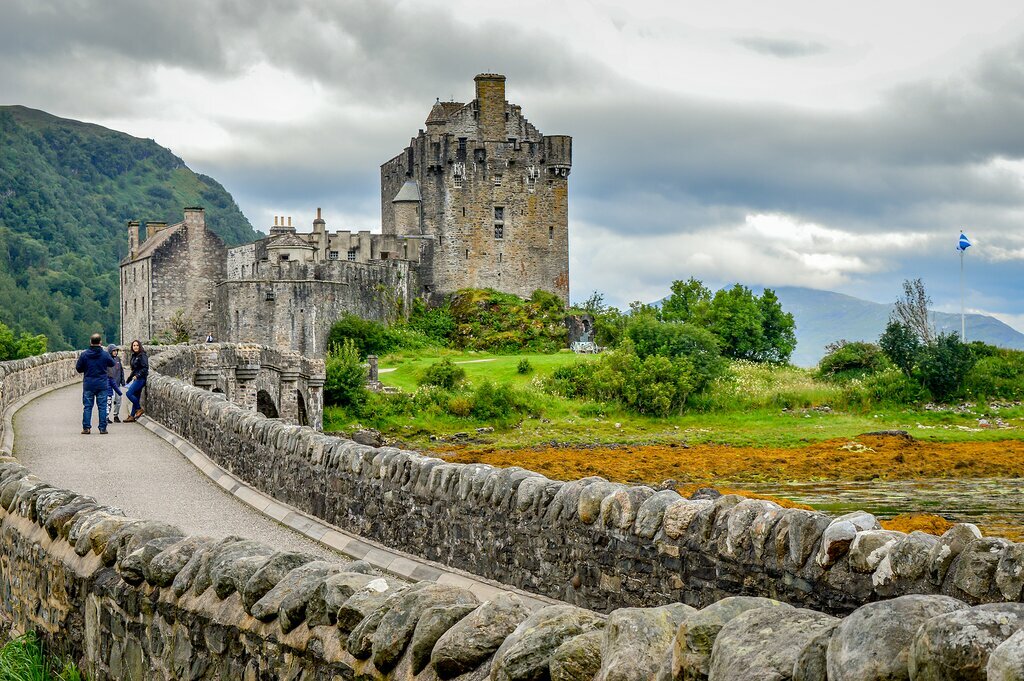
September marks the move from summer into autumn in Scotland. Temperatures stay comfortable, usually between 10°C and 16°C, making it a good month for walking, sightseeing, and outdoor travel.
Early September often still feels like summer, while late September brings cooler air and early signs of autumn. Rainfall increases slightly compared to summer, but it is not yet as wet as late autumn or winter. Daylight slowly shortens, starting with over 12 hours per day and dropping to around 11 hours by the end of the month.
Why Visit Scotland In September
September is one of the best-value months to visit Scotland. Once August ends, crowds reduce quickly. Popular attractions become calmer, roads are quieter, and accommodation prices start to fall.
The landscapes look especially beautiful. Green hills remain from summer, purple heather still covers parts of the Highlands, and early autumn colours begin to appear. This mix makes September ideal for photography.
Midges also begin to disappear, especially later in the month, which makes hiking and outdoor activities more enjoyable.
Things to Keep in Mind
Rainfall increases compared to summer, and the weather can change quickly. Some days feel warm and bright, while others are cool and wet. Packing waterproof clothing is important.
Schools return across the UK, but most attractions, tours, ferries, and hotels remain fully open.
October: Peak Autumn With Dramatic Colours
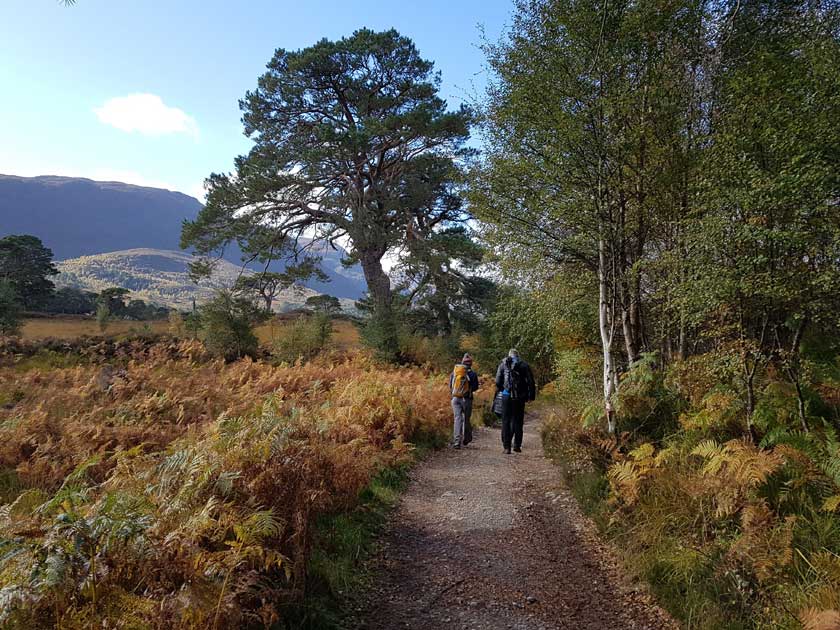
October is Scotland’s true autumn month. Trees change from green to rich shades of gold, orange, and red, especially in forests, glens, and rural areas. This is one of the most scenic times of year.
Temperatures drop to around 7°C to 13°C, with crisp, cool air. The weather feels fresh, but rain becomes more frequent. Daylight decreases noticeably, falling to around 10 hours per day, with earlier sunsets.
Why October Is Special
October offers some of Scotland’s most dramatic landscapes. Quiet roads, colourful forests, and misty mornings create a peaceful atmosphere. Many visitors consider this the most beautiful month for countryside travel.
Wildlife activity increases. Red deer rutting season takes place in autumn, especially in the Highlands, where stags can be seen and heard during mating displays.
Food lovers also enjoy October. Seasonal seafood is excellent, and autumn game dishes become widely available in restaurants and pubs.
Downsides Of October Travel
October is one of the wettest months in Scotland. Rain can arrive suddenly, and plans may need to change at short notice. Waterproof clothing and flexible itineraries are essential.
Shorter daylight limits long evening activities, especially in rural areas. Toward the end of the month, some seasonal hotels, ferry routes, and island attractions begin to close.
Who Should Visit In October
October is ideal for photographers, nature lovers, wildlife watchers, and travelers who enjoy cosy towns and scenic drives. It suits visitors who value atmosphere and beauty over perfect weather and long daylight.
November: Quiet Transition To Winter
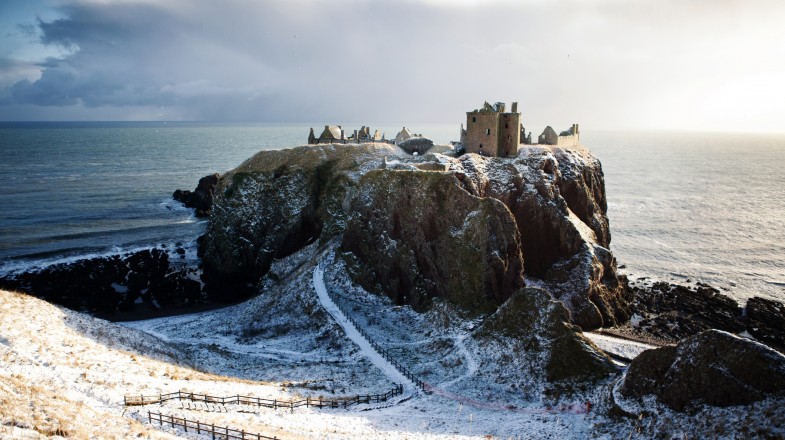
November is when Scotland moves fully from autumn toward winter. Trees are mostly bare, mornings feel cold, and the Highlands may see the first snowfalls of the season. Temperatures usually sit between 3°C and 8°C, with colder conditions in the north and east.
Rainfall drops slightly compared to October, but the air feels damp and chilly. Daylight reduces sharply to about 8-9 hours per day, with darkness arriving early in the afternoon.
Why Visit Scotland In November
November is one of the quietest months to visit Scotland. Tourist numbers drop, towns feel calm, and prices for flights and accommodation fall to some of the lowest levels of the year outside holiday periods.
Early November can still offer late autumn colours, especially in wooded areas. Longer nights and darker skies also make this one of the best months to see the Northern Lights, particularly in northern Scotland.
St. Andrew’s Day on November 30 brings traditional food, music, and cultural events across the country.
Things to Consider
Many attractions reduce hours or close for winter, especially in rural areas and on islands. Ferry services run less often and are more weather-dependent. Short daylight and cold conditions limit long sightseeing days.
Best For: November suits budget travelers, Northern Lightswatchers, and those who enjoy a quiet, atmospheric Scotland. It is best for visitors who are flexible and comfortable with cold weather and limited daylight.
December: Festive Magic And Winter Celebrations
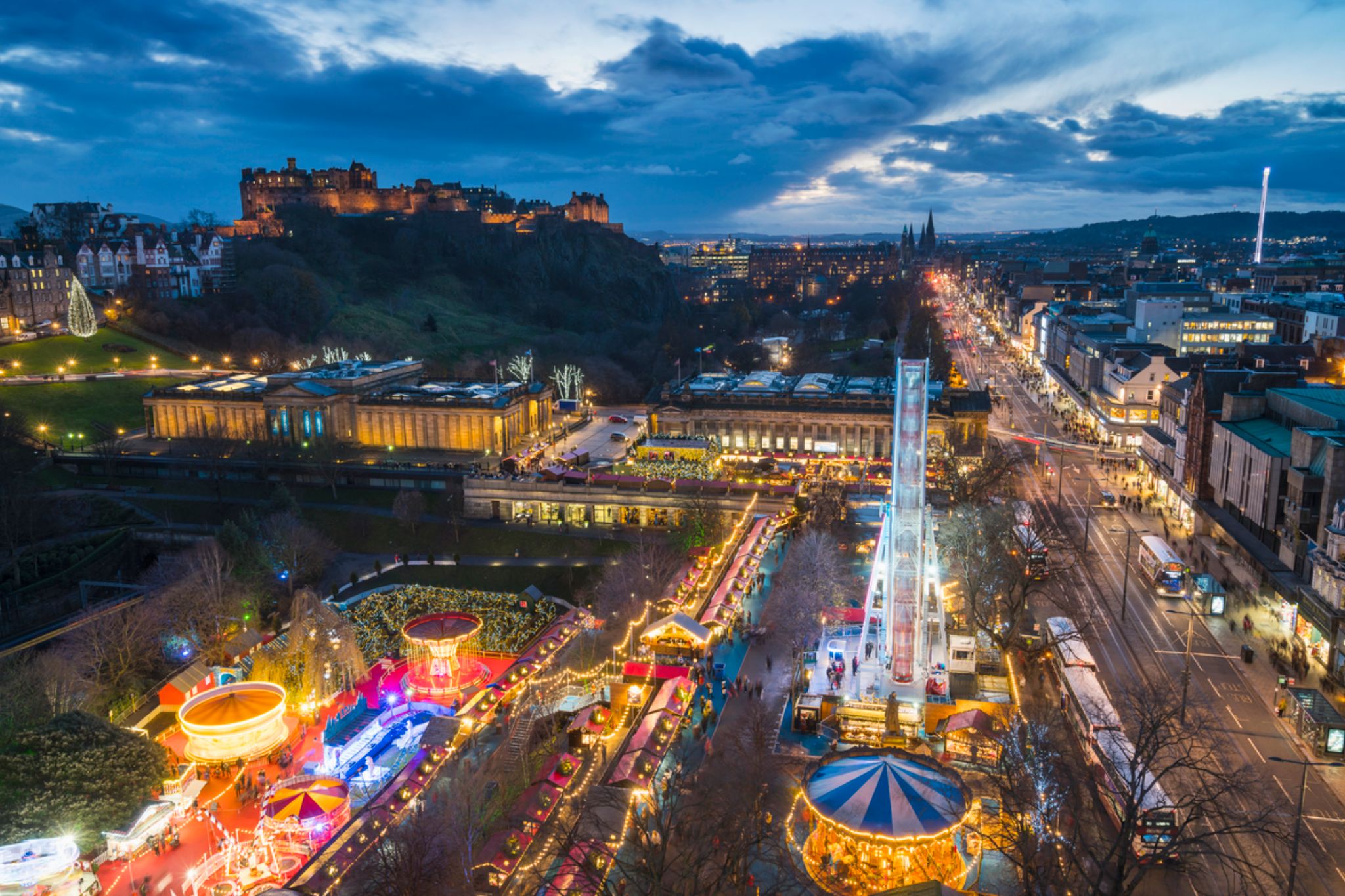
December brings full winter to Scotland. Temperatures range from 0°C to 7°C, with snow common in the Highlands and frost frequent in cities. Coastal areas stay slightly milder, while mountain regions can be very cold.
Daylight is at its shortest. Sunrise can be close to 9:00 AM, with sunset before 4:00 PM, giving only about seven hours of daylight.
Festive Highlights
December is one of the most festive times to visit Scotland’s cities. Christmas markets light up Edinburgh and Glasgow with food stalls, decorations, ice skating, and seasonal events. The month builds toward Hogmanay, Scotland’s world-famous New Year celebration.
Events include torchlight processions, live music, street parties, and large firework displays, especially in Edinburgh. UnderstandingHogmanay customsadds a richer layer to the experience, from first-footing traditions to singing "Auld Lang Syne" at midnight. Winter sports are also popular, with ski resorts opening when snow conditions allow.
Downsides To Know
Accommodation around Christmas and Hogmanay sells out early and is expensive. Outside these dates, prices are much lower. Limited daylight restricts sightseeing, and many rural attractions and island services close for the season.
Best For:December is ideal for travelers seeking festive atmosphere, Hogmanay celebrations, winter sports, or cosy city breaks. It suits visitors who enjoy seasonal charm and do not mind cold weather and short days. Visiting during this time also gives you a chance to enjoy a traditional Scottish Christmas, with local decorations, festive foods, and holiday customs that make the season uniquely Scottish.
Regional Safety Considerations Across Scotland
Edinburgh: Scotland's Safest Major City
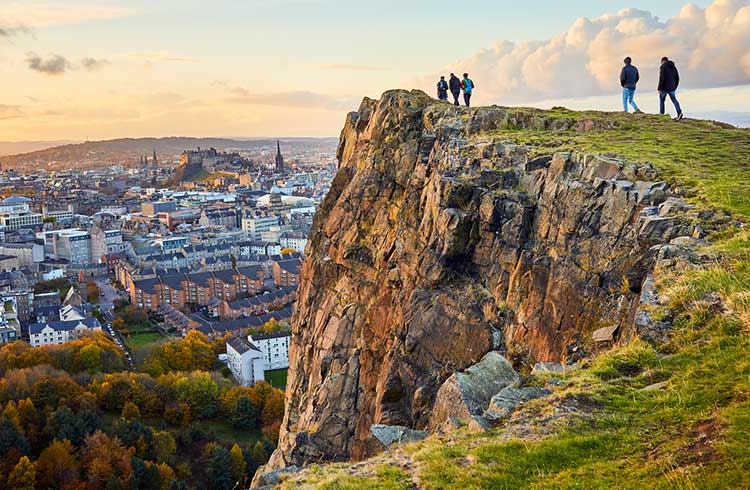
Edinburgh maintains exceptional safety standards. Edinburgh is ranked as the safest city in Scotland. It has a safety index of 68.98 according to Numbeo, with the lowest crime index of 30.99. The capital's crime rate stands at just 67.9 offenses per 1,000 population, approximately one-third of the national average.
Tourist attractions receive heavy police presence, especially during peak seasons. The Royal Mile, Edinburgh Castle, and Princes Street Gardens all maintain 24/7 security. According to Numbeo, the safety of walking alone at night is 62.33, which is high.
Pickpockets target specific tourist hotspots. Visitors should exercise caution around Waverley Station, Princes Street, and during major festivals when crowds provide cover for thieves. Using zippered bags and maintaining awareness prevents most incidents.
Glasgow: Safe With Specific Area Awareness
Glasgow experiences higher crime rates than Edinburgh but remains safe for tourists who exercise basic precautions. According to the stats, the overall crime rate stood at 82-84 crimes per 1000 people. While the Scottish average has an overall crime rate of 50-55 per 1,000 people.
Tourist-centered areas like Merchant City and the West End receive regular police patrols. Problems concentrate in specific neighborhoods that tourists rarely visit. The central areas remain 24/7 patrolled, where tourists can visit peacefully.
Nighttime safety requires awareness. Crimes occur most frequently between 10:00 PM and 3:00 AM. Avoiding empty public transport and using licensed taxi services enhances safety during late hours.
Scottish Highlands And Islands: Remote But Secure
The Highlands and Islands offer Scotland's lowest crime rates but present different safety challenges. Weather changes rapidly, creating hazards for unprepared hikers. Don't go out into the hills and mountains if you're inexperienced and not equipped for the outdoors – visitors have been known to try to climb Ben Nevis in shorts and flip flops and get into trouble.
Remote locations lack mobile phone coverage in many areas. Informing someone of hiking plans and expected return times becomes essential. Carrying appropriate gear, including weatherproof clothing and emergency supplies, prevents weather-related incidents.
Coastal And Island Access Safety
Coastal areas and islands require attention to ferry schedules and weather conditions. If you want to travel to the Scottish islands between October and March, check the ferry timetables as a lot of them slow down to a stop during months out of the main tourist season.
Ferry services maintain excellent safety records, with government oversight ensuring passenger protection. CalMac ferries serve over 20 island destinations, with booking essential during summer months but more flexible in shoulder seasons.
The Sunday Shutdown In Remote Areas
If you are traveling to the Outer Hebrides or remote parts of the Northwest Highlands, be aware of "The Sabbath." In these deeply traditional areas, many shops, petrol stations, and even restaurants close on Sundays.
Tip: Always ensure your fuel tank is full by Saturday evening and you have enough food supplies to last until Monday morning to avoid being stranded or hungry in remote locations.
Weather-Related Safety Throughout The Year
Understanding Scotland's Variable Climate
Scotland's maritime climate creates unpredictable weather patterns. We have clear weather changes each season, but you can also experience a mix of weather in one day. This variability affects safety across all activities.
Preparation trumps prediction. Layered clothing, waterproof outer layers, and sturdy footwear enable comfortable, safe travel regardless of conditions. The west coast receives nearly four times more rainfall than the east coast, making location choice significant.
Rain And Wind Considerations
Rain occurs year-round but intensifies between October and March. January is the rainiest month of the year. While rain itself poses minimal safety risks, wet conditions create slippery surfaces on hiking trails and historic stone streets.
Wind speeds increase safety risks primarily in exposed coastal areas and mountain summits. Ferry crossings may cancel during severe wind, requiring flexible travel plans. Checking weather forecasts and heeding local warnings prevents wind-related incidents.
Cold Weather Precautions
Winter temperatures rarely plunge far below freezing in lowland areas thanks to Gulf Stream influence, but Highlands experience genuine winter conditions. Winters can be very cold, particularly in the Highlands. Dress warmly to avoid cold-related health issues like hypothermia.
Hypothermia risk increases in wet, windy conditions even when temperatures remain above freezing. Proper clothing selection and maintaining body heat through movement prevents cold-weather emergencies.
Driving Safety In Scottish Weather
Single-track roads dominate rural Scotland, requiring driving adjustments. Once you get out of the Central Belt, roads are a little bit different – even the Trunk Network. Passing places, narrow bridges, and blind corners demand careful attention.
Winter driving presents additional challenges. Police Scotland recommend not driving in icy or snowy conditions unless it's essential. If you must drive in these harsh conditions, leave at least 10 car lengths between you and the car in front in case you have to stop suddenly.
Rural Driving Etiquette: The Passing Place
Beyond physical safety, driving "comfort" in Scotland involves understanding the Passing Place. On single-track roads, these are small alcoves marked with white poles or square signs.
- Letting Others Overtake:If a vehicle behind you is driving faster (likely a local or delivery driver), it is expected that you pull into a passing place on your left to let them pass. This prevents "road rage" and risky overtaking maneuvers.
- Right of Way:If the passing place is on your right, do not cross the road into it. Stop opposite it and let the oncoming car pull in.
- The "Highland Wave": It is customary to give a small wave of thanks when someone lets you through it’s a key part of the friendly driving culture.
Health And Medical Safety Considerations

Healthcare Access And Quality
Scotland's National Health Service provides excellent medical care. Emergency services respond quickly throughout urban areas. Remote Highland regions may experience longer response times, making travel insurance valuable.
Pharmacies stock standard medications widely. You can bring in your own personal medicines and do not need to declare them to UK Customs if they are for yourself. However, in case there is an issue in the UK or abroad, it is a good idea to have a letter from your doctor confirming your need for the medication.
Disease And Infection Risks
Scotland presents minimal disease risks. There are no serious disease outbreaks. Routine vaccines like tetanus, measles, and flu shots are usually all that's needed for most travelers. Water quality eliminates waterborne illness concerns.
Lyme disease from tick bites represents the primary health concern in rural areas. Ticks are tiny non-winged insects that look a bit like spiders. They feed off the blood of mammals, including people. May to October but they can be found throughout the year if conditions are damp and the temperature is warm enough.
Tick prevention requires wearing long sleeves and trousers tucked into socks during Highland hikes. Using repellent containing DEET or Picaridin provides additional protection. Check skin thoroughly after outdoor activities and remove ticks promptly using proper technique.
Food And Water Safety
Scotland maintains rigorous food safety standards. Food safety is also good, so there's little risk of getting sick from eating out. Restaurants, cafes, and street food vendors undergo regular inspections.
Tap water exceeds safety standards throughout Scotland. Bottled water purchases remain unnecessary. Remote Highland areas may use private water supplies, but these typically meet quality requirements.
Safety For Specific Traveler Groups
Solo Female Travelers
Scotland ranks exceptionally safe for solo female travelers. Travel in Scotland is very safe, for women, LGBTQ+ and solo travellers alike. Street harassment and theft are rare. Women traveling alone report feeling comfortable in cities and countryside alike.
General precautions apply. Cities like Edinburgh and Glasgow are largely safe, but like any urban area, certain neighborhoods may have higher crime rates, particularly at night. It's always advisable to stay in well-lit, populated areas and avoid secluded places after dark.
Public transport remains safe for solo women at all hours, though exercising normal urban awareness proves sensible. Scottish cultural attitudes respect personal boundaries, with harassment incidents rare compared to many destinations.
LGBTQ+ Travelers
Scotland demonstrates progressive attitudes toward LGBTQ+ visitors. We pride ourselves on continuing to advance equality for LGBTQI+ people, and promoting, protecting and realising the rights of every LGBTQI+ person in Scotland. Cities particularly welcome LGBTQ+ travelers, with vibrant communities and safe spaces.
Rural areas generally maintain respectful attitudes, though individual experiences may vary. Scotland's legal protections and social acceptance create a welcoming environment for LGBTQ+ travelers year-round.
Families With Children
Scotland provides excellent safety for family travel. Attractions cater specifically to children, with appropriate safety measures. Scotland has a high-quality healthcare system, ensuring children receive excellent care if needed.
Outdoor activities suit families but require appropriate supervision and preparation. Beach safety requires attention as Atlantic waters remain cold year-round. Castles and historic sites often feature unguarded heights and steep stairs demanding parental vigilance.
Travelers With Mobility Concerns
Urban Scotland increasingly accommodates mobility challenges. Edinburgh and Glasgow provide accessible transport, attractions, and accommodations. Newer facilities meet modern accessibility standards.
Rural and historic areas present challenges. Ancient castles rarely offer elevator access. Highland terrain proves difficult for wheelchair users. Researching specific locations beforehand ensures appropriate expectations.
Current Travel Requirements And Entry Safety (2026)
Electronic Travel Authorization (ETA)
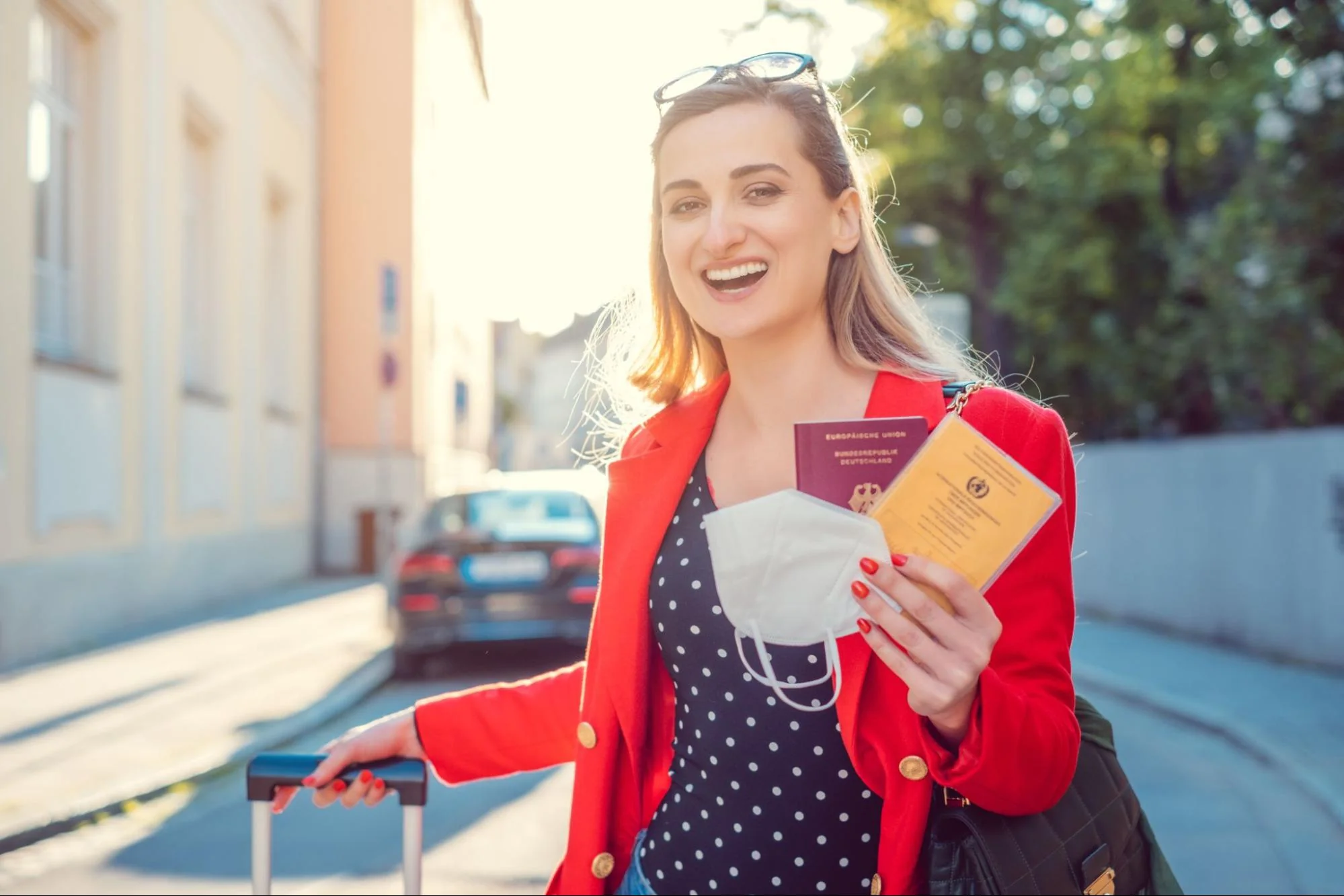
From 25 February 2026, travellers without an ETA (except British and Irish citizens) will not be able to board transport or legally travel to the UK. This digital authorization applies to most visa-exempt travelers.
The ETA costs £16 per person and links electronically to passports. You'll normally find out within 3 working days on whether your application is successful. Applications require passport photos and personal details but no specific travel information.
Visa Requirements
Travelers requiring visas for UK entry need to obtain them separately. The ETA doesn't replace visa requirements for countries not on the visa-waiver list. Irish citizens need neither visa nor ETA.
COVID-19 Requirements

Covid-related health measures have been lifted in Scotland. You do not need to wear a face mask. Scotland removed all COVID-19 border requirements, eliminating testing and vaccination proof requirements.
There are no COVID-19 rules or restrictions in Scotland. We are now living with COVID-19 as one of a number of respiratory infections. Normal respiratory illness precautions remain advisable but not mandatory.
Outdoor Activity Safety Considerations
Hiking And Mountain Safety
Scottish mountains present genuine hazards despite modest heights. Skye's enticing mountains are at sea level. Therefore, they look closer and less steep than they are. Weather changes rapidly, with conditions deteriorating quickly at altitude.
Essential safety measures include proper equipment, weather awareness, and route planning. Informing others of plans prevents search complications if difficulties arise. Mobile phone coverage remains unreliable in many mountain areas.
How To Manage The Midge Season
While midges don't carry disease, they can ruin the "comfort" of a trip.
- The "Smidge" Factor:Most locals recommend Smidge, a Picaridin-based repellent developed specifically for Scottish midges.
- The Wind Rule: Midges are tiny and cannot fly in winds stronger than about 7mph. If you are sensitive to bites, plan your picnics or camping on breezy ridges or coastal spots rather than sheltered, wooded glens.
- Timing: They are most active at dawn and dusk. Plan to be indoors or inside a mesh-protected tent during these "golden hours."
Water Activity Safety
Scotland's lochs and coastal waters remain cold year-round, creating hypothermia risks even during summer. Wearing appropriate wetsuits for swimming or water sports extends safe participation time.
Tide changes affect coastal activities significantly. Checking tide tables prevents becoming stranded by rising water. Atlantic swells create powerful currents requiring respect and appropriate swimming ability.
Wildlife Encounters
Scotland lacks dangerous large predators. Wildlife encounters rarely create safety issues. The primary concerns involve insects rather than animals.
Midges are small two-winged flies which often form swarms or clouds. While not dangerous, their bites cause discomfort. Protection involves timing activities, using repellent, and choosing breezy locations.
Tick encounters require awareness during outdoor activities. Proper removal technique prevents infection transmission. Monitoring bite sites for several weeks allows early Lyme disease detection if needed.
Practical Safety Tips For Visiting Scotland
Money And Valuables
Scotland uses British pounds sterling. ATMs operate widely in cities and towns but become scarce in remote Highland areas. Carrying some cash for rural locations prevents inconvenience.
Leave your passport in your hotel safe; if you think you may need it, take a photocopy instead. Credit cards work almost universally in urban areas. Contactless payment widely accepted reduces cash handling needs.
Communication And Connectivity
Mobile coverage reaches most populated areas but fails in remote mountains and glens. Downloading offline maps before venturing into rural areas maintains navigation capability.
Emergency services respond to 999 or 112 calls. Even without signal, emergency calls sometimes connect through any available network. Carrying a whistle and torch aids rescue if needed.
Cultural Awareness For Safety
Scottish culturevalues politeness and respect. The best form of self defence in Scotland in my opinion is treating others with respect. Friendly engagement typically receives warm responses.
Understanding local customs prevents misunderstandings. Pubs serve as social hubs where conversation flows easily. Respecting personal space and avoiding controversial political topics maintains positive interactions.
People Also Ask
Is Scotland Safe To Visit Right Now In 2026?
Yes, Scotland maintains excellent safety standards for tourists in 2026. Crime rates remain low, healthcare quality stays high, and infrastructure operates reliably. Current travel advisories place Scotland among Europe's safest destinations. The primary consideration involves seasonal factors like weather and midges rather than security concerns.
What Is The Safest Time Of Year To Visit Scotland?
April through June and September through October offer optimal safety and comfort. These months avoid both winter weather hazards and summer midge season. Roads remain accessible, daylight extends sufficiently for safe exploration, and crime rates stay consistently low. Spring particularly combines favorable weather with minimal tourist crowds.
Are Midges Dangerous In Scotland?
Midges cause irritation but pose no serious health risks. They don't transmit diseases like mosquitoes. The discomfort comes from swarms creating numerous itchy bites. Using DEET-free repellents like Smidge, covering exposed skin, and timing activities for windy conditions effectively manages midge encounters. They remain active primarily from late May through early September.
Is Edinburgh Or Glasgow Safer For Tourists?
Edinburgh ranks as Scotland's safest city overall, with crime rates approximately one-third the national average. Glasgow experiences higher crime statistics but tourist areas remain well-patrolled and safe. Both cities prove considerably safer than comparable European destinations. Exercising normal urban precautions ensures safe visits to either location.
Can I Drink Tap Water In Scotland?
Scottish tap water exceeds all safety standards and tastes excellent. No need exists for bottled water from either health or safety perspectives. Rural areas occasionally use private water supplies, but these typically meet quality requirements. Carrying a refillable water bottle proves both safe and environmentally responsible.
How Safe Is Public Transportation In Scotland At Night?
Public transport remains safe during evening hours, particularly in major cities. Night buses receive regular police monitoring. Solo travelers should use well-lit stops and stay in populated carriage areas. Licensed taxis provide safe late-night alternatives. Avoiding completely empty carriages proves sensible without being necessary.
What Emergency Number Should I Call In Scotland?
Dial 999 or 112 for all emergency services. Both numbers connect to police, ambulance, fire, and mountain rescue services. Emergency calls sometimes connect even without normal signal in remote areas. Save this number before traveling to remote locations where normal coverage may fail.
Final Thoughts
Scotland is safe to visit year-round, with friendly locals, reliable infrastructure, and excellent emergency services. The best time to travel depends on your preferences for weather, crowds, and seasonal activities. Spring and early autumn offer mild conditions, while summer brings long days and lively festivals.
Winter appeals to those seeking atmospheric landscapes and the Northern Lights. With basic precautions, every season allows for memorable and safe Scottish adventures, from Edinburgh’s streets to Highland trails and Hebridean islands.
Jump to
When To Travel To Scotland Safely And Comfortably
Understanding Scotland's Overall Safety Profile
January: Winter Wonderland With Festive Spirit
February: Cold Beauty And Outdoor Adventures
March: Spring's Arrival And Transition
April: Spring Blooms And Pleasant Conditions
May: One Of The Best Months To Visit Scotland
June: Long Days And Early Summer Energy
July: Peak Summer With Long Daylight
August: Festival Season And Tourist Peak
September: Autumn Gold With Fewer Crowds
October: Peak Autumn With Dramatic Colours
November: Quiet Transition To Winter
December: Festive Magic And Winter Celebrations
Regional Safety Considerations Across Scotland
Weather-Related Safety Throughout The Year
Health And Medical Safety Considerations
Safety For Specific Traveler Groups
Current Travel Requirements And Entry Safety (2026)
Outdoor Activity Safety Considerations
Practical Safety Tips For Visiting Scotland
People Also Ask
Final Thoughts

Callum Fraser
Author
Callum Fraser isn't just a writer about Scotland; he's a product of its rugged landscape and rich history. Born and raised in Perthshire, with the Highlands as his backyard, his love for the nation's stories was kindled by local storytellers and long walks through ancient glens.
This passion led him to pursue a degree in Scottish History from the University of Edinburgh. For over 15 years, Callum has dedicated himself to exploring and documenting his homeland, fusing his academic knowledge with essential, on-the-ground experience gained from charting road trips through the Cairngorms, hiking the misty Cuillins of Skye, and uncovering the secrets of traditional recipes in his family's kitchen.
As the Editor-in-Chief and Lead Author for Scotland's Enchanting Kingdom, Callum's mission is simple: to be your most trusted guide. He combines meticulous research with a storyteller's heart to help you discover the authentic magic of Scotland — from its best-kept travel secrets to its most cherished traditional recipes.
Latest Articles
Popular Articles