Travel Around Scotland | Famous Places, Bases, Transport
Travel around Scotland with a bases-first plan: choose car, train, or hybrid, add famous stops, and use Traveline Scotland to verify connections.
Author:Callum FraserFeb 22, 20261.2K Shares153.3K Views
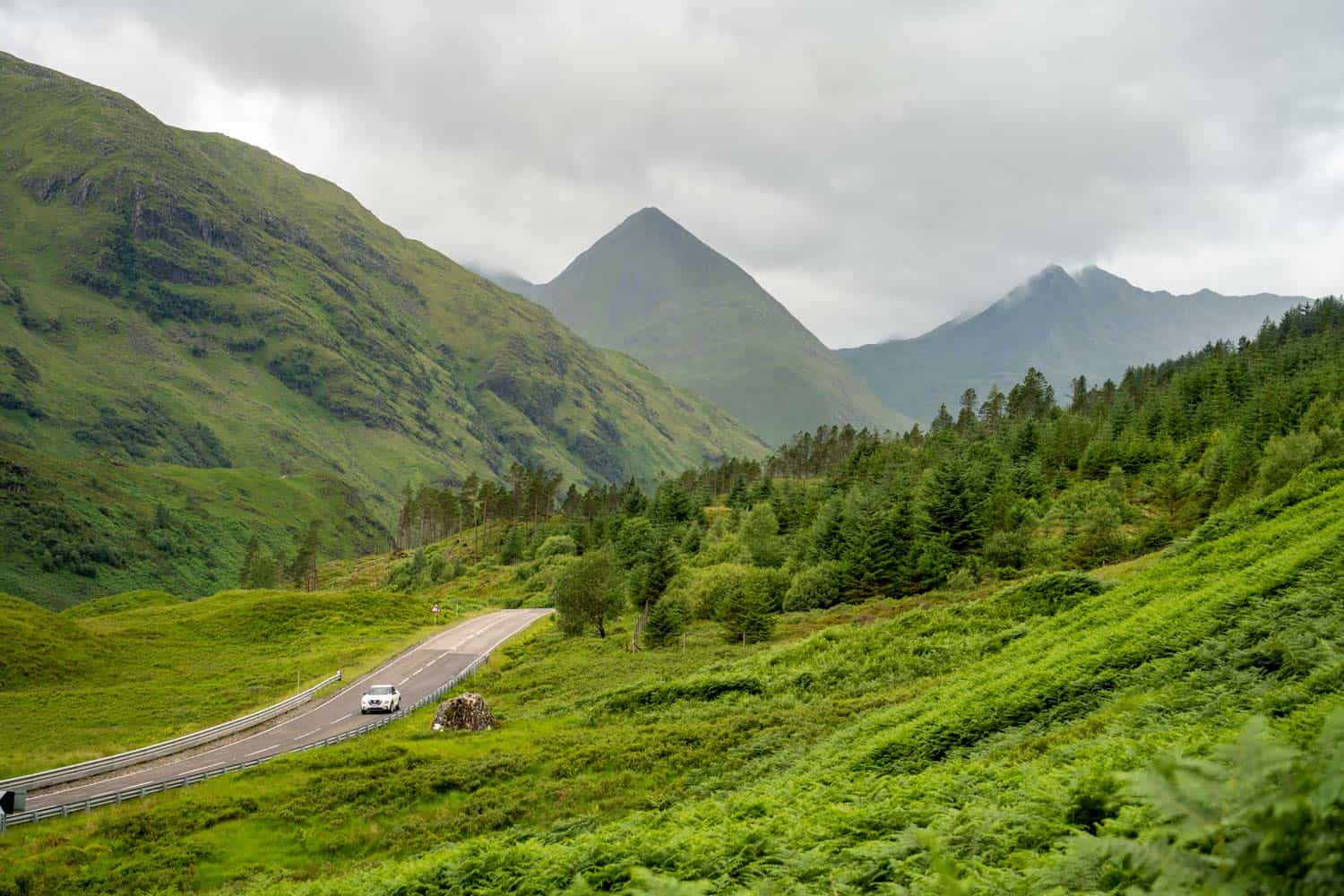
Travel Around Scotland: Car, Public Transport, Or Hybrid
Scotland is one of those trips where the how matters as much as the where. If you pick the wrong transport plan, you’ll spend your holiday staring at timetables, backtracking on roads, or rushing past places you actually wanted to feel.
You’ll build a Scotland plan that fits your pace, budget, and comfort with driving-so you can connect the big-name sights with smaller stops that make the trip yours.
Key Takeaways
- Choose car / public transport / hybridbased on whereyou want to go (cities = easy without a car; Highlands/islands = easier with one).
- Build your route using 2-3 bases(not a nightly hotel shuffle) and take day trips from each base.
- Book in this order: key stays → ferries/tours → trains → restaurants/activities(especially in peak months).
- Use official trip tools: Traveline Scotlandfor public transport planning and Transport Scotland / Traffic Scotlandfor travelinfo.
- If driving, learn single-track passing placesbefore you hit the Highlands.
Choose Your Transport Plan
You’ll get the most value from Scotland when your transport matches your route. This section helps you pick the right setup in five minutes.
Car Vs Train/bus Vs Hybrid (quick Decision)
| Best for | Choose this |
| Skye, Glencoe, North Coast, remote lochs, flexible photo stops | Car |
| Edinburgh/Glasgow + a couple of rail-friendly towns | Train + local buses |
| Cities by rail, then a 2-4 day car rental for Highlands | Hybrid |
If your must-see list includes Skye andmultiple rural stops in one week, you’ll usually have an easier time with a car-while still using trains inside the big cities.
Lock transport based on your farthest, most ruraldays, not your easiest city days.
Best Time To Travel Around Scotland
Timing isn’t about “best month.” It’s about what you can tolerate: crowds, changing weather, and how much daylight you want for driving and sightseeing.
Summer Vs Shoulder Season Vs Winter (what Changes For Logistics)
- Summer (roughly June-August):Long days and festival energy, but higher demand for accommodation and popular routes. Plan bookings earlier and expect busier roads in hotspots.
- Shoulder season (spring + autumn):Often the easiest balance-fewer crowds, decent daylight, and more flexibility with stays. Great for “base-and-day-trip” routing.
- Winter (roughly Nov-Feb):Cozy city breaks and dramatic landscapes, but shorter days and more weather disruption risk-build in buffer time and keep plans simpler.
Event-driven Planning (Fringe/Hogmanay) As Optional Considerations
- Edinburgh Festival Fringe:If festivals are part of the dream, plan around Fringe dates and book lodging early-Edinburgh becomes extremely busy. The official Fringe site lists 07-31 August 2026.
- Hogmanay (New Year):Expect road closures, ticketed events, and very high accommodation demand in Edinburgh; use official visitor info for logistics.
Choose your season by daylight + crowd tolerance first-then layer events on top if they truly matter to you.
Famous Places To Visit In Scotland
These are the headline stops people picture when they say “Scotland”-plus what they’re best paired with logistically, so your days connect smoothly. The key is to use these as anchors, then build bases and day loops around them.
1. Edinburgh
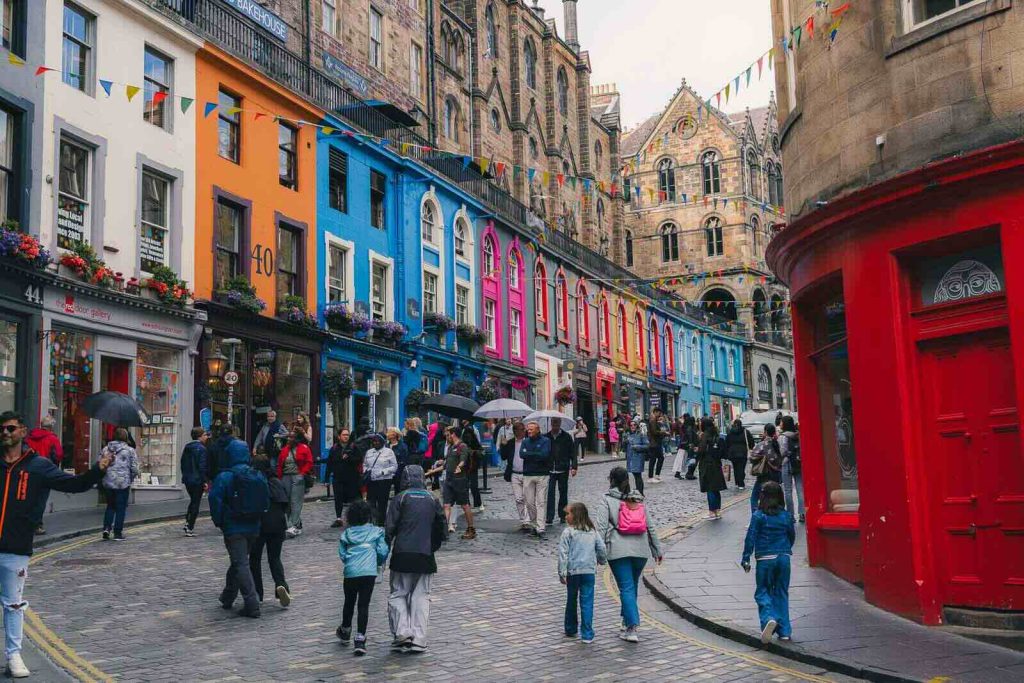
Edinburgh Scotlandis a strong first base because it’s compact, walkable, and dense with history, viewpoints, and museums-without needing a car. It also works well as a start/end city because transport links are straightforward.
How to fit it into your route
- Time to allow:2-4 nights as a base.
- Best pairing:Add a second base in the Highlands after Edinburgh (train/coach or hybrid).
- Logistics tip:If you’re renting a car, pick it up afteryou leave the city to avoid parking stress.
2. Glasgow
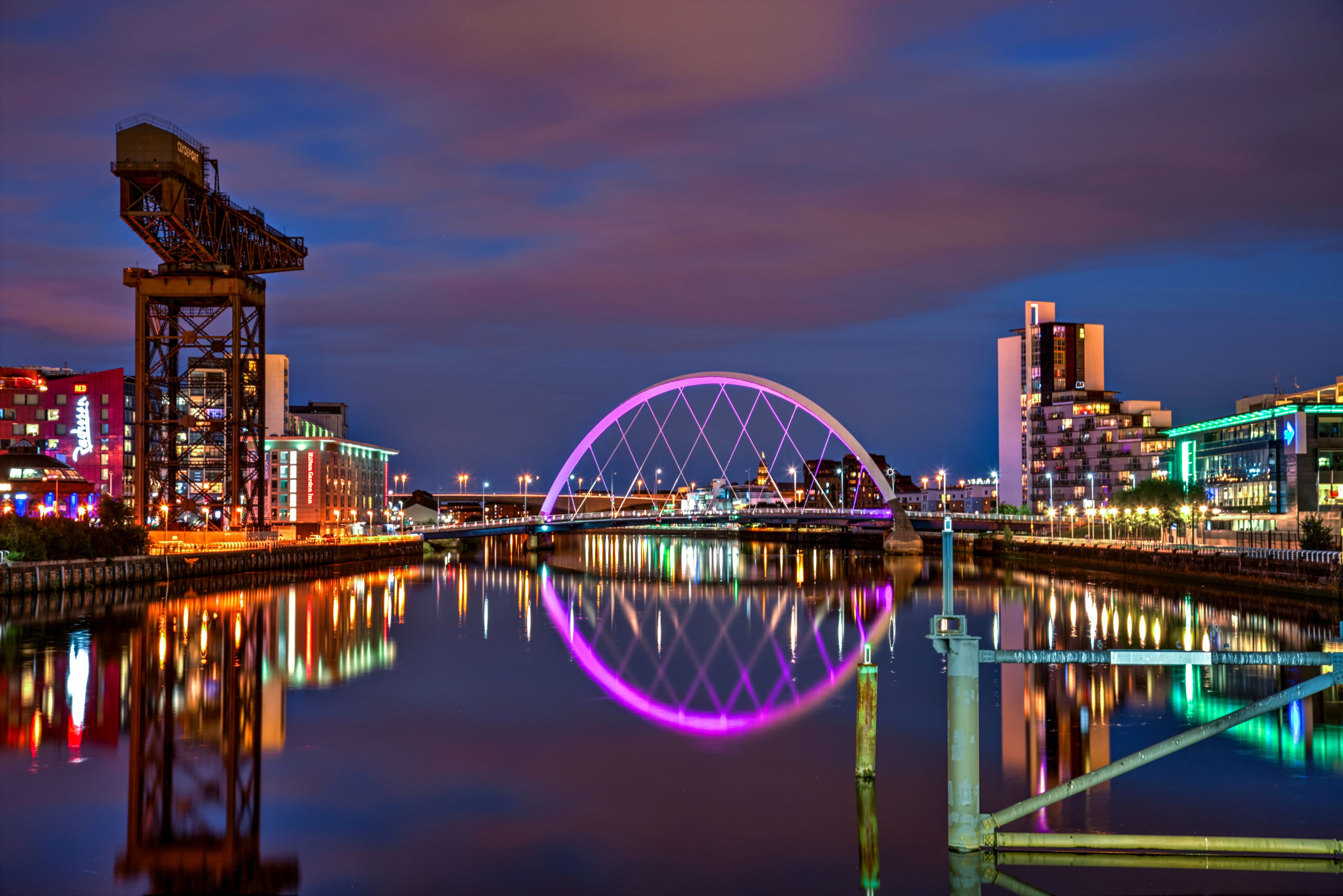
Glasgow works well as a base if you want culture, food, live music, and a practical jump point for west-coast routes. It’s also useful if your next base is Oban, Fort William, or other west Highlands gateways.
How to fit it into your route
- Time to allow:1-3 nights as a base (or 1 night as a gateway stop).
- Best pairing:West coast (Oban), Loch Lomond area, or a Highlands leg.
- Logistics tip:Use Glasgow when you want a city break withoutcommitting to Edinburgh crowds/pricing.
- Glasgow city map(for neighborhoods, attractions, and routing): Glasgow city map
3. Glencoe
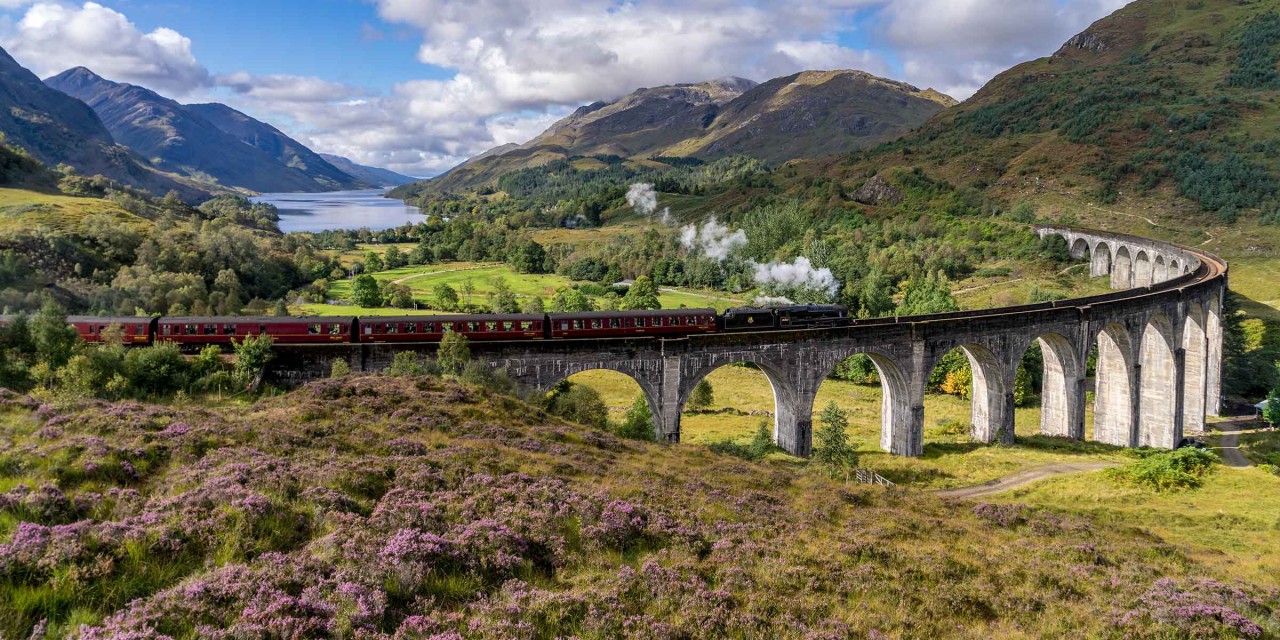
Glencoe is one of the most famous Highland landscapes and fits naturally on common west Highlands corridors. It’s best experienced as a scenery + short walk + viewpointsday rather than a rushed “drive-through.”
How to fit it into your route
- Time to allow:Half-day to full day (depending on walking plans).
- Best pairing:Fort William base or a travel day between Glasgow and the west Highlands.
- Logistics tip:Don’t cram Glencoe into a day that already includes a long transfer-give it breathing room.
- Also check out: Map Of Glencoe
4. Isle Of Skye
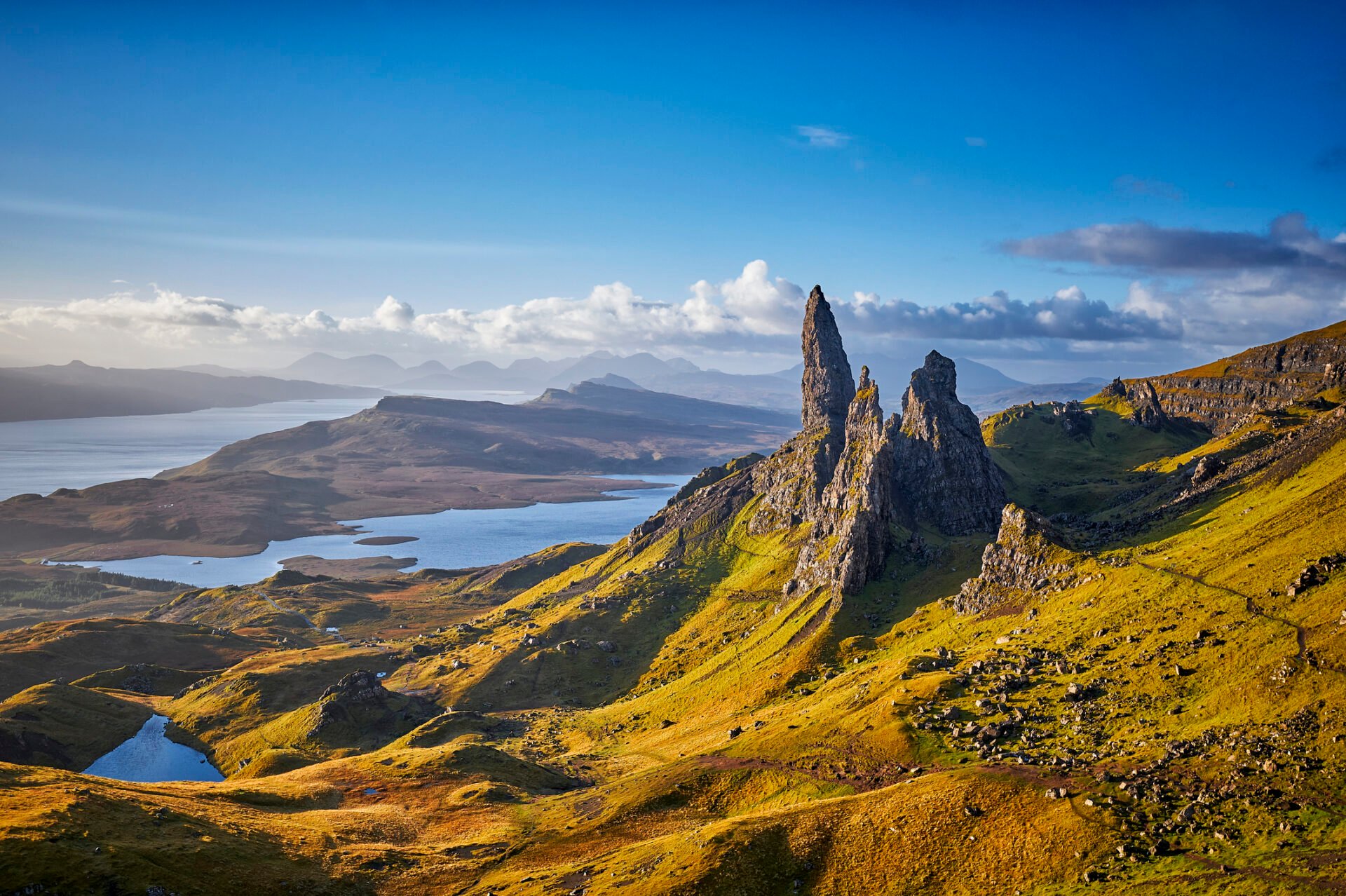
Isle Of Skye Scotlanddelivers the dramatic coast-and-mountain scenery most first-timers want, but distances between sights add up. Skye is smoother with a car, yet you can still keep it calm by choosing one main baseand running day loops.
How to fit it into your route
- Time to allow:2-4 nights (Skye rewards staying put).
- Best pairing:Glencoe + Fort William or a west Highlands base before/after.
- Logistics tip:Plan Skye by peninsulas/loops, not by “top 10 stops,” to avoid constant backtracking.
5. Loch Ness And Urquhart Castle
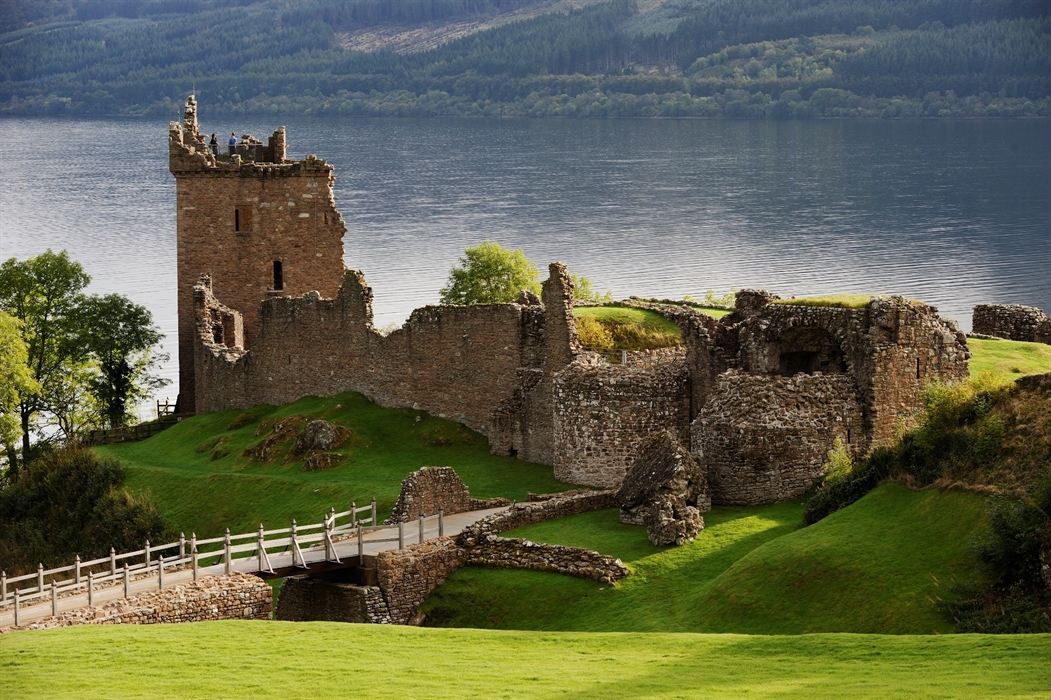
Loch Ness Scotlandis easiest when you treat it as part of an Inverness-area stretch rather than a standalone detour. Urquhart Castle is a high-value stop because it layers history with classic loch views, making the day feel complete.
How to fit it into your route
- Time to allow:Half day (loch + castle) or full day if you add nearby nature stops.
- Best pairing:Inverness base, Cairngorms direction, or a Great Glen route.
- Logistics tip:Avoid trying to “lap the whole loch” in one day-pick 1-2 key stops and enjoy them properly.
6. Stirling Castle
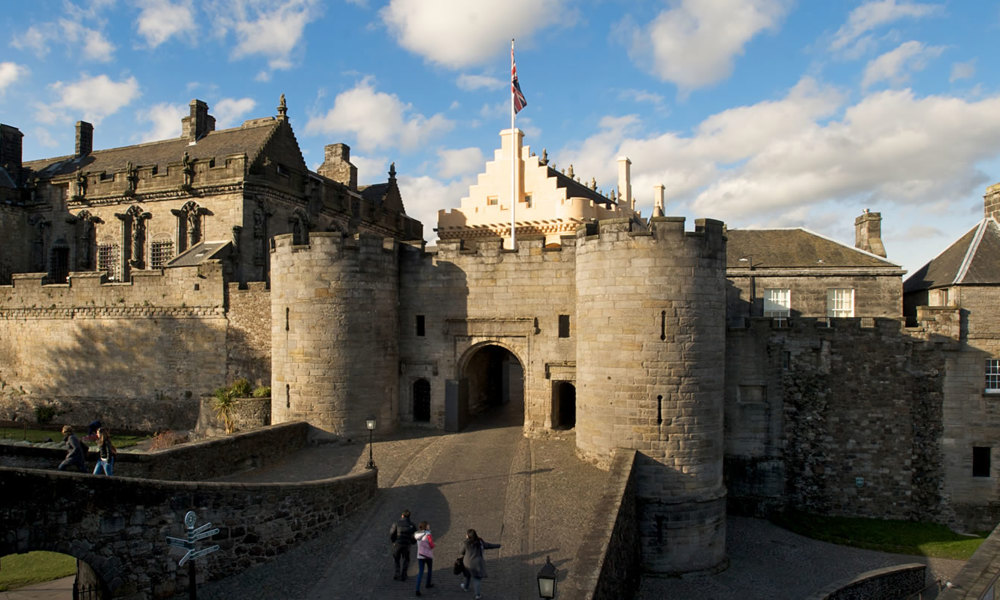
Stirling Castle is one of Scotland’s most significant historic sites and makes a clean day trip or detour because it sits well between Edinburgh and Glasgow. If you want a castle experience without changing your base, this is a smart pick.
How to fit it into your route
- Time to allow:Half-day to full day.
- Best pairing:Edinburgh/Glasgow base days.
- Logistics tip:Entry systems and time slots can change-check official booking guidance before you go.
- Map:Stirling Castle Map
7. Dunnottar Castle (near Stonehaven)
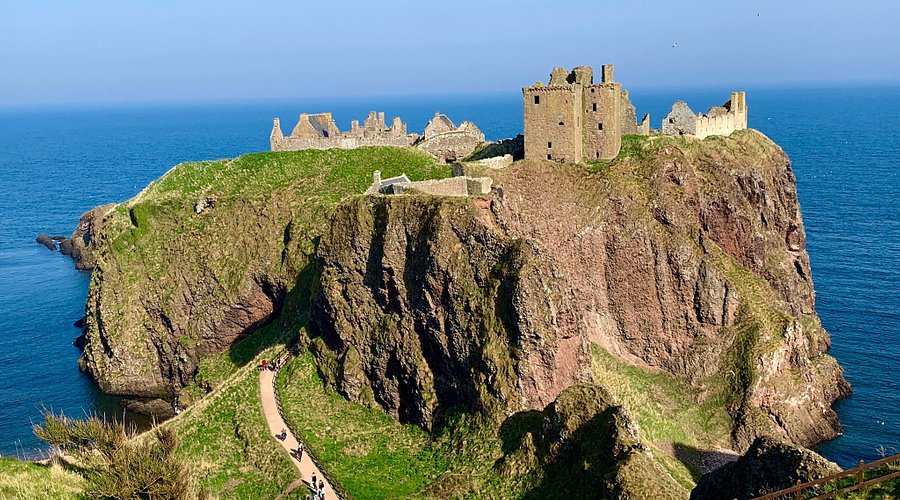
Dunnottar is a dramatic coastal ruin on a rocky headland-high impact for photos and atmosphere. It pairs well with an east-coast drive or an Aberdeen/Stonehaven-based stretch.
How to fit it into your route
- Time to allow:Half-day.
- Best pairing:Aberdeen area, east-coast road routes.
- Logistics tip:Parking can be limited; the site itself encourages public transport or walking from Stonehaven where possible.
- Aberdeen guide:What To See In Aberdeen
8. Eilean Donan Castle
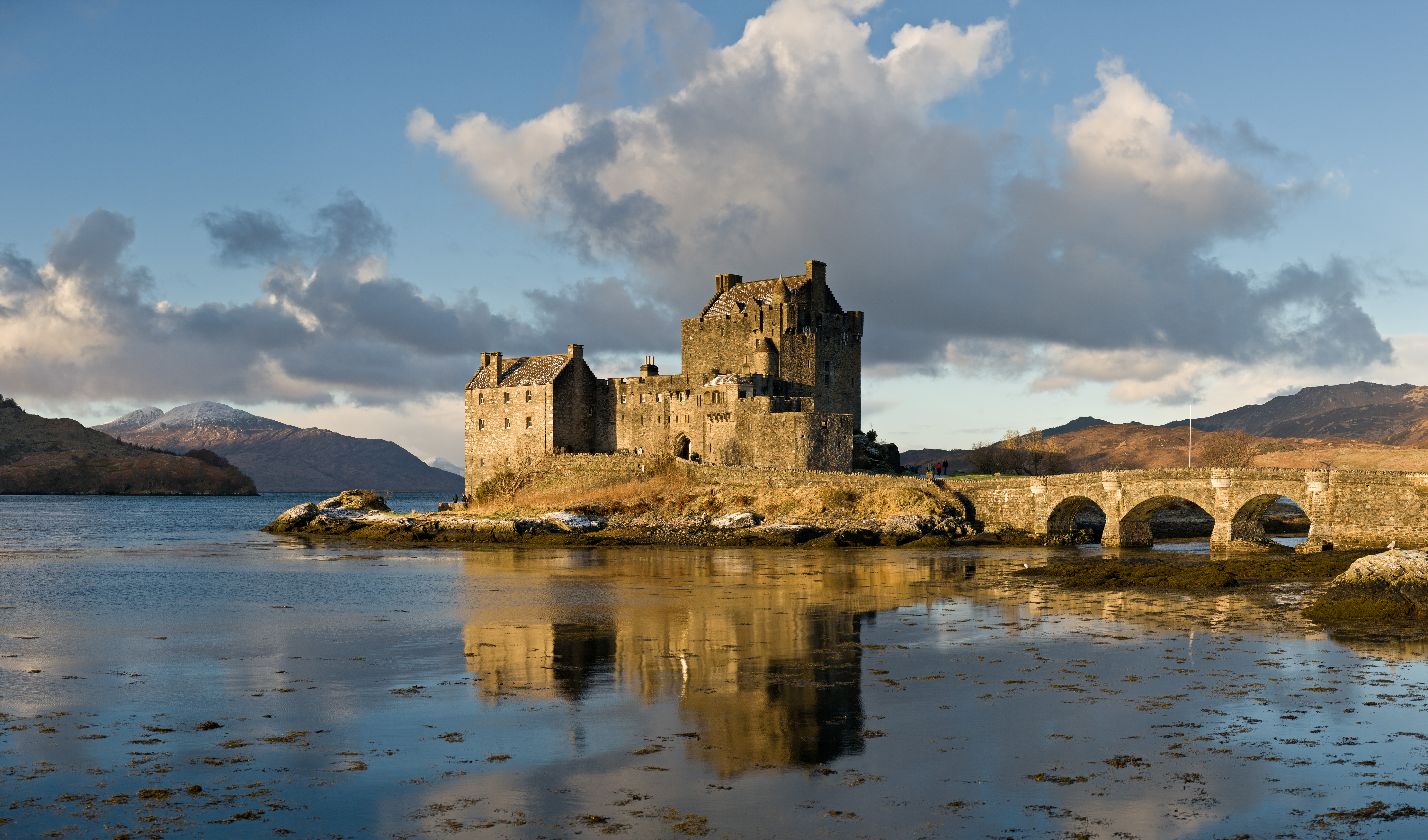
Eilean Donan is one of Scotland’s most iconic “you’ve arrived in the Highlands” moments, positioned where three sea lochs meet-perfect as a stop when heading toward Skye or looping through the west Highlands.
How to fit it into your route
- Time to allow:1-2 hours for a photo stop; half-day if you’re visiting inside.
- Best pairing:Skye route, Kyle of Lochalsh area, west Highlands loop.
- Logistics tip:Treat it as a planned stop on a transfer day-don’t bolt it onto an already packed Skye itinerary.
9. Oban (west Coast)
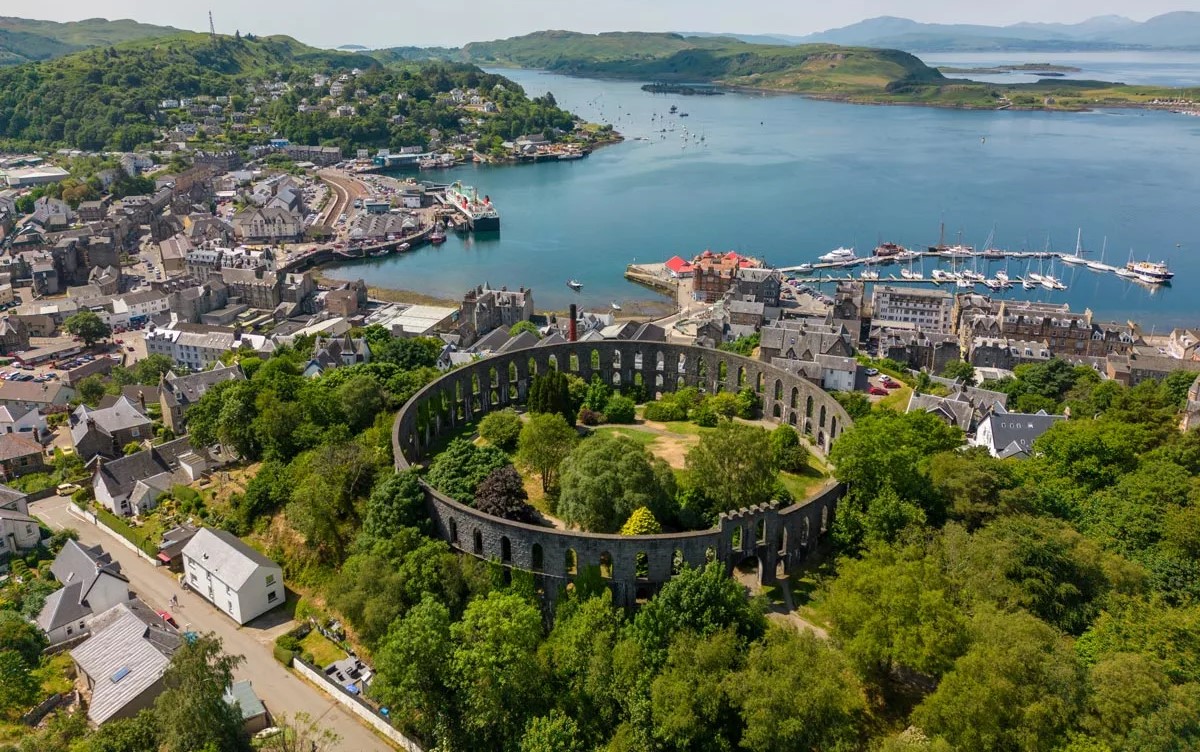
Oban is a practical west-coast base with ferry access and a strong food scene. It’s often used as a gateway for island trips, but it also works well even if you stay on the mainland and do coastal day loops.
How to fit it into your route
- Time to allow:2-3 nights as a base if you’re doing islands or west-coast exploring.
- Best pairing:Mull/Iona modules, coastal drives, seafood stops.
- Logistics tip:If ferries matter to your plan, check sailings early and build buffers.
- Map:Oban Town Centre Map
10. Culzean Castle (Ayrshire)
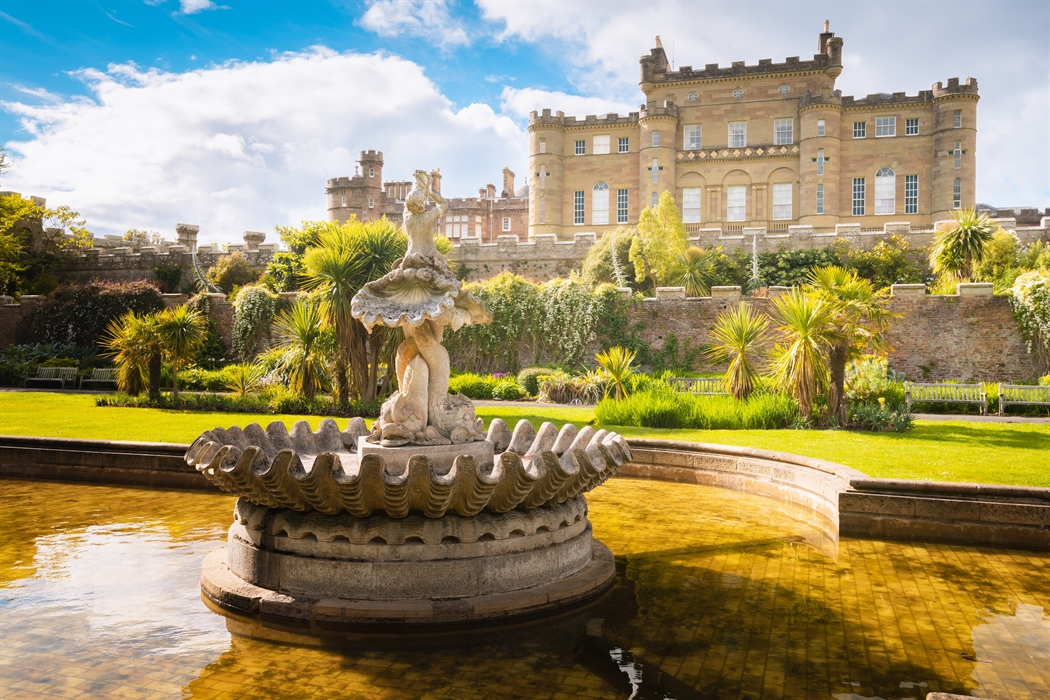
Culzean is a cliff-top castle experience with big grounds-woods, paths, and coastal scenery-so it’s great when you want a full “castle + outdoors” day rather than a quick look.
How to fit it into your route
- Time to allow:Half-day to full day (it’s a park-and-castle combo).
- Best pairing:Southwest loops from Glasgow, Ayrshire/Arran direction.
- Logistics tip:It’s a strong “reset day” choice-less driving, more walking and exploring in one place.
- Map:Map of ayrshire coast
Pick 5-7 famous anchors, then choose 2-3 basesthat connect them cleanly-your itinerary will feel smooth instead of zig-zaggy.
Build Your Route Using Bases, Not Constant Moving
You’ll enjoy Scotland more if you stop changing hotels every night. This section shows a simple way to design routes that feel spacious.
The Base Method (works For Most Trips)
- Choose 2-3 bases(cities + one Highlands base).
- From each base, plan day loops(return to sleep in the same place).
- Move bases only when the scenery and logistics clearly shift (city → Highlands → islands).
Sample Trip Shapes (choose One)
- 7 days:Edinburgh (3) + Highlands base (4)
- 10 days:Edinburgh (3) + Skye area (3) + Inverness (2) + Glasgow (2)
- 14 days:Edinburgh (3) + west Highlands (4) + Skye (3) + Inverness/Cairngorms (3) + Glasgow (1)
A calmer plan isn’t less ambitious-it’s how you actually remember the trip.
Public Transport Planning (when You Don’t Want A Car)
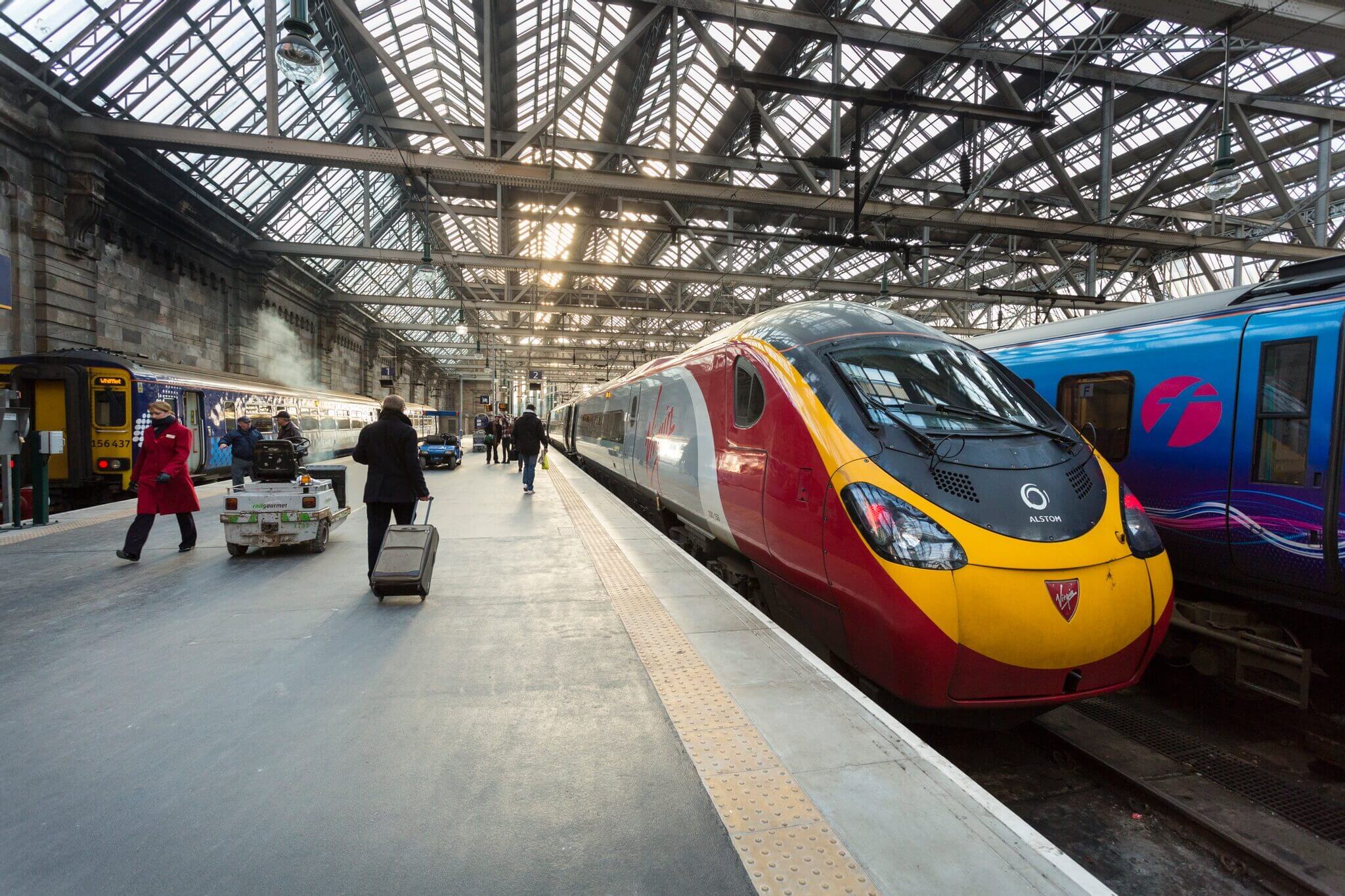
You can travel around Scotlandwithout driving, especially if your route leans toward cities and rail corridors. Start by building your plan around train lines, then “fill the gaps” with buses and tours.
The Tools That Make It Easier
- Traveline Scotlandfor door-to-door public transport journey planning.
- Transport Scotland / Traffic Scotlandfor travel information and connections to public transport resources.
A Realistic Car-free Approach
- Use trains for city-to-city moves.
- Pick one scenic rail routeas an experience day.
- For remote highlights, add a day tourrather than trying to stitch multiple rural buses together.
Public transport works best when you plan Scotland as cities + select rural “modules,”not “every remote stop.”
Driving In Scotland
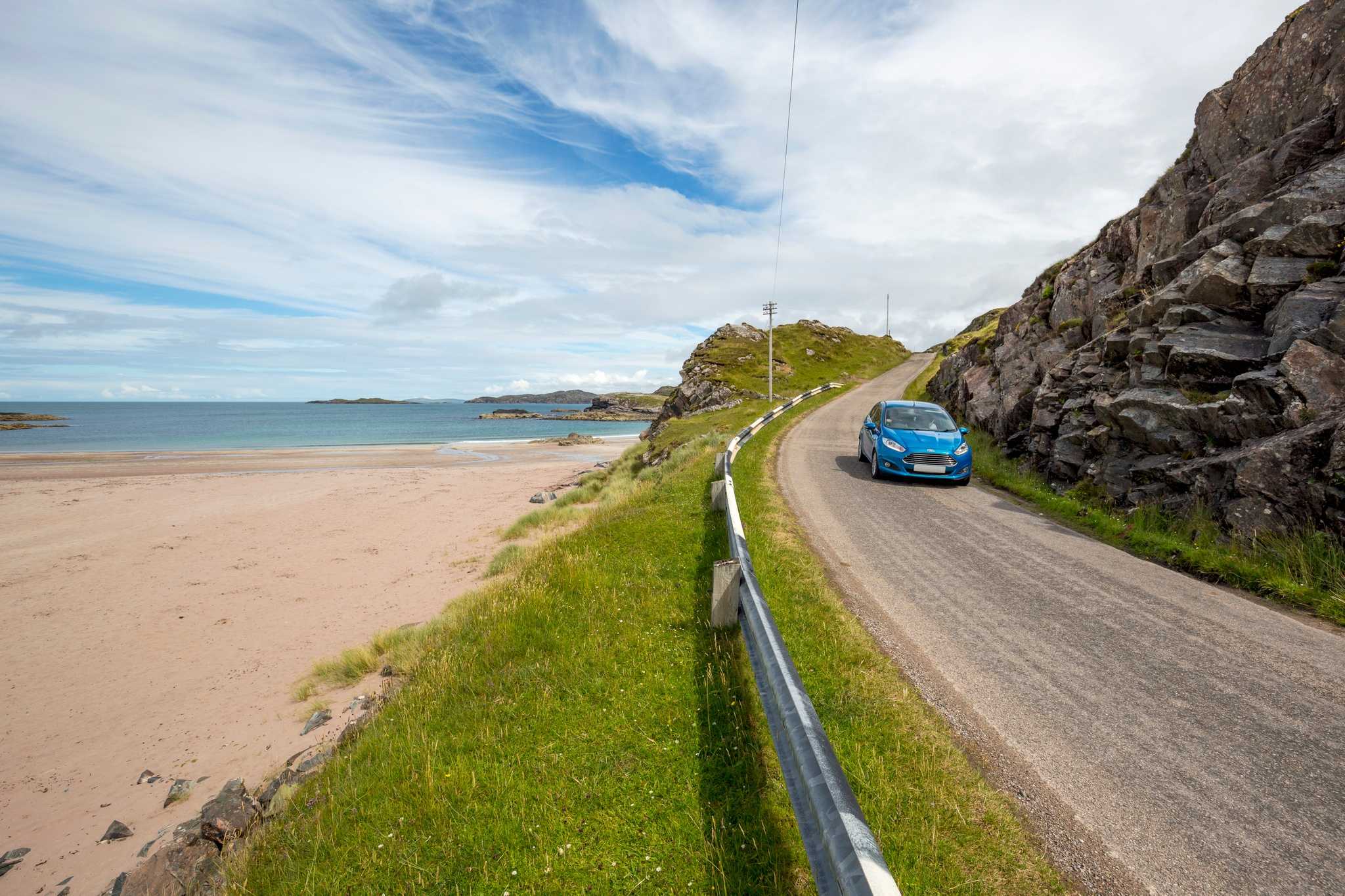
If you choose a car, the goal is freedom-not stress. This section covers the two things that most often trip visitors up.
The Non-negotiables
Road Safety Scotland highlights key differences visitors should expect, including driving on the left, single-track roads, and correct use of passing places.
Single-track basics (quick etiquette)
- Use passing places to let oncoming vehicles pass.
- Don’t park in passing places.
- Be patient-local drivers may need to move through faster for work or school.
A “less Stressful” Driving Rhythm
- Limit long drives to every other daywhen possible.
- Aim to arrive at your stay before darkin rural areas (weather and visibility can change fast).
With the basics handled, a car becomes the best tool for Scotland’s “small roads, big views” days.
Ferries And Islands (book Smart)
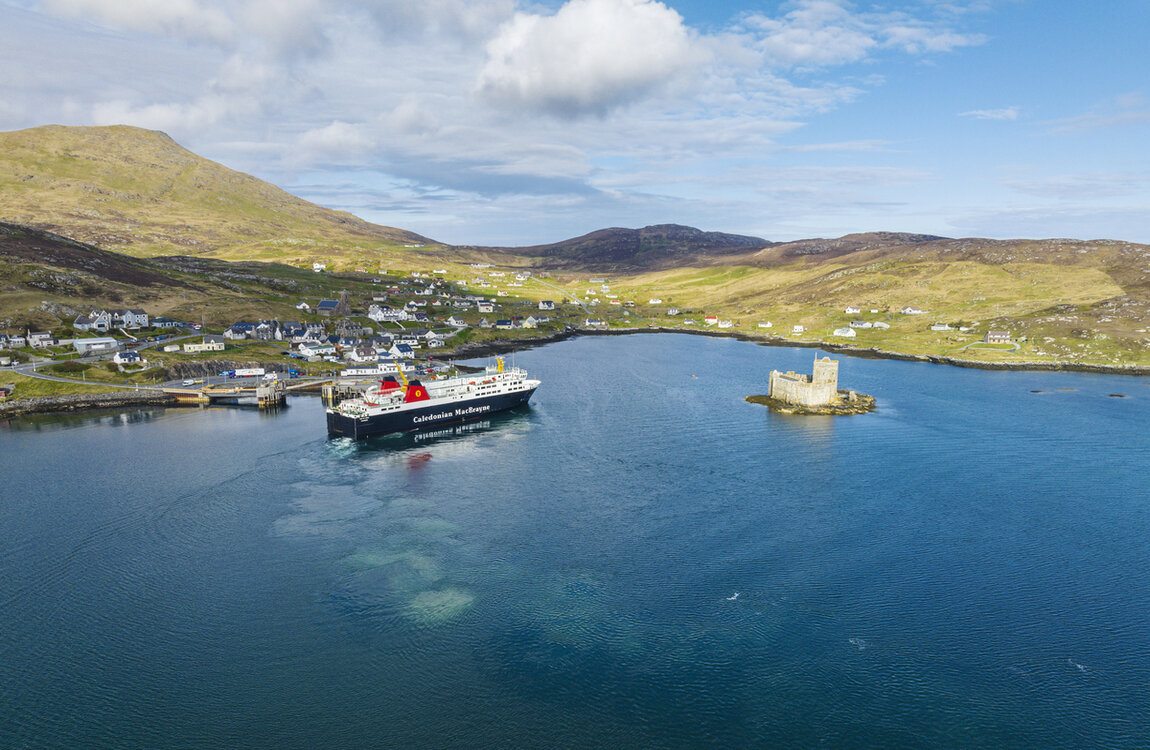
Islands are often the highlight-but ferries add a planning layer. This section helps you avoid the common mistakes.
What To Decide Early
- Are you taking a car onto an island, or going as a foot passenger?
- Is the ferry a quick crossing, or a “travel day” that limits sightseeing?
For west-coast ferries, CalMac’s bookingguidance is the right place to start for tickets, sailings, and vehicle considerations.
Treat island days as fewer stops, more depth-and secure ferry plans early when your route depends on them.
Food, Culture, And Signature Experiences That Fit Your Route
These add-ons are designed to “snap onto” the route you already have-so you’re not driving hours out of your way for one experience.
Whisky Regions + Transport Notes
Scotch Whisky regions are officially grouped as Campbeltown, Highland, Islay, Lowland, and Speyside.
How to fit whisky in without derailing the trip:
- Speyside:Easiest to add if you’re already near Inverness/Aberdeenshire.
- Islay:Best as a dedicated island module (often a 2-3 day add-on).
- Lowland:Works as a short detour from central-belt cities.
Transport note: If nobody wants to be the designated driver, use guided tours or tastings with transport included (common in key whisky hubs).
Castles By Region (easy Detours)
Use castles as “route punctuation”-one major castle per region usually feels right.
- Central (easy from cities):Stirling Castlefor a high-history day trip.
- North/Great Glen:Urquhart Castlepairs naturally with Loch Ness.
- Northeast coast:Dunnottar Castlefor cliffside drama near Stonehaven.
- West Highlands / Skye approach:Eilean Donanas a classic stop en route.
- Southwest:Culzeanas a full “grounds + sea views” day.
Seafood/coastal Towns That Pair With West-coast Routes
If you’re on the west coast, seafood is an easy win. The seafood stops across Scotland, including west-coast options like Oban and Ullapool.
A simple way to plan it:
- Choose one seafood townas a meal anchor (Oban is a common choice and a practical base).
- Add one coastal “shack-style” lunchday if you’ll be near a harbor route.
Hiking Picks By Base (not A Massive Trail Directory)
The easiest hiking plan is “one good walk per base,” matched to your fitness and weather tolerance.
- Cairngorms base:The Cairngorms National ParkAuthority highlights both family-friendly routes and longer heritage-linked walks like the Speyside Way and Deeside Way.
- West Highlands base:The West Highland Way is a major long-distance option (96 miles), but you can also do short sections as day walks.
Safety note: Scotland’s conditions can change quickly-build in a backup “short walk + cafe” option.
Add-ons work best when they’re attached to where you already sleep, not bolted onto the far edge of the map.
Booking Order (so Your Plan Doesn’t Unravel)
A small amount of sequencing prevents most Scotland planning pain.
Booking Checklist (structured And Scannable)
- Lock your bases and dates(the backbone).
- Book accommodationin the hardest-to-book areas first (often islands/Skye).
- Reserve ferriesif they control your route.
- Book popular tours/ticketsyou care about (especially during festival periods).
- Fill the rest with flexible stops and weather-proof options.
Book the “route-critical” pieces first-everything else can stay flexible.
Frequently Asked Questions
What Is The Best Way To Tour Around Scotland?
The best way depends on your route: cities work well by train/bus, while Highlands and islands are usually easier with a car or a hybrid plan.
Is It Easy To Travel Around Scotland?
Yes-especially if you plan around a few bases and use official tools like Traveline Scotland and Transport Scotland for transport and travel info.
How Many Days Do You Need To Travel Around Scotland?
A solid first trip is often 7-10 days with 2-3 bases. More time (10-14 days) adds islands or slower pacing without rushing.
Can You Get Around Scotland Without A Car?
Yes, particularly for Edinburgh/Glasgow and rail-friendly routes. Use Traveline Scotland to connect trains and buses, and add day tours for remote areas.
What Should I Use To Plan Buses And Trains In Scotland?
Traveline Scotland is designed for public transport journey planning across Scotland.
Do I Need To Book Ferries In Advance?
If your route depends on a specific sailing-especially with a vehicle-booking ahead is wise. Start with CalMac’s booking guidance for west-coast routes.
When Is The Edinburgh Fringe?
The Edinburgh Festival Fringe lists 07-31 August 2026.
What Should I Know About Driving On Single-track Roads?
Use passing places correctly, don’t park in them, and expect narrow two-way roads in rural areas. Road Safety Scotland outlines what visitors should know.
Final Thoughts
The most satisfying way to travel around Scotland is the one that matches yourpace: a few strong bases, routes that don’t zig-zag, and transport choices that make the remote days feel easy.
Start by picking your anchors (cities, Highlands, one island if you want it), then attach the add-on modules-castles, whisky, seafood, and hikes-where they naturally fit. Scotland rewards the traveler who leaves space for weather, wandering, and the unexpected view that makes you pull over.
If you want a simple next step: draft your 2-3 bases, list your top 7 places, and choose car/public transport/hybrid from the decision table above-then everything else gets dramatically easier.
Jump to
Travel Around Scotland: Car, Public Transport, Or Hybrid
Choose Your Transport Plan
Best Time To Travel Around Scotland
Famous Places To Visit In Scotland
Build Your Route Using Bases, Not Constant Moving
Public Transport Planning (when You Don’t Want A Car)
Driving In Scotland
Ferries And Islands (book Smart)
Food, Culture, And Signature Experiences That Fit Your Route
Booking Order (so Your Plan Doesn’t Unravel)
Frequently Asked Questions
Final Thoughts

Callum Fraser
Author
Callum Fraser isn't just a writer about Scotland; he's a product of its rugged landscape and rich history. Born and raised in Perthshire, with the Highlands as his backyard, his love for the nation's stories was kindled by local storytellers and long walks through ancient glens.
This passion led him to pursue a degree in Scottish History from the University of Edinburgh. For over 15 years, Callum has dedicated himself to exploring and documenting his homeland, fusing his academic knowledge with essential, on-the-ground experience gained from charting road trips through the Cairngorms, hiking the misty Cuillins of Skye, and uncovering the secrets of traditional recipes in his family's kitchen.
As the Editor-in-Chief and Lead Author for Scotland's Enchanting Kingdom, Callum's mission is simple: to be your most trusted guide. He combines meticulous research with a storyteller's heart to help you discover the authentic magic of Scotland — from its best-kept travel secrets to its most cherished traditional recipes.
Latest Articles
Popular Articles