Plan Your Scottish Vacation - Best Time, Regions, Routes & Booking
Plan your Scottish vacation with a 7-step checklist, 3–14 day itinerary templates, and the 2–3 region rule-plus transport, budget, and booking order.
Author:Callum FraserDec 18, 2025110.8K Shares1.9M Views
How To Plan Your Scottish Vacation: A Simple System That Actually Fits
Plan your Scottish vacationby choosing your trip length, limiting yourself to 2–3 regions, deciding car vs train/tours, building a realistic day-by-day route, then booking accommodations first and experiences second.
In short (Key Takeaways):
- Best first-timer constraint:2–3 regions max in 7–10 days.
- Best Time:May, June, and September (Data as of March 2025: these months offer the lowest rainfall and fewest biting midges).
- Ideal Length:10 days to cover Edinburgh, the Highlands, and one major Isle.
- Transport truth:You don’t need a car in cities; Highlands/islands often benefit from one-but rail + day tours can work.
- Daily pacing rule:1 anchor + 1 scenic leg + 1 flexible experience.
- Book in this order:stays → transport → ferries (if needed) → tours/timed attractions.
- Budget:Estimate £150–£200 ($190–$250) per person, per day for a mid-range experience.
- Time-sensitive checks:UK ETArules/fees and any visitor levyfor your dates (check official guidance).
You don’t need a “perfect” itinerary to have a great Scotland trip-you need a plan that survives real life: short winter days, sudden rain, single-track roads, and the temptation to “just add Skye.”
Below you’ll find the exact steps, itinerary examples for 3–14 days, Scotland vacation tips (mistakes to avoid), a packages-vs-DIY decision, and tight FAQs.
Plan Your Scottish Vacation In 7 Steps
You’ll get a simple system you can finish in one sitting, plus the constraints that prevent most Scotland trips from feeling rushed. Use this as your master checklist.
Step-by-step Trip Builder
- Lock your trip length(3/5/7/10/14 days).
- Pick your travelstyle(city-base, road trip, islands, slow-bases).
- Choose 2–3 regions max(your “map boundary”).
- Decide transport(car vs rail vs tours) before you route.
- Choose a route shape(hub-and-spoke, lollipop, or loop).
- Draft days using the Rule of 3(anchor + scenic leg + experience).
- Book in the right order(stays first), then tighten details.
A Scotland plan that ranks #1 in your memory usually ranks low in complexity-keep the structure simple, then make the days beautiful.
Getting To Scotland
Which Airport Should You Fly Into?
| Fly into | Best for |
| Edinburgh (EDI) | First-time city start + easy onward links for East/central routes. |
| Glasgow (GLA) | West Highlands access and a strong launch point for Glencoe/Oban/Skye routes. |
| Inverness (INV) | Highlands-first trips or an “open-jaw” plan (fly in one city, fly out another). |
| Aberdeen (ABZ) | Northeast focus (Aberdeenshire, coastal castles, Cairngorm access). |
| Glasgow Prestwick (PIK) | Specific low-cost flight routes-only pick if it genuinely improves your itinerary. |
If your route is naturally one-way, fly into Edinburgh/Glasgow and out of Inverness (or vice versa) to remove a backtrack day.
Takeaway:Start your trip where the map makes sense-your airport choice can remove an entire “dead day” later.
On-the-ground Essentials You’ll Be Glad You Knew
This is the stuff that saves time, stress, and “why didn’t anyone tell me?” moments.
- Money reality (Scottish notes):Scottish banknotes are legal currency, but “legal tender” is a technical term-some businesses outside Scotland may refuse Scottish notes.
- Power & adapters:Type G plug (UK standard).
- Public transport planning:Use Traveline Scotland for bus/rail journey planning, and Traffic Scotland for trunk-road conditions.
- Sunday + winter reality note:Some rural attractions, cafés, and ferries run reduced hours in the off-season-build a Plan B anchor each day.
- Emergency & urgent help numbers: 111 = urgent NHS advice (Scotland uses NHS 24)
Takeaway: Handle these basics once, and your whole trip runs smoother.
The “2–3 Regions Max” Rule
This is the single most helpful constraint for first-timers.
Why it works:The best moments are in the in-between-viewpoints, weather pivots, the café you duck into when the sky opens.
What counts as a region:
- Cities (Edinburgh/Glasgow)
- Highlands (Glencoe / Cairngorms / Inverness-area)
- Islands (Skye / Hebrides / Orkney)
Practical rule:In 7–10 days, choose one city anchor + one Highlands module, then add oneextra (Skye oranother island ora bigger scenic drive).
Takeaway: Regions set your boundaries; boundaries protect your enjoyment.
The “Rule Of 3” Day Plan (anchor + Scenic Leg + Experience)
This keeps your itinerary realistic without turning it into a spreadsheet.
- 1 anchor:the “must-do” (castle, hike, museum, boat trip).
- 1 scenic leg:a drive/rail stretch you treat as part of the day, not dead time.
- 1 experience:something flexible (distillery, short coastal walk, food stop).
Common Mistakes To Avoid (fast Scotland Vacation Tips):
- Trying to “collect” Skye, Glencoe, Loch Ness, NC500, and two cities in 7 days.
- Changing accommodations every night (packing becomes your main activity).
- Planning three major anchors in one day (you’ll drop one-and feel bad about it).
- Leaving documents/entry checks to the last minute (easy fix: verify early on GOV.UK).
With pacing solved, your next lever is timing-Scotland changes a lot by season and daylight.
How Many Days Do You Need For A Scotland Trip?
A common mistake is trying to see the Highlands, the Lowlands, and the Islands in under a week. To truly experience the landscape rather than just driving past it, align your timeframe with these realistic goals:
- 5 Days: Best for a fast-paced "highlights" trip focusing on Edinburghand one Highland location like Glencoe.
- 7–10 Days:The "Perfect First Trip" balance. This allows for two cities, the Highlands, and at least one major Isle.
- 14+ Days:Ideal for slow travel, deep exploration of the Outer Hebrides, or completing the full North Coast 500 route.
Ten days is the "sweet spot" for most travelers. It provides a necessary cushion for weather delays-which are inevitable-ensuring you aren't rushing through ancient sites in the rain.
Once you have your timeframe settled, your next step is choosing the specific month that fits your tolerance for weather and crowds.
Best Time To Visit Scotland
Before anything else: Scotland’s weather is changeable. Planning for “likely conditions” is smarter than planning for “perfect conditions.” For trip-planning baselines, VisitScotland’s seasonal guidance and tips are a reliable starting point.
Season Cheat Sheet (what Changes, What Stays Open)
Use this to pick a window quickly.
- Spring:longer days return; often fewer crowds than peak summer.
- Summer:longest daylight and lots of events; also the busiest for popular routes.
- Autumn:shoulder-season value; daylight shortens; landscapes can be dramatic.
- Winter:cities are easiest; some rural services can be reduced.
Weather reality (example baseline):If you want a concrete reference point, the UK Met Officepublishes location-specific long-term averages(useful for “what’s typical,” not “what will happen”). Data as of the published climate period shown on the Met Office page (check the latest station data).
What Is The Best Month To Visit Scotland?
| May/June | Best for "Munro bagging" (hiking) and puffin watching. |
| August | Best for festivals, but highest prices and peak crowds. |
| September | Best for autumn colors and fewer insects. |
| October-March | Best for Northern Lights and cozy fires, but many rural attractions close. |
“If You Hate Crowds / If You Hate Rain / If You Love Festivals” Selectors
Pick the best tradeoff for you:
- If you hate crowds:aim for shoulder periods; choose hub-and-spoke bases so you can pivot if a hotspot feels packed.
- If you hate rain (or at least hate being wet):build your days with indoor “anchors” you can swap in, and pack properly (we’ll do that later).
- If you love festivals/long evenings:prioritize summer daylight; book accommodations earlier in high-demand areas.
Transition takeaway:When you know your season, you can choose regions that actually fit your daylight and energy.
For More Details: Best Time To Visit Scotland
Where Should You Go? Pick Your Scotland Regions
You’ll build your trip like LEGO: pick modules that fit your time, then connect them with a route shape that minimizes backtracking.
City Anchors: Edinburgh Vs Glasgow (and How Many Nights)
Choose a city anchor that matches your interests and reduces transit stress.
- Edinburgh:compact, walkable, classic skyline feel. Great if you like historic streets and easy day trips.
- Glasgow:bigger-city energy, museums/music, excellent base for westward routes.
How many nights (beginner-friendly):
- 2 nightsis enough for a first taste.
- 3 nightsif you want one full day trip without feeling rushed.
If you have 7 days total and you’re adding the Highlands, don’t do both citiesunless you truly prefer city time over scenery time.
Transition takeaway:Once your city anchor is set, choose one Highlands module that matches your pace and transport.
Highlands Modules: Glencoe / Cairngorms / Inverness-area
Pick a Highlands “home base” that makes day planning simple.
- Glencoe / Fort William area:dramatic landscapes, big “wow” factor.
- Cairngorms (Aviemore area):outdoor options and a strong base-town setup.
- Inverness-area:a practical hub for multiple directions, useful for first-timers.
How to choose
| Your priority | Choose this Highlands module |
| Big scenery and short, powerful drives | Glencoe / west Highlands |
| Outdoor variety + base-town convenience | Cairngorms |
| Hub that keeps options open | Inverness-area |
A Highlands base works best when you commit to it. If you change hotels every night, the Highlands can feel like a moving walkway.
Islands are incredible-but they add ferry logic and time. Choose them intentionally.
Islands Modules: Skye / Hebrides / Orkney (time + Ferry Reality)
Decide if islands belong in your trip withoutbreaking your schedule.
- Skye:dramatic landscapes, very popular. Works best with 2+ nights.
- Hebrides:deeper island immersion, more ferry dependency.
- Orkney:rich history and distinct feel; requires more “getting there” planning.
Pre-booking is recommended on many routes, and “multi-island” planning helps you think in connections, not just destinations.
Transition takeaway:With regions chosen, transport becomes your main constraint-and your biggest stress reducer.
Where Should You Stay?
- Edinburgh – Old Town:Walkable classics (Royal Mile vibe) + best if you don’t mind crowds.
- Edinburgh – New Town:Quieter elegance + easier access to transport links.
- Edinburgh – Leith:Strong food scene + a slightly calmer feel for evenings.
- Glasgow – West End:Museums/parks + a relaxed base with great cafés.
- Glasgow – City Centre:Fast rail access + convenience for early departures.
- Fort William / Glencoe area:West Highlands scenery + short drives to big “wow” landscapes.
- Aviemore (Cairngorms):Base-town convenience + outdoor variety without constant relocation.
- Inverness:Hub logic (multiple day-trip directions) + easier services.
- Skye – Portree:Most central base for common Skye routes (book early).
- Skye – Broadford:Often simpler logistics + good if you’re doing Skye “in/out” from the mainland.
Takeaway:Good bases make Scotland feel effortless; poor bases make it feel like constant transit.
Decide How You’ll Get Around (car Vs Train Vs Tours)
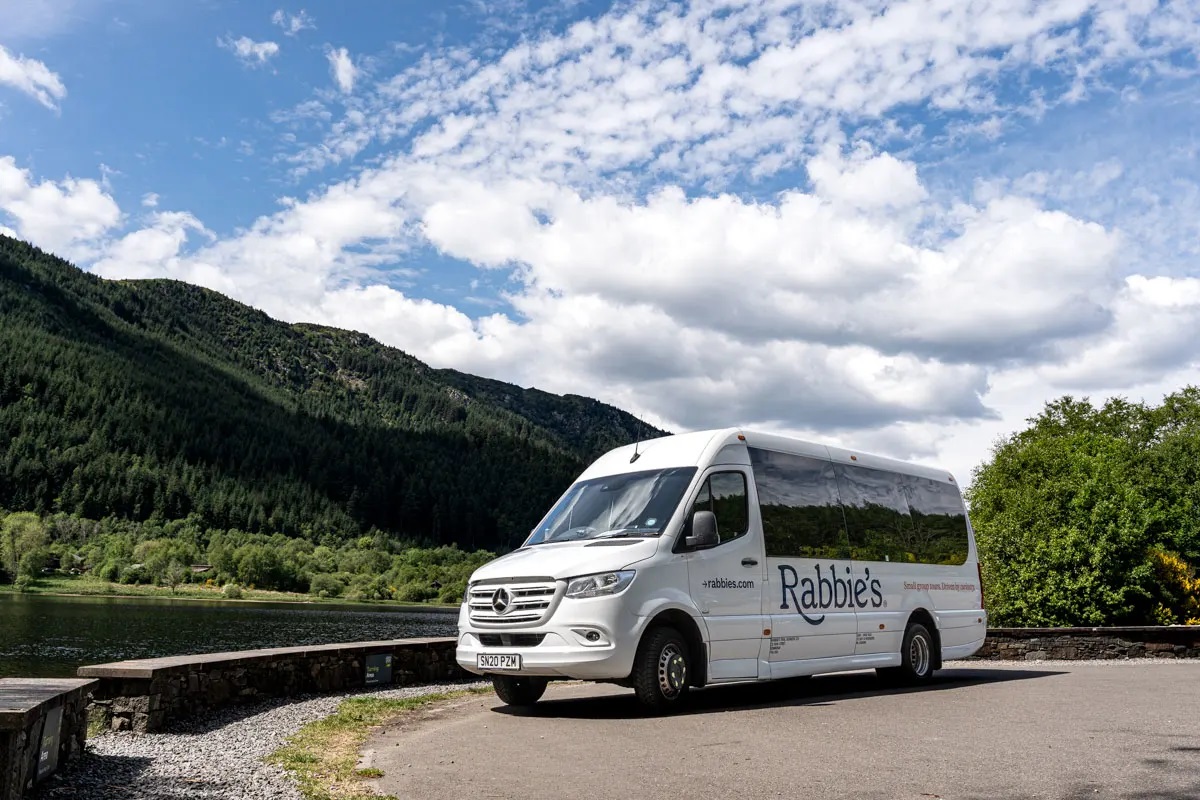
You’ll choose the transport style that fits your confidence, budget, and route-and avoid the classic mistake of building a “car itinerary” for a rail trip (or vice versa).
Driving In Scotland
Knowing the logistical constraints of the Scottish road network is the difference between a scenic drive and a stressful ordeal.
Road Safety Scotland provides tourist-focused guidance on driving on the left and managing rural hazards.
- The Automatic Transmission Trap:Most rental fleets in Scotland are manual. If you cannot drive stick, you must book your vehicle 6–9 months in advance. By the 3-month mark, automatics are often sold out or priced at a 200% premium.
- Single-Track Road Etiquette:In the Highlands, you will encounter single-track lanes with "passing places." If the passing place is on your left, pull in; if it's on your right, wait opposite it. Never block these spots for photos-locals and emergency services depend on them.
- The Parking "Time-Tax":At hotspots like the Old Man of Storr or Glencoe, parking now fills up by 9:00 AM in peak season. Plan "early-in, early-out" days to avoid losing hours searching for a legal space.
If you’re nervous about driving on the left or on narrow roads, a hybrid plan (rail + day tours, or rail + short car segment) often delivers the same scenery with less stress. (Use official road safety guidance to decide.)
Also Check Out: Scottish Highland Adventure Tours
City driving “gotcha” to check early:Scotland has Low Emission Zones (LEZ). Edinburgh started issuing fines from 1 June 2024, and Glasgow’s city-centre LEZ requires compliant vehicles.
Train-first Scotland (passes, Best Rail Corridors)
Rail travel is the most sustainable and stress-free way to see the "Big Scenery" routes. For the best value, use the Spirit of Scotland Travel Pass (starting from £155; Data as of Dec 2025).
- The West Highland Line: Consistently voted the world’s most beautiful rail journey, connecting Glasgow to Mallaig.
- Hub-and-Spoke Rail Strategy: Base yourself in Invernessor Stirling. Use the rail lines to reach town centers, then book targeted "Day Tours" (like Rabbie’s or Timberbush) to reach remote glens and lochs that trains can't access.
Takeaway:Rail-first planning is simplest when you treat hubs like anchors and remote highlights like day missions.
Buses And Coaches (the Missing Link In Rail-first Itineraries)
If you’re not driving, buses often bridge the last-mile gap-especially for smaller towns and trailheads. Traveline Scotland is the national journey planner for public transport, and Transport Scotland points road users to Traffic Scotland + Traveline for live planning.
Ferries And Island Hopping Basics
Ferries set your clock. Plan around them like you would flights.
Use CalMac’s island hopping resourcesfor route ideas and to understand how multi-journey travel is structured.
Ferry rules that save trips:
- Build the day around the sailing time.
- Don’t stack islands with tight turnarounds in a short trip.
- Add a buffer day if islands are the trip’s centerpiece.
Takeaway:With transport decided, you can now choose an itinerary template that actually fits.
Scotland Itineraries That Actually Fit (3 / 5 / 7 / 10 / 14 Days)
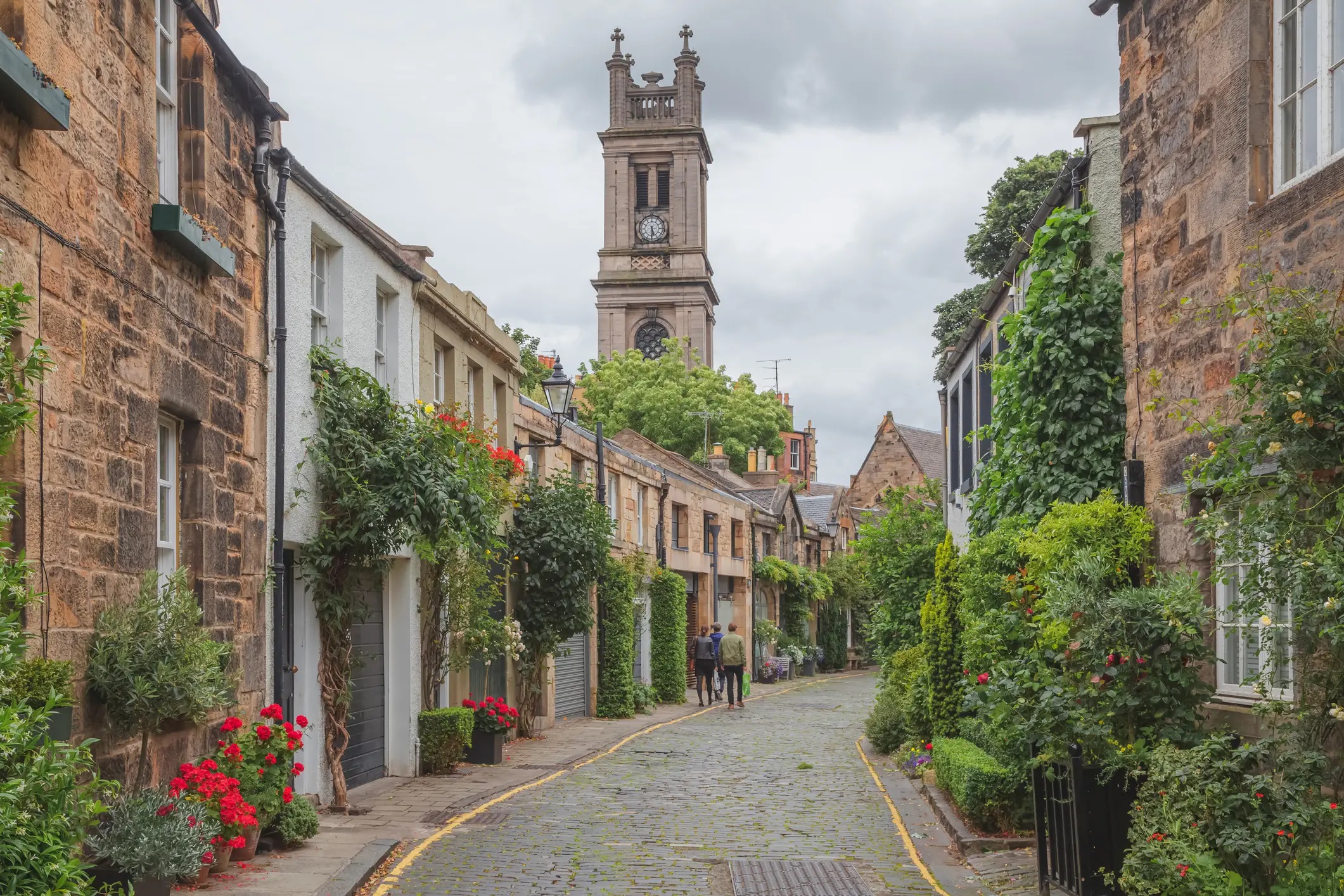
You’ll get templates for the most common trip lengths-modular enough to customize, structured enough to keep you from overloading.
3-day “Edinburgh + Day Trip” Starter
Structure
- Day 1:City anchor + evening viewpoint.
- Day 2:One day trip (Highlands taste, coast, or a historic town).
- Day 3:City flex day + one experience.
Three days is a city-base trip-make it deep, not far.
5-day “Cities + One Highlands Base”
Structure
- Nights 1–2:Edinburgh orGlasgow.
- Nights 3–5:One Highlands base (Glencoe, Cairngorms, or Inverness-area).
Pacing tip:One longer scenic leg per day is plenty.
Takeaway:Five days is “city + Highlands base”-keep the module count low.
7-day “Classic Loop (with Pacing Choices)”
Option A (most forgiving):city + Highlands base + return
- 2 nights city
- 3 nights Highlands base
- 2 nights near departure city (or one scenic stop + one city)
Option B (Skye version):only if you commit
- 2 nights city
- 2 nights Highlands
- 2 nights Skye
- 1 night near departure city
Takeaway:Seven days rewards the 2–3 region rule-break it and the trip breaks first.
10-day “Add Skye Or Slow Highlands-pick One”
Choose oneadd-on:
- Skye focus (more hikes, more weather flexibility)
- Slow Highlands (two bases max, deeper exploring)
- One island module (ferry-first planning)
Takeaway:Ten days feels generous when you add one major module, not three.
14-day “Islands + Rest Days + Weather Buffers”
Structure
- 3–4 bases total
- 1–2 buffer days (swapable for weather/energy)
- one island module if desired
Takeaway:Two weeks is the sweet spot for “see a lot, still feel calm”-if you protect buffer days.
Plug-in Day Trip Examples (so Your Templates Become Real Days)
Use these as “experience” options inside your Rule of 3 day plan-don’t add them unless they fit your pacing.
- From Edinburgh:one coastal/heritage day + one nature/viewpoint day (choose based on weather).
- From Glasgow:one west-coast scenery day + one culture/museum day (easy swaps if it rains).
- From Inverness:one loch/valley day + one coastal day (don’t try to do both “far” directions at once).
- From Fort William/Glencoe:one big-glens day + one short hike/visitor centre day (keep drive time down).
- From Aviemore:one Cairngorms outdoor day + one relaxed town-and-views day (perfect for shoulder seasons).
If you want a menu of options to plug in, browse our “scottish attractions” and only pick what matches your base and transport.
Budget Your Scotland Trip
How Much Does A Scotland Vacation Cost?
Budgeting for Scotland requires accounting for more than just a hotel room; fuel and ferry costs are significant variables. While city museums are often free, the Highlands require a vehicle or tours, which will be your largest expense.
- Budget (£70–£90 per day):Best for those using hostels or wild camping and dining via supermarkets or basic pub grub.
- Mid-Range (£150–£200 per day):The standard for most travelers. Includes comfortable B&Bs or guesthouses and meals at local bistros.
- Luxury (£400+ per day):Focuses on castle hotels, high-end lodges, and fine dining experiences.
Fuel price note (make this accurate for your travel month): pump prices fluctuate-use the UK’s official weekly road fuel prices as your baseline.
If island hopping, car-and-passenger ferry tickets can add £100+ to your total (route-dependent).
Historic site pass reality check: if you’re considering the Historic Environment Scotland Explorer Pass, plan ahead-passes are limited and often sell out a week or more in advance.
The Big Three Costs (lodging, Transport, Food) And How To Estimate
- Lodging(largest swing)
- Transport(car vs rail/tours)
- Food + experiences
If you’re considering rail passes, ScotRail lists the Spirit of Scotland pass from £155. Data as of Dec 2025 (check latest).
Save Vs Splurge Ideas By Travel Style
Save
- Fewer hotel changes (less wasted time and money).
- Shoulder-season travel where feasible.
- One “signature” paid experience instead of many small ones.
Splurge
- A Highlands stay that reduces driving (you gain time back).
- One guided day that removes logistics stress.
- A memorable meal in your city anchor.
Scotland Vacation Packages Vs DIY Cost Logic (who Wins When)
If you’re shopping Scotland vacation packages, this is your quick decision tool.
| If you want | Best Fit |
| Total flexibility | DIY |
| Lowest planning effort | Scotland vacation packages |
| Multi-stop logistics handled | Scotland vacation packages |
| Custom pacing (rest days, buffers) | DIY (packages vary) |
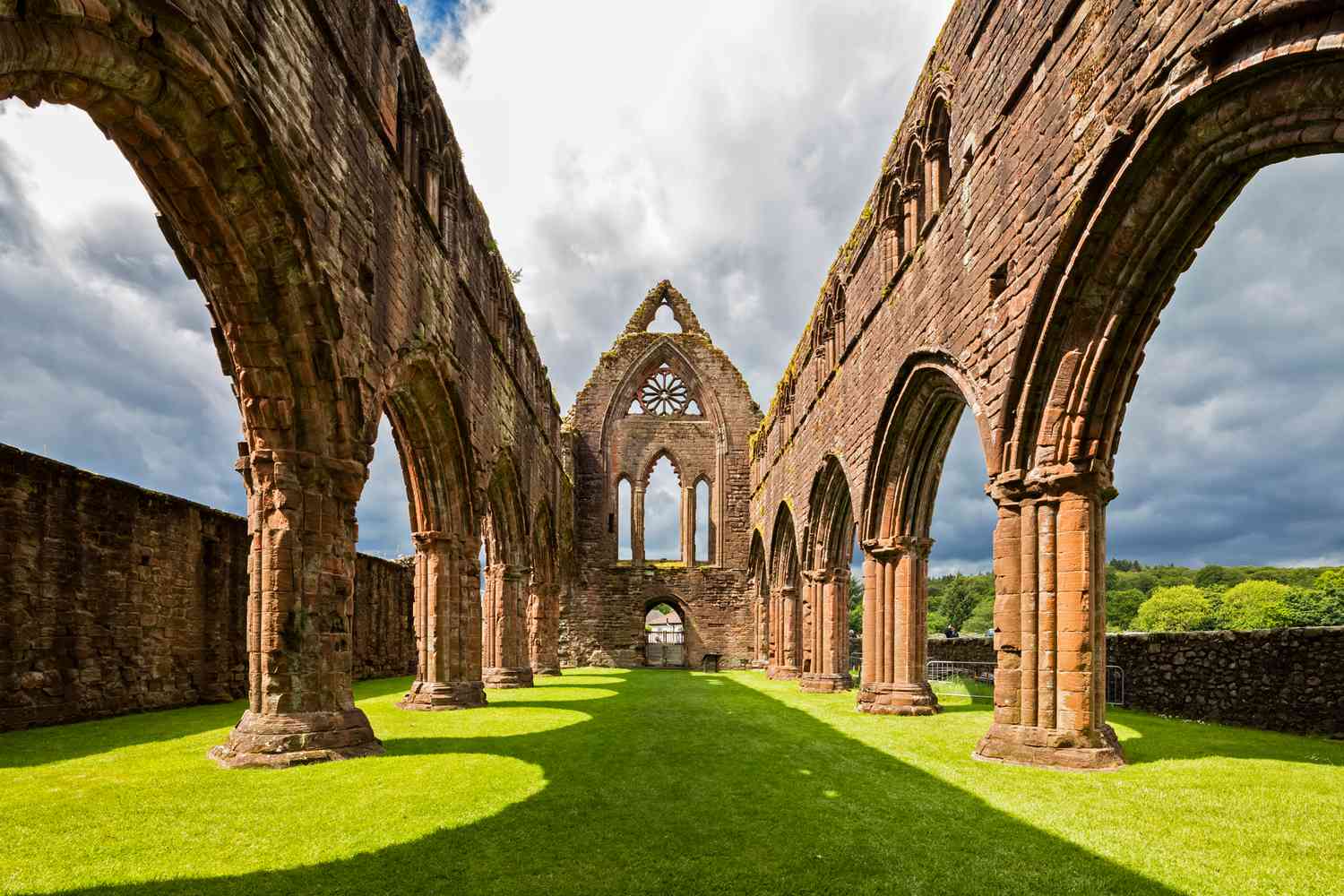
Bookings & Logistics
You’ll get a quick, official-source-backed checklist for documents and fees, plus a booking timeline that reduces stress.
UK ETA + Entry Checklist
Starting February 25, 2026, all visa-exempt travelers (including those from the US, Canada, and Australia) must have a valid UK ETA before boarding their flight. It costs £16 and is valid for two years.
Visitor Levies/taxes To Watch
Scotland now has enabling legislation that allows local authorities to charge a visitor levy on overnight stays-so rules can vary by council.
If your stay includes Edinburgh on or after July 24, 2026, a 5%visitor levy will be added to your accommodation cost (capped at 5 nights). This is handled by your hotel/host, but you should factor it into your final budget.
Booking Timeline (what To Lock Early Vs Later)
Use this as a prioritized planning timeline (adjust based on season and flexibility):
- 9+ months out:lock Edinburgh stays if traveling during major peak-demand periods; finalize your route shape.
- 6+ months out:secure car hire (especially if you need an automatic) and high-demand island bases (e.g., Skye hubs).
- 3 months out:book key ferries and “must-do” tours if your route depends on them.
- 2 Months Out:Book the Jacobite Steam Train(Hogwarts Express) if you insist on the vintage experience; otherwise, a standard ScotRail ticket on the same line is 1/4 of the price and requires no advance booking.
- 1 month out:reserve special restaurants and timed experiences in smaller towns.
Once logistics are secured, packing becomes your last high-leverage move-because comfort decides how long you’ll stay out in the weather.
Pack Like You Mean It
You’ll build a small, high-impact packing system that keeps you warm, dry, and happy-without overpacking.
Core Capsule Packing List + Footwear Logic
- Waterproof shell with hood
- Warm mid-layer (fleece or wool)
- Breathable base layers
- Comfortable walking shoes (already broken in)
- Daypack + refillable bottle
- Power bank + universal adapter
- Small dry bag (helpful for rain/ferries)
Takeaway:If your shell and shoes work, most Scotland days work.
Weather-proofing Your Days (micro-adjustments)
- Put indoor anchors near days that might turn wet.
- Start earlier when daylight is short; keep afternoons flexible.
- If you’ll be in midge/tick-prone areas, use VisitScotland’s guidance (midges + ticks) and NHS inform’s tick-bite advice.
Takeaway:A flexible day plan beats a perfect forecast.
Travel Responsibly (and Have A Better Trip)
You’ll get practical habits that reduce friction with communities and protect the landscapes you came for.
VisitScotland’s responsible tourism guidance is a solid reference for sustainable travel choices.
Practical Responsible Tourism Habits
- Stay longer in fewer places.
- Leave no trace on trails and viewpoints.
- Support local businesseswhere possible.
Highlands/islands Etiquette (parking, Passing Places, Local Impact)
- Don’t block passing places; use them properly.
- Park legally (small roads need to stay usable).
- Build buffer time for ferries and island logistics.
If you want more inspiration after your itinerary is stable, browse things to see and do in scotlandand plug in only what fits your pacing rules.
Frequently Asked Questions
How Many Days Do You Need To Visit Scotland?
7–10 dayscovers a city anchor plus the Highlands. 10–14 daysadds islands or slower pacing with buffers.
What Is The Best Month To Vacation In Scotland?
There’s no single best month. Pick based on priorities: daylight and events vs crowds and value. VisitScotland’s seasonal guidance helps you decide.
How Much Does It Cost For A Scotland Trip?
Costs vary by season, lodging style, and transport. Price accommodations + transport first, then add food and experiences using a simple calculator.
What Is The Prettiest Place In Scotland To Visit?
Many first-timers love a Highlands module (Glencoe/Cairngorms/Inverness-area) plus one add-on. Choose one “wild” region and give it time.
How To Plan Your Own Scotland Trip?
Pick trip length → choose 2–3 regions max→ decide car vs rail/tours → draft days using 1 anchor + 1 scenic leg + 1 experience→ book stays first.
What Is The Best Way To See Scotland For The First Time?
A city anchor (Edinburgh or Glasgow) plus a Highlands base is the simplest first structure. Add Skye only if you can give it enough nights.
Do I Need A Car In Scotland?
Not for cities. For Highlands and islands, a car adds flexibility, but rail + day tours can work depending on your route.
Can You Tour Scotland Without A Car?
Yes-build around rail-connected hubs, then use day tours for remote highlights. Rail passes can help on some routes.
How Far In Advance Should I Book Scotland?
Book accommodations earlier in peak periods and high-demand regions; then transport, ferries, and timed tours.
What Should I Pack For Scotland?
Layers, a waterproof shell, and reliable shoes matter most. Pack to stay warm and dry, not to match one forecast.
Is The North Coast 500 Worth It?
It’s worth it if you enjoy scenic driving and slow pacing. It’s not ideal for short trips or if you dislike single-track roads.
How Many Bases Should I Use On A Scotland Trip?
Fewer is better: 2–3 basesin a 7–10 day trip usually prevents constant repacking and reduces transit fatigue.
Do I Need An ETA To Visit Scotland?
Many visa-exempt visitors need a UK ETA. GOV.UK lists the fee as £16. Data as of Dec 2025 (check latest official guidance).
Is There A Tourist Tax In Scotland?
Scotland has enabling legislation for visitor levies, and Edinburgh has announced a levy for stays on/after 24 July 2026. Data as of Dec 2025 (check latest official guidance).
How Do I Handle Single-track Roads In The Highlands?
Drive patiently, use passing places correctly, and plan fewer miles per day. Road Safety Scotland’s tourist guidance covers this.
Quick Recap
Keep it simple: choose your trip length, pick 2–3 regions max, decide transport early, and build days with one anchor, one scenic leg, and one flexible experience. Book accommodations first, then fill in the fun.
If you’d like, reply with your trip length, arrival city/airport, car yes/no, and must-sees, and I’ll map you to the best module combination using the same structure.
Jump to
How To Plan Your Scottish Vacation: A Simple System That Actually Fits
Plan Your Scottish Vacation In 7 Steps
Getting To Scotland
On-the-ground Essentials You’ll Be Glad You Knew
How Many Days Do You Need For A Scotland Trip?
Best Time To Visit Scotland
Where Should You Go? Pick Your Scotland Regions
Where Should You Stay?
Decide How You’ll Get Around (car Vs Train Vs Tours)
Scotland Itineraries That Actually Fit (3 / 5 / 7 / 10 / 14 Days)
Budget Your Scotland Trip
Scotland Vacation Packages Vs DIY Cost Logic (who Wins When)
Bookings & Logistics
Pack Like You Mean It
Travel Responsibly (and Have A Better Trip)
Frequently Asked Questions
Quick Recap

Callum Fraser
Author
Callum Fraser isn't just a writer about Scotland; he's a product of its rugged landscape and rich history. Born and raised in Perthshire, with the Highlands as his backyard, his love for the nation's stories was kindled by local storytellers and long walks through ancient glens.
This passion led him to pursue a degree in Scottish History from the University of Edinburgh. For over 15 years, Callum has dedicated himself to exploring and documenting his homeland, fusing his academic knowledge with essential, on-the-ground experience gained from charting road trips through the Cairngorms, hiking the misty Cuillins of Skye, and uncovering the secrets of traditional recipes in his family's kitchen.
As the Editor-in-Chief and Lead Author for Scotland's Enchanting Kingdom, Callum's mission is simple: to be your most trusted guide. He combines meticulous research with a storyteller's heart to help you discover the authentic magic of Scotland — from its best-kept travel secrets to its most cherished traditional recipes.
Latest Articles
Popular Articles