60 Famous Scottish People: Scots Who Changed The World
A curated list of 60 famous Scottish people across history, science, literature, film, music and sport. Each profile highlights their achievements and the impact these Scots still have on the modern world.
Author:Callum FraserDec 04, 202564 Shares64.1K Views
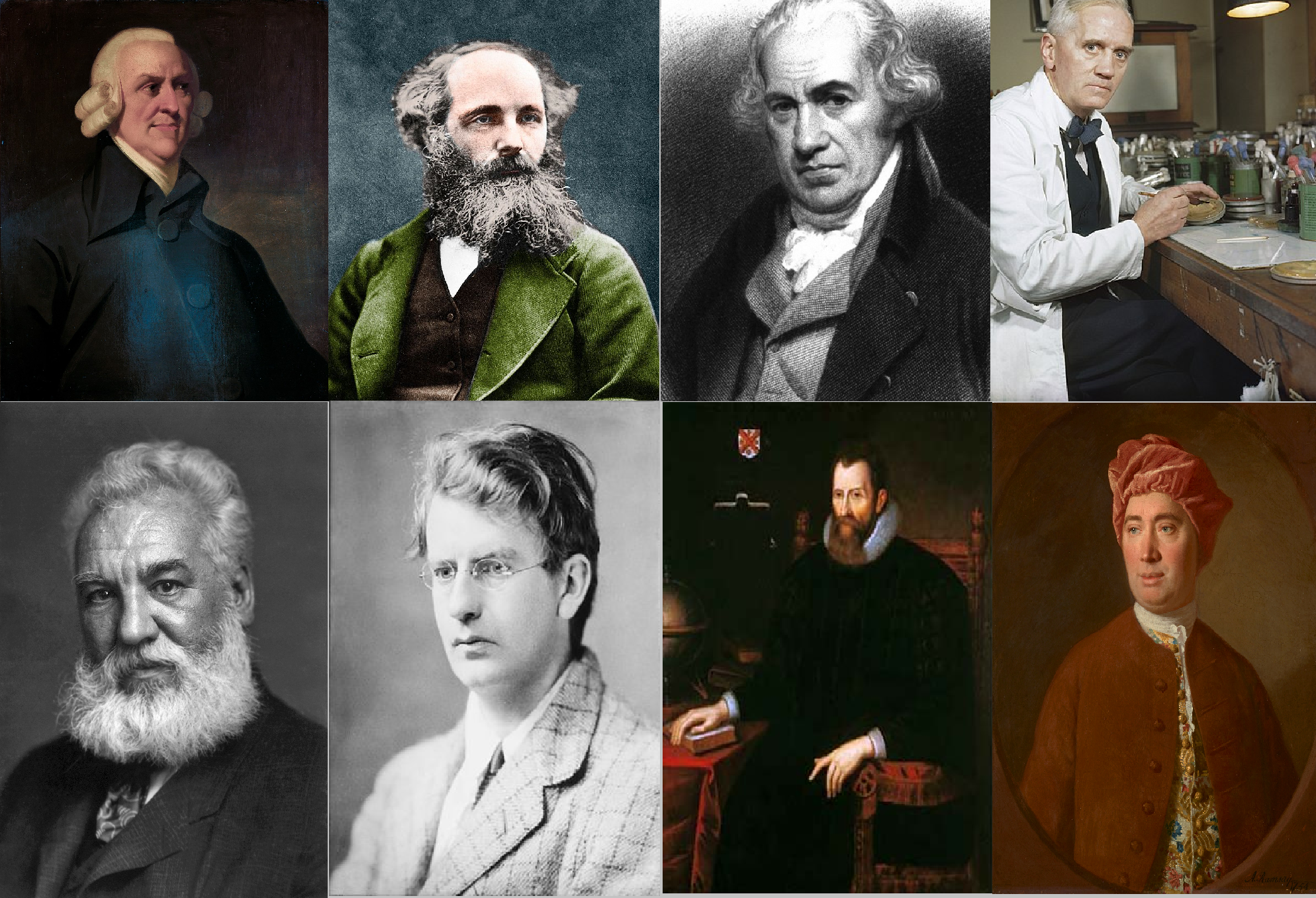
Famous Scottish People: The Ultimate List Of Actors, Heroes & Innovators
Scotland. For many people, the name conjures images of rugged Highlands, ancient castles, whisky and tartan. But to truly understand Scotland’s place on the world stage, you have to look beyond the scenery and focus on the intellectual, artistic and revolutionary power of its people.
The influence of some of the greatest Scots is not merely historical trivia. It underpins much of modern life, from the economic theories that govern our markets to the scientific breakthroughs that have saved millions of lives.
Below, I have compiled a carefully researched list of 60 famous Scottish peoplefrom history, science, literature, film, music, sport and other fields. For each name, you will find a clear summary of who they were, what they achieved and how their work still shapes Scotland’s identity and the modern world we live in today.
Famous Scots In History: Icons Of Scotland
This category includes the monarchs, political figures, legendary heroes, and military leaders-the most impactful of the famous scots in history-who shaped the Scottish nation's identity and governance.
1. William Wallace (1270–1305)
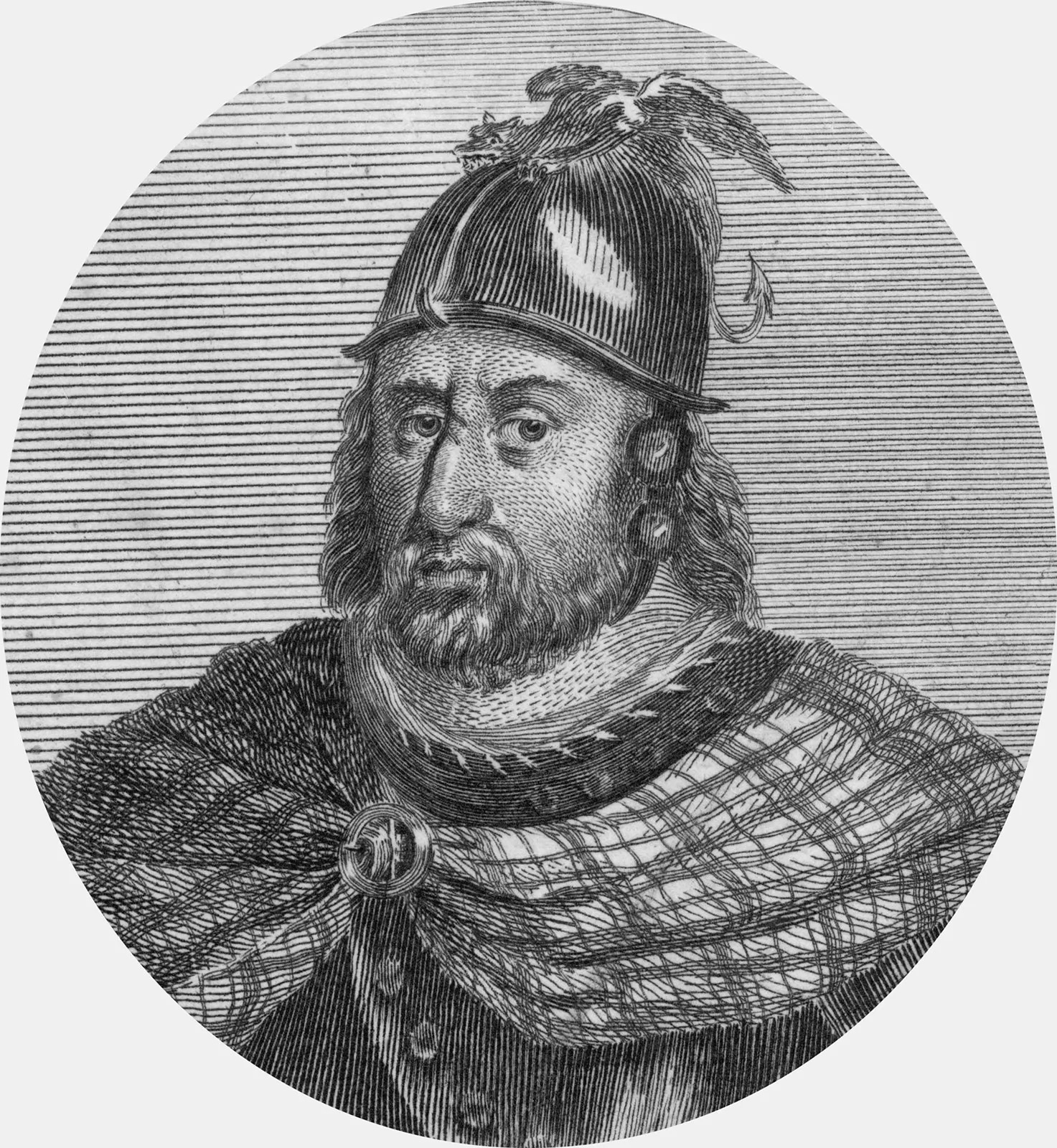
Legendary warrior and Guardian of Scotland. Born in Elderslie, Renfrewshire, he rose from minor nobility to lead the Scottish resistance against English occupation during the Wars of Independence.
His decisive victory at the Battle of Stirling Bridge (1297), using innovative schiltron formations and terrain mastery, routed a larger English army under John de Warenne. Betrayed at Robroyston, captured in Glasgow, and executed in London (hanged, drawn, and quartered), Wallace became a martyr.
His legacy inspired the Wallace Monument (1869) in Stirling and Mel Gibson’s Braveheart(1995). Symbol of unyielding resistance; quoted in the Declaration of Arbroath (1320).
2. Robert The Bruce (1274–1329)
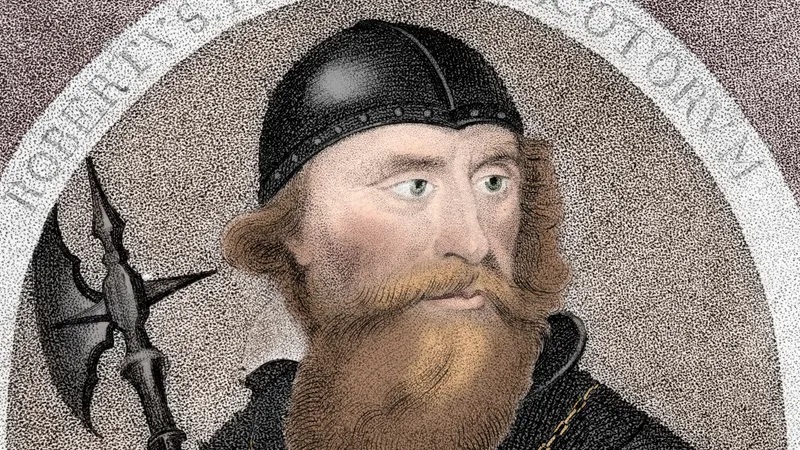
King of Scots from 1306 to 1329, born at Turnberry Castle in Ayrshire. After killing his rival John Comyn and taking the crown at Scone, he suffered early setbacks-most notably at Methven in 1306-before shifting to mobile, guerrilla-style warfare. Tradition holds that his resolve was rekindled by watching a spider persist with its web in a cave, often linked to Rathlin Island.
In 1314 he won a decisive victory at Bannockburn, defeating a far larger English force and securing de facto independence for Scotland. Under his reign, the Declaration of Arbroath(1320) proclaimed Scotland’s sovereignty-one of the earliest and most striking constitutional statements in European history.
Bruce died at Cardross in 1329. Fulfilling his wish, Sir James Douglas carried the king’s heart on crusade; it was later interred at Melrose Abbey, where it remains a potent national symbol.
3. John Knox (c. 1514–1572)
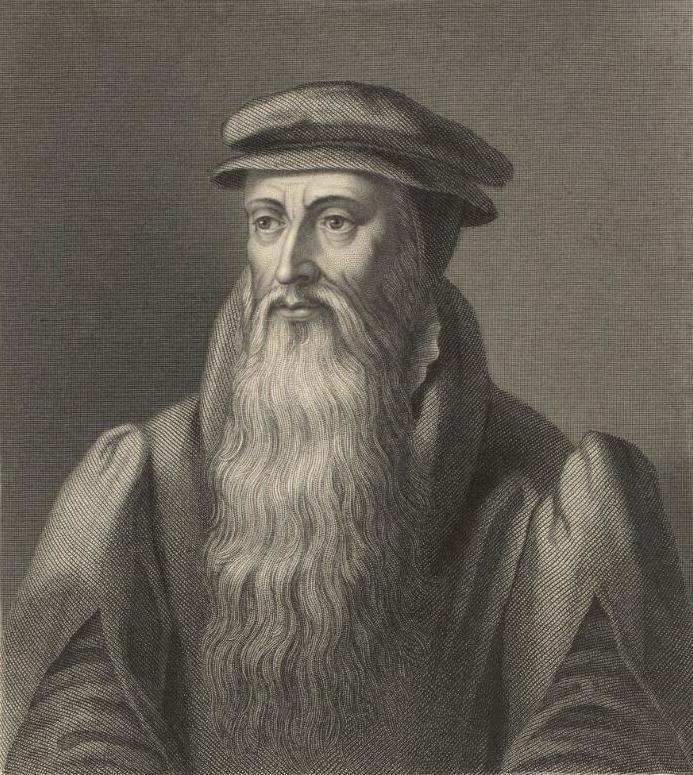
The driving force of the Scottish Reformation, John Knoxwas born near Haddington, East Lothian, and educated at the University of St Andrews. Exiled to Geneva (1554–1559), he came under the influence of John Calvin, whose doctrines shaped Knox’s vision of a reformed, Presbyterian church.
His polemical work, The First Blast of the Trumpet Against the Monstrous Regiment of Women(1558), fiercely attacked Catholic monarchs and authority. Returning to Scotland in 1559, Knox galvanized reformers and led the Reformation Parliament of 1560, which abolished papal authority and established the Church of Scotlandthrough the Scots Confession.
A tireless preacher and writer, he authored the Book of Common Orderand the monumental History of the Reformation in Scotland, foundational texts for the Scottish Kirk and Protestant identity.
Knox died in 1572 and was buried in St Giles’ Churchyard, Edinburgh-now beneath Parliament Square-his resting place marked simply but honored as the grave of a nation’s reformer.
4. Mary, Queen Of Scots (1542–1587)
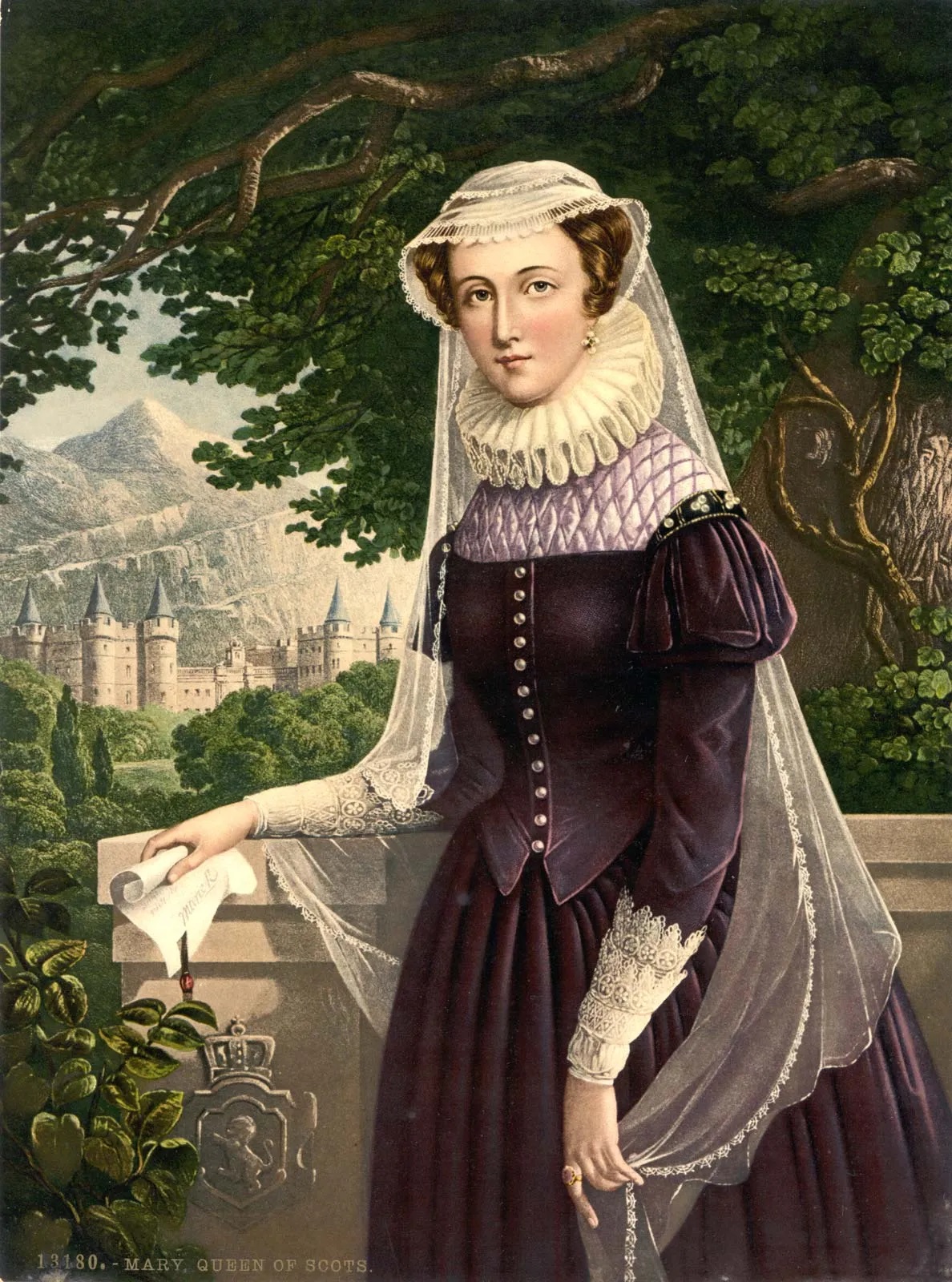
Born at Linlithgow Palace and crowned at just nine months after the death of James V, Mary was raised at the French court and married theDauphin in 1558, briefly becoming Queen Consort of France(1559–1560). Widowed the next year, she returned to Scotland in 1561-a Catholic sovereign in a realm transformed by Protestant reform.
Her turbulent Scottish reign pivoted on two marriages: to Henry Stuart, Lord Darnley (1565), father of James VI, and, after Darnley’s notorious murder at Kirk o’ Field (1567), to James Hepburn, Earl of Bothwell-a union that detonated scandal and rebellion. Forced to abdicate in 1567, Mary was imprisoned at Lochleven Castle, escaped, and was defeated at Langside (1568) before fleeing to England.
Held captive for 19 years, she was executed at Fotheringhay in 1587 for alleged complicity in the Babington Plot. History’s final twist favored her line: her son James VI of Scotlandinherited the English throne in 1603 as James I, uniting the crownsand reshaping the future of Britain.
5. William Paterson (1658–1719)
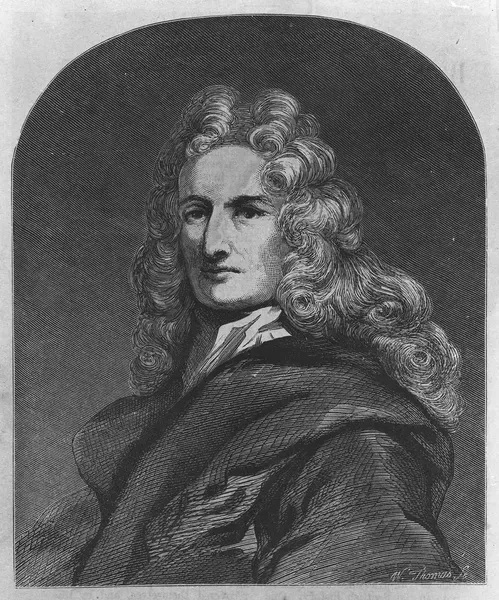
Born at Tinwald, Dumfries and Galloway, Paterson was a merchant-economist whose bold ideas helped reshape modern finance. Drawing on experience with the Amsterdam Wisselbank, he was a prime mover behind the Bank of England (1694)-among the earliest modern central banks-conceived to stabilize public credit and fund government at scale.
His grandest project, the Darien Scheme (1698–1700), sought a Scottish trading colony on the Isthmus of Panama. The venture collapsed through disease, logistics, and geopolitical pressure, crippling Scotland’s finances and quickening momentum toward the Acts of Union (1707).
Paterson also argued for a Council of Trade and sketched early, strikingly modern notions of inter-state federal cooperation in Europe. He died in London in relative obscurity, his grave unmarked, but his financial innovations left a durable imprint on global banking.
6. Rob Roy MacGregor (1671–1734)
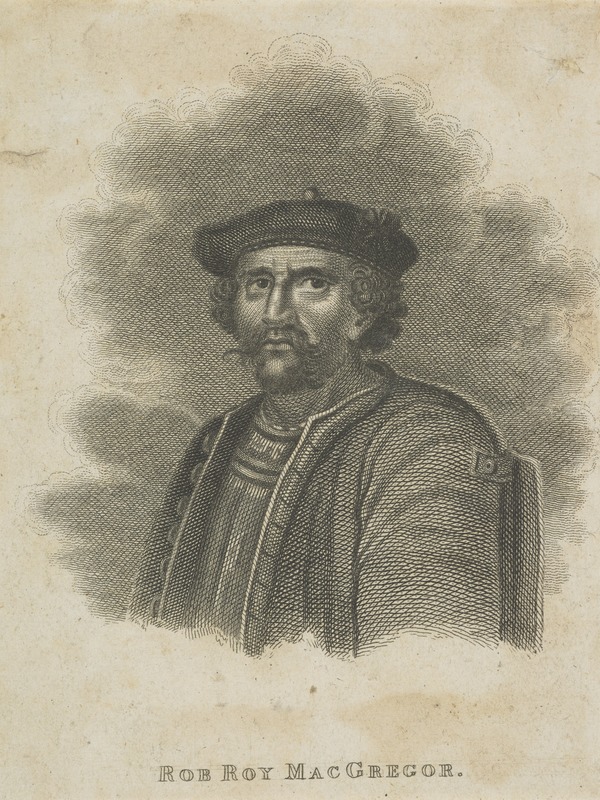
Born Robert MacGregor at Glengyle by Loch Katrine, Rob Roy was a Highland cattle drover who became emblematic of clan honor and defiance.
After business reversals and bitter disputes with the Duke of Montrose, he turned outlaw in the Trossachs, operating in the grey zone between protection money, reprisal, and Jacobite sympathies. Repeated arrests punctuated his life-he spent time in Newgate Prison-but royal clemency ultimately spared him.
Rob Roy’s legend was sealed by Sir Walter Scott’s bestselling novel Rob Roy(1817) and revived onscreen by the 1995 film starring Liam Neeson. He lies at Balquhidder churchyard, beneath the defiant epitaph “MacGregor Despite Them,” a rallying cry for a clan long proscribed yet unbowed.
7. Bonnie Prince Charlie (Charles Edward Stuart) (1720–1788)
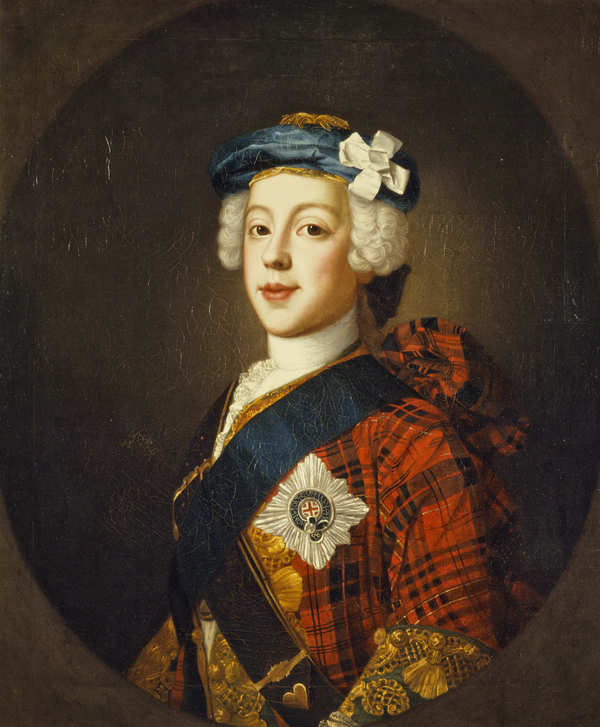
“The Young Pretender,”grandson of James VII/II, landed on Eriskayin July 1745with a handful of companions and soon rallied Highland clans to his banner. Early victories-most famously Prestonpans (1745)-propelled a daring advance as far south as Derby, unnerving London before a fateful retreat.
Defeat followed at Culloden (1746), the last pitched battle on British soil, ushering in harsh reprisals and the curbing of Highland life. Charlie’s romantic escape, disguised as “Betty Burke” with the aid of Flora MacDonald, became legend, celebrated in the “Skye Boat Song.”
He spent his remaining years in exile in France and Italy, dying in Rome. His standard and relics-preserved in Scottish collections-keep alive a story where charisma, tragedy, and national memory are tightly bound.
8. Flora MacDonald (1722–1790)
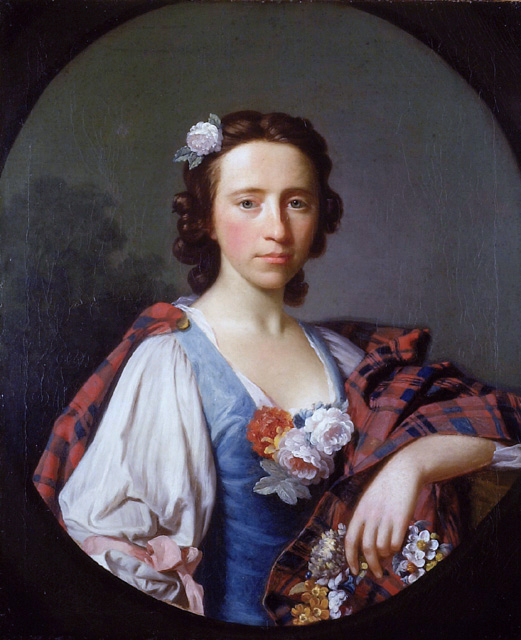
Born on South Uist in the Outer Hebrides, Flora MacDonald became a national heroine for her daring role in Bonnie Prince Charlie’s escape after Culloden. In June 1746, she disguised the fugitive prince as her Irish maid, “Betty Burke,”and ferried him “over the sea to Skye”from Benbecula, an act immortalized in the Skye Boat Song.
Arrested and imprisoned in the Tower of London (1746–1747), she was released under the Act of Graceand later emigrated to North Carolina (1774)before returning home to Skye in 1779.
She was buried at Kilmuir, wrapped in a linen sheet taken from the Culloden battlefield. A monument on Inverness Castle Hill honors her courage, compassion, and quiet defiance.
9. David Livingstone (1813–1873)
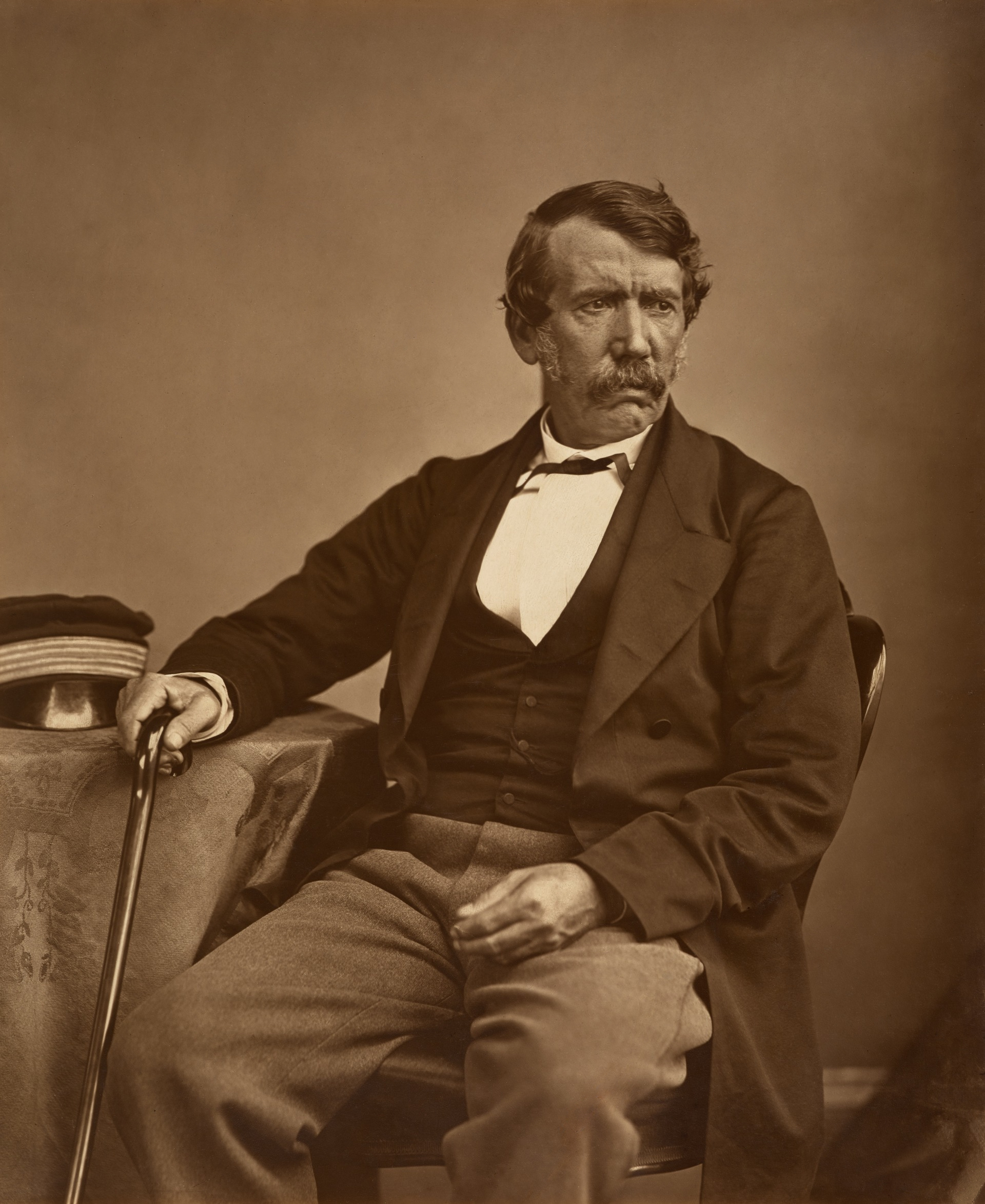
Born in Blantyre, South Lanarkshire, David Livingstone rose from child labor in cotton mills to become one of history’s greatest explorers and missionaries. Missionary, explorer, and humanitarian, David Livingstoneventured deep into Africa’s interior, mapping vast territories and documenting cultures largely unknown to Europeans.
His moral campaign against the slave trade and his relentless curiosity made him a Victorian hero. The phrase “Dr. Livingstone, I presume?”-spoken upon his rediscovery by journalist Henry Morton Stanley-remains one of history’s most famous greetings.
He died in Chitambo, Zambia; his heart was buried beneath a mvula tree, his body returned to Westminster Abbey. The David Livingstone Birthplace Museumin Blantyre preserves his enduring legacy as explorer, scientist, and humanitarian.
10. Andrew Carnegie (1835–1919)
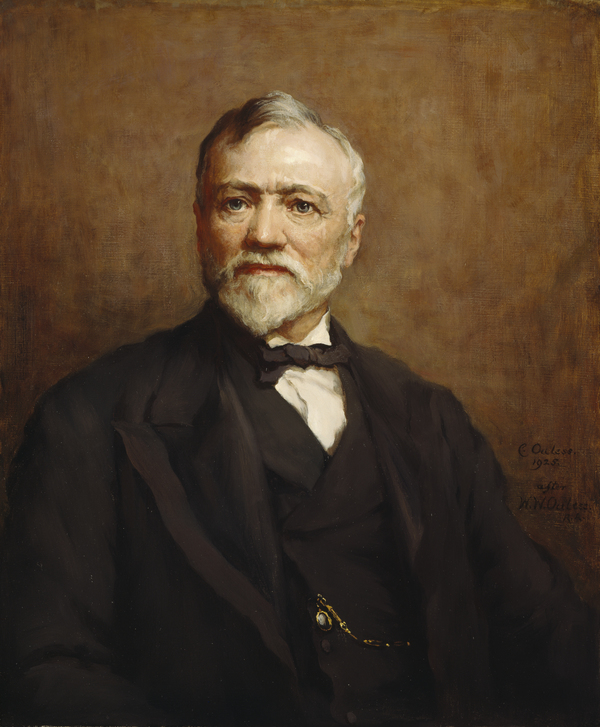
Born in Dunfermline, Fife, Andrew Carnegieembodied the ideal of the self-made man. Emigrating to America in poverty, he built a steel empire that underpinned the industrial age and made him one of the richest men in the world.
Yet his greatest legacy lies in philanthropy: Carnegie funded over 2,500 public libraries, supported education through Carnegie Mellon University, and championed peace initiatives.
His essay “The Gospel of Wealth”advanced his conviction that great fortune carried moral responsibility-summed up in his maxim: “The man who dies rich dies disgraced.”Today, Carnegie’s foundations continue to serve humanity, reflecting his belief that knowledge and generosity should uplift society.
11. Gordon Brown (1951–Present)
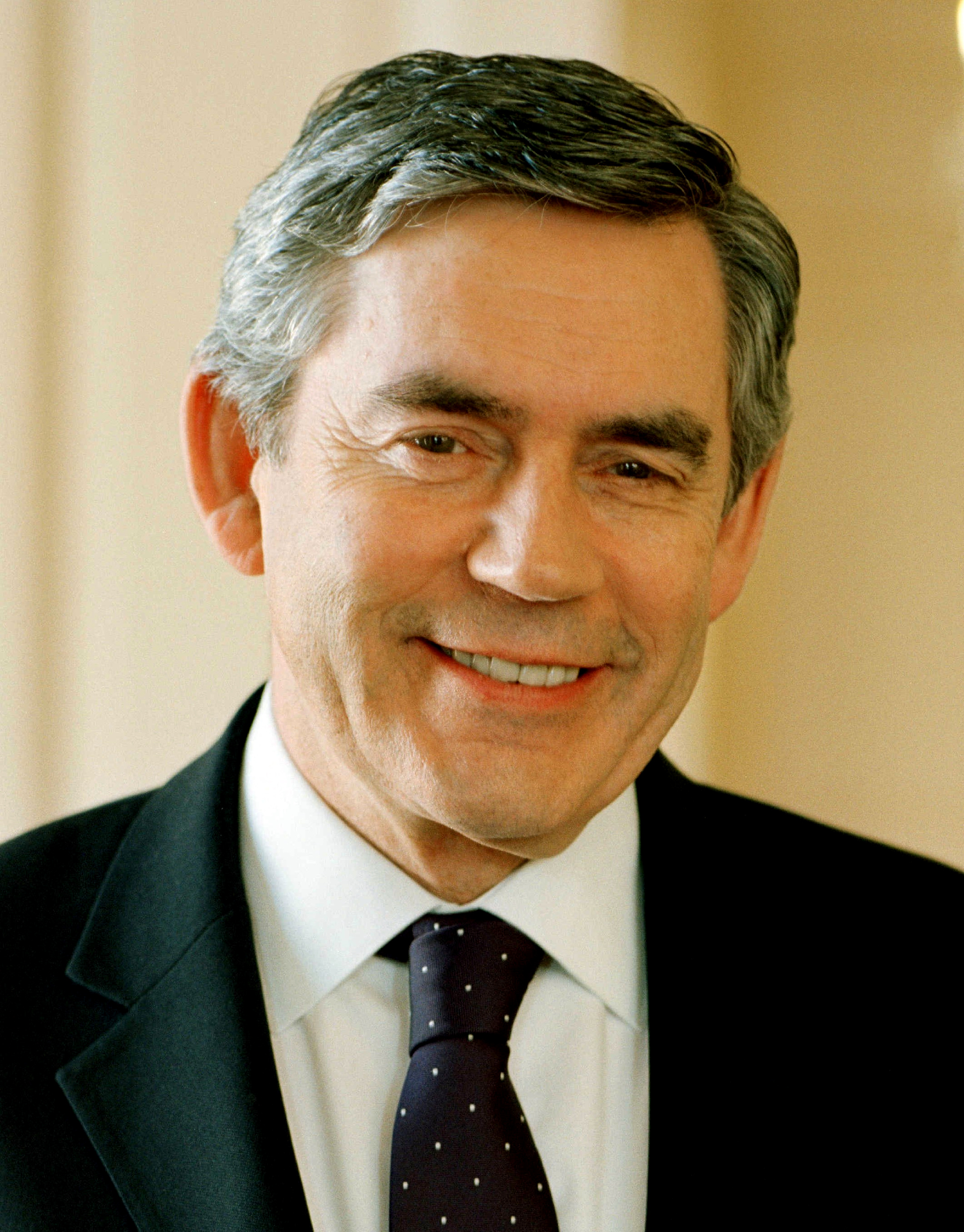
Born in Giffnock, Renfrewshire, Gordon Brown is one of the most influential Scottish politicians of modern times. Economist, statesman, and Labour Party leader, Gordon Brown served as Prime Minister of the United Kingdom from 2007 to 2010.
A committed advocate for global development and education, he steered the UK through the 2008 financial crisis and later became a UN Special Envoy for Global Education. His intellectual approach and Scottish pragmatism have made him one of Britain’s most respected postwar politicians.
12. Nicola Sturgeon (1970–Present)
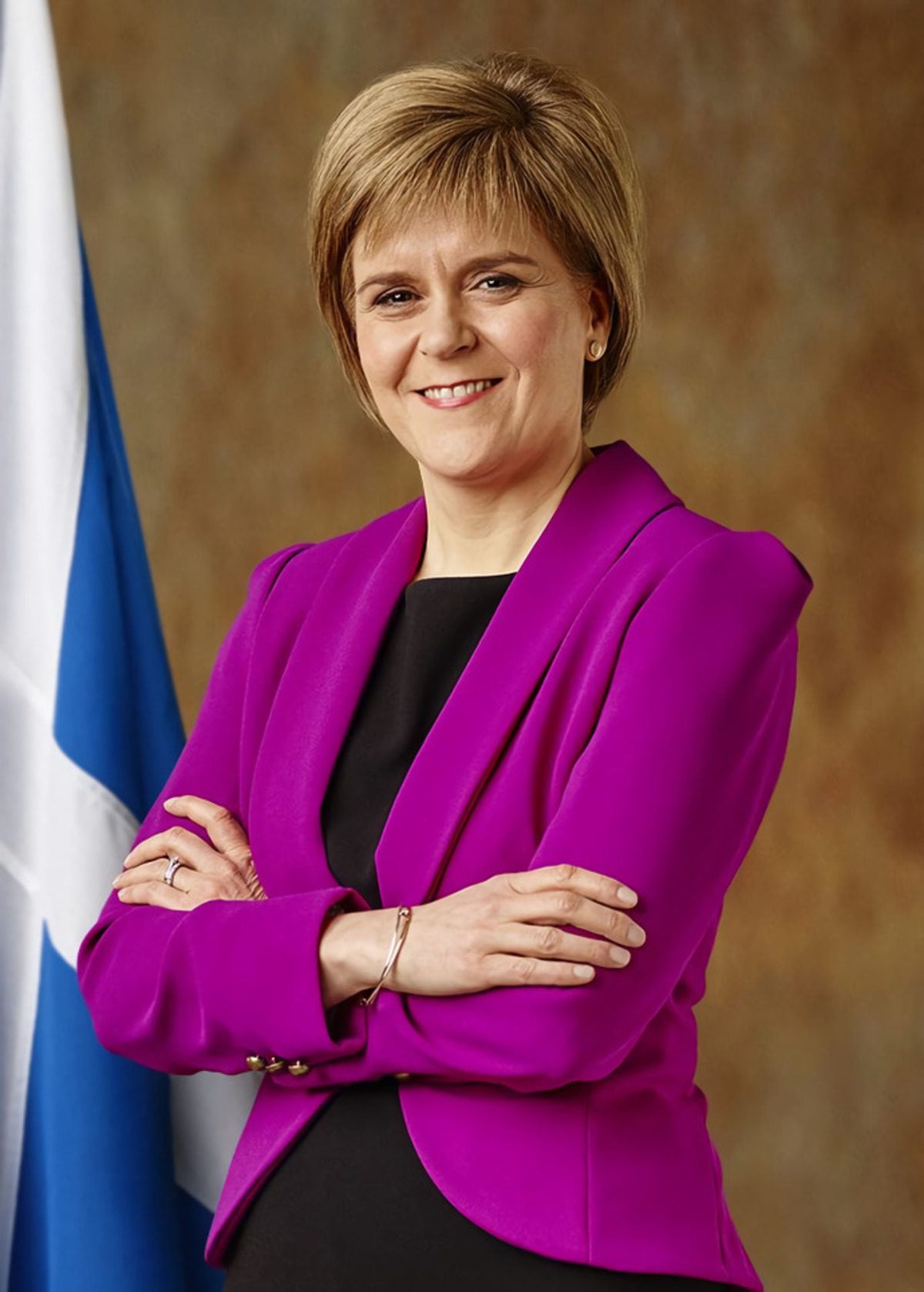
Nicola Sturgeon, born in Irvine, North Ayrshire, joined the Scottish National Party (SNP)at age 16 and rose to become Scotland’s first female First Minister (2014–2023).
Representing Glasgow Southside, she championed progressive policies-free university tuition, climate action, and baby boxes for new parents. Sturgeon’s calm yet decisive leadership during the COVID-19 pandemicearned international respect for clarity and empathy.
She also steered Scotland through the Brexit falloutand continued to advocate for independenceafter the 2014 referendum defeat. Resigning in 2023, she cited personal reasons but remains an influential global voice for democracy, gender equality, and social justice.
Married to Peter Murrell, she continues to write, lecture, and inspire as one of Scotland’s most formidable political figures of the 21st century.
Scientific, Engineering, & Innovation Pioneers Of Scotland
These individuals, many from the Scottish Enlightenment, established the scientific and engineering foundations of the modern world.
13. James Watt (1736–1819)
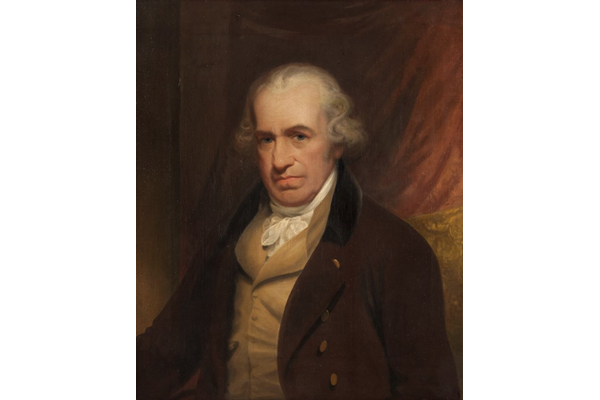
Born in Greenock, Inverclyde, Watt trained as a mathematical instrument makerat the University of Glasgow. In 1765, while repairing a Newcomen engine, he conceived the separate condenser, preventing wasteful heat loss and transforming steam power from novelty to workhorse.
Patented in 1769and commercialized with Matthew Boulton, the Watt engine drove factories, mines, and mills-an energy revolution that accelerated the Industrial Revolution.
The international unit of power-the watt (W)-honors his name, a measure of the energy that reshaped civilization.
His restored workshop survives at London’s Science Museum, and he is memorialized with a monumental statue in Westminster Abbey. Watt died at Heathfield Hall, Birmingham, leaving a legacy measured-quite literally-in power.
14. John Loudon McAdam (1756–1836)
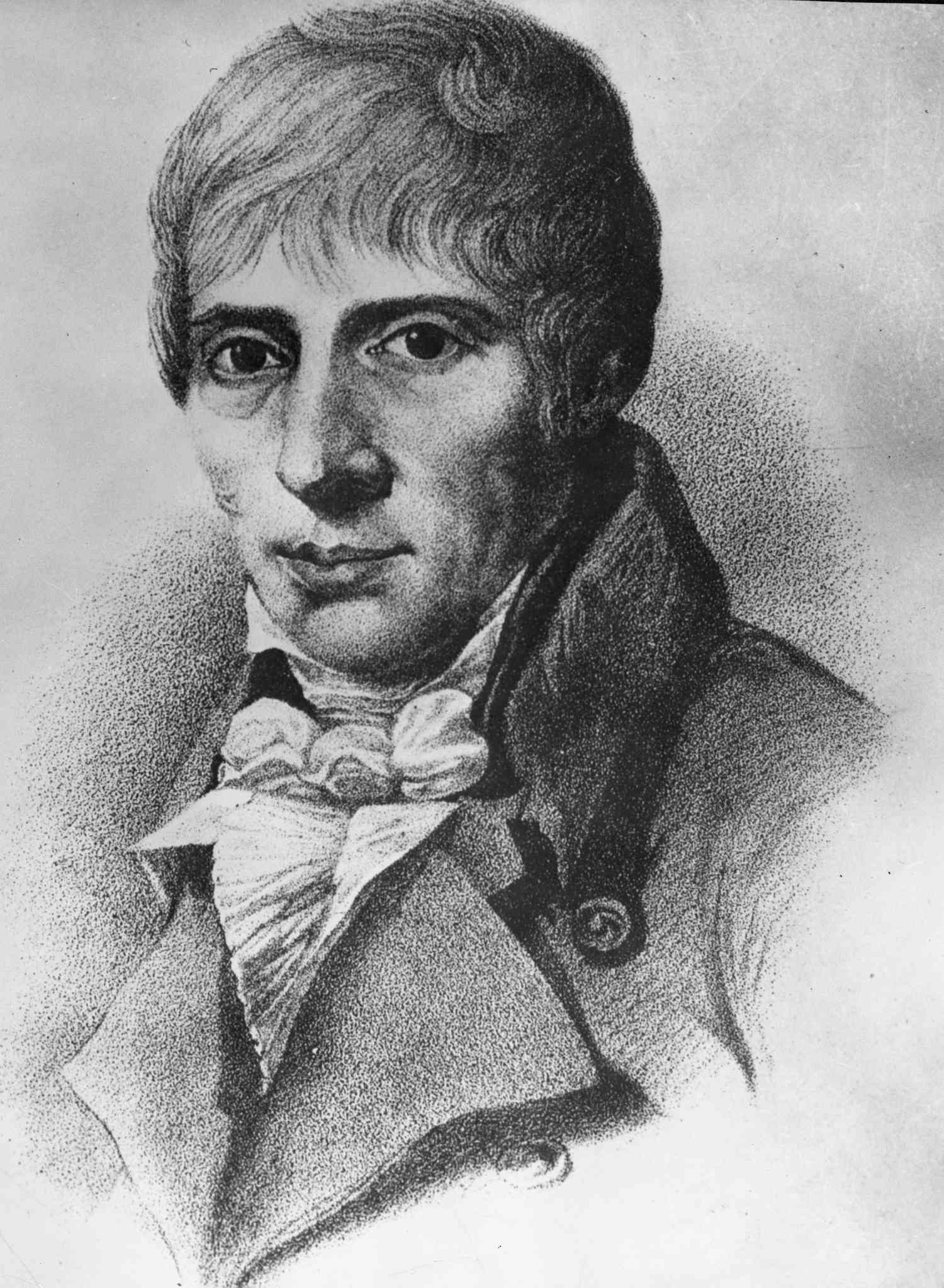
Ayr-born John Loudon McAdam reinvented road-building. Drawing lessons from Roman practice and his own experiments as an Ayrshire road trustee, he devised macadamization-thin, well-drained layers of tightly compacted, angular stone that locked under traffic to form smooth, durable, weather-resistant surfaces.
First trialed on the Bristol Turnpike (1816)and rapidly adopted on strategic routes like the Holyhead Road, his method slashed maintenance and journey times and later inspired tar-macadam (“tarmac,” 1901).
Knighted in 1827, McAdam is buried at Moffat; the family vault lies at Ayr Auld Kirk. His son’s Observations on Roads(1820) became the 19th-century builder’s manual.
15. Thomas Telford (1757–1834)
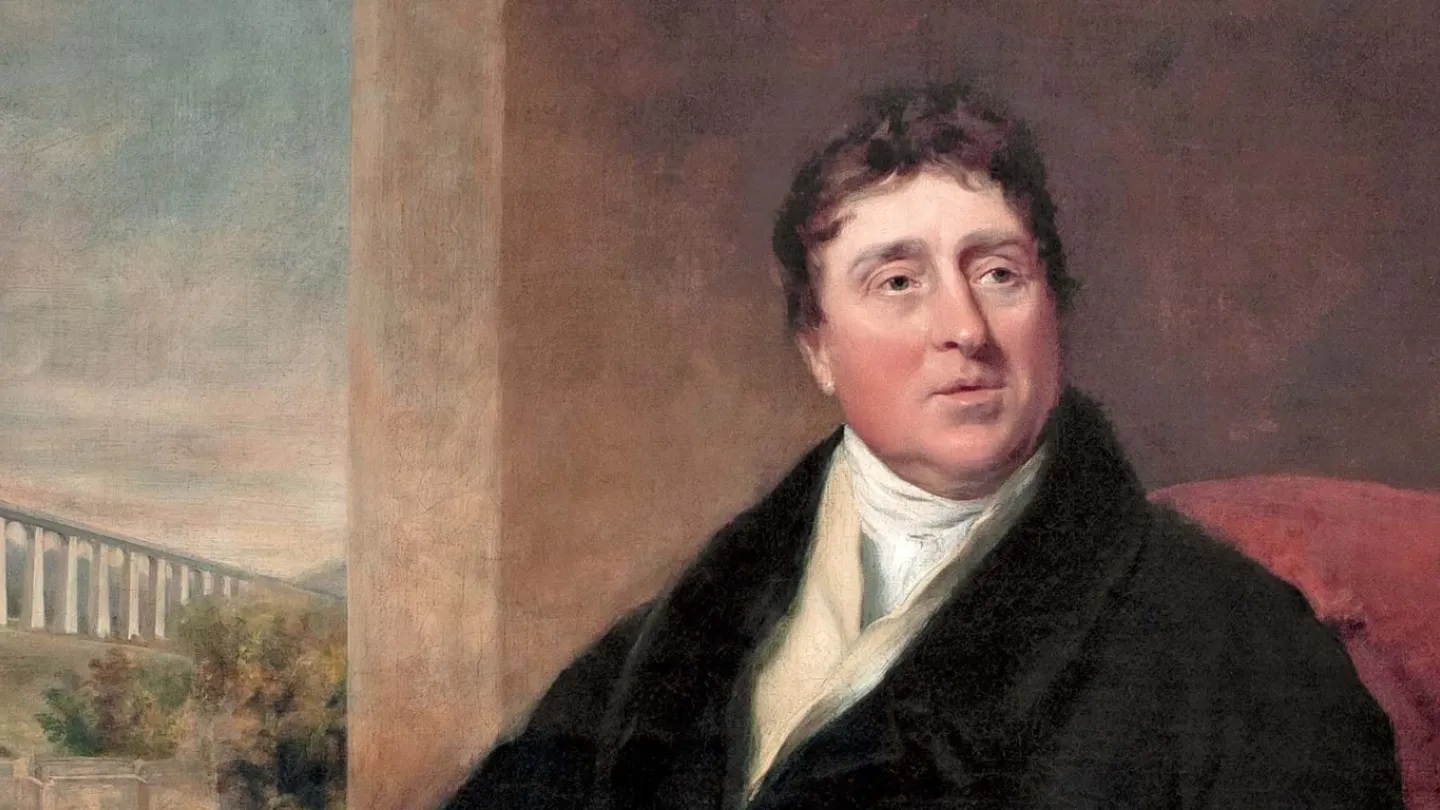
Nicknamed “The Colossus of Roads,”Thomas Telfordwas the 19th century’s consummate civil engineer. His bridges, canals, harbors, and turnpikes knit together an industrializing Britain, marrying structural daring with elegant form.
Masterpieces include the Menai Suspension Bridge-a leap in long-span design-and Scotland’s Caledonian Canal, threading Great Glen waters with lock-and-basin precision.
From Highland causeways to Welsh ravines, Telford’s infrastructure gave commerce a faster map and travelers safer passage-foundations on which modern Britain still moves.
16. David Brewster (1781–1868)
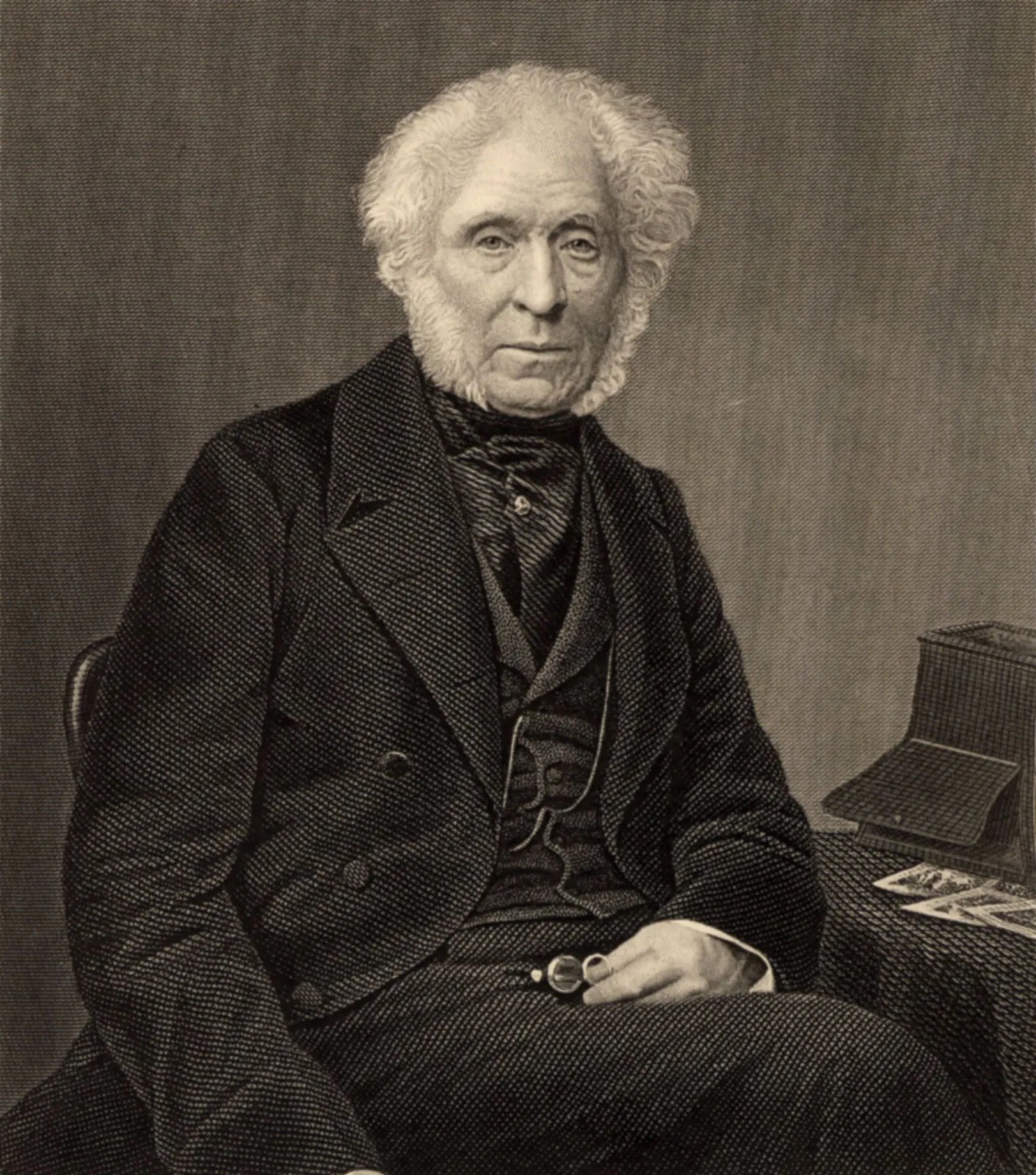
Born in Jedburgh and educated at Edinburgh, Sir David Brewster was a brilliant optical physicist and indefatigable popularizer of science.
He discovered Brewster’s angle (polarization by reflection), refined lighthouse optics through advocacy and design improvements, helped develop the lenticular stereoscope, and, in 1816, invented the kaleidoscope-a device that married optics to delight and sold by the hundred-thousand.
Editor of the Edinburgh Encyclopædia, knighted in 1831, and later Principal at St Andrews and Edinburgh, Brewster was instrumental in founding the British Association for the Advancement of Science (1831). He died at Melrose and is buried in the Abbey he loved.
17. James Clerk Maxwell (1831–1879)
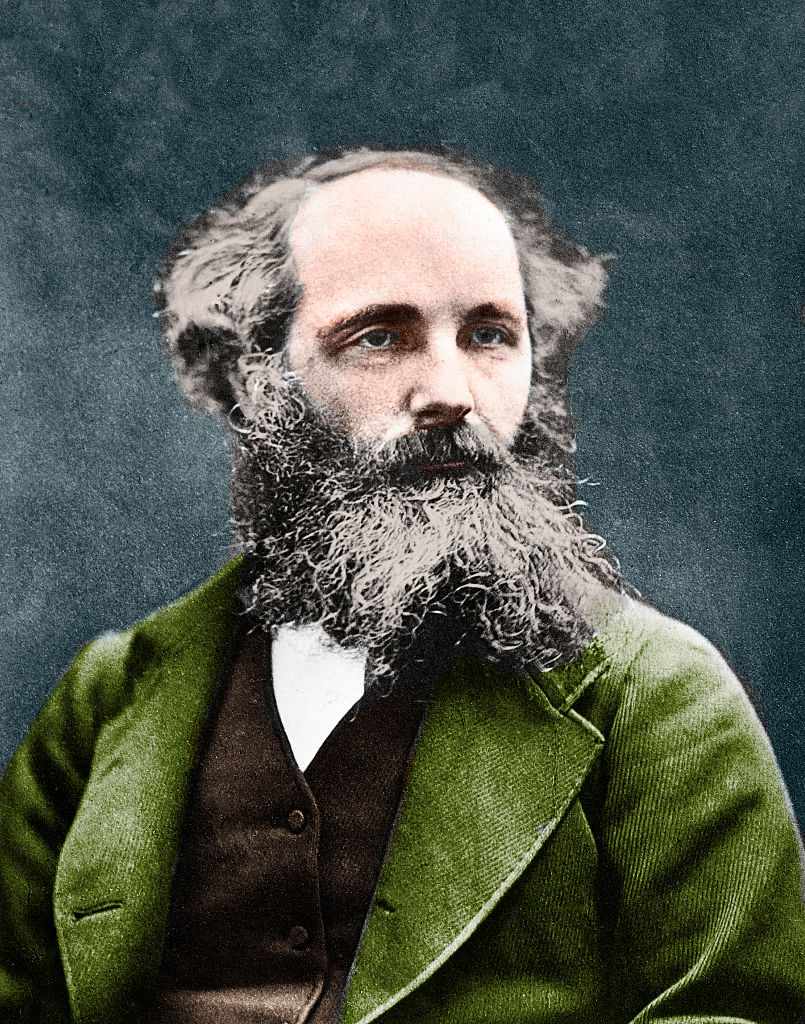
A prodigy from 14 India Street, Edinburgh (now a museum), James Clerk Maxwell unified the forces of nature. Between 1861–62, he formulated the Maxwell equations, revealing electricity and magnetism as one phenomenon and showing light to be an electromagnetic wave-the theoretical bedrock for radio, television, radar, fiber optics, and Wi-Fi.
He produced the first color photograph (1861), advanced the kinetic theory of gases (with the Maxwell–Boltzmann distribution), and as the founding Cavendish Laboratory director, shaped physics pedagogy.
Einstein hailed him as the most profound influence since Newton. Maxwell died in Cambridge at 48 and is buried at Parton, Galloway; the cgs unit maxwell (Mx) honors his name.
18. John Muir (1838–1914)
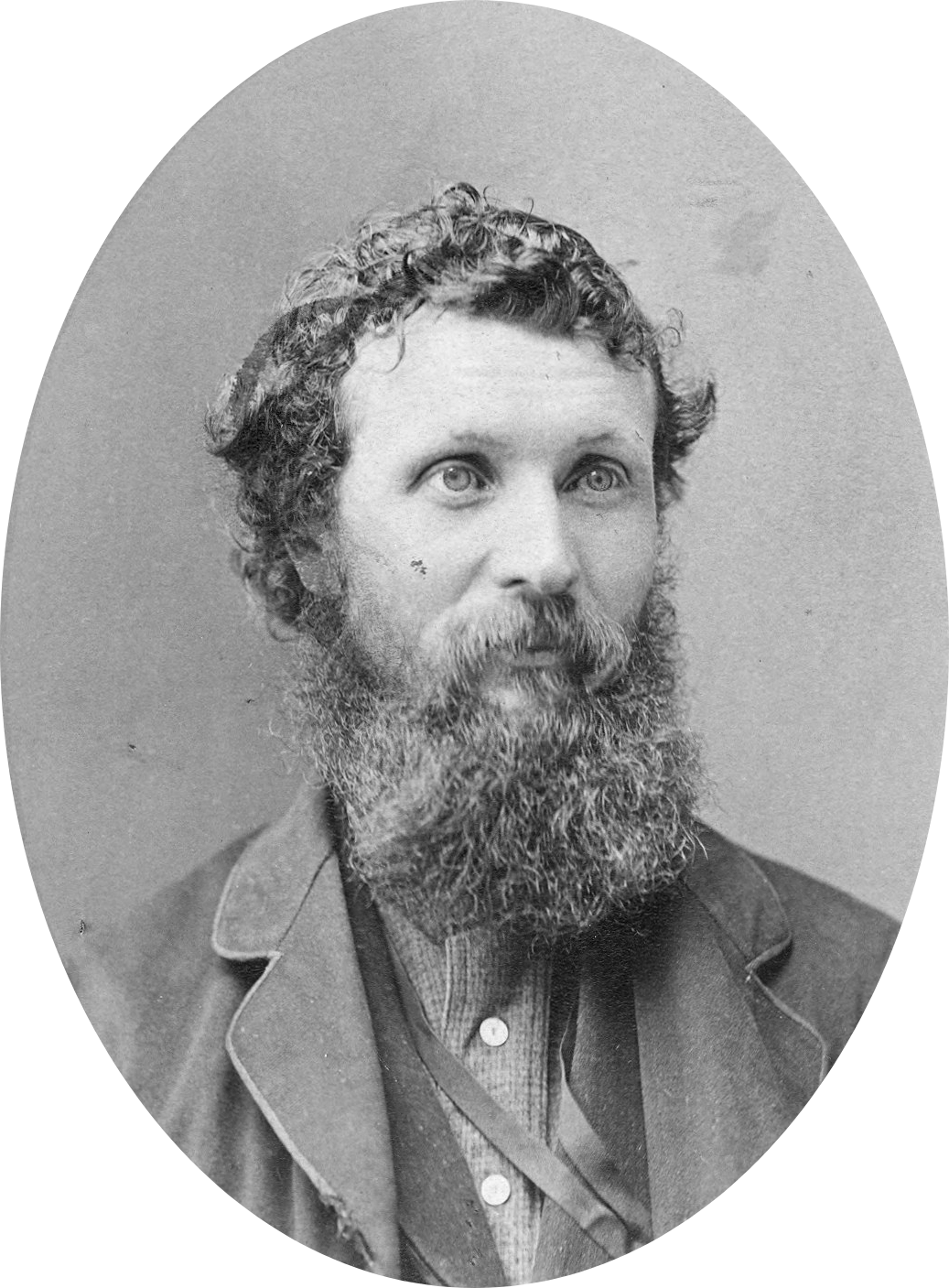
Born in Dunbar, East Lothian, emigrant John Muir became America’s pre-eminent naturalist and a voice of prophetic clarity for wild places. After exploring Yosemite in the 1860s and documenting living Sierra Nevada glaciers, his essays-The Mountains of California(1894) and others-helped secure Yosemite National Park (1890) and inspired the creation of the U.S. National Park Service (1916).
Co-founder of the Sierra Club (1892) and a conservation ally of President Theodore Roosevelt, Muir’s name marks trails and groves from the John Muir Trail to Muir Woods.
He died in Los Angeles; he is buried at the Muir–Strentzel Cemetery in Martinez, California. The John Muir Birthplace in Dunbar keeps the Scottish chapter of his story alive.
19. James Dewar (1842–1923)
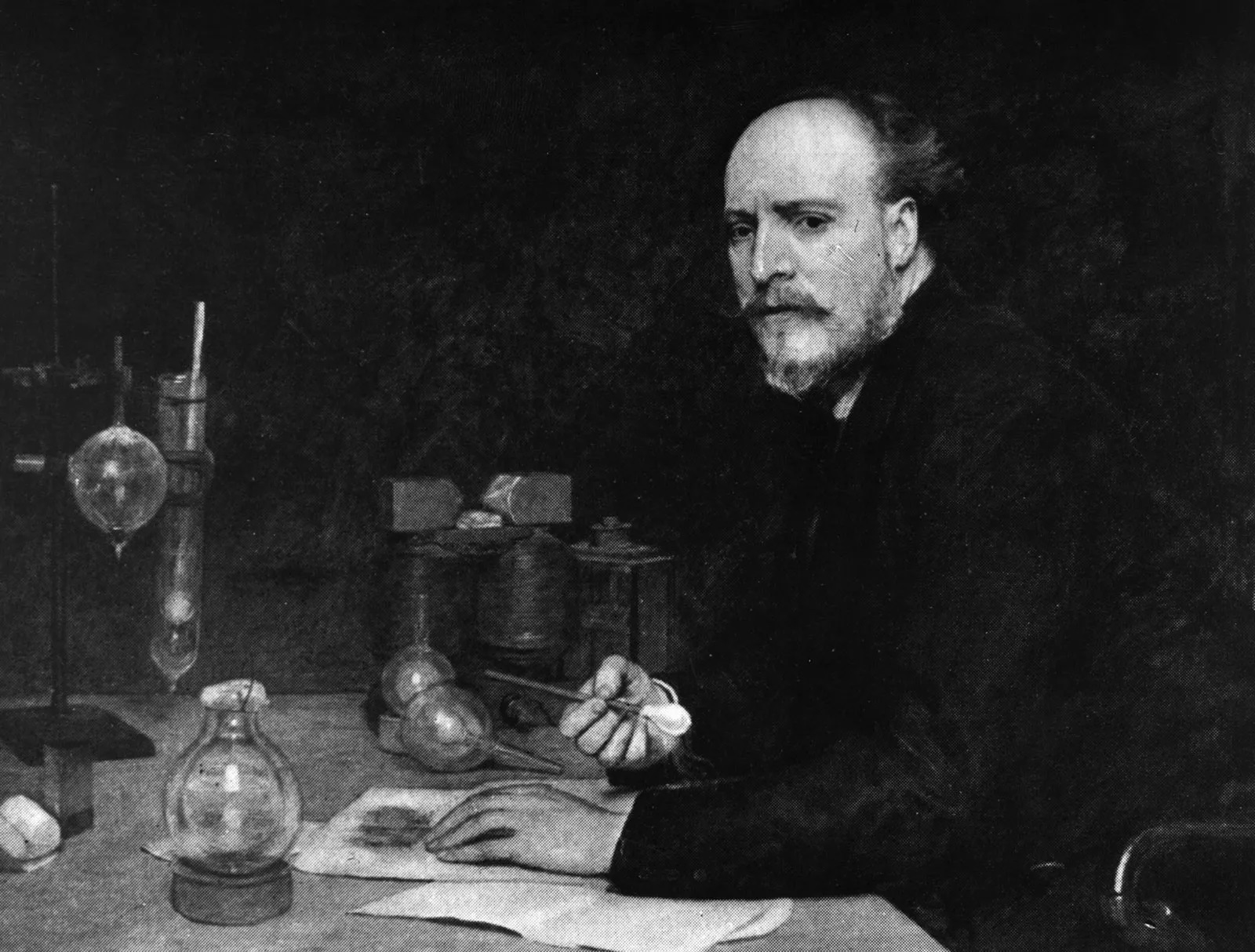
From Kincardine-on-Forth, Sir James Dewartransformed cryogenics. At the Royal Institution, he invented the vacuum (Dewar) flask (1892)-double-walled, silvered glass with a vacuum layer-to store liquefied gases.
He liquefied hydrogen (1898) and later solidified it (1899), pushing temperature frontiers and enabling precision low-temperature research. With Sir Frederick Abel, he co-developed cordite (1889), a smokeless propellant.
Knighted in 1904, Dewar also lent his name to Dewar benzene, a theoretical isomer important in structural chemistry. He died in London; the Dewar Centre in Kincardine commemorates his achievements.
20. Alexander Graham Bell (1847–1922)
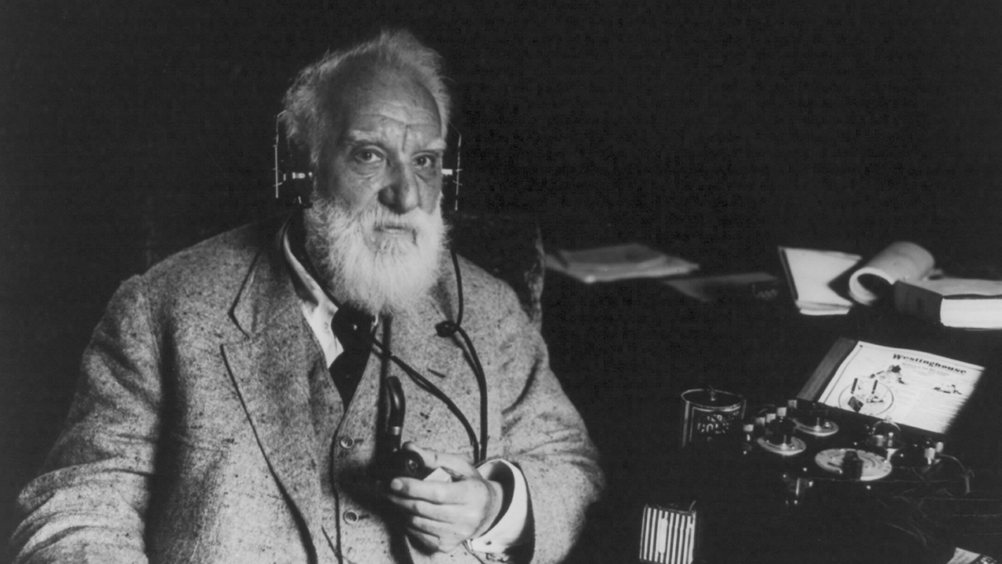
Edinburgh-born and shaped by a family devoted to speech and hearing, Alexander Graham Bell moved to North America in 1870 and, in Boston, transmitted the first intelligible wired voice-“Mr. Watson, come here…”-on March 10, 1876, securing U.S. Patent 174,465 for the telephone.
Founder of the Bell Telephone Company (1877), he later pioneered the photophone (1880)-sending voice on a beam of light-devised an early metal detector while doctors searched for President Garfield’s bullet, and pushed hydrofoil speeds (the HD-4’s 1919 record).
A champion of deaf education and co-founder of Sciencemagazine, Bell died in Baddeck, Nova Scotia. The bel (and decibel) honor his name; Canada’s Alexander Graham Bell National Historic Site preserves his workshop and papers.
21. Williamina Fleming (1857–1911)
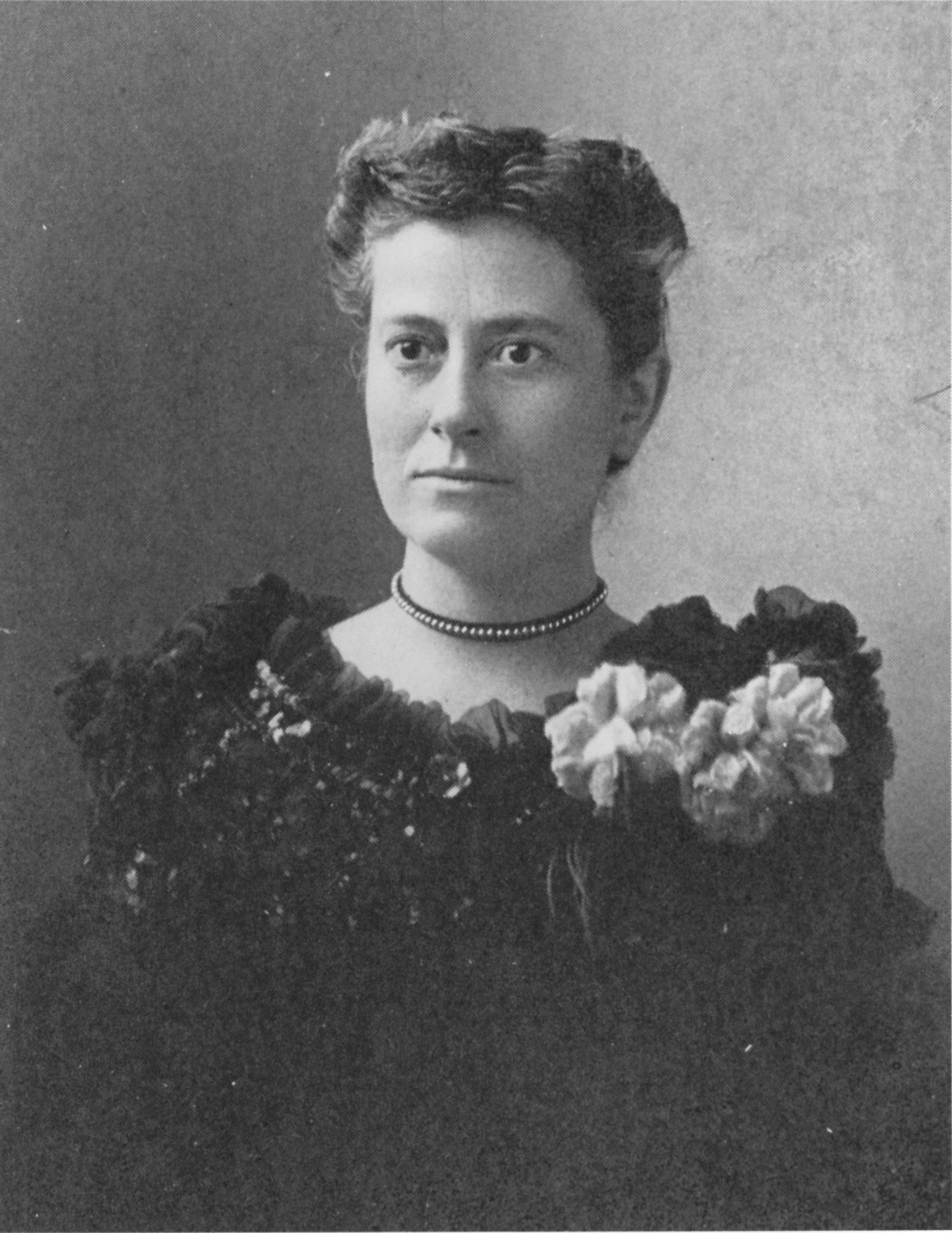
Born Williamina Paton Stevens in Dundee, she emigrated to Boston (1878) and, after a hard start, joined Harvard College Observatory under Edward C. Pickering.
From housemaid to Harvard astronomer, Williamina Fleming’s journey broke barriers for women in science. She cataloged over 10,000 stars and developed a system for classifying stellar spectra still used in astronomy.
Working under Edward Pickering, she discovered the Horsehead Nebula and laid foundations for future astronomical exploration. Fleming’s perseverance stands as a beacon of what talent and determination can achieve against social odds.
22. Alexander Fleming (1881–1955)
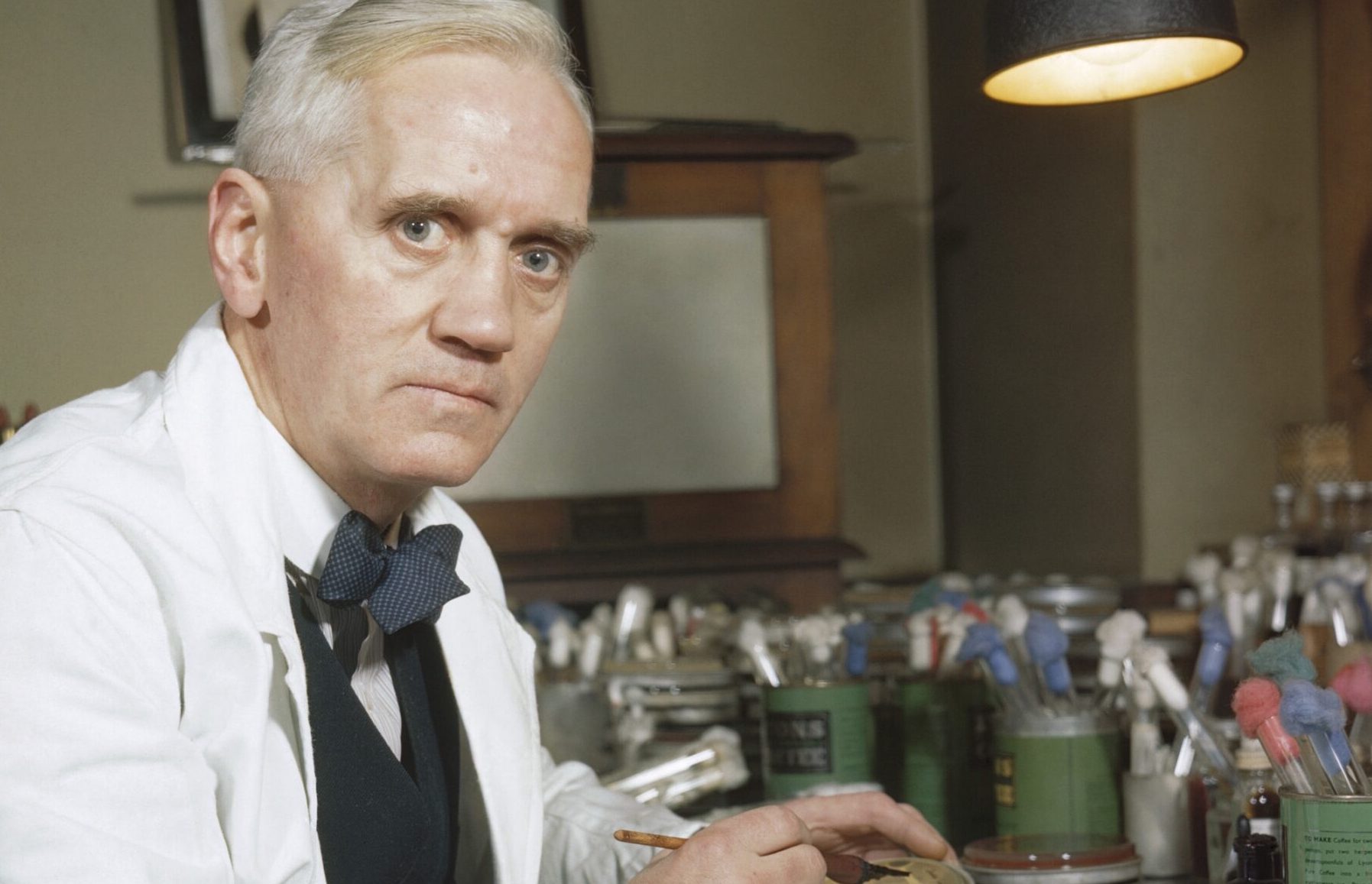
Raised at Lochfield Farm, Ayrshire, Sir Alexander Fleming joined St Mary’s Hospital, London, where, in 1928, he spotted a mold (Penicillium notatum) that suppressed bacterial growth on a culture plate.
His accidental yet brilliant observation led to penicillin, the world’s first true antibiotic. Awarded the Nobel Prize in Medicine (1945), Fleming’s discovery transformed healthcare, extending life expectancy and redefining medicine’s possibilities.
23. John Logie Baird (1888–1946)
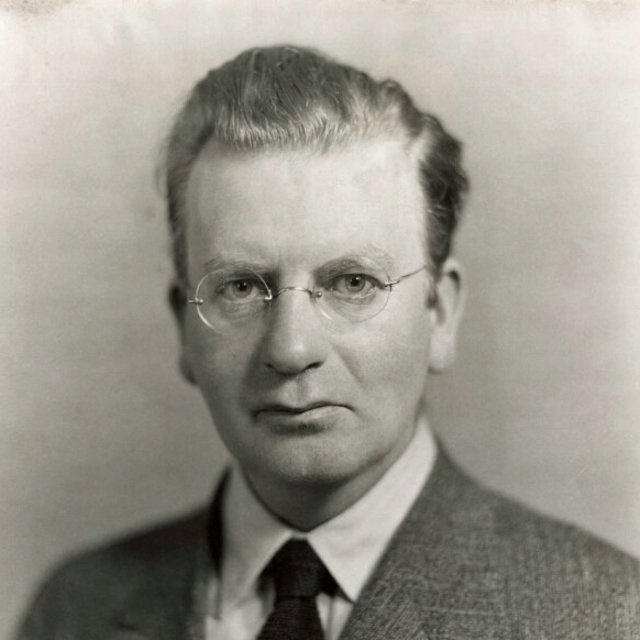
Helensburgh engineer John Logie Baird brought moving images to life. In 1926 he publicly demonstrated the first working television system in London, soon achieving transatlantic TV (1928) and early color transmission the same year.
He developed noctovision (infrared TV) and phonovision (mechanical video recording), decades ahead of widespread adoption. Though fragile health and commercial headwinds led him to sell patents to Gaumont-British, his imprint endures: BBC test transmissions, commemorative plaques at his Soho lab, a statue in Helensburgh, and the Baird Room at the BBC all mark the Scot who helped the world see itself.
Scottish Philosophers, Authors, And Artists
From the architects of free thought to the creators of global literary icons, Famous Scottish authorsdefined genres and captured imaginations.
24. David Hume (1711–1776)
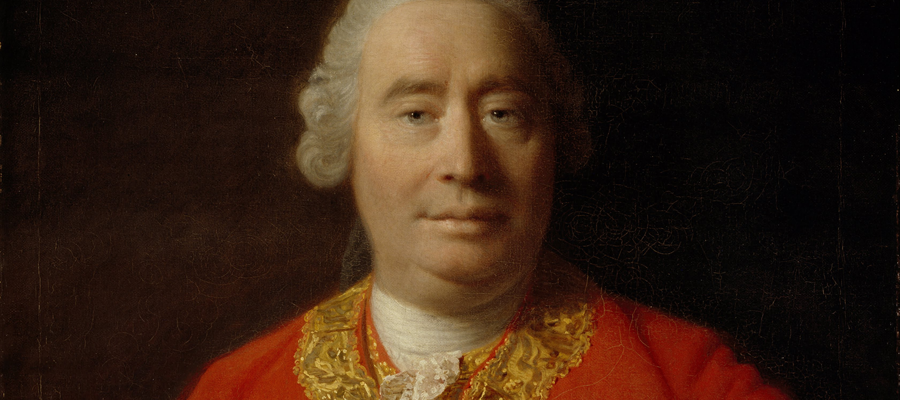
Born in Edinburgh(Ninewells, Berwickshire family estate). One of the towering figures of the Scottish Enlightenment, David Humewas a philosopher, historian, and essayist whose ideas reshaped Western thought.
His masterpiece, A Treatise of Human Nature, explored how human experience-not divine revelation-forms knowledge. Hume’s radical empiricism and skepticismquestioned assumptions about religion, morality, and causality, influencing later thinkers from Immanuel Kant to modern cognitive science. His legacy endures in the very principles of scientific reasoning and human psychology.
25. Adam Smith (1723–1790)
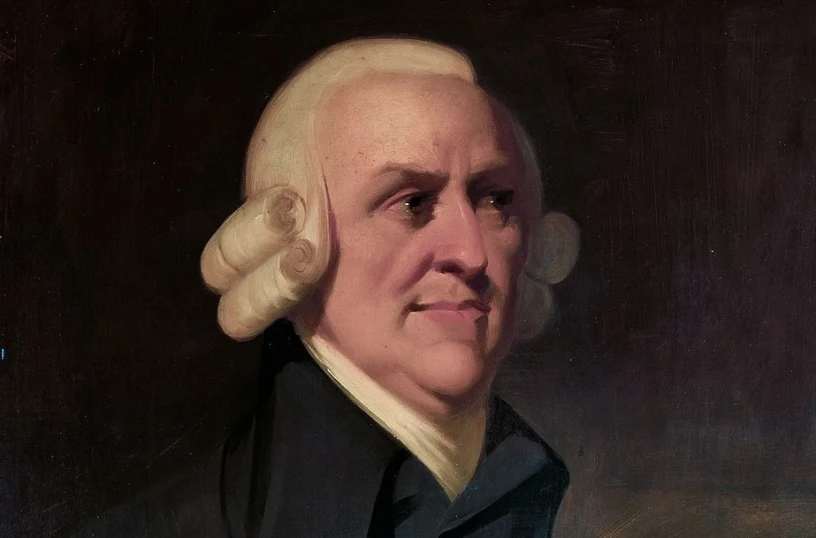
Known worldwide as the “Father of Modern Economics,”Adam Smithauthored An Inquiry into the Nature and Causes of the Wealth of Nations(1776), the book that laid the foundation for free-market capitalism. His concept of the “invisible hand”articulated how self-interest can serve the public good in an open economy.
Smith’s earlier work, The Theory of Moral Sentiments, explored the ethics of empathy and virtue-revealing that even the most analytical economist was also a moral philosopher.
Opposed mercantilism; influenced the Repeal of the Corn Laws (1846). Commissioner of Customs (1778). Died in Edinburgh; buried in Canongate Kirkyard. Statue on Royal Mile; Adam Smith Theatrein Kirkcaldy.
26. Tobias Smollett (1721–1771)
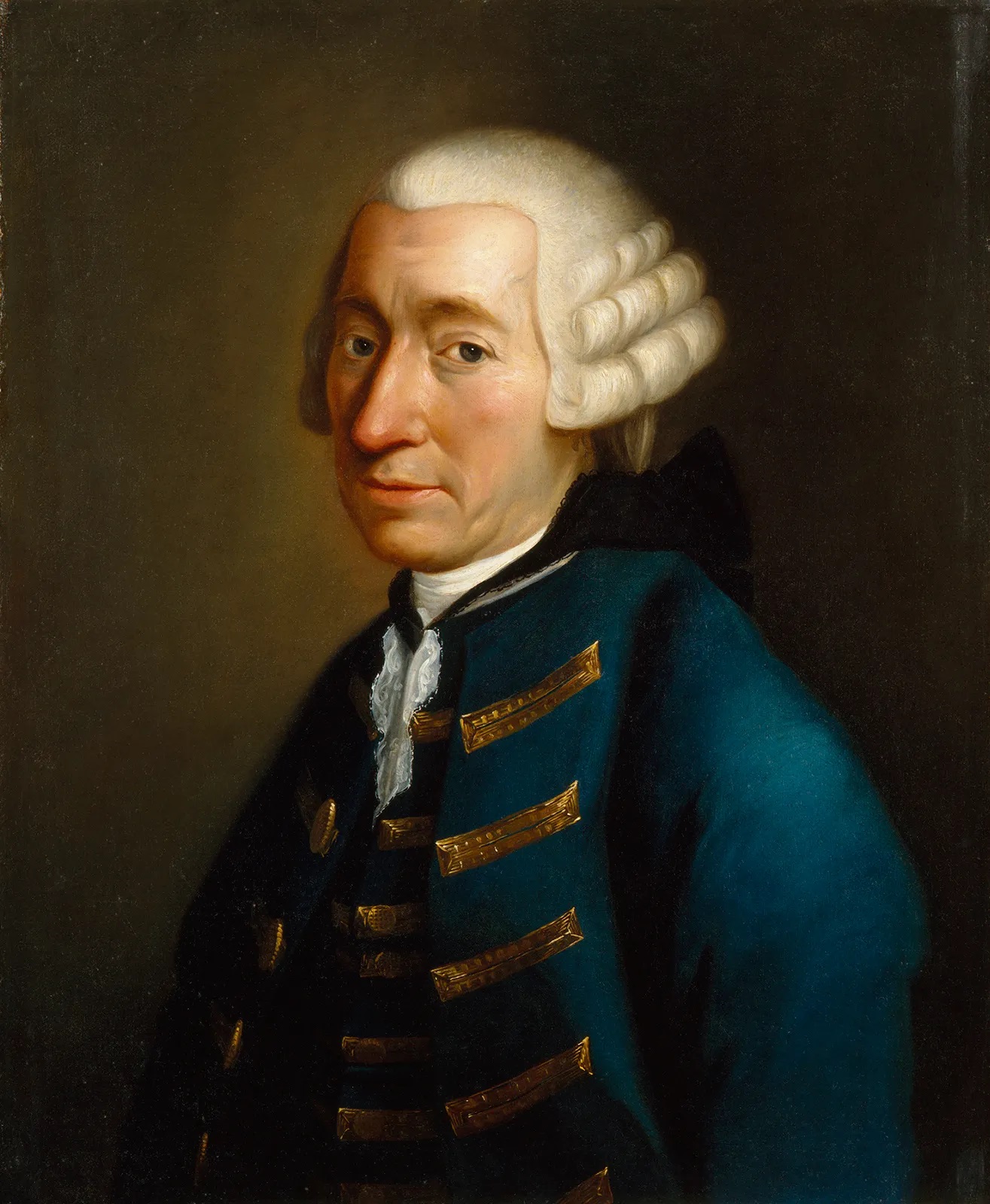
Tobias Smollettwas one of the earliest pioneers of the English novel, crafting vivid, humorous, and satirical depictions of 18th-century life. His works-such as The Adventures of Roderick Randomand The Expedition of Humphry Clinker-were influential precursors to Dickens and Fielding. Smollett’s adventurous life as a surgeon, traveler, and critic lent his writing the worldly realism that became a hallmark of modern fiction.
Died in Livorno, Italy (lung disease); monument in Renton Old Churchyard. Smollett Street, Glasgow, and Tobias Smollett Museum(rented house) honor him. Influenced Dickens and Thackeray.
27. Robert Burns (1759–1796)
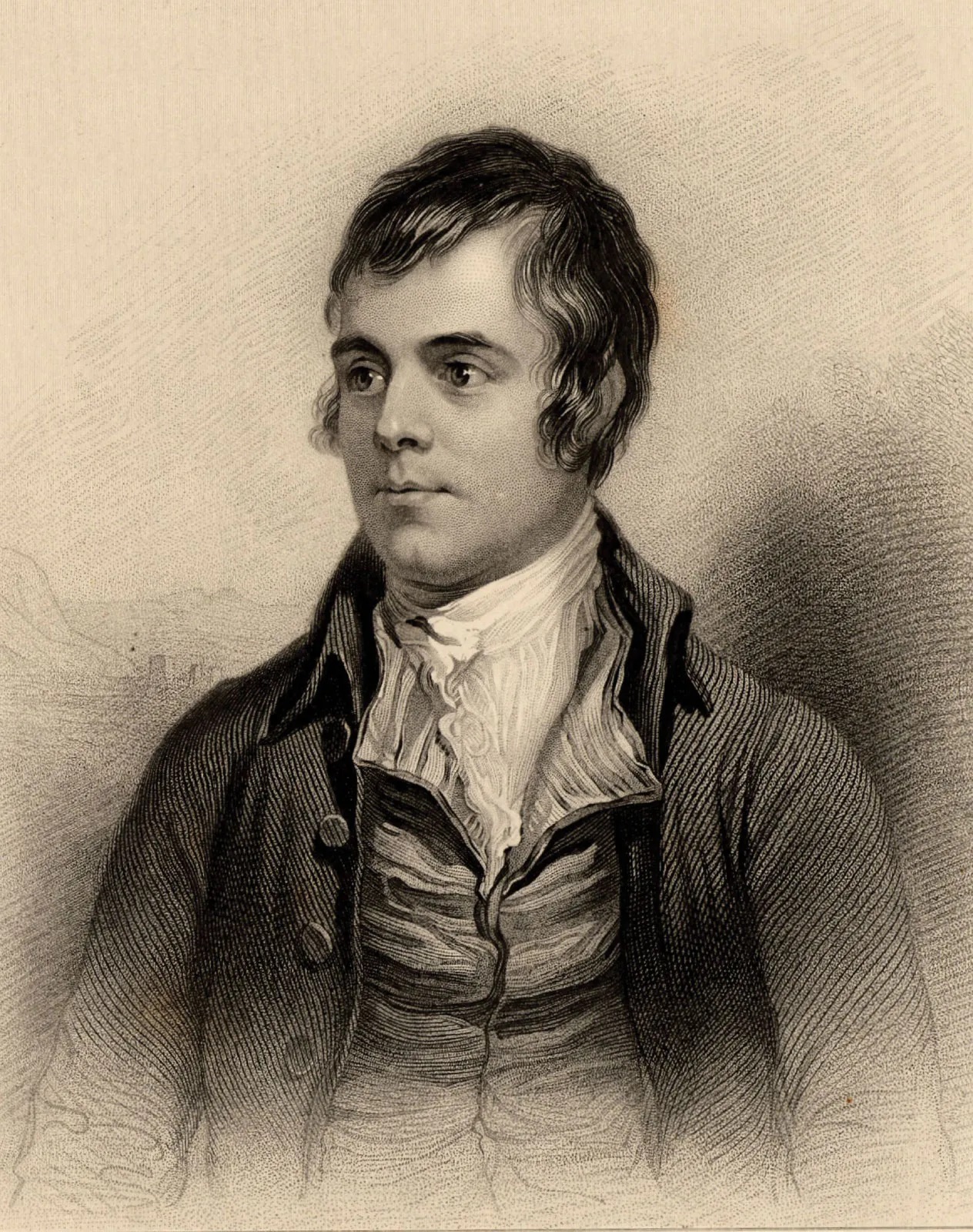
Revered as Scotland’s National Poet, Robert Burns-affectionately called The Bard-captured the soul of a nation through poetry and song. His verses, including Auld Lang Syne, Tam o’ Shanter, and A Red, Red Rose, celebrate love, equality, and human dignity in the Scots dialect.
Burns Night, held annually on his birthday, honors not just his literary genius but his belief that “a man’s a man for a’ that.” His influence reaches from literature to social justice and national identity.
Buried in St Michael’s Churchyard(mausoleum 1817). Burns Night(Jan 25)celebrated globally; statue in Dumfries, Edinburgh, and NYC. UNESCO Memory of the World Register.
For More Details: Robert Burns - The Man, The Myth, The Legacy
28. Henry Raeburn (1756–1823)
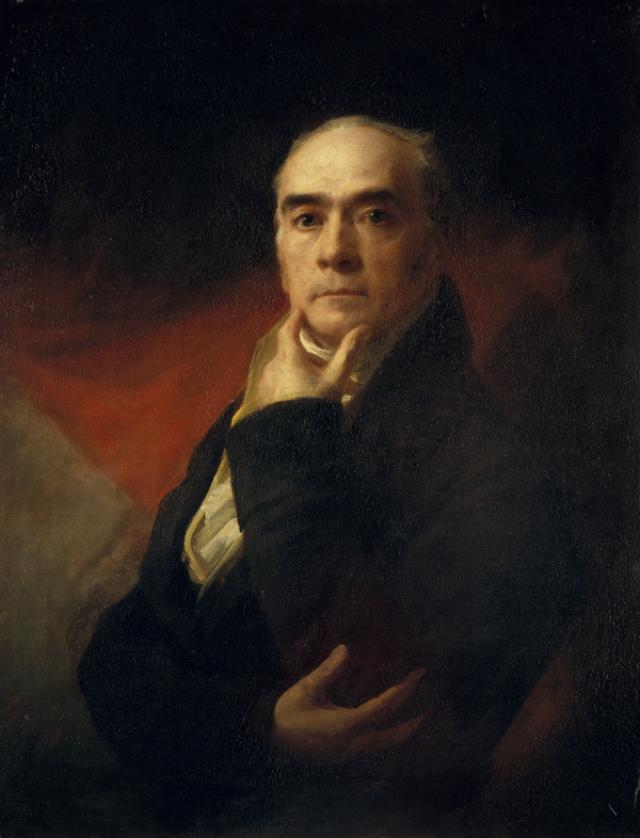
Sir Henry Raeburnwas the preeminent portrait painter of the Romantic era, immortalizing Scotland’s Enlightenment elite with a sensitivity and vibrancy unmatched by his contemporaries. His most famous work, The Skating Minister, captures the balance between grace and intellect that defined the age.
First Scottish artist to gain international fame. Studio at 32 York Place(now private). Over 1,000 works; major collection at Scottish National Gallery. Died in Edinburgh; buried in St Cuthbert’s.
29. Sir Walter Scott (1771–1832)
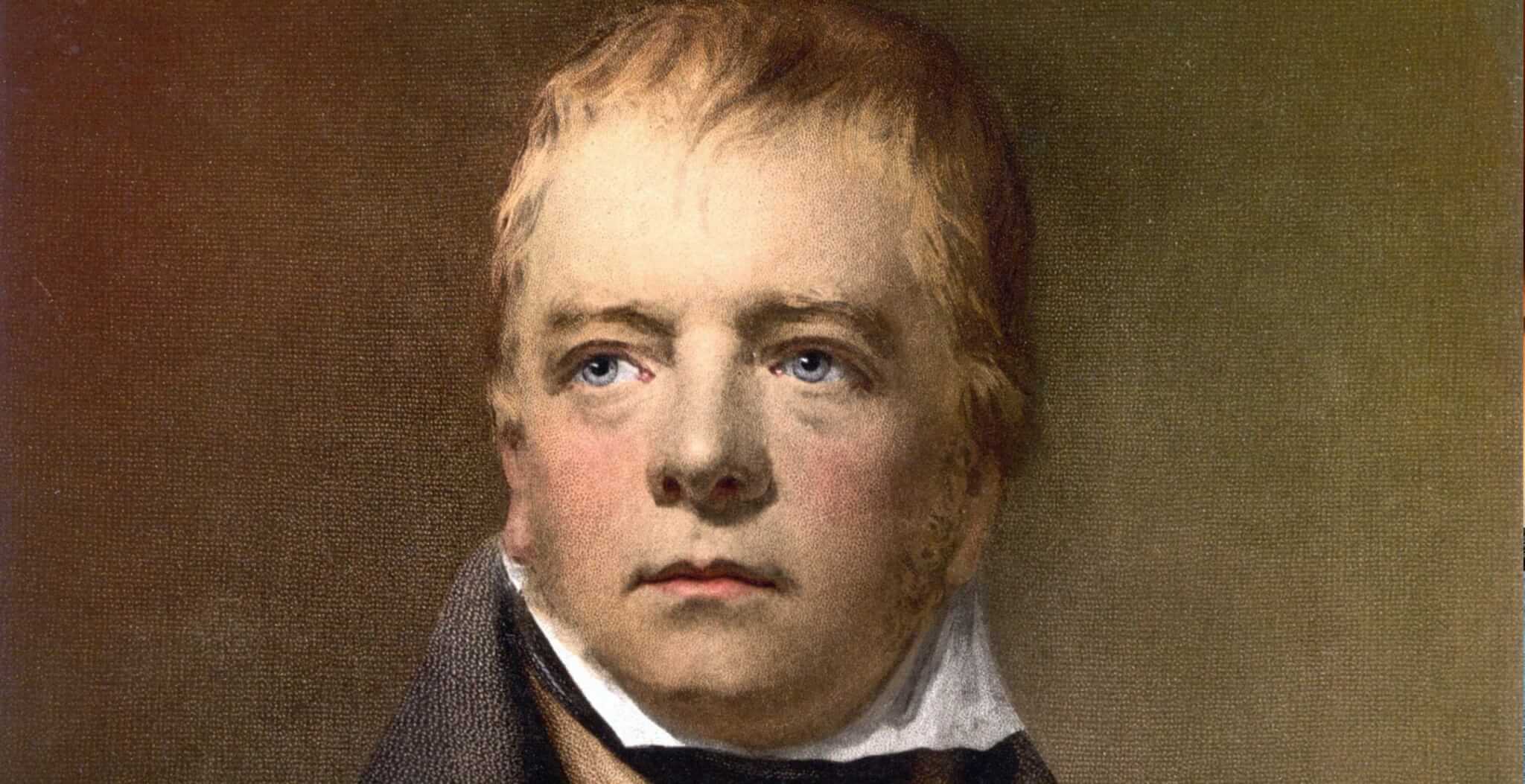
Born in Edinburgh(College Wynd, Old Town). Survived polio (limp); trained as lawyer. Minstrelsy of the Scottish Border (1802–03)collected ballads. The Lay of the Last Minstrel (1805)-first major poem.
The first great historical novelist, Sir Walter Scottcreated a global literary phenomenon with works like Waverley, Rob Roy, and Ivanhoe. His writing celebrated Scotland’s folklore, landscapes, and heroism while exploring themes of national identity and reconciliation.
Beyond literature, Scott’s revival of Scottish culture-from tartan traditions to Highland pride-helped shape the romantic image of Scotland that endures in the world’s imagination.
Died at Abbotsford; buried in Dryburgh Abbey. Scott Monument (Edinburgh, 1846)-world’s largest to a writer. Global sales: 20+ million in his lifetime.
30. Thomas Carlyle (1795–1881)
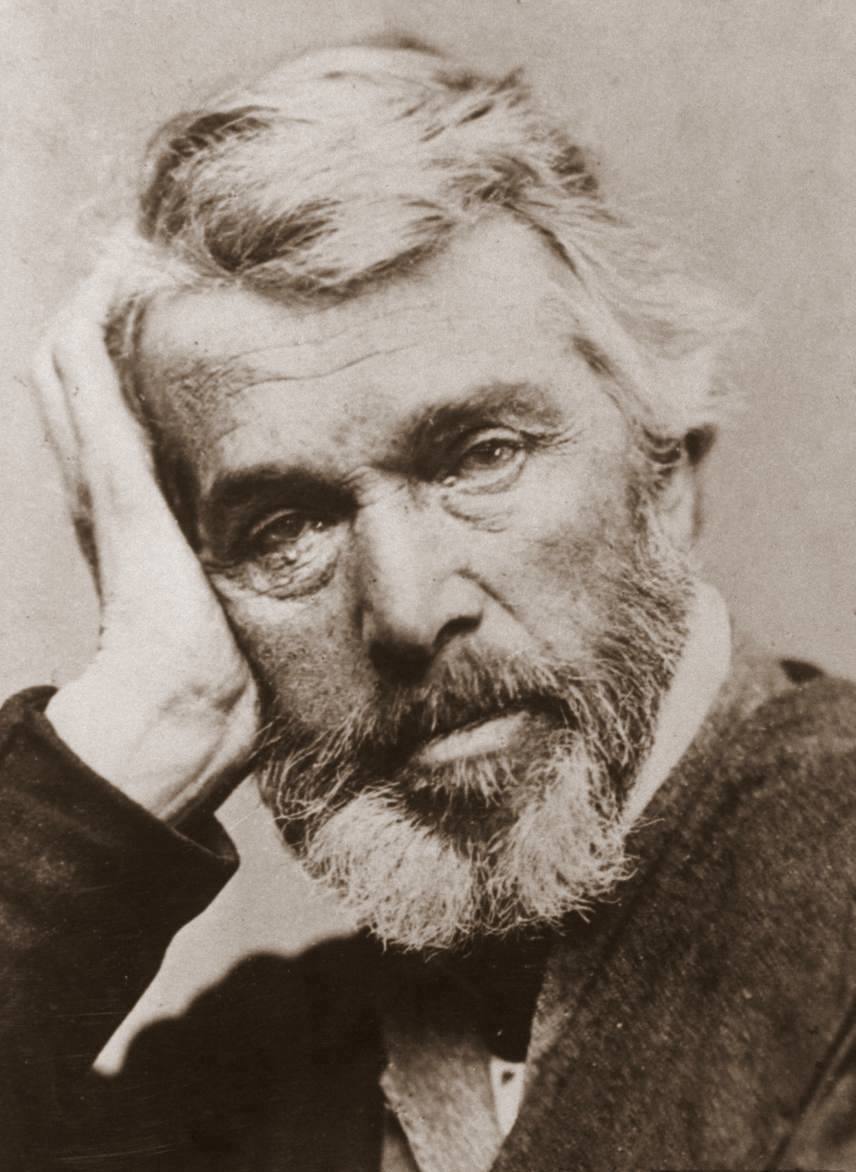
Born in Ecclefechan, Dumfriesshire-son of stonemason. Thomas Carlyle, historian, essayist, and philosopher, transformed historical writing with his passionate, moralistic prose.
His work The French Revolution: A Historybroke from dry chronology, using narrative energy and emotional depth to make history feel alive. Carlyle believed in the power of great individuals-heroes who shape history through vision and will.
His ideas influenced thinkers such as John Ruskin and Ralph Waldo Emerson and helped bridge the Romantic and Victorian eras.
Lived in Chelsea, London (1834–81)-house now museum. Died in London; buried in Ecclefechan. Carlyle’s House (Chelsea) and Thomas Carlyle Museum(Ecclefechan) preserve his legacy. Influenced Marx, Dickens, and Hitler.
31. Robert Louis Stevenson (1850–1894)
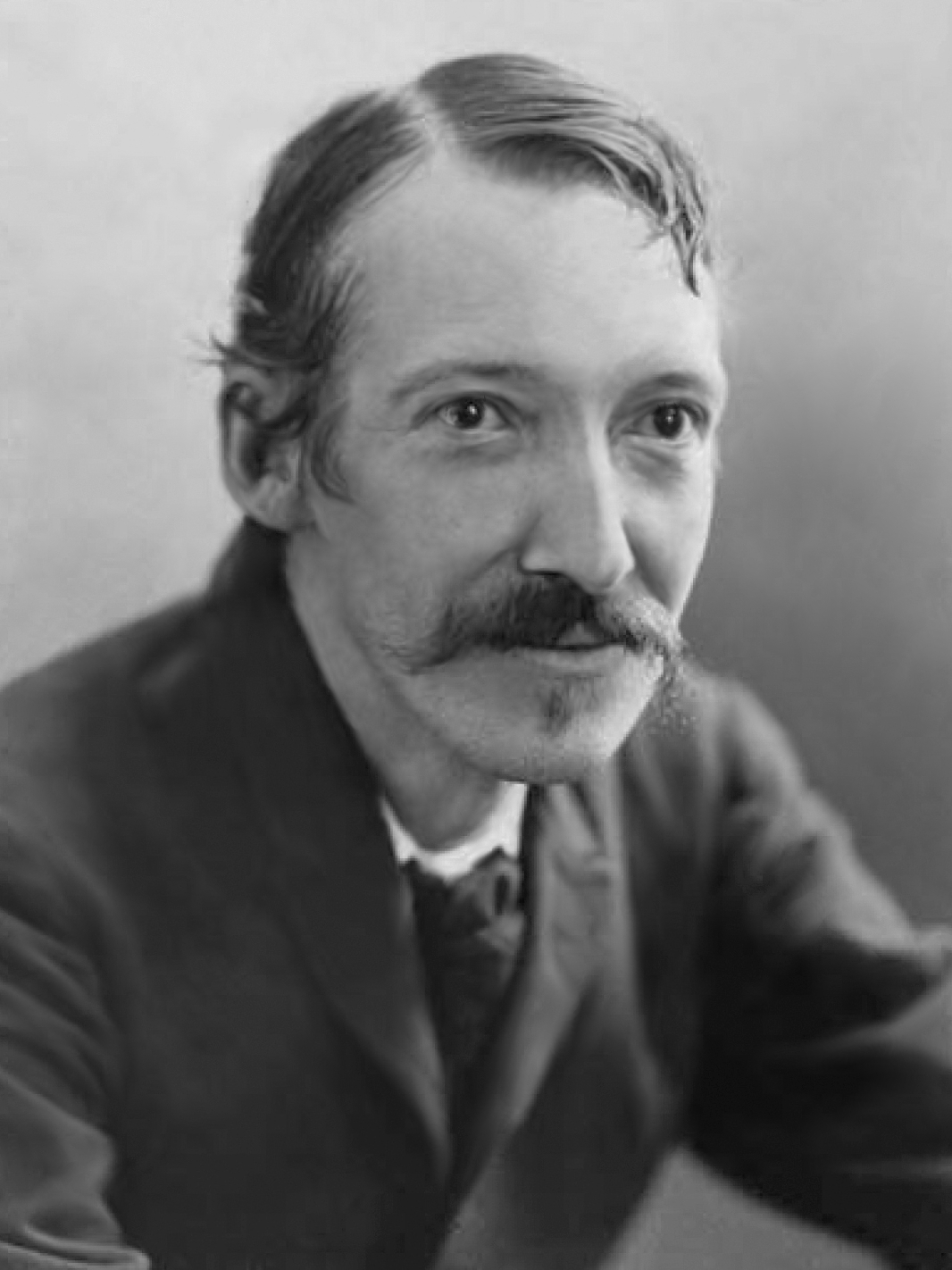
Born in Edinburgh(8 Howard Place). Robert Louis Stevensonblended adventure with psychological depth in classics like Treasure Island, Kidnapped, and Strange Case of Dr. Jekyll and Mr. Hyde.
A master storyteller, he examined the dualities of human nature and morality in a way that still feels modern. Born in Edinburgh and plagued by ill health, Stevenson’s imagination roamed the world-from the Scottish Highlands to the South Pacific. His works remain cornerstones of world literature.
32. Sir Arthur Conan Doyle (1859–1930)
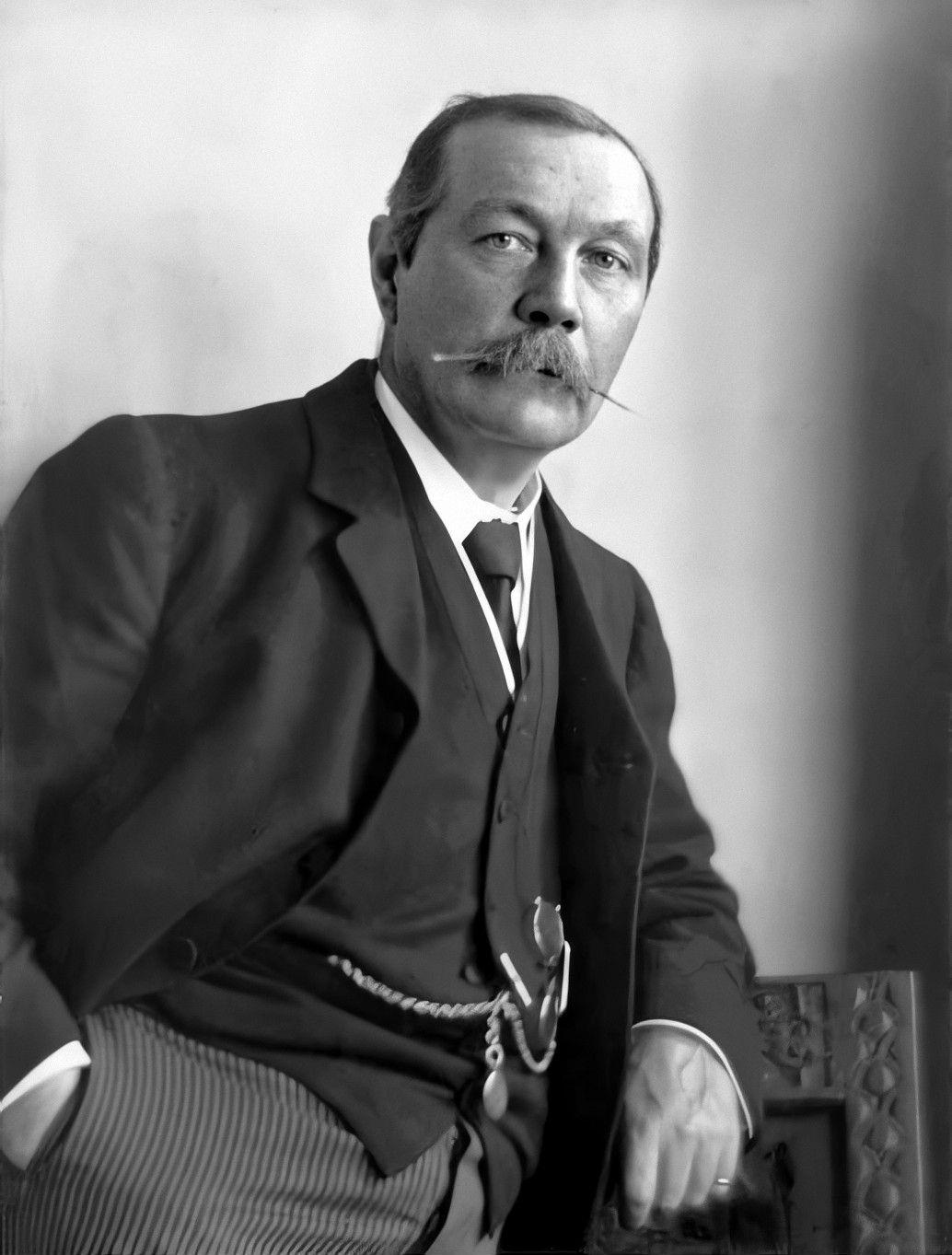
Born in Edinburgh(11 Picardy Place). Studied medicine at Edinburgh University under Dr. Joseph Bell (model for Sherlock Holmes). A physician turned writer, Sir Arthur Conan Doylecreated one of fiction’s most enduring characters: Sherlock Holmes, the brilliant detective of logic and deduction. His stories revolutionized crime fiction, blending scientific reasoning with thrilling narrative.
Beyond Holmes, Doyle wrote historical novels and championed spiritualism, reflecting the era’s tension between science and faith. His influence persists in every detective story written since.
Died in Crowborough, Sussex; buried in Minstead, New Forest. Undershaw(former home) now a Holmes museum. Conan Doyle Pub in Edinburgh. Over 60 films/TV adaptations; “Elementary, my dear Watson”(not in original texts).
33. James Matthew Barrie (1860–1937)
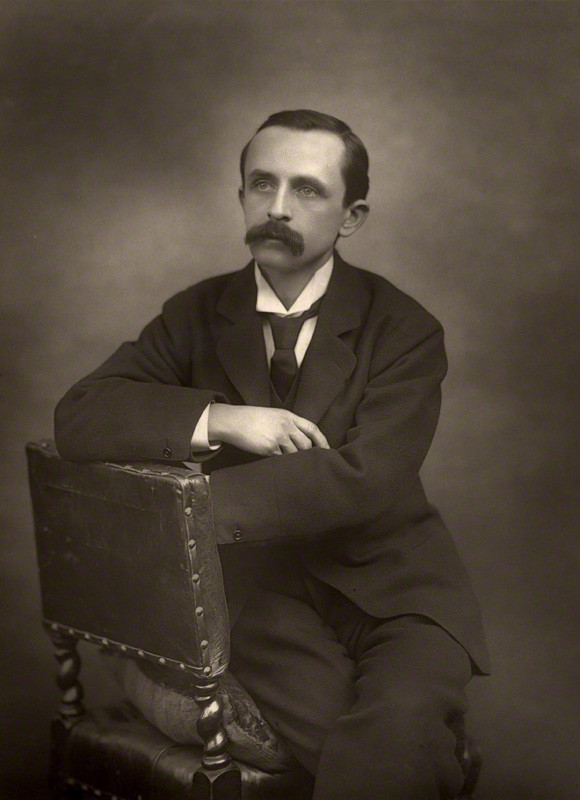
Born in Kirriemuir, Angus-ninth of ten children. J.M. Barriegave the world Peter Pan, the boy who wouldn’t grow up-a character that became a timeless symbol of imagination and innocence.
Drawing from his Scottish upbringing and themes of childhood wonder, Barrie created a mythic world that transcends generations. His philanthropy, including endowing university chairs and funding children’s hospitals, reflected his belief that creativity should serve humanity as well as art.
Died in London; ashes in Kirriemuir Cemetery. Peter Pan statuein Kensington Gardens (1912). J.M. Barrie’s Birthplace(NTS museum). Moat Brae (Dumfries) restored as Peter Pan Centre.
34. Charles Rennie Mackintosh (1868–1928)
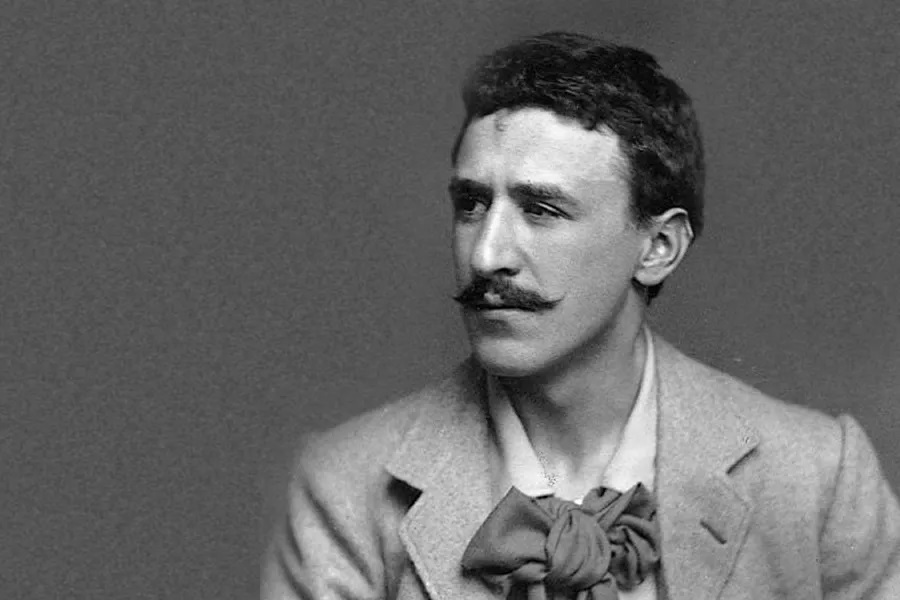
A visionary architect, artist, and designer, Charles Rennie Mackintoshmerged the Arts and Crafts movementwith early Art Nouveau, forging the distinctive “Glasgow Style.”
His work on the Glasgow School of Art, Hill House, and elegant furniture design combined geometry, nature, and symbolism in ways that prefigured modernism. Mackintosh’s aesthetic influence continues to inspire architects and designers worldwide.
35. Harry Lauder (1870–1950)
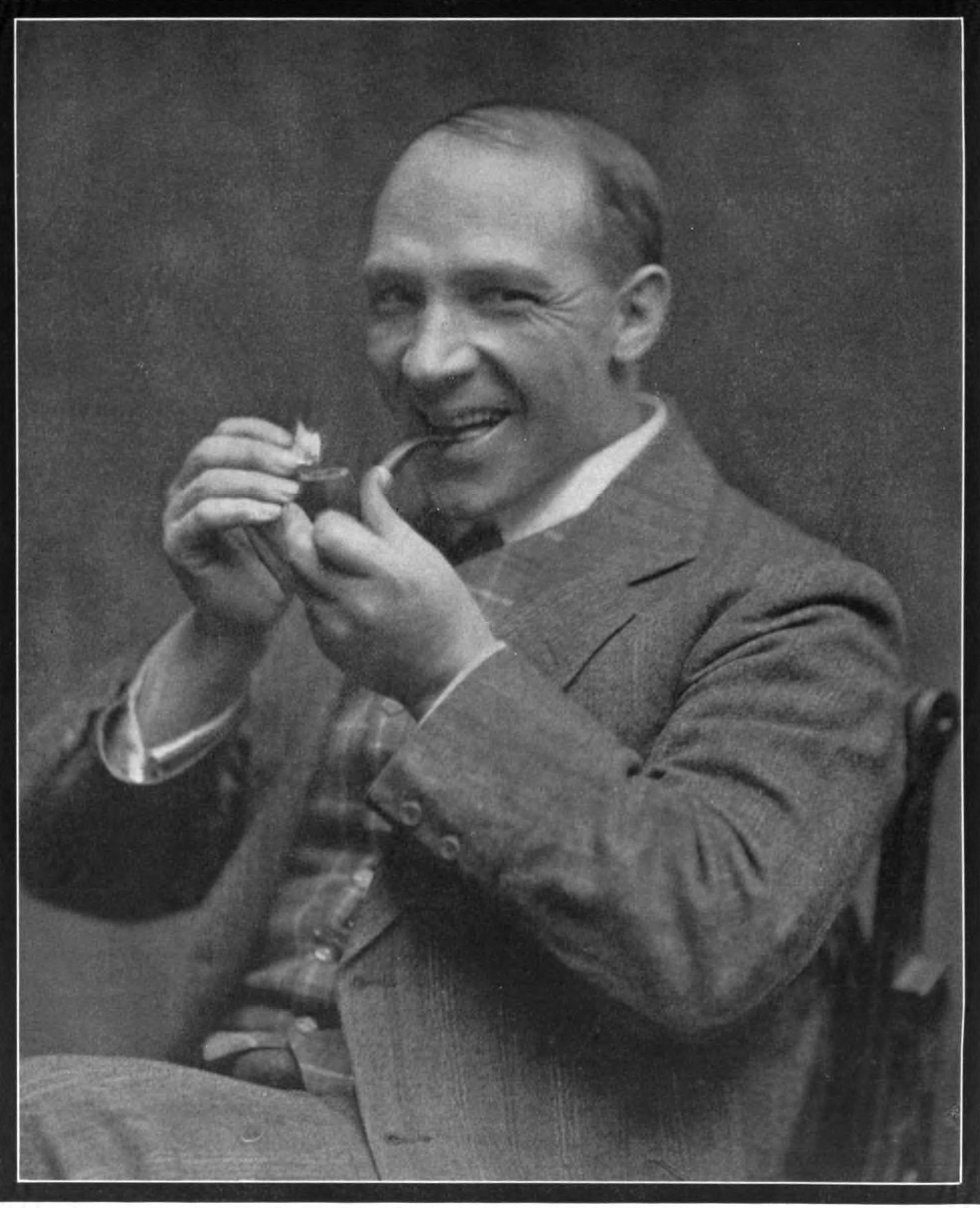
Born Henry McLennan Lauder in Portobello, Edinburgh. Sir Harry Lauderwas one of the world’s first international entertainment superstars. A singer, comedian, and songwriter, he toured globally in the early 20th century with his signature cane, kilt, and rolling Scottish humor.
During World War I, he boosted morale with patriotic performances, later receiving a knighthood for his contributions. Lauder’s music hall charisma made him a beloved ambassador of Scottish culture.
Died in Strathaven, Lanarkshire; buried in Bent Cemetery, Hamilton. Sir Harry Lauder Memorial Garden (Portobello). Kilt, crooked cane, and catchphrase “Aye, that’s a braw nicht the nicht!” iconic.
36. Nigel Tranter (1909–2000)
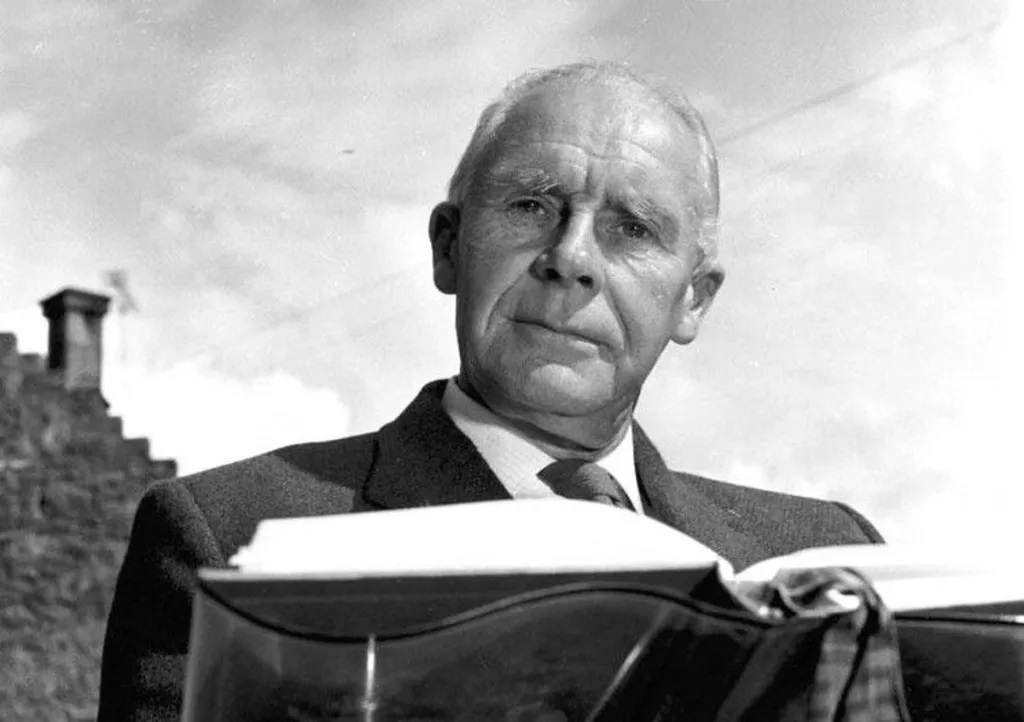
Born in Edinburgh. He left school at 17 and trained as accountant. A prolific historical novelist, Nigel Tranterdedicated his career to chronicling Scotland’s past. His meticulously researched works-over 100 novels-breathed life into figures from Wallace to Mary, Queen of Scots.
Through storytelling, he preserved and popularized Scottish historyfor new generations, earning him recognition as one of the nation’s most important literary historians.
Died in Gullane, East Lothian; buried in Aberlady Churchyard. Nigel Tranter Trail (East Lothian) and Tranter’s Tower (Abbotsford). Books sold 6+ million; “Scotland’s Storyteller”.
37. Alexander McCall Smith (1948–Present)
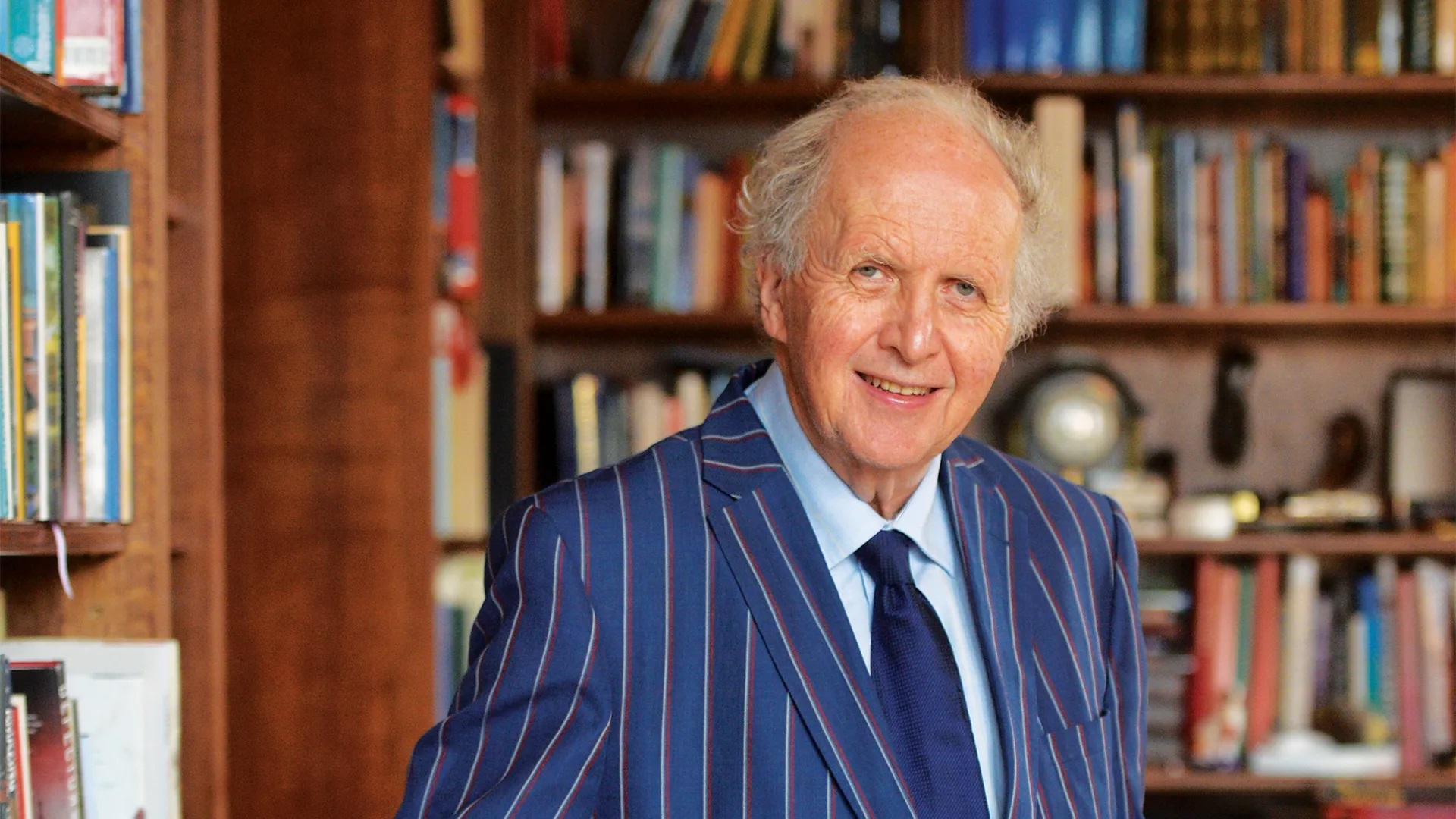
Born in Bulawayo, Southern Rhodesia (Zimbabwe); Scottish parents. A modern literary voice of warmth and wisdom, Alexander McCall Smithis best known for The No. 1 Ladies’ Detective Agencyseries, set in Botswana.
Equally acclaimed are his 44 Scotland Streetnovels, which capture the humor and humanity of contemporary Scottish life. His gentle storytelling celebrates community, kindness, and moral reflection, bridging the gap between literary and popular fiction.
38. J.K. Rowling (1965–Present)
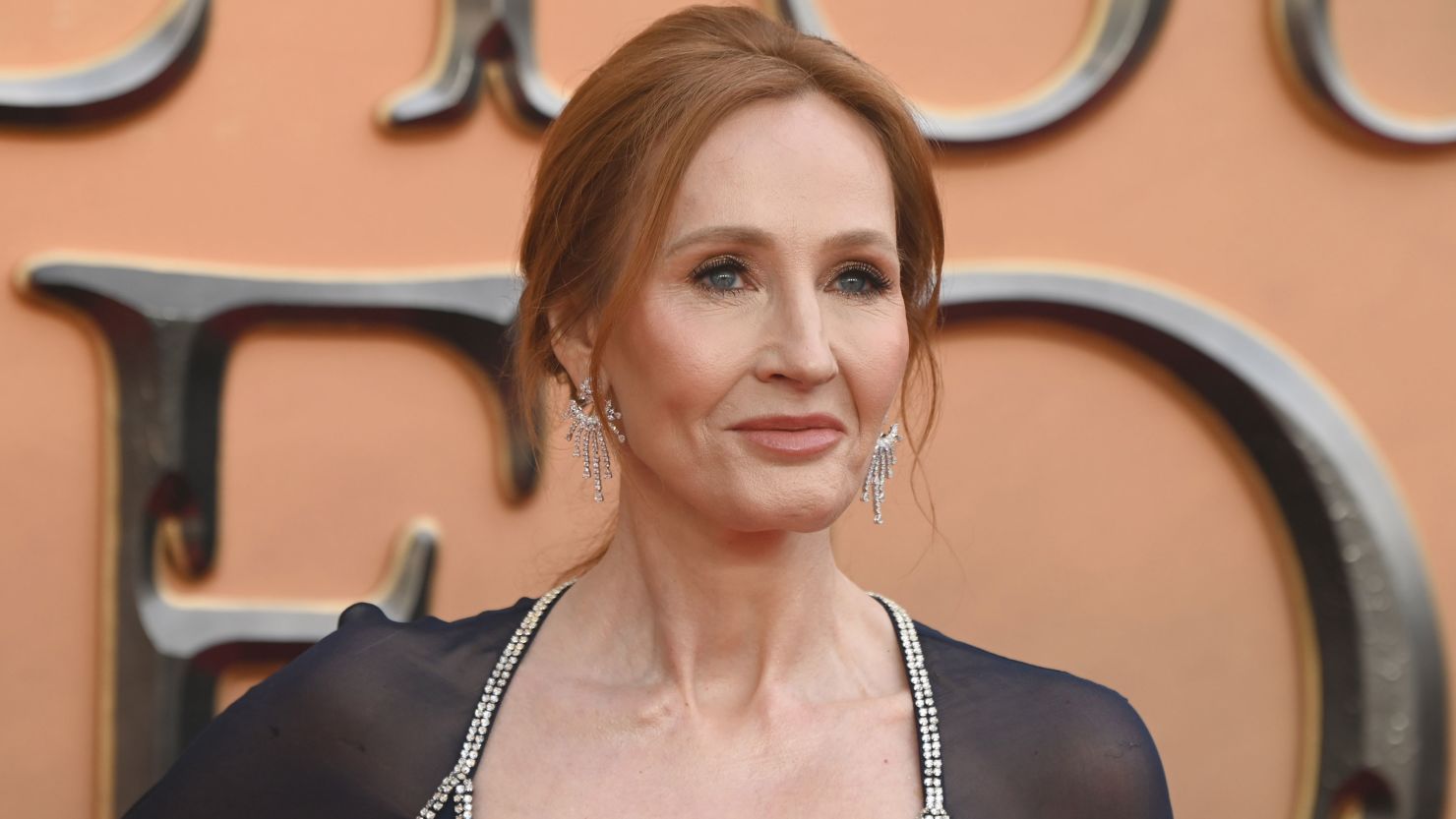
Born Joanne Rowling in Yate, Gloucestershire-not Scottish by birth, but Edinburgh resident since 1993. A modern literary voice of warmth and wisdom, Alexander McCall Smithis best known for The No. 1 Ladies’ Detective Agencyseries, set in Botswana.
Equally acclaimed are his 44 Scotland Streetnovels, which capture the humor and humanity of contemporary Scottish life. His gentle storytelling celebrates community, kindness, and moral reflection, bridging the gap between literary and popular fiction.
39. Limmy (Brian Limond) (1974–Present)
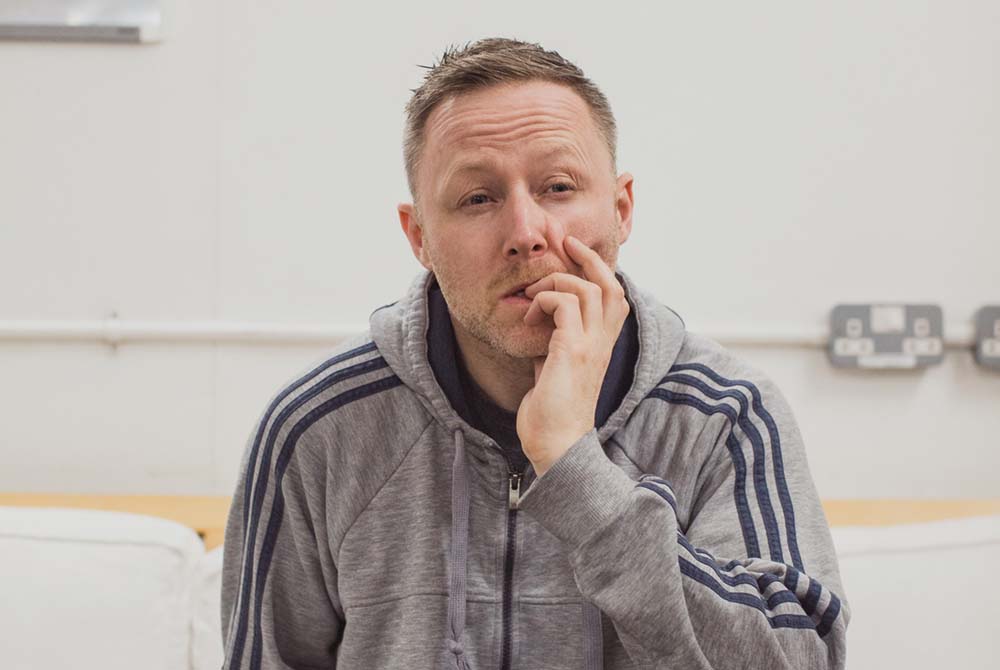
Born in Glasgow (Carnwadric). Self-taught web designer. Brian “Limmy” Limondstands as a distinctly modern Scottish creative-comedian, writer, and digital storyteller whose surreal humor and social commentary reinvented the sketch show format.
Limmy’s Show!became a cult classic, blending absurdity, introspection, and the internet-age psyche. As both author and performer, Limmy captures the wit, melancholy, and inventiveness of 21st-century Scotland.
Find Out More: 50 Scottish Poets - Their Lives, Works & Impact
Famous Scottish Actors, Musicians, And Chefs
The most famous Scottish celebrities in the 21st centurycontinue to dominate film, music, and the culinary world.
40. Lulu (Marie Lawrie) (1948–Present)
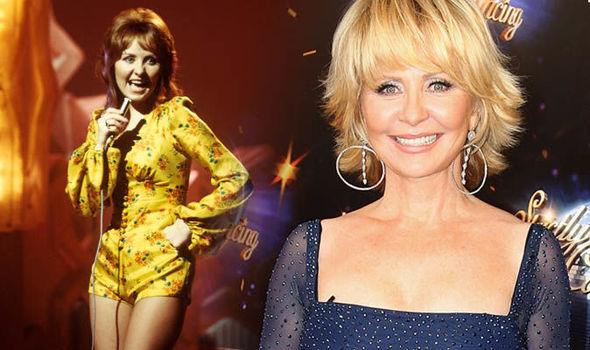
Born Marie McDonald McLaughlin Lawrie in Lennoxtown, Stirlingshire. A powerhouse of pop and personality, Luluburst onto the scene in the 1960s with her energetic hit “Shout.”
Her dynamic voice and vivacious stage presence made her one of Britain’s first female pop icons. She went on to win the Eurovision Song Contest (1969)with “Boom Bang-a-Bang”and achieved continued success in film (To Sir, with Love) and television.
Lulu’s enduring charm and vocal versatility have kept her a national treasure for more than six decades. Lives in London; Lulu Kennedy-Cairns after marriage to John Frieda. Iconic red hair and powerhouse voice.
41. Annie Lennox (1954–Present)
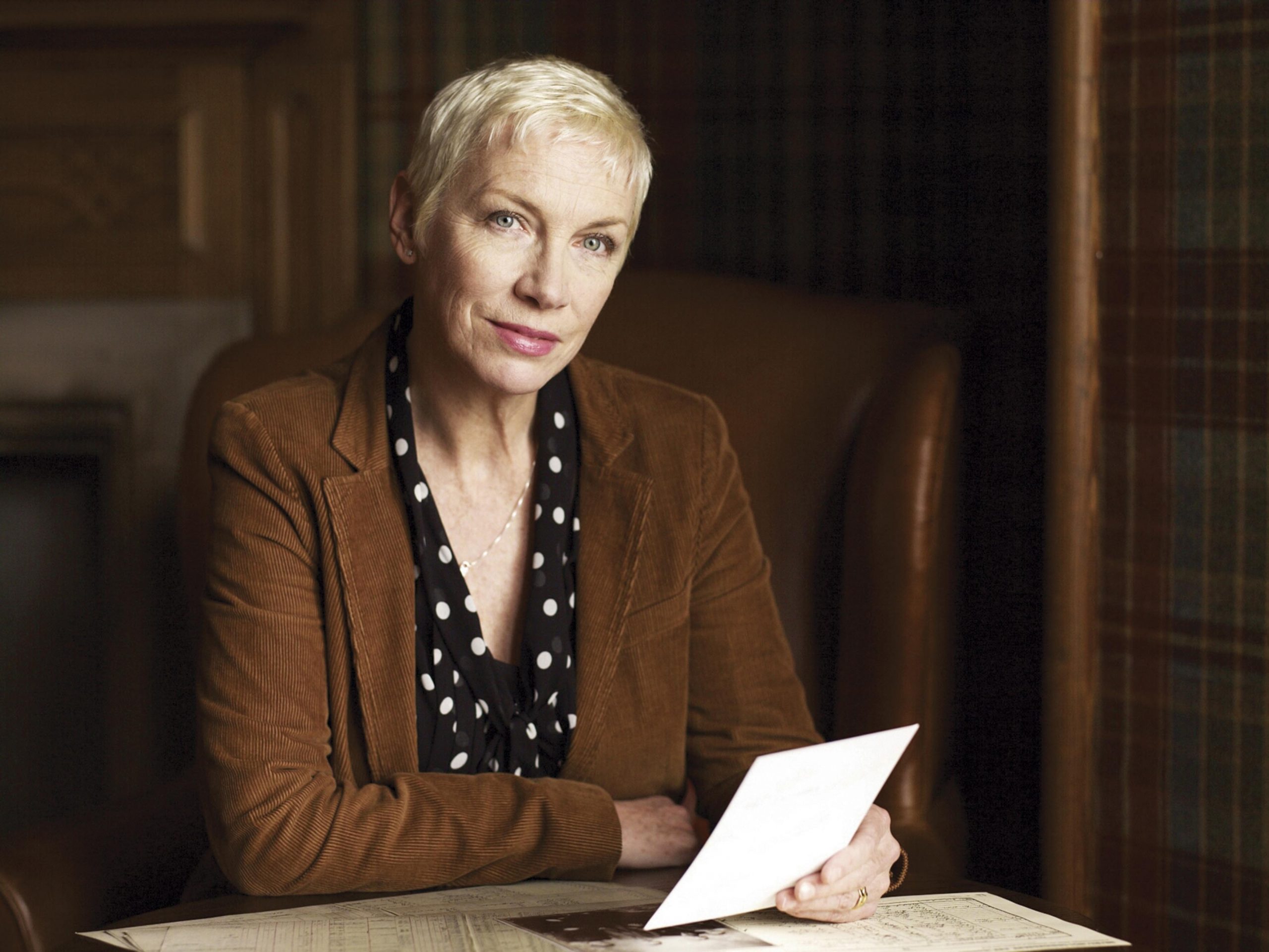
Born in Aberdeen. Known for her soulful contralto and striking androgynous style, Annie Lennoxrose to global fame as one half of the synth-pop duo Eurythmics, producing timeless hits like “Sweet Dreams (Are Made of This)”and “Here Comes the Rain Again.”Her solo career brought critical acclaim, with albums like Divashowcasing her range and depth.
Beyond music, Lennox is a UN AIDS Goodwill Ambassadorand humanitarian, blending artistry with activism. She remains one of the most influential voices in modern Scottish music.
42. Tilda Swinton (1960–Present)
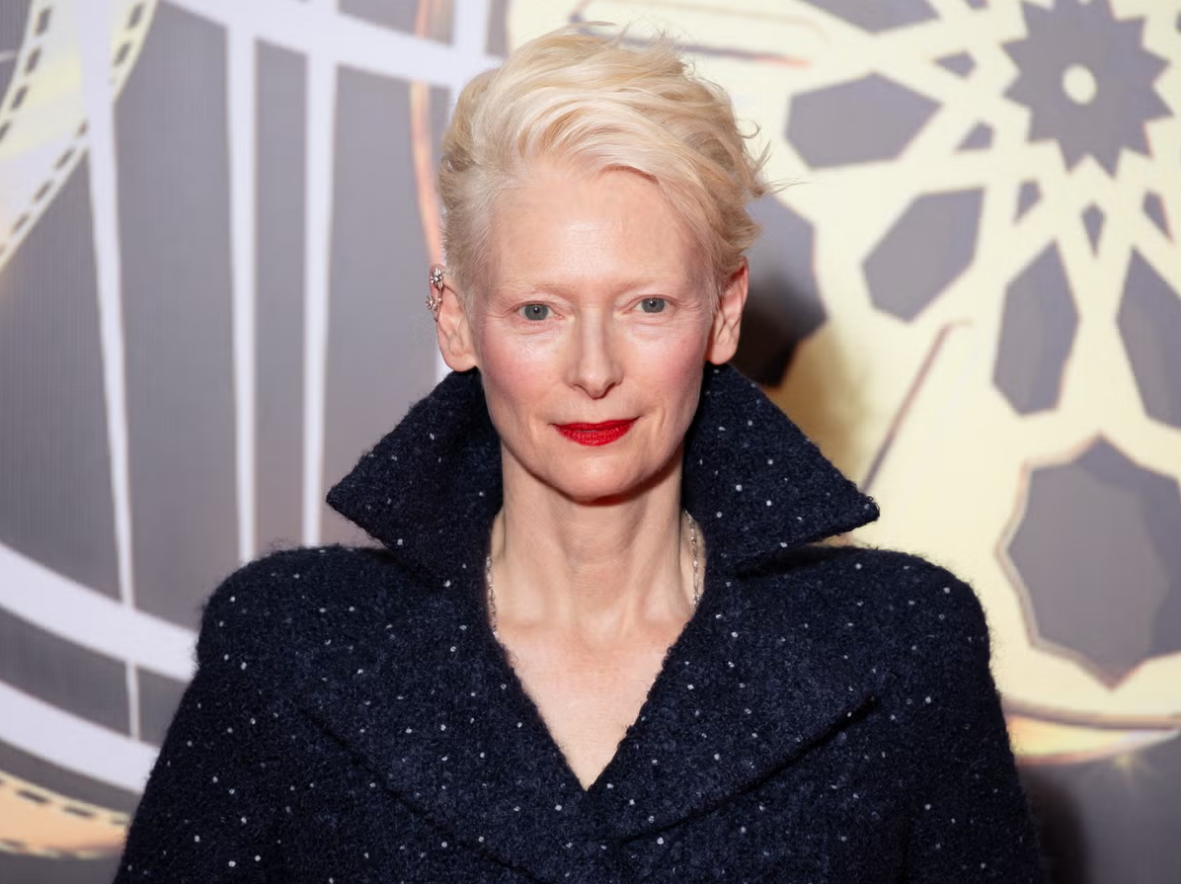
Born Katherine Matilda Swinton in London-ancient Scottish lineage (Swinton of Kimmerghame, Berwickshire). A defining figure of contemporary cinema, Tilda Swintonis revered for her fearless and unconventional approach to acting.
Her roles in Michael Clayton(for which she won the Academy Award for Best Supporting Actress), We Need to Talk About Kevin, and The Chronicles of Narniahighlight her extraordinary versatility.
Swinton’s career bridges mainstream and avant-garde film, from Marvel’s Doctor Strangeto arthouse collaborations with Wes Anderson. She epitomizes the intellectual, boundary-pushing artistry that has come to define the modern Scottish performer.
43. Craig Ferguson (1962–Present)
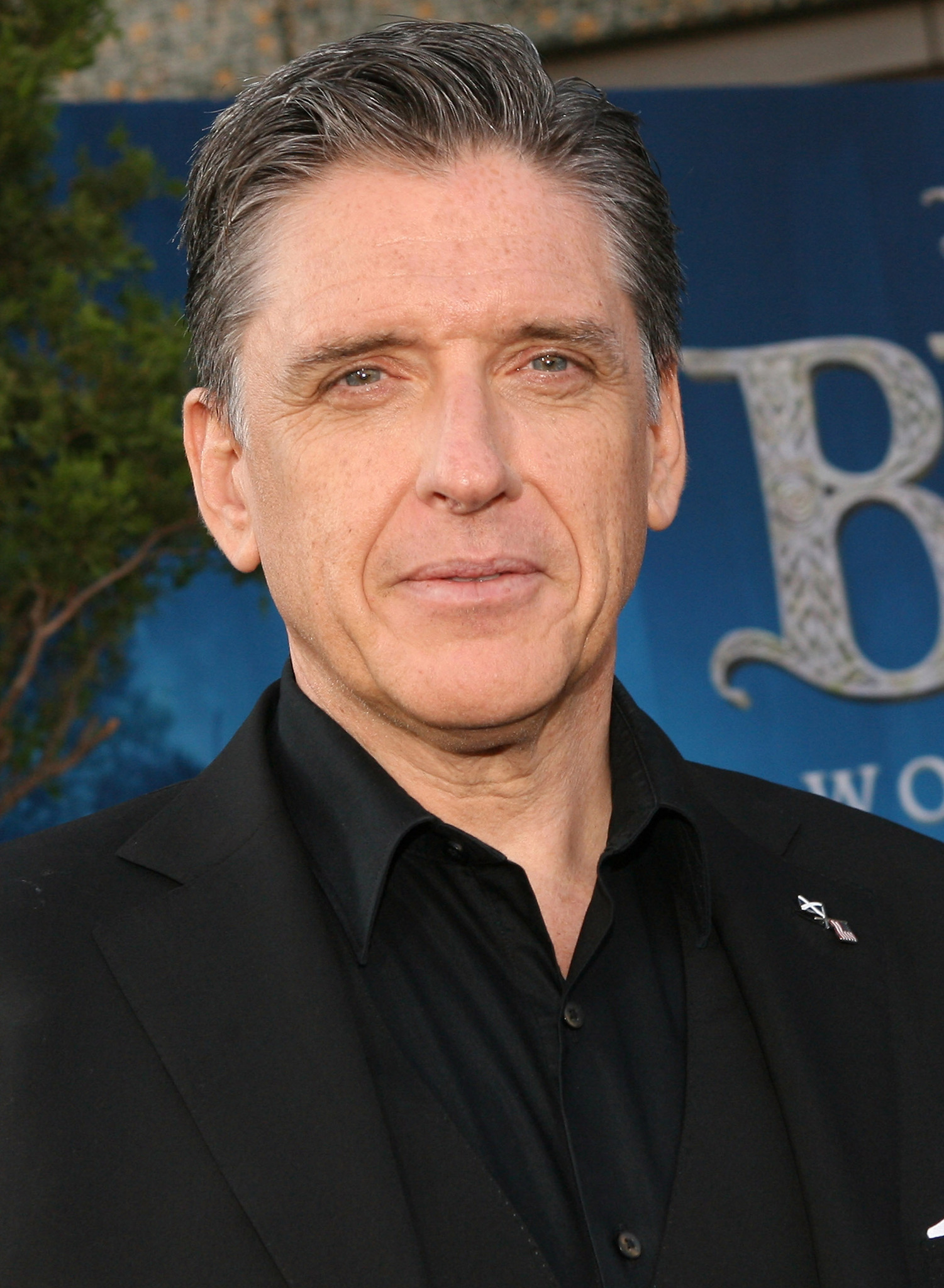
Born in Springburn, Glasgow. Comedian, actor, and talk-show host Craig Fergusonbrought Scottish wit to American late-night television with The Late Late Show with Craig Ferguson(2005–2014).
His unscripted, conversational style and sharp humor made him a fan favorite and a trailblazer in authentic, spontaneous entertainment. Beyond comedy, Ferguson has authored novels and performed stand-up worldwide, remaining one of Scotland’s most charismatic exports.
44. Gordon Ramsay (1966–Present)
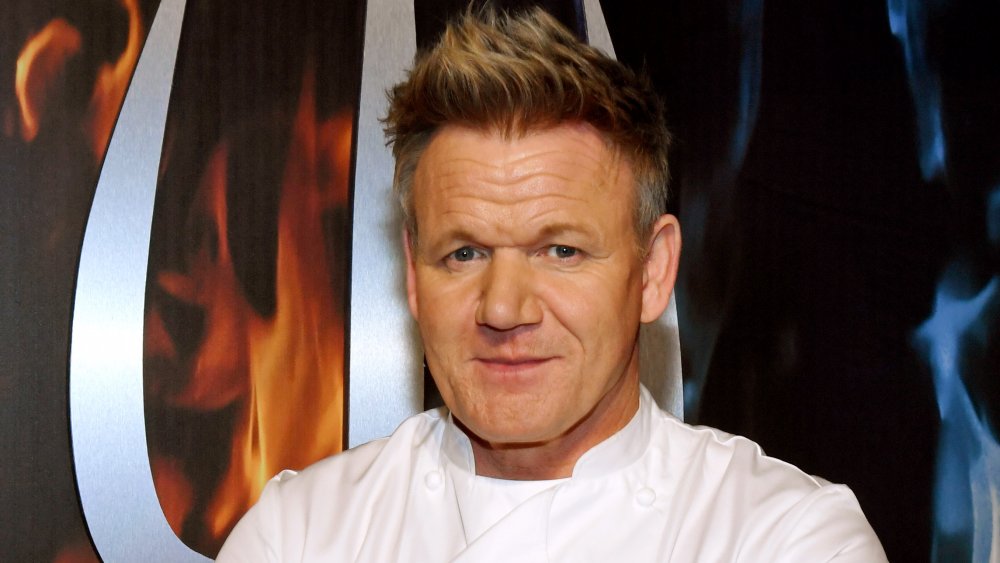
Born in Johnstone, Renfrewshire-raised in Stratford-upon-Avon from age 5. Few names in the culinary world are as recognizable-or as fiery-as Gordon Ramsay. Born in Johnstone, Scotland, he built a global empire of Michelin-starred restaurants and hit TV shows like Hell’s Kitchen, MasterChef, and Kitchen Nightmares.
Renowned for his perfectionism and intensity, Ramsay transformed cooking into performance art, turning chefs into celebrities. Today, he’s as much an educator and entrepreneur as a restaurateur, shaping the modern food industry worldwide.
45. Gerard Butler (1969–Present)
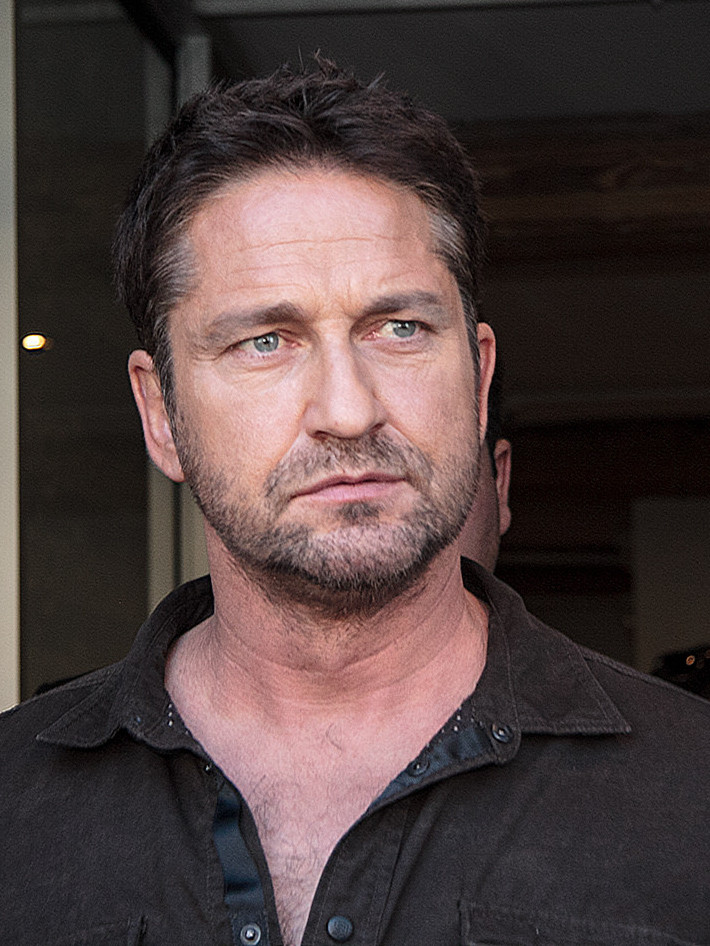
Born in Paisley, Renfrewshire-eldest of three. Law graduate (Glasgow University); president of Law Society. A versatile actor with a commanding screen presence, Gerard Butlerachieved international fame as King Leonidasin 300(2006), delivering one of cinema’s most quoted lines: “This is Sparta!” From action hits like Olympus Has Fallento romantic dramas like P.S. I Love You, Butler combines physicality with emotional range.
His charisma has made him a consistent leading man in Hollywood and one of the most recognizable Scottish actorsof the modern era.
46. Ewan McGregor (1971–Present)
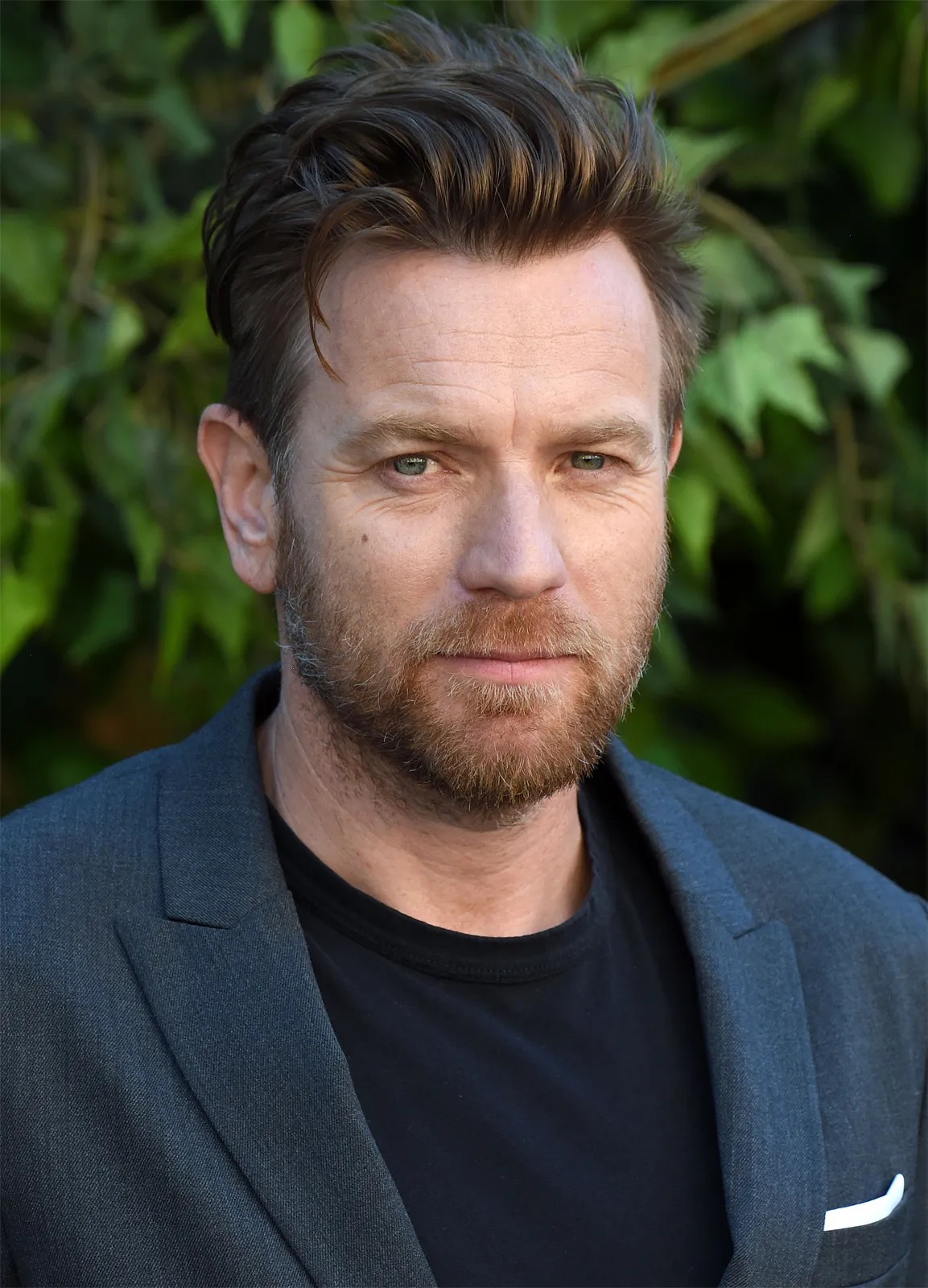
Born in Perth; raised in Crieff. Left school at 16 for Perth Repertory Theatre. Ewan McGregor’s career spans cult classics, blockbusters, and musical masterpieces. He first gained fame as Mark Rentonin Trainspotting(1996), then reached global stardom as Obi-Wan Kenobiin Star Wars.
His performances in Moulin Rouge!and Halstonshowcase his range and charm. A passionate motorcyclist, McGregor’s Long Way Roundtraveldocumentaries reveal a thoughtful, grounded side that complements his cinematic success.
47. David Tennant (1971–Present)
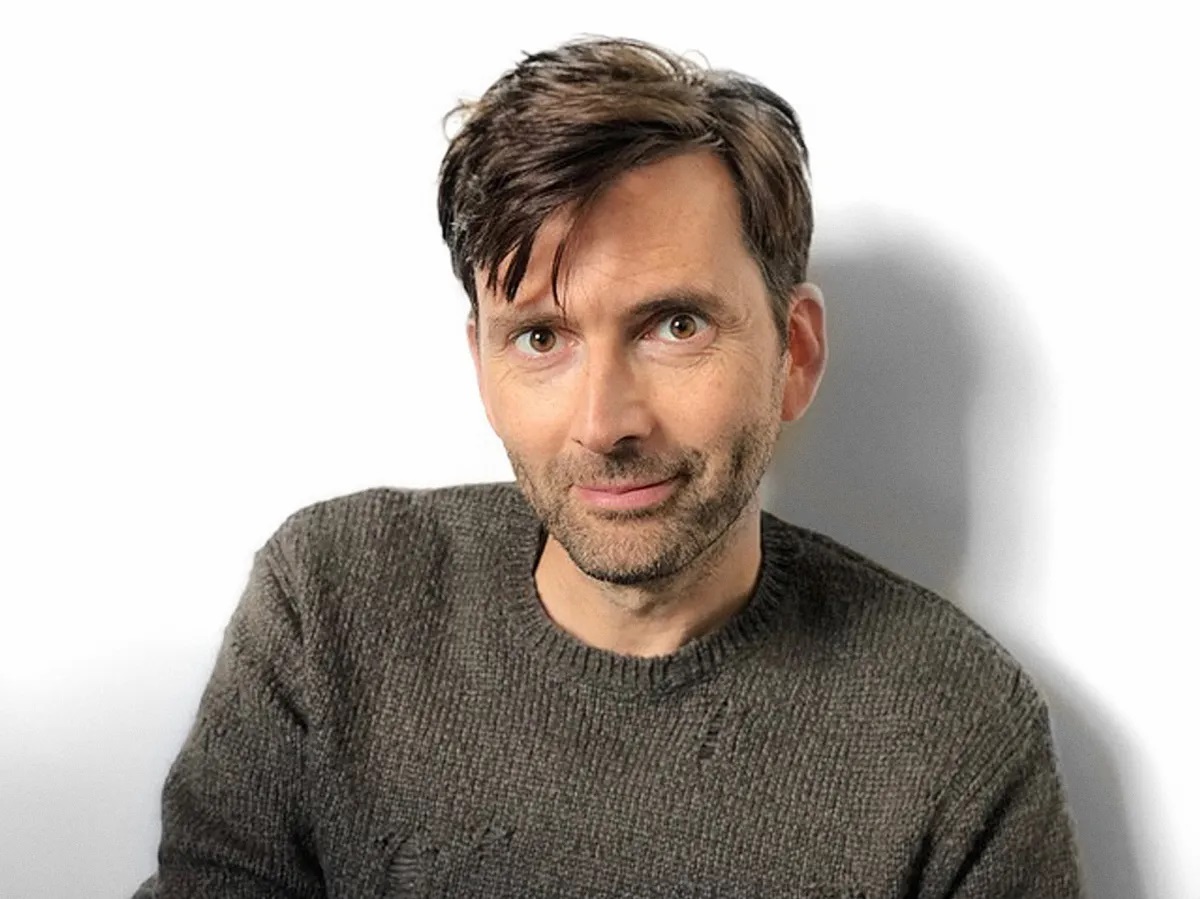
Born David John McDonaldin Bathgate, West Lothian. Changed name to Tennant(after Pet Shop Boys’ Neil Tennant) at 16. Royal Scottish Academy of Music and Drama. Universally beloved as the Tenth Doctor in Doctor Who, David Tennantis one of Britain’s most respected and versatile actors.
His performances in Broadchurch, Good Omens, and Desdemonstrate emotional depth and masterful range. Known for his expressive voice and intense charisma, Tennant’s work in theatre and television has earned him critical acclaim and a devoted international fan base. He represents the modern generation of Scottish talent-intelligent, expressive, and globally relevant.
48. James McAvoy (1979–Present)
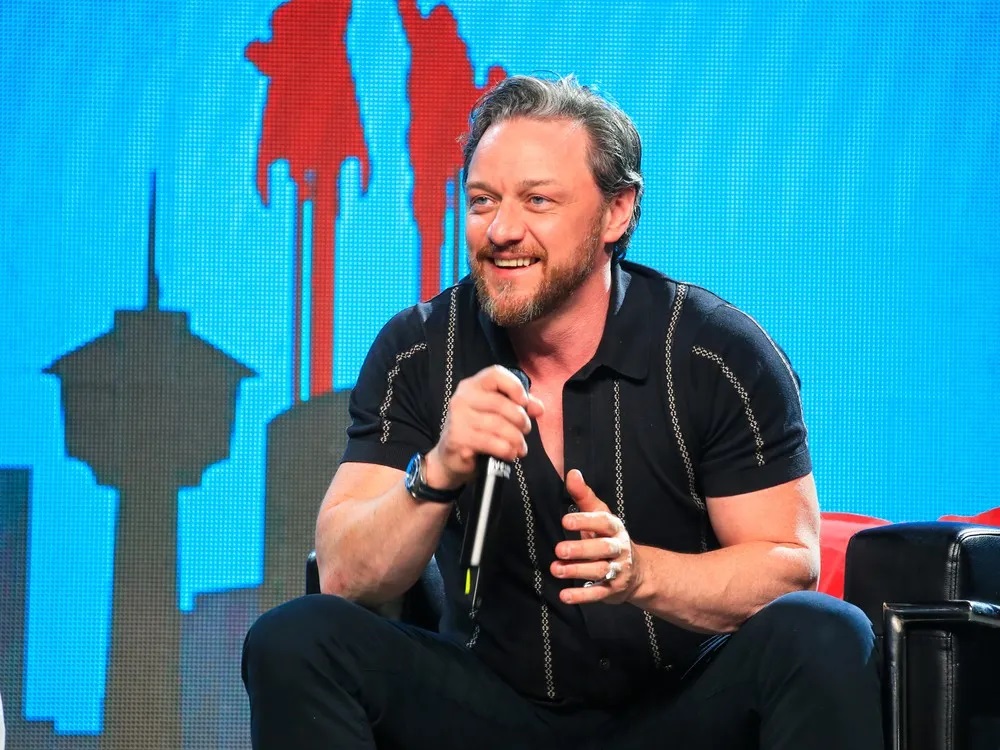
A dynamic and fearless performer, James McAvoyhas become one of Scotland’s most successful actors. From his breakout role in Atonementto his portrayal of Professor Charles Xavierin the X-Menfranchise, McAvoy demonstrates emotional range and physical intensity.
His transformative turn in Split(2016) highlighted his versatility, and his work in theatre has won equal praise. McAvoy’s dedication to craft and humility make him a modern ambassador of Scottish artistry.
49. Calvin Harris (1984–Present)
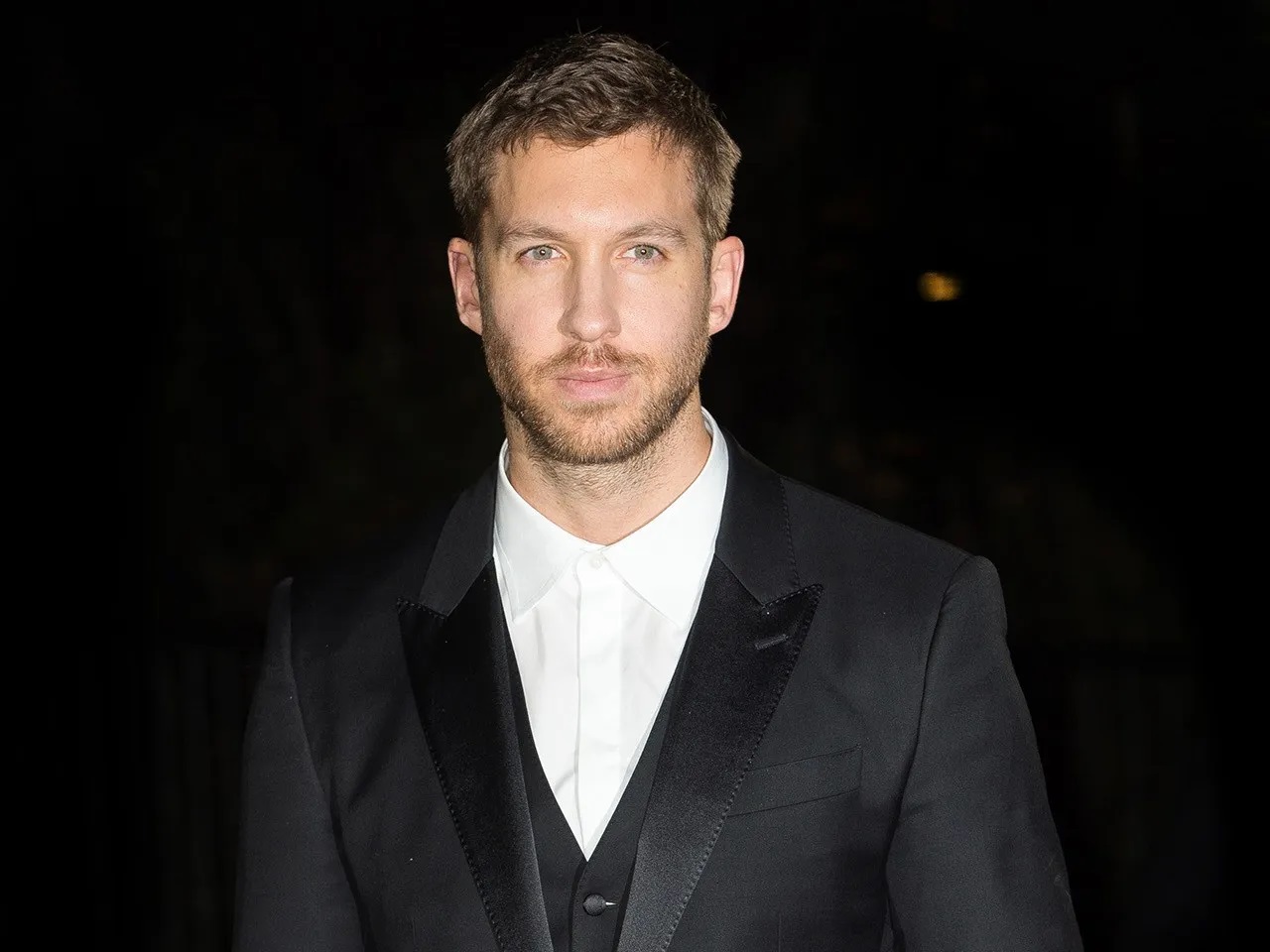
A global superstar in electronic music, Calvin Harris(born Adam Wiles) revolutionized modern pop and EDM. From humble beginnings in Dumfries to topping charts worldwide, Harris has collaborated with icons like Rihanna, Dua Lipa, and Ellie Goulding.
His anthems-“We Found Love”, “Summer”, “Feel So Close”-define the soundtrack of the 21st century. As one of the world’s highest-earning DJs, he’s elevated Scotland’s musical influence to international dominance.
50. Karen Gillan (1987–Present)
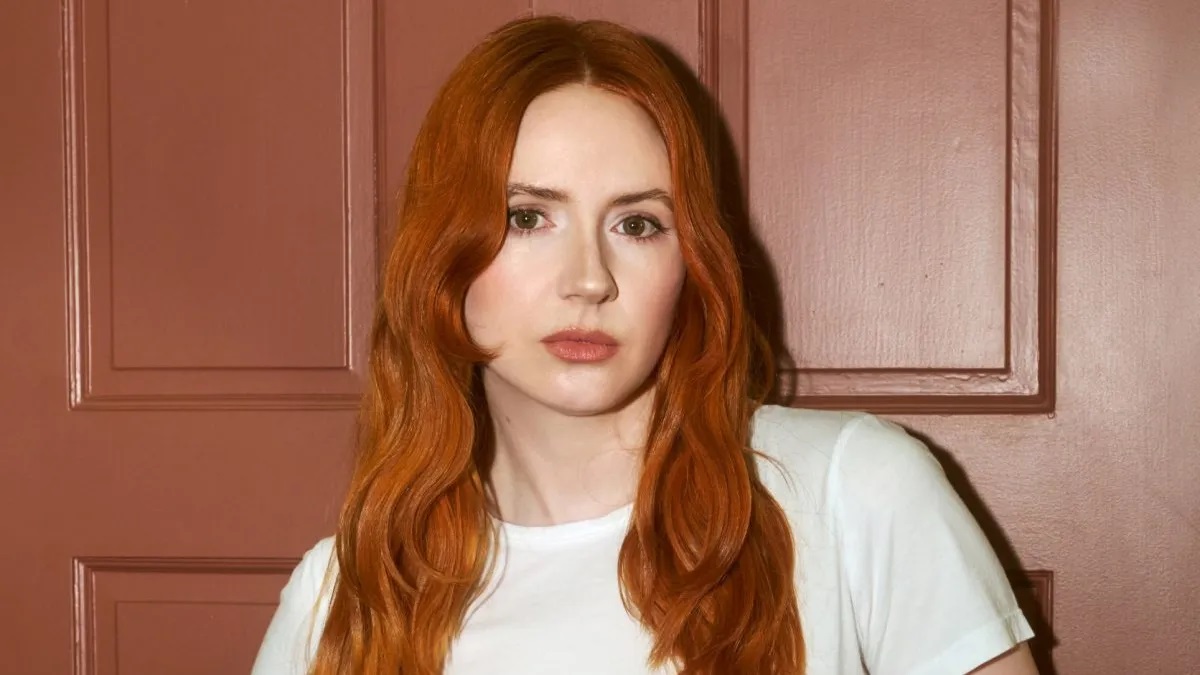
Actress and filmmaker Karen Gillancaptured hearts as Amy Pondin Doctor Whobefore joining the Marvel Cinematic Universeas the fierce and complex Nebulain Guardians of the Galaxyand Avengers: Endgame.
She’s also stepped behind the camera, directing acclaimed indie films. Gillan’s intelligence, charm, and humor make her one of the leading female faces of 21st-century Scottish cinema.
51. Robbie Coltrane (1950–2022)
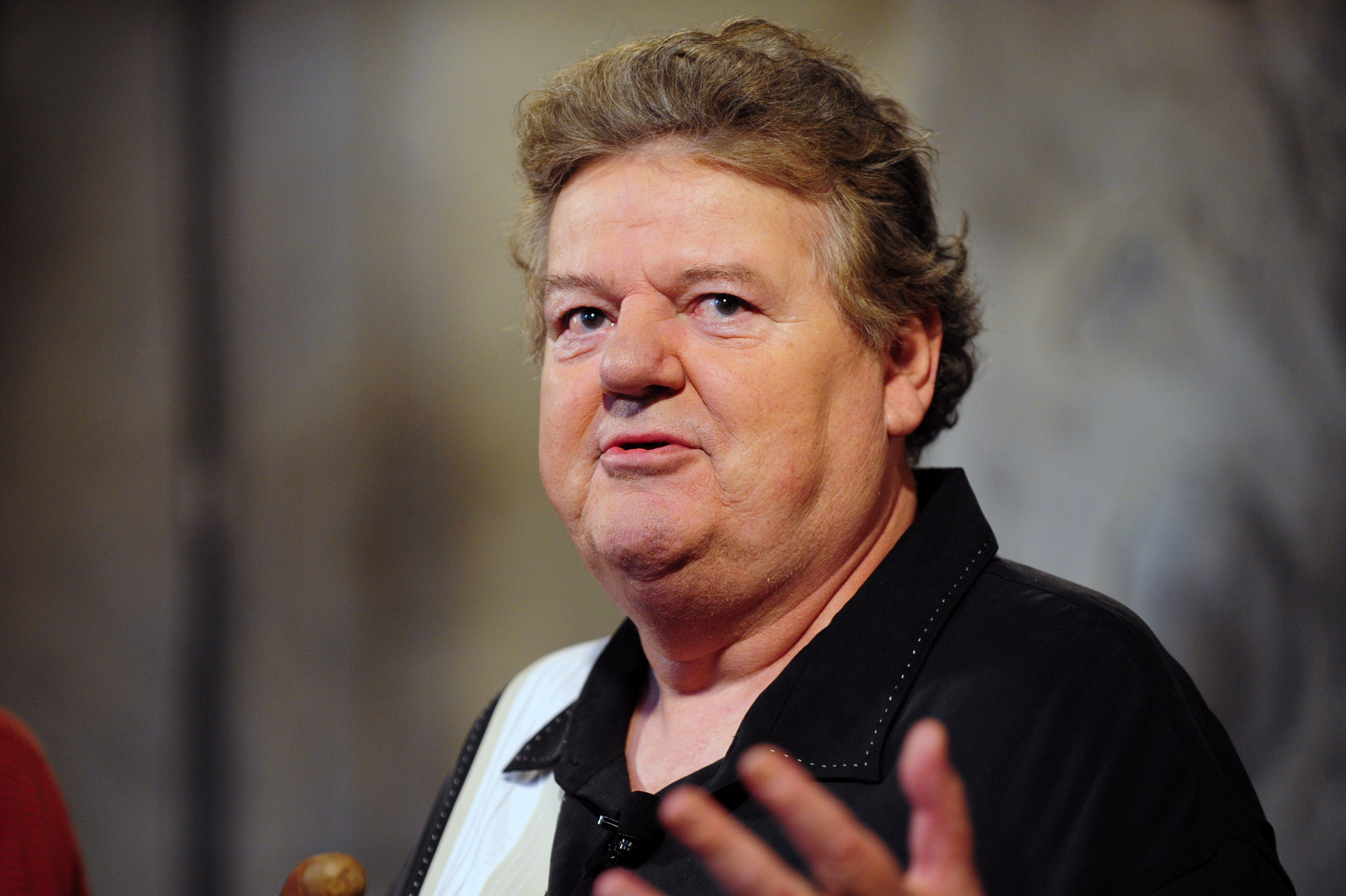
A beloved actor and comedian, Robbie Coltrane’s warmth and wit made him a household name. He gained early acclaim in the series Crackerbefore achieving global fame as Rubeus Hagridin the Harry Potterfilms.
Coltrane’s career combined gravitas with heart, embodying the soul of Scottish storytelling-grounded, humane, and larger than life. His passing in 2022 marked the end of an era for British cinema, but his legacy endures through every generation of fans.
Famous Scottish Sporting Legends
These Scots excelled in sports, setting records and becoming global icons of athletic achievement.
52. Eric Liddell (1902–1945)
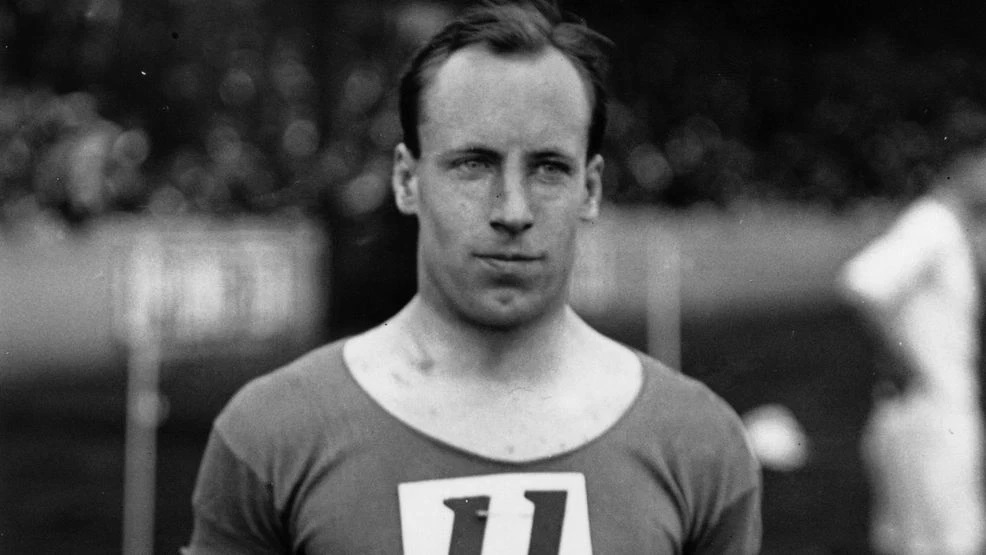
A devout athlete whose faith defined his career, Eric Liddellbecame a global icon after winning Olympic gold in the 400 metersat the 1924 Paris Olympics. Famously, he refused to compete in his strongest event, the 100 meters, because it was held on a Sunday-his day of worship.
His principled stand and victory inspired the Academy Award-winning film Chariots of Fire(1981). Liddell later served as a missionary in China, where he died during World War II, remembered as much for his integrity as his speed.
53. James Braid (1870–1950)
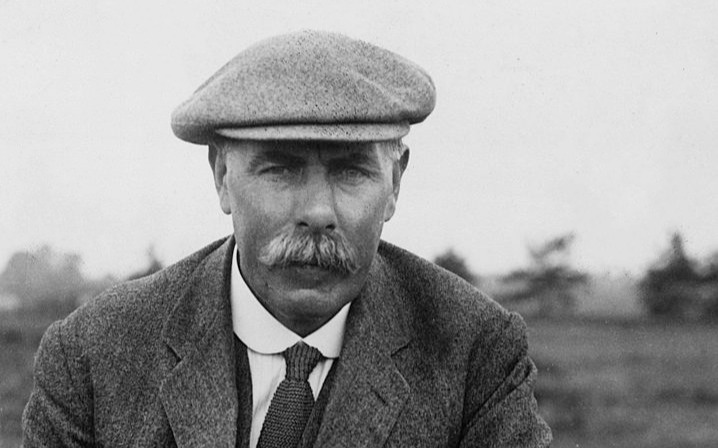
One of golf’s earliest superstars, James Braiddominated the sport in the early 20th century, winning The Open Championship five times (1901–1910). A founding member of the “Great Triumvirate”alongside Harry Vardon and J.H. Taylor, Braid helped transform golf into a professional sport.
Beyond competition, he was an innovative course designer, credited with shaping over 200 golf courses across the UK, many still played today.
54. Sir Alex Ferguson (1941–Present)
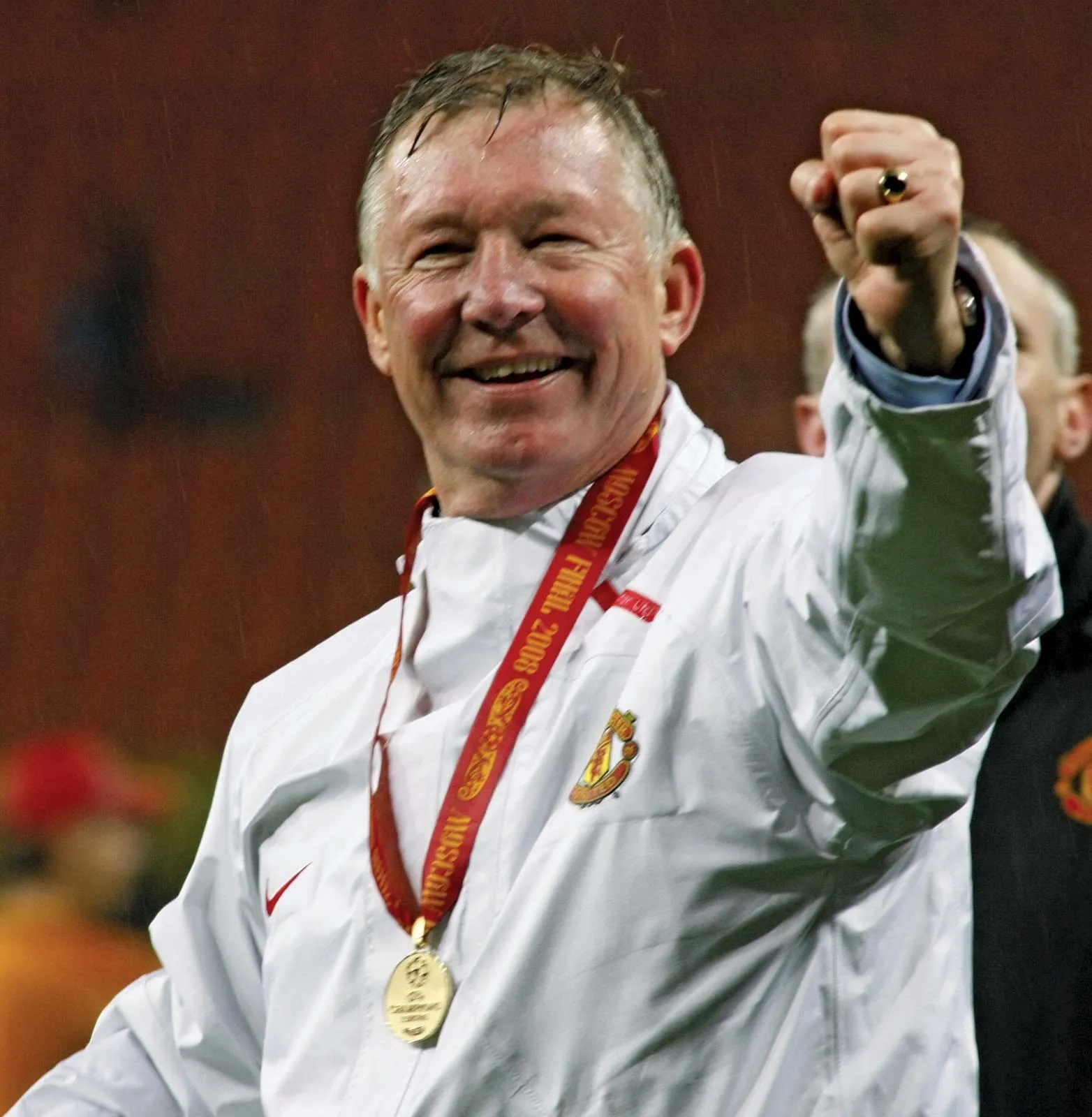
A towering figure in world football, Sir Alex Fergusonis widely regarded as the most successful football manager in history. Born in Glasgow, he led Manchester Unitedfrom 1986 to 2013, capturing 13 Premier League titles, two UEFA Champions League trophies, and countless other honors.
Known for his fierce work ethic, tactical mastery, and ability to nurture talent-from Eric Cantona to Cristiano Ronaldo-Ferguson’s leadership philosophy has become a case study in motivation and excellence worldwide.
55. Jackie Stewart (1939–Present)
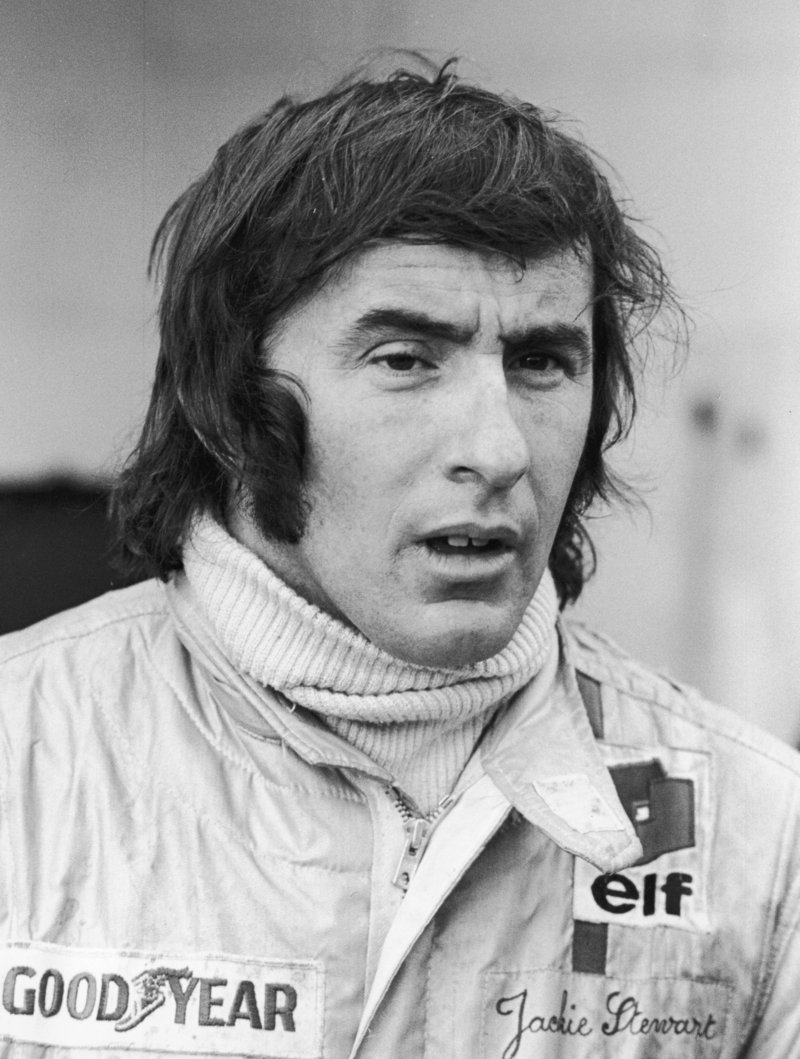
Nicknamed “The Flying Scot,”Sir Jackie Stewartis a three-time Formula One World Champion (1969, 1971, 1973)and one of the sport’s most respected figures.
Born in Milton, West Dunbartonshire, into a family garage business, Stewart overcame severe dyslexia-undiagnosed until age 42-and left school at 15. He began racing in 1964 with BRM, winning his debut Grand Prix at Monza (1965).
Renowned for his smooth driving style and safety advocacy, Stewart’s campaigning led to major improvements in F1 safety standards. His contributions off the track have arguably saved more lives than his victories on it, cementing his legacy as both a champion and a reformer.
56. Liz McColgan (1964–Present)
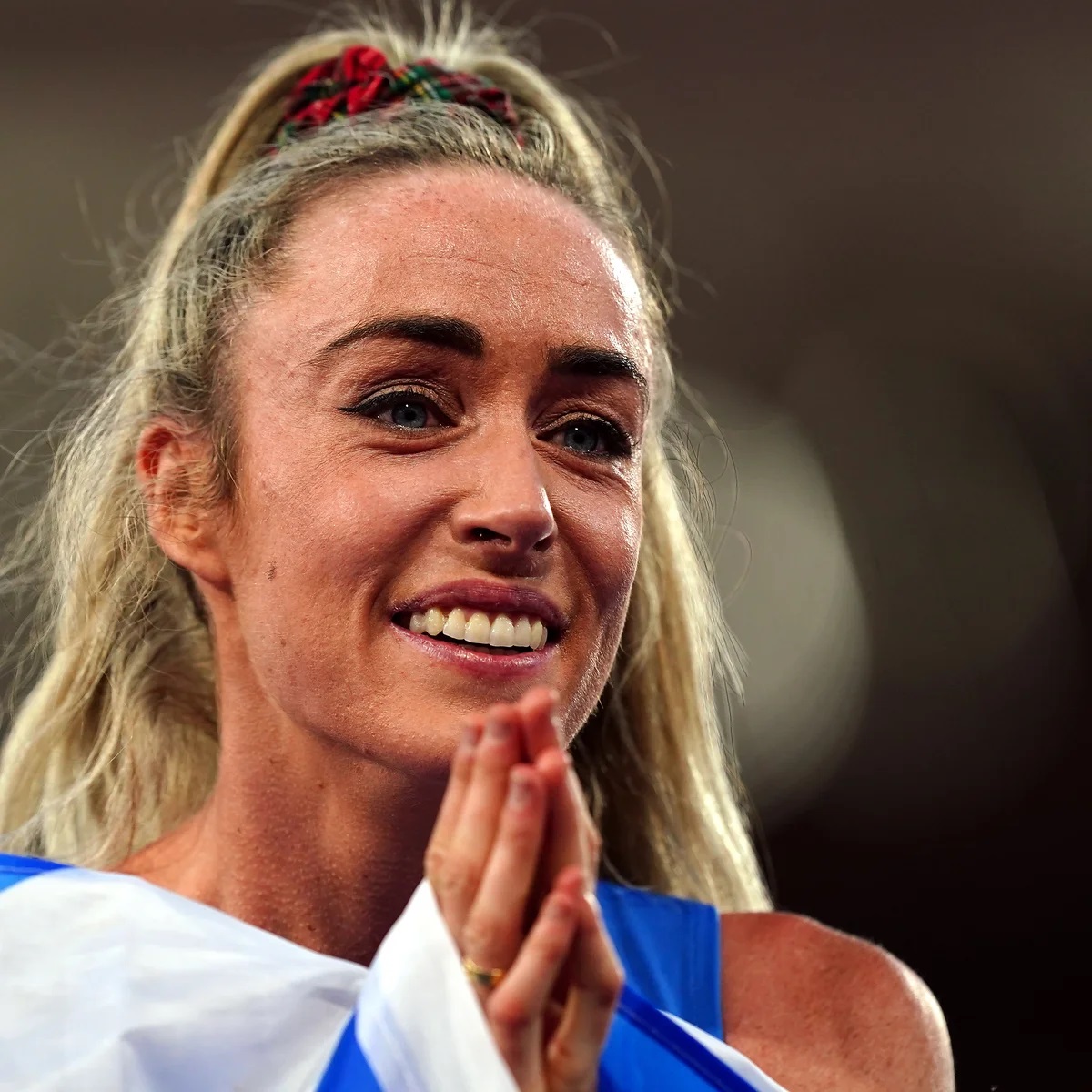
Liz McColganrose to prominence in the late 1980s as one of the world’s finest long-distance runners. Her crowning achievement came with gold in the 10,000 meters at the 1991 World Championships in Tokyo, a triumph of endurance and determination.
A Commonwealth Games champion and Olympic medalist, McColgan’s resilience made her a trailblazer for women’s athletics. She continues to inspire new generations, including her daughter, Eilish McColgan, who has followed in her footsteps as an elite runner.
57. Sir Chris Hoy (1976–Present)
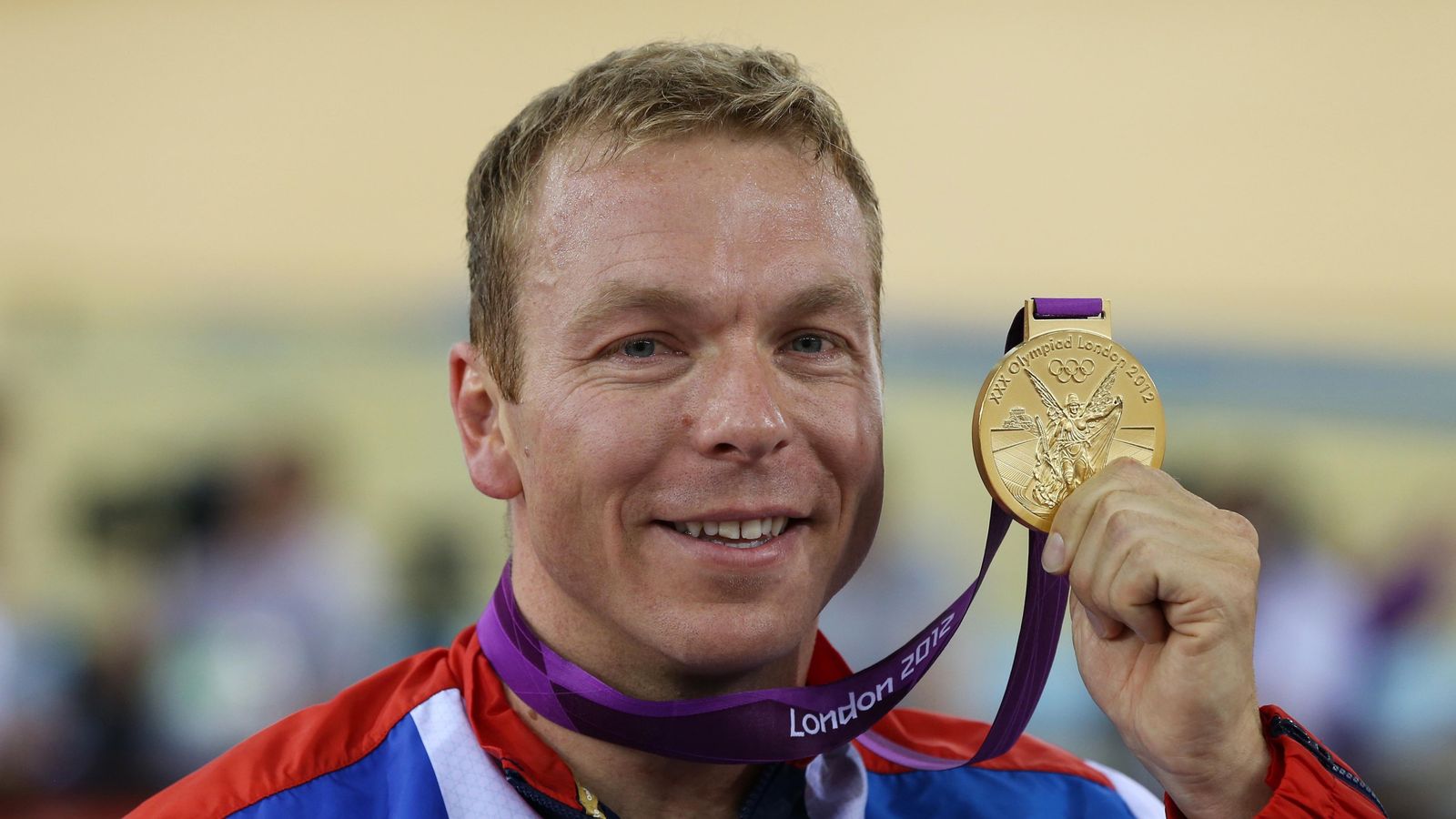
A national hero and record-breaker, Sir Chris Hoyis one of Britain’s most decorated Olympians, with six gold medals and one silverin track cycling. His dominance at the 2008 Beijing Olympics, where he became the first Briton in a century to win three golds at one Games, captured the world’s attention.
Born in Edinburgh, Hoy’s achievements helped revolutionize British cycling, sparking a new era of success. Beyond sport, his humility and advocacy for youth fitness keep him a cherished public figure.
58. Andy Murray (1987–Present)
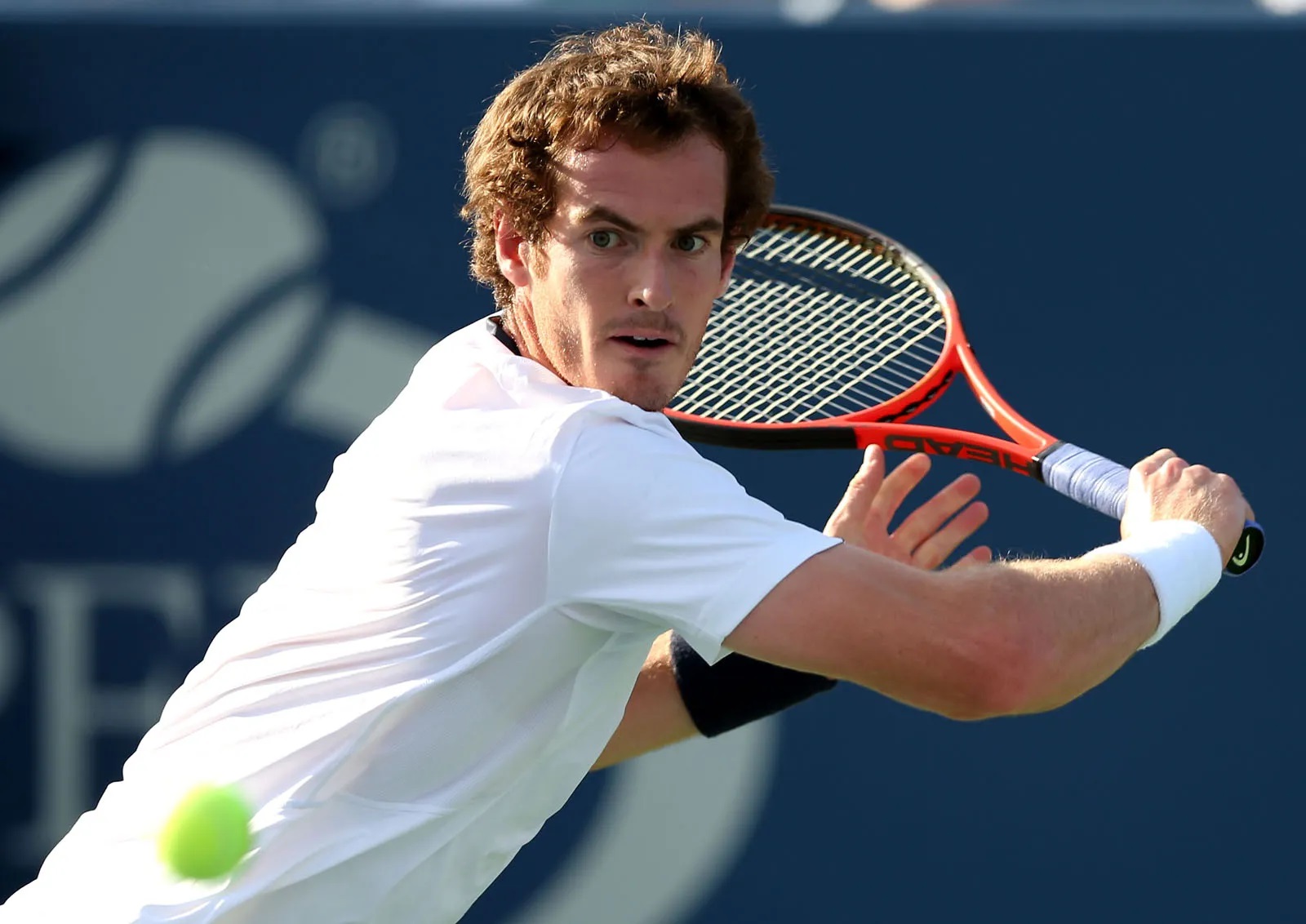
A defining figure in modern tennis, Sir Andy Murraybroke Britain’s 77-year Wimbledon drought by winning in 2013, then again in 2016. He also captured two Olympic gold medals(2012, 2016) and the 2016 ATP World No.1ranking.
Famed for his resilience and tactical brilliance, Murray’s career has been marked by comebacks from serious injury and a relentless drive to compete at the highest level. His advocacy for gender equality in tennis has further cemented his reputation as both an athlete and a role model.
59. Duncan Scott (1997–Present)
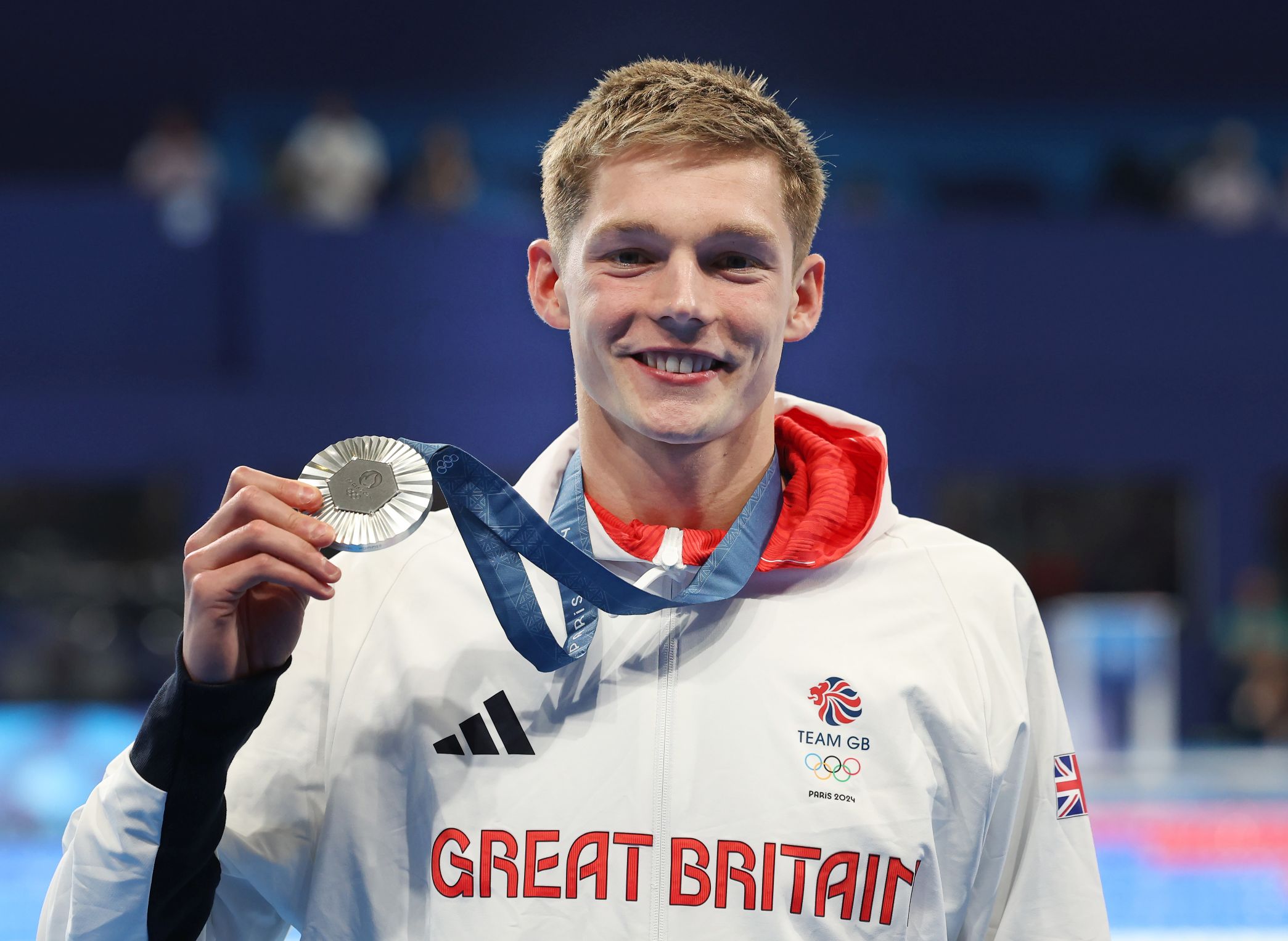
A modern aquatic marvel, Duncan Scottstands as Scotland’s most decorated Olympian, with eight Olympic medalsacross the Tokyo 2020and Paris 2024Games.
Known for his versatility across freestyle and medley events, Scott’s consistent excellence in global competitions-World Championships, Commonwealth Games, and Olympics-has elevated Scotland’s presence in international swimming. His discipline and humility embody the next generation of Scottish sporting greatness.
60. Andy Robertson (1994–Present)
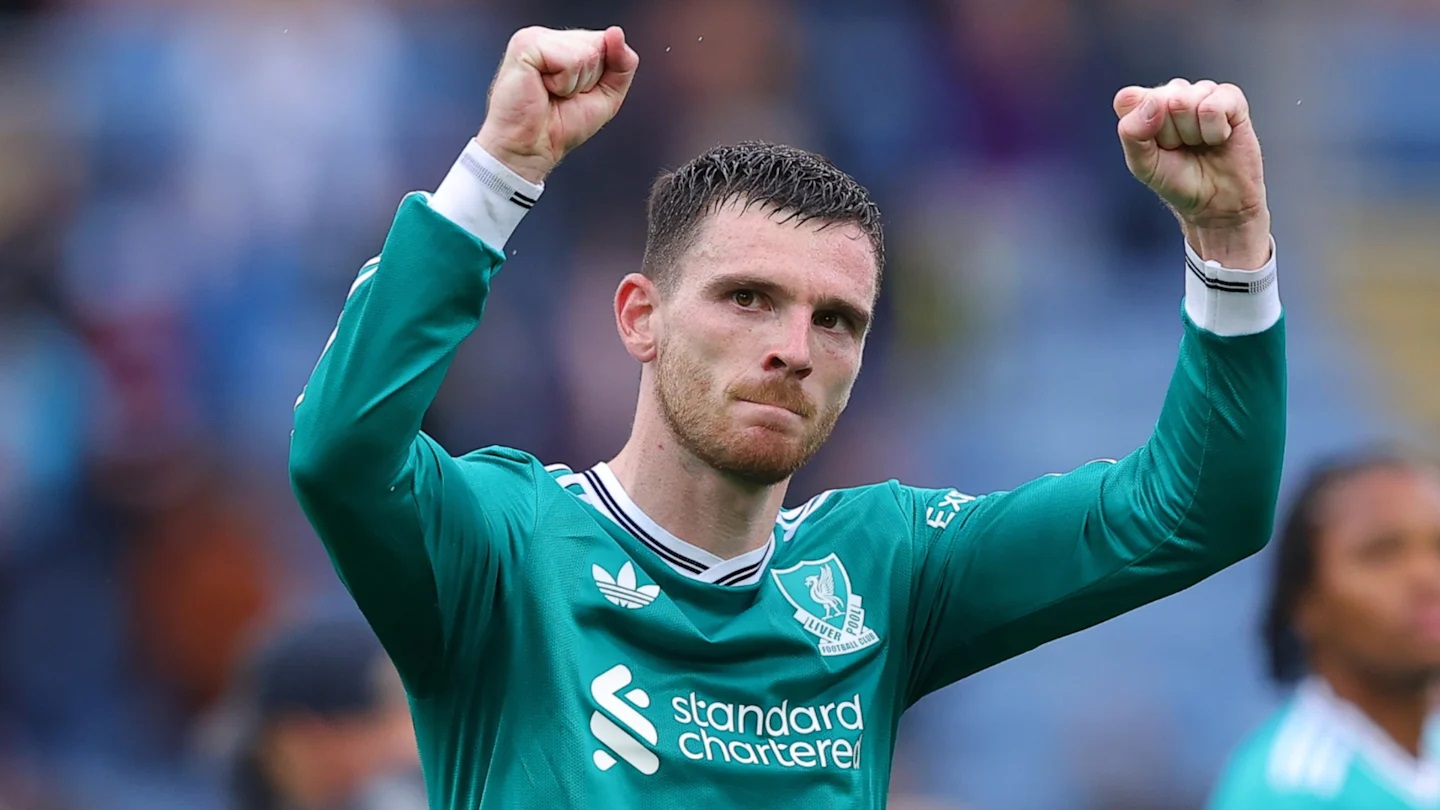
Born in Glasgow, Scotland, on 11 March 1994, Andrew “Andy” Robertson MBE rose from part-time football in the Scottish lower divisions to become one of the world’s leading left-backs and captain of his national side.
He began his senior career in 2012 with Queen’s Park before progressing to Dundee United, where he was awarded the PFA Scotland Young Player of the Yearin 2013-14.
In July 2017 he signed for Liverpool FC(fee believed around £8 million) and quickly became integral under manager Jürgen Klopp. At Liverpool, Robertson’s trophy haul includes the UEFA Champions League (2018-19), Premier League (2019-20, 2024-25), UEFA Super Cup, FIFA Club World Cup, and multiple domestic cups.
Captain of Scotlandsince 2018, Robertson is renowned for relentless energy, precise crossing, and leadership on and off the pitch.
FAQs
Who Is The Most Famous Scottish Celebrity?
While the late Sir Sean Connery is the undisputed classic icon, contemporary global recognition often points to figures with massive ongoing cultural impact. The most famous today include actors like David Tennant and Ewan McGregor, and the literary giant J.K. Rowling.
Which Scottish Celebrity Is The Richest?
The wealthiest individual in Scotland is a Danish billionaire business owner. However, of the famous public figures and celebrities, author J.K. Rowling is by far the richest, with a net worth estimated at £945 million.
Who Is Scotland's Biggest Hero/greatest Scot Of All Time?
Historical polls frequently name Robert Burns the "Greatest Scot," primarily due to his profound, enduring influence on Scottish culture and identity as the national poet. The historical figures Robert the Bruce and William Wallace are universally revered as the nation's biggest heroes for their role in securing independence.
Is Shrek From Scotland?
The character Shrek is not explicitly from Scotland but speaks with a distinctive Scottish accent, famously voiced by Mike Myers. Myers adopted the accent to give the character more warmth and depth.
What Famous Scottish People Have Contributed To Science?
Scotland has produced several prominent scientists, including James Watt, who improved the steam engine, Alexander Graham Bell, the inventor of the telephone, and John Logie Baird, who pioneered television technology.
Which Scottish Writers Are World-renowned?
Some of the most famous Scottish writers include Robert Burns, Scotland's national poet; Sir Walter Scott, known for his historical novels; and J.K. Rowling, the author of the Harry Potter series.
Who Are Some Famous Scottish Actors?
Sean Connery, best known as the original James Bond, and Ewan McGregor, known for roles in "Trainspotting" and "Star Wars," are among the most famous Scottish actors.
What Scottish Figures Have Had A Significant Impact On Politics?
Mary, Queen of Scots is one of the most well-known political figures from Scotland's history. In modern times, Nicola Sturgeon, Scotland’s first female First Minister, has had a significant impact on Scottish and UK politics.
Conclusion
This extensive list of 60 famous Scottish people demonstrates that the nation's impact is not limited to a few celebrated figures but is a wide, powerful stream flowing through history, science, and the arts.
Their collective expertise, experience, and authority in their respective fields have shaped the modern world in profound, measurable ways-from the laws of physics and economics to the stories we read and the films we watch. The true spirit of Scotland lies in this relentless ingenuity and global contribution.
In order to better express our love and respect for them, we can customize Enamel Pin Badgeswith images of these celebrities or related elements to embody this emotion. When we wear these badges, it is as if we have established a special connection with these outstanding people.
No matter where we are, this commemoration and love are always with us, always inspiring us to move forward
Jump to
Famous Scottish People: The Ultimate List Of Actors, Heroes & Innovators
Famous Scots In History: Icons Of Scotland
Scientific, Engineering, & Innovation Pioneers Of Scotland
Scottish Philosophers, Authors, And Artists
Famous Scottish Actors, Musicians, And Chefs
Famous Scottish Sporting Legends
FAQs
Conclusion
Callum Fraser
Author
Callum Fraser isn't just a writer about Scotland; he's a product of its rugged landscape and rich history. Born and raised in Perthshire, with the Highlands as his backyard, his love for the nation's stories was kindled by local storytellers and long walks through ancient glens.
This passion led him to pursue a degree in Scottish History from the University of Edinburgh. For over 15 years, Callum has dedicated himself to exploring and documenting his homeland, fusing his academic knowledge with essential, on-the-ground experience gained from charting road trips through the Cairngorms, hiking the misty Cuillins of Skye, and uncovering the secrets of traditional recipes in his family's kitchen.
As the Editor-in-Chief and Lead Author for Scotland's Enchanting Kingdom, Callum's mission is simple: to be your most trusted guide. He combines meticulous research with a storyteller's heart to help you discover the authentic magic of Scotland — from its best-kept travel secrets to its most cherished traditional recipes.
Latest Articles
Popular Articles