A Perfect Easter Sunday Menu | 15 Easy Dishes For A Beautiful Celebration
Build the perfect Easter Sunday menu with 15 easy dishes, smart tips, and simple prep ideas. Create a beautiful holiday celebration without stress.
Author:Callum FraserNov 15, 20251.9K Shares69.8K Views
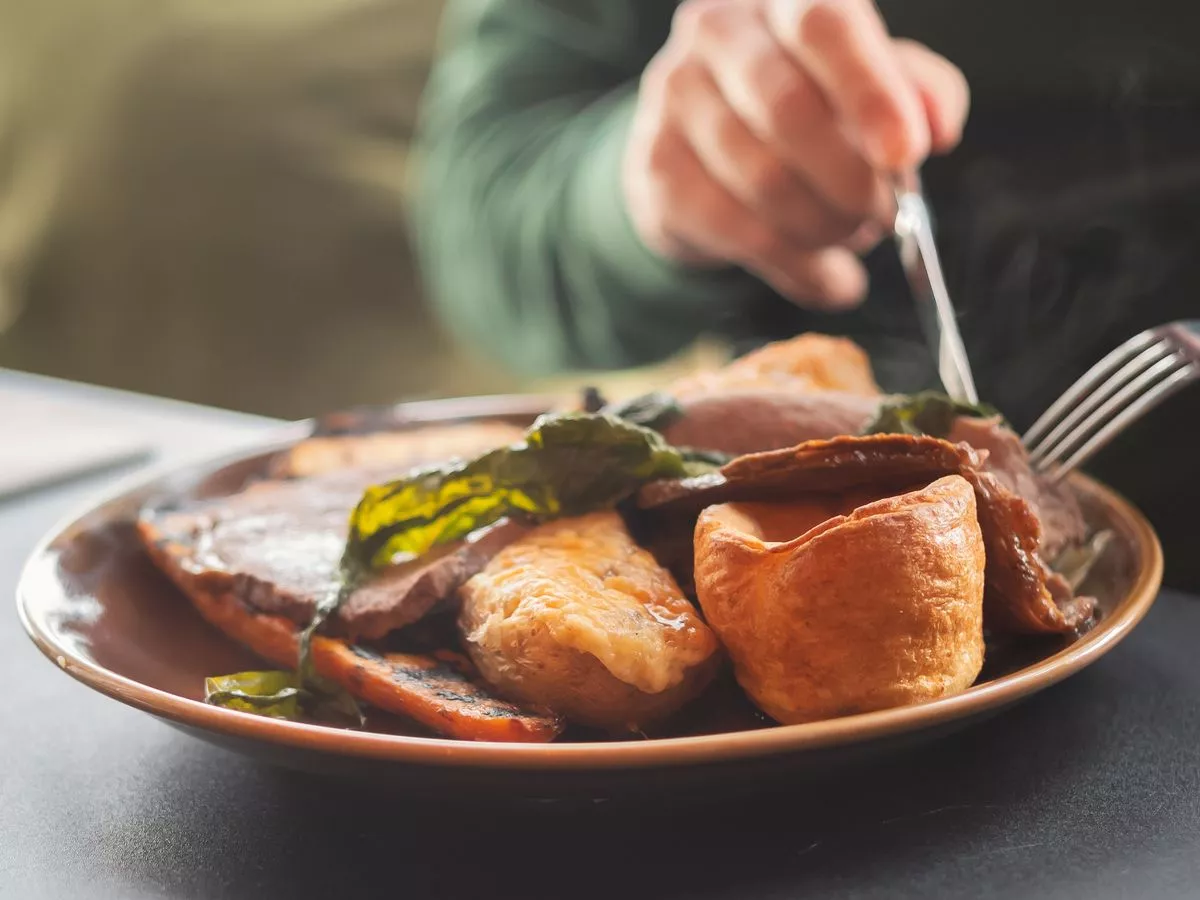
Why A Scottish Easter Sunday Menu Feels So Special
Easter Sunday in Scotland holds a special place in my heart. There's something magical about gathering around the table with family, the smell of roasted lamb filling the house, and knowing you're part of a tradition that stretches back centuries. When I plan my Easter Sunday menu, I always think about how these dishes connect us to the people who came before us.
I've spent years perfecting my Scottish Easter menu, learning from both triumphs and disasters. That time I overcooked the lamb until it resembled shoe leather taught me more than any cookbook ever could. Now, I want to share everything I've learned so your Easter table becomes a celebration your family talks about all year.
The beauty of Scottish Easter food lies in its simplicity. We're talking about honest ingredients prepared with care, not fancy techniques that require culinary school. From the tender roast lamb to the whisky-laced cranachan, each dish tells a story of Scottish heritagemixed with spring's fresh promise.
Why Scottish Easter Food Tastes Different
1. Local Ingredients
Scottish Easter cooking relies heavily on what's available in late March or early April. The lamb that graces our tables comes from animals that spent months grazing on heather-covered hillsides. This diet gives Scottish lamb a distinctive, slightly gamey flavor you won't find anywhere else, and it’s one of the reasons it remains such an important part of Scottish traditional food.
Root vegetables like turnips and potatoes have been stored through winter and still taste earthy and sweet. Spring greens start appearing just in time for Easter, bringing fresh life to plates heavy with roasted meats.
2. Religious And Practical Roots
The tradition of eating lamb connects to both Passover and Christian symbolism of sacrifice and renewal. But I've always thought the real reason is more practical. Spring marks the beginning of lamb season, and Easter became the natural time to celebrate the year's first lamb. It’s one of those small but meaningful habits that shows how food and Scottish culturehave always been closely tied to the rhythms of the land.
Scottish families also incorporated local preferences. While English Easter tables might feature elaborate sauces, Scottish cooks kept things straightforward a good mint sauce, some roasted vegetables, and maybe a dram of whisky alongside your meal.
Planning Your Easter Timeline
Three Days Before - Get Organized
I start my Easter prep on Thursday. First, I check my pantry and make a detailed shopping list. Running to the shops on Easter Sunday morning for forgotten ingredients ruins the whole relaxed vibe.
Thursday is also when I make my simnel cake. This fruit cake needs time for flavors to develop, and having it ready means one less thing to worry about later.
Saturday - The Big Prep Day
Saturday morning, I'm up early getting the lamb ready. I make small incisions all over the meat and stuff them with slivers of garlic and fresh rosemary sprigs. This seems fussy, but it makes an enormous difference to the flavor.
I also prep my vegetables on Saturday. Peel potatoes and keep them in cold water. Cut up swedes and carrots. Make the cock-a-leekie soup base so it just needs reheating Sunday. Prepare the mint sauce and let it sit overnight.
The cranachan components get organized too. Toast the oats, crush some raspberries, whip the cream. I layer everything in glasses and refrigerate.
Easter Morning - Final Push
Sunday morning feels less hectic when most work is done. I get the lamb in the oven about three hours before we want to eat. This gives me time to roast vegetables, warm the soup, and set a proper table.
The key is working backwards from your ideal eating time. If you want to sit down at 2 PM, your lamb needs to go in the oven by 11 AM, allowing for resting time.
Starting Strong - Traditional Scottish Starters
1. Smoked Scottish Salmon With Oatcakes
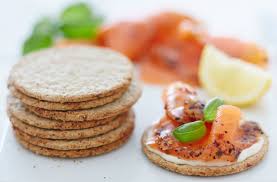
I always begin my Easter meal with smoked salmon. The silky fish paired with crunchy oatcakes creates a perfect contrast. If you’ve ever looked up a Scottish salmon recipe, you’ll know how beautifully simple ingredients can shine when the fish is high-quality. I serve mine with a simple horseradish cream made from double cream, grated horseradish, a squeeze of lemon, and black pepper.
The trick is buying proper Scottish smoked salmon. The cold-smoking process used in Scotland gives the fish a delicate flavor that hot-smoked versions can't match. Arrange thin slices on plates, add a few capers, a wedge of lemon, and those oatcakes on the side.
2. Cock-a-Leekie Soup - Scotland's Comfort In A Bowl
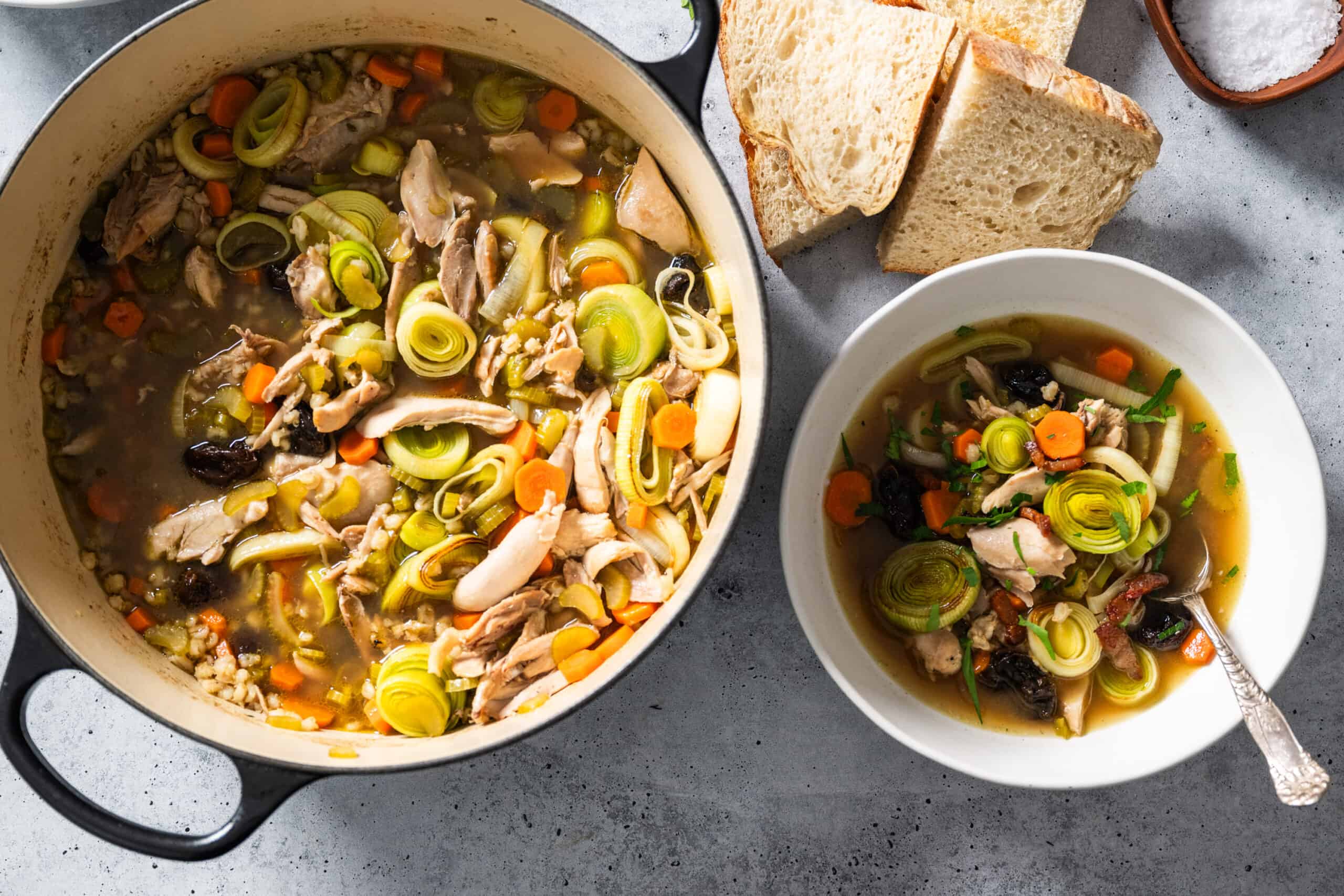
If I want something warming, especially if Easter falls early and there's still a chill in the air, I make cock-a-leekie soup. This chicken and leek soup is pure Scottish comfort.
You need chicken thighs, loads of leeks, pearl barley, and prunes. Yes, prunes. They add a sweet depth that sounds odd but tastes incredible. I simmer everything together until the chicken falls off the bone and the barley becomes tender.
Make this soup a day ahead. The flavors improve overnight, and reheating takes minutes.
3. Cullen Skink For The Brave
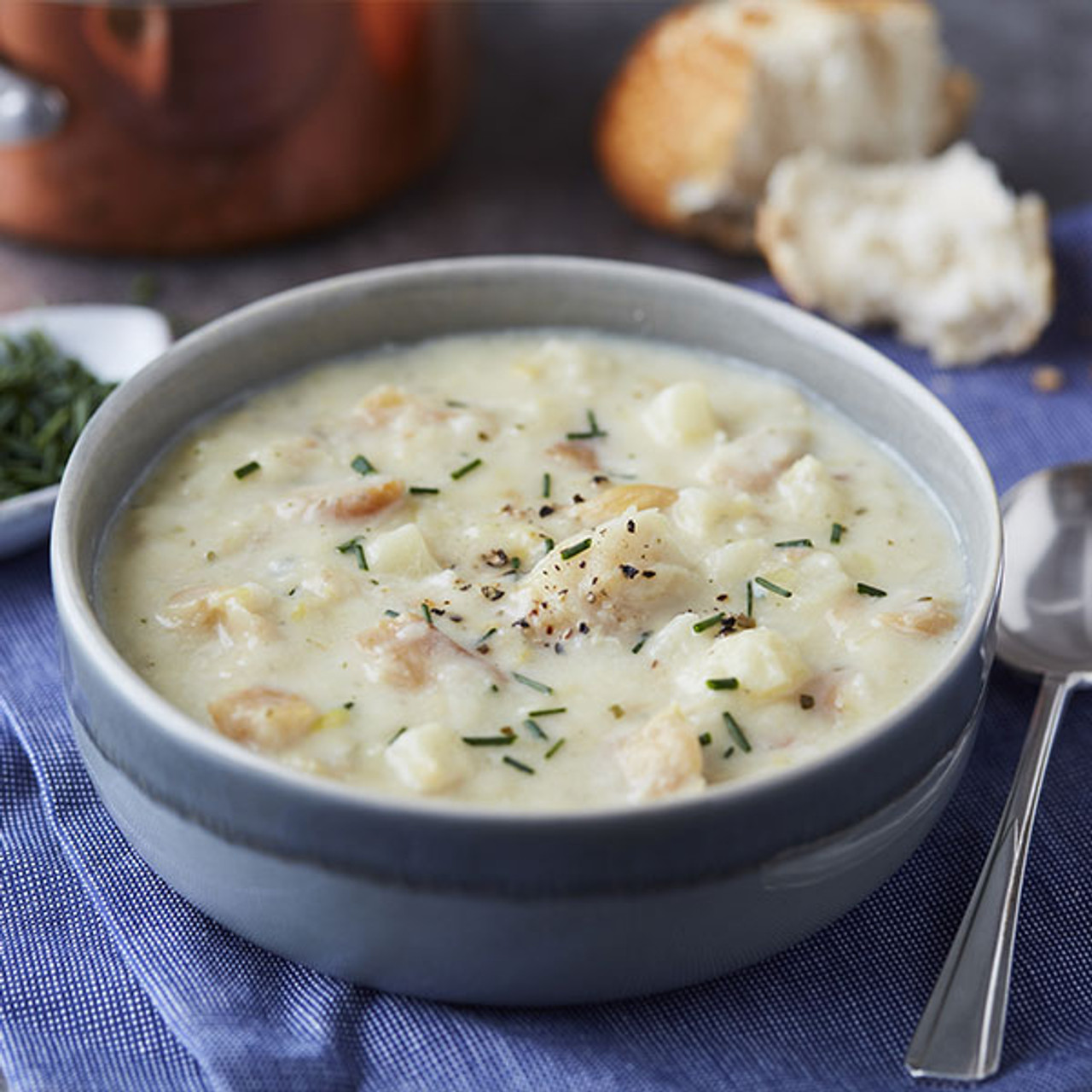
Cullen skink is a thick, creamy soup made with smoked haddock, potatoes, and onions. It's rich and filling, so I only serve it if I'm doing a lighter main course or if my guests are proper trenchermen.
The smokiness of the haddock against the buttery potatoes makes this soup unforgettable. Finish each bowl with a knob of butter and chopped parsley.
The Centerpiece - Your Main Course Options
1. Slow-Roasted Scottish Lamb
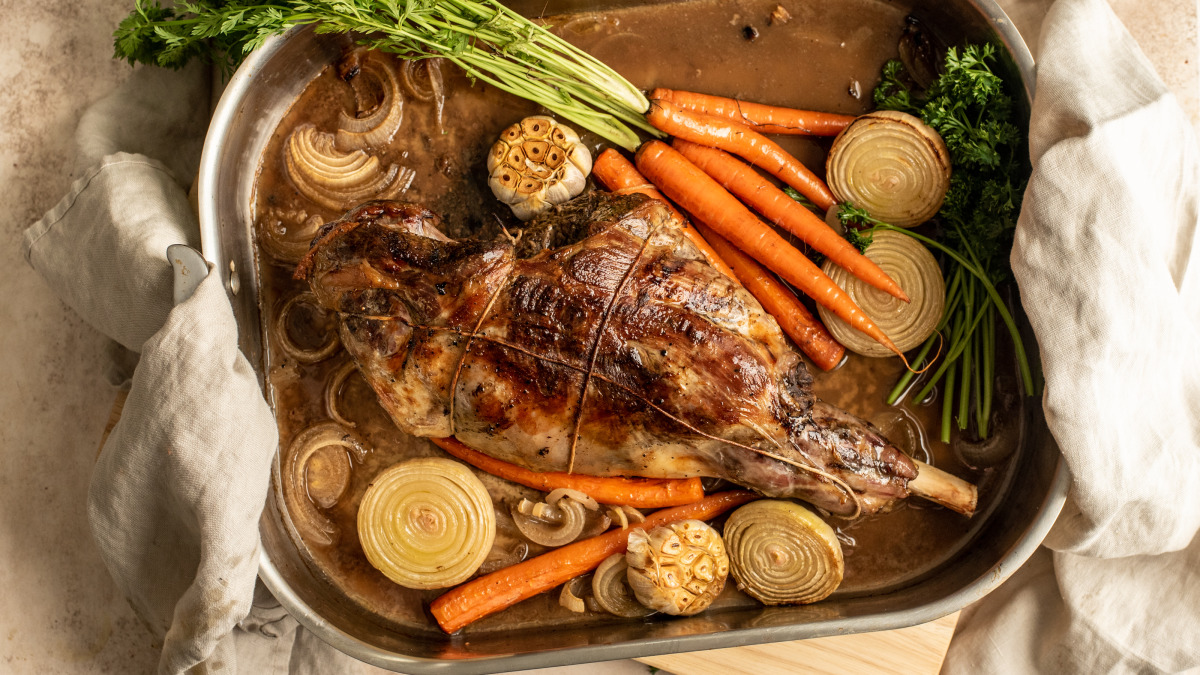
This is what Easter is about for me. A leg of lamb, studded with garlic and rosemary, roasted until the outside crisps and the inside stays pink and tender.
I use a bone-in leg because the bone adds flavor and helps conduct heat through the meat. About 2 to 2.5 kilograms feeds six people with leftovers. Remove the lamb from the fridge an hour before cooking so it reaches room temperature.
Roast at 190°C for about 20 minutes per 500 grams, plus an extra 20 minutes. A meat thermometer is your friend here. For medium-rare, you want an internal temperature of 55-60°C. The temperature will climb another 5 degrees while the meat rests.
Let the lamb rest for at least 30 minutes before carving. This resting period is non-negotiable. It lets the juices redistribute so every slice stays moist.
2. Making Proper Mint Sauce
Mint sauce takes five minutes but transforms lamb completely. Chop fresh mint leaves finely and mix with a tablespoon of sugar and three tablespoons of boiling water. Let it sit for five minutes, then add three tablespoons of white wine vinegar.
Some people add more sugar, but I prefer mine sharp and vinegary to cut through the richness of the lamb.
3. Roast Venison - A Leaner Alternative
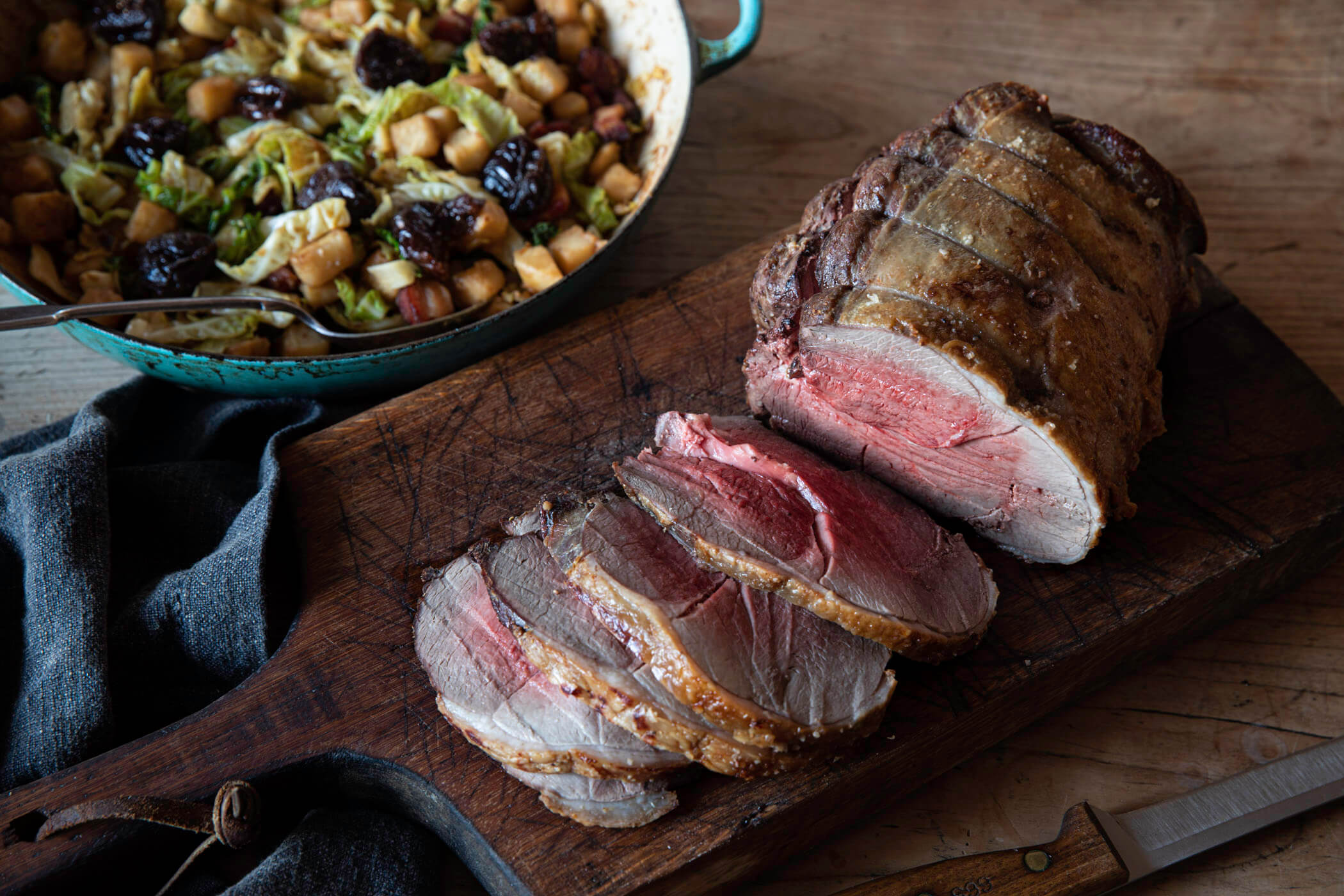
Venison offers a Scottish alternative for those who want something different. The meat is leaner than lamb and has a deep, rich flavor. I often pair venison with a whisky and cream sauce that brings out its sweetness.
Venison cooks faster than lamb because it's so lean. Don't overcook it, or you'll end up with dry, tough meat. I aim for medium-rare at most.
Serve venison with root vegetables roasted in honey and thyme. The sweetness balances the gamey meat perfectly.
4. Haggis On The Easter Table
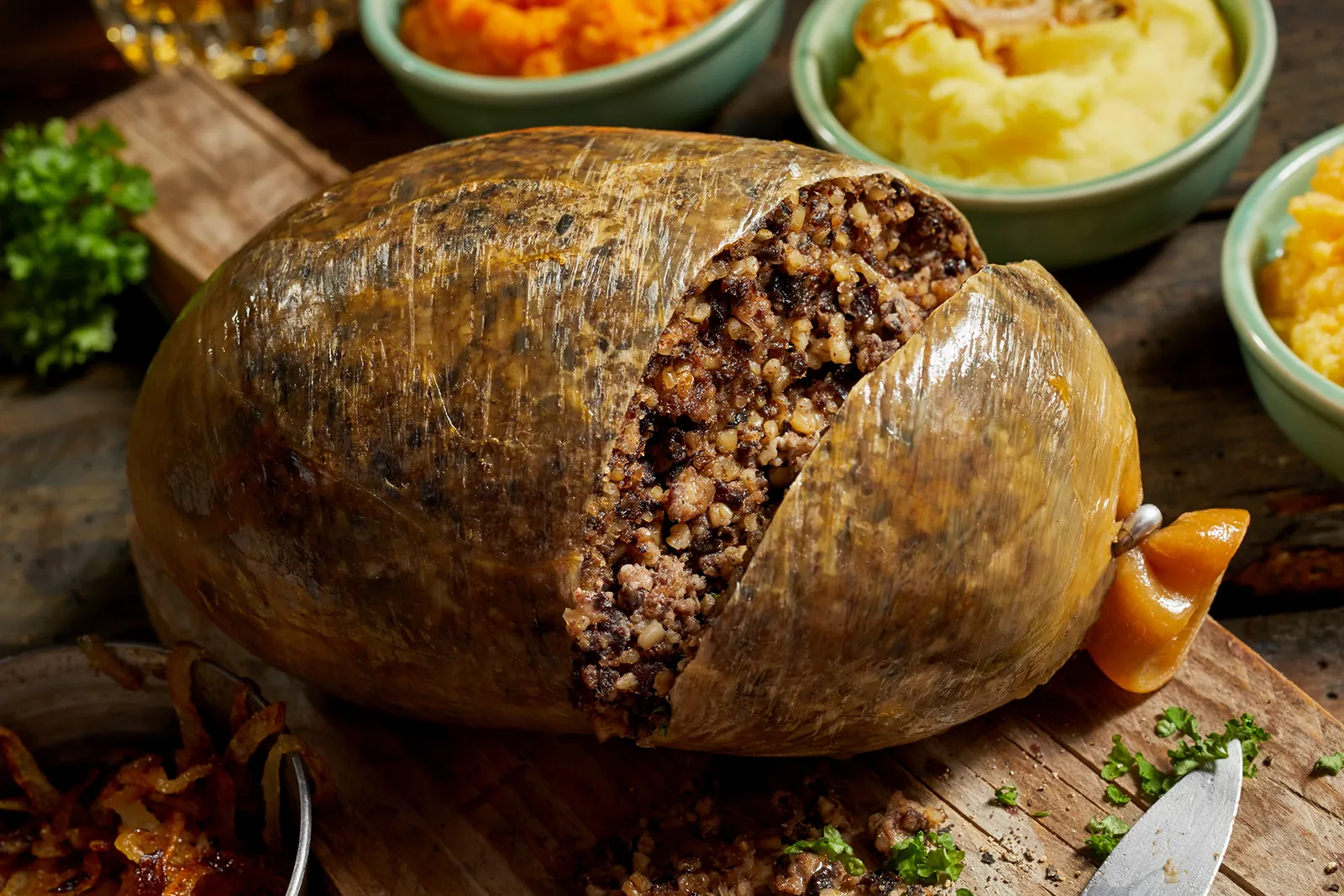
I know haggis sounds intimidating, but hear me out. Understanding the basics of haggis ingredientsactually makes it far less mysterious, and once you taste a well-made version, it all starts to make sense. A good haggis, served alongside your lamb with whisky sauce, adds an unmistakably Scottish touch to the meal.
You can buy excellent haggis from any Scottish butcher. Heat it gently and serve it sliced. The peppery, savory flavors complement roasted lamb beautifully.
Traditional Scottish Side Dishes
1. Clapshot: The Orkney Classic
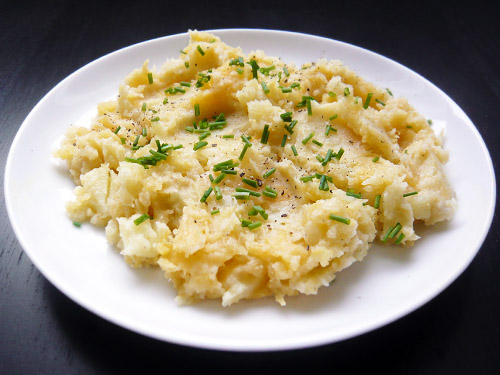
Clapshot comes from Orkney and combines mashed swede (what you might call turnip) with potatoes. I cook both vegetables until tender, then mash them together with butter, cream, and chopped chives.
The yellow swede against the white potato looks beautiful on the plate. More importantly, it tastes incredible. The slight sweetness of swede balances the earthiness of potato.
2. Braised Red Cabbage With Apples
This dish takes time but requires minimal attention. Slice red cabbage finely and layer it in a pot with sliced cooking apples, a splash of red wine vinegar, brown sugar, butter, and a pinch of cloves.
Cover tightly and cook low and slow for about two hours. The cabbage becomes meltingly tender and turns a deep purple color. The apples dissolve into the cabbage, adding natural sweetness.
3. Honey-Glazed Root Vegetables
I toss chunks of carrots, parsnips, and turnips with olive oil, honey, and fresh thyme, then roast them until they caramelize. The honey helps them develop a beautiful golden crust while keeping the insides tender.
Cut your vegetables into similar-sized pieces so they cook evenly. Spread them out on the baking tray. Crowded vegetables steam instead of roast.
4. Simple Spring Greens
Sometimes simplicity wins. I quickly boil spring greens or kale until just tender, drain them well, then toss with butter and sea salt. That's it.
The fresh, slightly bitter greens cut through all the rich roasted flavors on your plate. They add color and nutrition without competing with the main dishes.
Traditional Scottish Easter Desserts
1. Simnel Cake - The Easter Centerpiece
Making simnel cake connects you to centuries of British baking tradition. This light fruit cake features two layers of marzipan, one baked into the middle and one on top, plus eleven marzipan balls representing the apostles minus Judas.
I make mine with sultanas, raisins, glacé cherries, and mixed peel, flavored with cinnamon and orange zest. The marzipan adds almond sweetness that balances the fruit.
Brush the top layer of marzipan with beaten egg, then use a kitchen torch to lightly brown it. This creates an attractive burnished finish.
The cake keeps for weeks wrapped in foil, but in my house, it rarely lasts past Easter Monday.
2. Cranachan - Scotland's Dessert King
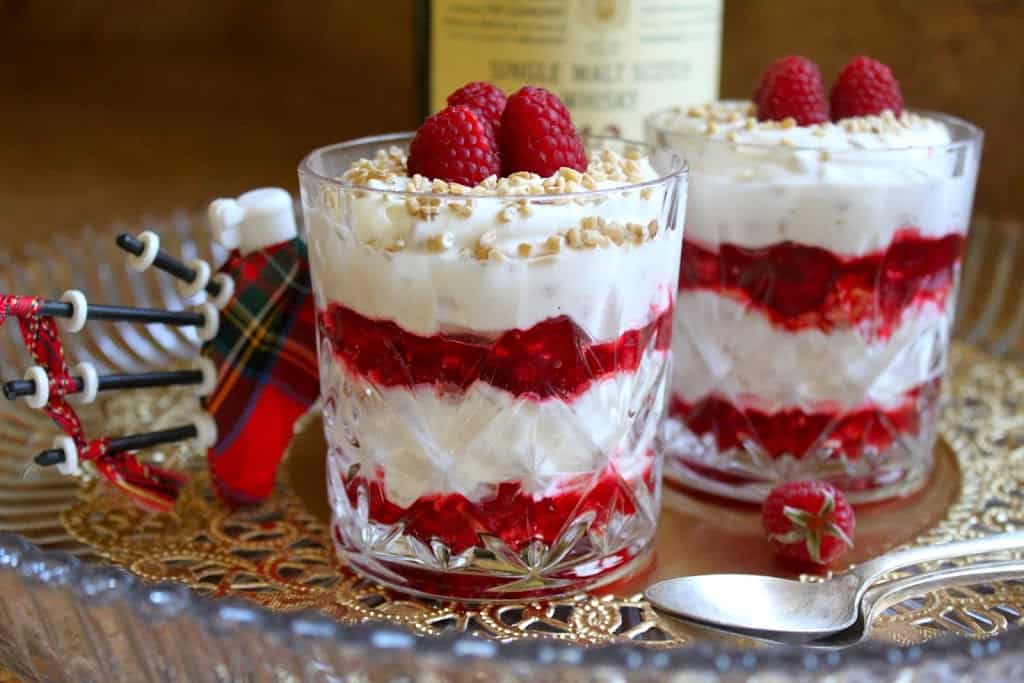
Cranachan might be the finest dessert ever created. I'm biased, but I challenge you to find something better. Layers of whisky-soaked toasted oats, whipped cream flavored with honey, and fresh raspberries create pure magic.
Toast oats in a dry pan until golden and nutty. Let them cool, then soak half in a tablespoon or two of good whisky. Whip double cream with honey until soft peaks form, then fold in the whisky-soaked oats.
Layer the cream mixture with crushed raspberries in tall glasses. Top with the remaining toasted oats and a few whole raspberries. Refrigerate until serving.
I use a smooth Speyside whisky rather than a heavily peated Islay. You want subtle whisky flavor, not a peat bog.
3. Hot Cross Buns For Good Friday
While technically for Good Friday, hot cross buns appear throughout the Easter weekend. These sweet, spiced buns studded with currants and marked with a cross combine British and Scottish Easter traditions.
I make mine with cinnamon, nutmeg, and mixed spice. After baking, brush them with a simple glaze made from equal parts water and sugar boiled together. Eat them warm with butter.
4. Clootie Dumpling For Traditionalists
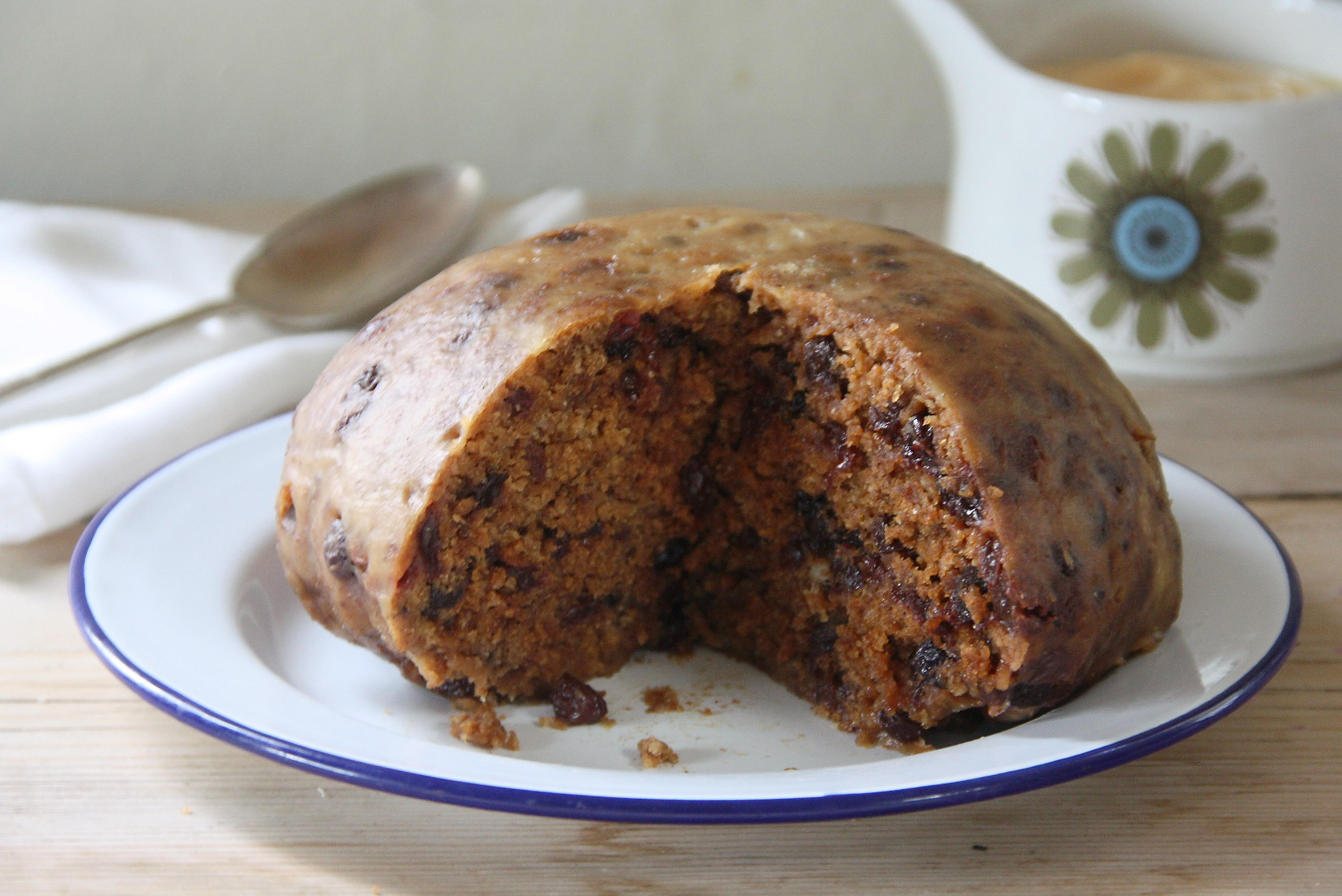
Clootie dumpling is an old-fashioned Scottish steamed pudding wrapped in cloth and boiled. It's dense, sweet, and loaded with dried fruit and spices. It’s the kind of dessert people often look for when searching for a clootie dumpling recipe, especially if they want to taste something truly tied to Scottish heritage.
This isn't a light dessert. It's substantial and filling, perfect if you want something traditional and uniquely Scottish. Serve slices with custard or cream.
I only make clootie dumpling when I'm feeling particularly sentimental or want to impress Scottish guests with my dedication to tradition.
Pairing Drinks With Your Scottish Easter Menu
Whisky Recommendations By Course
Whisky and food pairing is an art, but I keep it simple. With smoked salmon, I pour a light, unpeated Lowland whisky like Auchentoshan or Glenkinchie. These won't overpower the delicate fish.
For lamb, I move to a Speyside whisky with some body. Glenfiddich 12, Balvenie DoubleWood, or Macallan 12 all work beautifully. The fruit and oak notes complement the meat.
With cranachan, I use whatever whisky I cooked with. Having the same flavors in your food and drink creates a nice harmony.
Scottish Ales And Craft Beers
Not everyone drinks whisky, so I always have Scottish ale available. A proper 80-shilling ale has caramel sweetness that matches roasted lamb perfectly.
Craft breweries across Scotland now make fantastic seasonal beers. Look for spring ales with floral notes that complement the fresh flavors of the season.
Wine Pairings For Each Course
If you prefer wine, I recommend a crisp Sauvignon Blanc with salmon, a medium-bodied red like Pinot Noir with lamb, and a sweet dessert wine with simnel cake. And if you want to keep things more rooted in local flavour, you can easily swap wine for traditional Scottish drinkslike whisky, ale, or a light elderflower cordial.
Non-Alcoholic Options
For those avoiding alcohol, I make homemade elderflower cordial diluted with sparkling water. The floral sweetness suits spring perfectly.
Scottish breakfast tea works surprisingly well with heavier courses. The tannins cut through rich foods just like red wine does.
Making Your Menu Work For Everyone
Vegetarian Substitutions
Creating a vegetarian Easter menu while keeping Scottish traditionsrequires creativity. I make a savory haggis-spiced lentil loaf as the centerpiece, surrounded by all the traditional sides.
Mushroom and barley soup replaces cock-a-leekie. Everything else, from clapshot to cranachan, is naturally vegetarian.
Gluten-Free Considerations
Most of my menu adapts easily to gluten-free diets. Lamb and vegetables are naturally gluten-free. Replace oatcakes with gluten-free versions or skip them entirely.
Cranachan uses gluten-free oats without any taste difference. Hot cross buns require a good gluten-free flour blend.
Scaling For Different Guest Numbers
My basic menu serves six comfortably. For larger groups, I add another leg of lamb and double the side dishes. Everything scales up easily except the cranachan, which I make in individual glasses anyway.
For smaller gatherings, buy a lamb shoulder instead of a leg. Shoulders are smaller and more forgiving to cook. You can also substitute lamb chops if you're only feeding two.
Expert Tips For Easter Success
- Set your table the night before. Arrange plates, glasses, and cutlery so Easter morning feels less rushed. I use a simple white tablecloth with a small vase of daffodils for centerpiece.
- Invest in a good meat thermometer. Guessing doneness leads to overcooked lamb. A thermometer takes the guesswork out.
- Don't forget resting time for your lamb. This is when you warm your sides and finish everything else. Rested meat tastes better and carves easier.
- Keep things simple. You don't need ten side dishes. Three or four done well beat six mediocre ones.
- Make a timeline and stick to it. Write down when each dish needs to start cooking. This prevents the panic of realizing your vegetables aren't ready when your lamb is.
- Use your leftover lamb for shepherd's pie, in sandwiches with mint sauce, or diced into a Scottish broth. Easter leftovers are half the pleasure of the holiday.
People Also Ask
What Are Traditional Scottish Easter Foods?
Traditional Scottish Easter foods include roast lamb, smoked salmon, haggis, tatties (potatoes), and baked goods such as hot cross buns and simnel cake.
What Is A Typical Scottish Easter Sunday Menu?
A typical Scottish Easter Sunday menu includes starters like smoked salmon with oatcakes and cock-a-leekie soup, a main course of roast lamb with mint sauce or haggis, side dishes such as clapshot and braised red cabbage, and desserts like simnel cake and cranachan.
What Beverages Pair Well With A Scottish Easter Meal?
Whisky, robust red wine, Scottish ale, elderflower cordial, and traditional Scottish tea are excellent beverages to pair with a Scottish Easter meal.
How Can I Make My Easter Meal More Authentic?
Use fresh, locally sourced ingredients, include traditional dishes, and incorporate Scottish-themed decorations and table settings to make your Easter meal more authentic.
Can I Prepare Any Dishes In Advance?
Yes, many dishes such as simnel cake, cranachan, and braised red cabbage can be prepared a day or two in advance, allowing you more time to enjoy the day with your family.
How Long Does It Take To Cook A Leg Of Lamb?
Plan on roughly 20 minutes per 500 grams at 190°C, plus an additional 20 minutes. A 2-kilogram leg takes about two hours. Always use a meat thermometer to check doneness rather than relying on time alone. Remember to let the meat rest for 30 minutes after cooking.
Final Thoughts
A Scottish Easter Sunday menu doesn’t need to be complicated to feel special. When you cook with simple ingredients, a bit of tradition, and a warm heart, the meal becomes the highlight of the day. I hope this guide helps you build a menu that feels proudly Scottish, comforting, and full of spring joy.
If you enjoyed reading this, feel free to share it or save it for Easter, and I’d love to hear what dishes you end up making. Happy Easter, and happy cooking!
Jump to
Why A Scottish Easter Sunday Menu Feels So Special
Why Scottish Easter Food Tastes Different
Planning Your Easter Timeline
Starting Strong - Traditional Scottish Starters
The Centerpiece - Your Main Course Options
Traditional Scottish Side Dishes
Traditional Scottish Easter Desserts
Pairing Drinks With Your Scottish Easter Menu
Making Your Menu Work For Everyone
Expert Tips For Easter Success
People Also Ask
Final Thoughts

Callum Fraser
Author
Callum Fraser isn't just a writer about Scotland; he's a product of its rugged landscape and rich history. Born and raised in Perthshire, with the Highlands as his backyard, his love for the nation's stories was kindled by local storytellers and long walks through ancient glens.
This passion led him to pursue a degree in Scottish History from the University of Edinburgh. For over 15 years, Callum has dedicated himself to exploring and documenting his homeland, fusing his academic knowledge with essential, on-the-ground experience gained from charting road trips through the Cairngorms, hiking the misty Cuillins of Skye, and uncovering the secrets of traditional recipes in his family's kitchen.
As the Editor-in-Chief and Lead Author for Scotland's Enchanting Kingdom, Callum's mission is simple: to be your most trusted guide. He combines meticulous research with a storyteller's heart to help you discover the authentic magic of Scotland — from its best-kept travel secrets to its most cherished traditional recipes.
Latest Articles
Popular Articles