Scottish Culture - Traditions, History, Language, Food & Folklore
Explore Scottish culture: a guide to the history, languages, and celebrations that define Scotland. Perfect for anyone wanting to go deeper than the postcards.
Author:Callum FraserJan 19, 202612.6K Shares420K Views
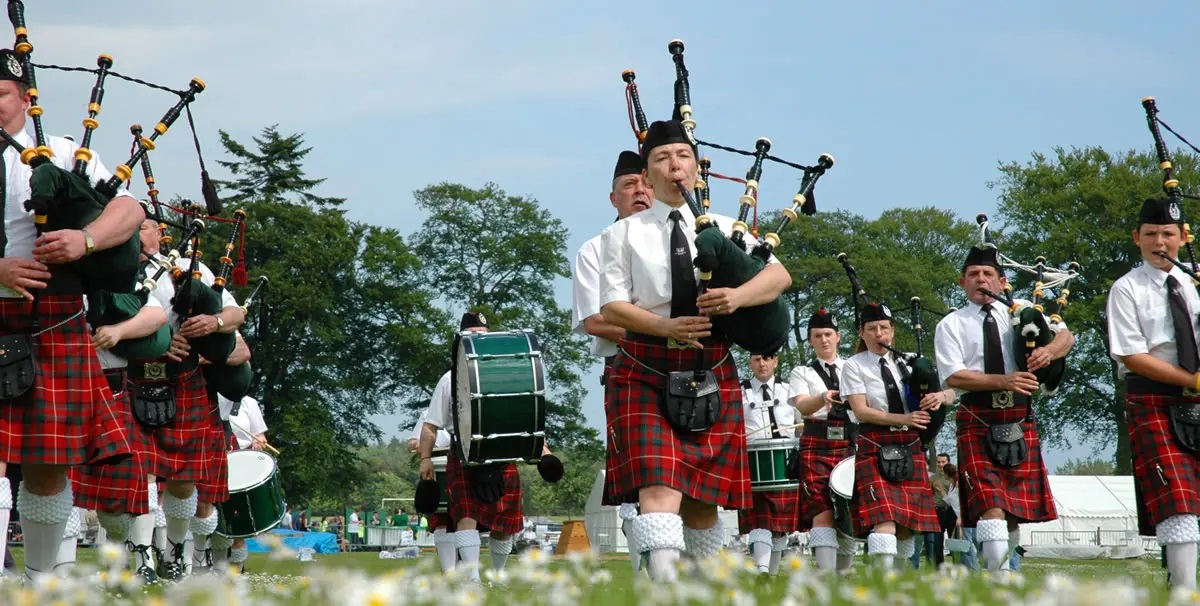
Scottish Culture - A Guide To Traditions, Food, And Arts
Scottish cultureis the everyday mix of history, language, community rituals, storytelling, music, food, and regional identitythat shapes how Scotland celebrates, speaks, and lives today.
Key takeaways
- Scotland’s customs and cultureis regional: Highlands, Lowlands, Islands, and cities each express it differently.
- Institutions matter: education, law, and faith traditions helped Scotland keep a distinct identity.
- Language is layered: English, Scots, and Scottish Gaelic all shape identity and place.
- Festivals are the quickest entry point-choose by vibe (community, arts, music, word-based events).
- Traditional Scottish musicand ceilidhs are best experienced in local sessions and community nights.
- Food culture goes beyond stereotypes: classics (and vegetarian options) sit alongside modern Scottish cooking.
- Tartan and kilts are widely accepted-respect context and avoid treating them as costume.
- Folklore is “place-memory”: stories often explain landscape, danger (water), and local identity.
- For authentic Scottish cultural experiences, prioritize community-led moments over staged attractions.
Below you’ll find what Scottish culture is, how history shaped it, how Scots/Gaelic/English show up in daily life, plus religion, education, festivals, music, literature, food, clothing, folklore, key destinations, sports, modern culture, fast facts, and FAQs.
Fast Facts About Scotland
| Name | Scotland |
| Status | Country |
| Capital | Edinburgh |
| Largest city | Glasgow |
| Official languages | English, Scots, Scottish Gaelic |
| Currency | Pound sterling |
| Calling code | +44 |
| Time zone | UTC+0 (GMT) • Summer (DST) • UTC+1 (BST) |
What Is Scottish Culture?
At its core, Scottish culture is defined by resilience and adaptability. For centuries, Scotland maintained a distinct identity despite political union with England, largely by preserving its unique legal, educational, and religious systems.
For centuries, Scotland maintained a distinct identity despite political union, largely by preserving distinct institutions(especially education, law, and church traditions) that continued shaping daily life.
The culture is often described through the Highlands/Lowlands lens. The Highlands shaped much of the global imagery (kilt, tartan, piping), while the Lowlands and cities were major centers for the Scottish Enlightenment, trade, and industrial-era growth.
Today, being Scottish often means balancing historical legacies with a modern, multicultural society-where tradition is visible, but not frozen in time.
Scottish Culture History
Scotland’s culture is rooted in thousands of years of history, influenced by the Picts, Gaels, Romans, and Norse/Vikings-creating layered identities that remain distinct despite the 1707 Act of Union.
- Vigorous customs survived political union
- Identity flows through institutions (church, law, education), literature, and community life
Ancient Foundations & Clan Legacy
Early influences blended Pictish symbol culture, Gaelic traditions, limited Roman traces, and Norse elements (especially in island communities). The clan system-kinship groups with chiefs and territories-once shaped Highland society.
Defining Historical Moments
- Wars of Independence (William Wallace, Robert the Bruce) → enduring national resilience
- 1707 Act of Union → political merger, yet cultural institutions remained distinct
- Jacobite Risings (especially 1745; Culloden 1746) → suppression followed by romantic revival
Highlands Vs Lowlands
- Highlands: Gaelic influence, clan history, certain musical/dress traditions
- Lowlands: Scots language heritage, urban/commercial centers, strong European cultural ties
“Highlands vs Lowlands” is useful for orientation, but Scotland also has island cultures (Orkney/Shetland/Hebrides)and diverse city identities.
19th-Century Revival & Global Reach
The Romantic era, Sir Walter Scott’s novels, and King George IV’s 1822 visit helped popularize Highland symbolism across Scotland. Tartan patterns were standardized, the modern kilt became more widely adopted, and Highland Gamesflourished. The diaspora spread these traditions worldwide.
Today
From clan tartans at weddings, Burns Night, whisky, and folk music to pride in distinct institutions and literature, Scotland’s culture continues to celebrate its past while constantly updating how that past is expressed.
Language In Scottish Culture
Scots Language - A Unique Linguistic Heritage
Scots is a Germanic language that evolved from Old English and has been spoken in Scotland for centuries. While closely related to English, it has distinct vocabulary, grammar, and pronunciation.
Scots is widely spoken across the country (especially across much of Lowland Scotland) and can be heard in everyday conversation, literature, poetry, and song. Robert Burnsis strongly associated with Scots through poems and songs such as Auld Lang Syneand Tam o’ Shanter.
It also reports census figures: 1,508,540 people said they could speak Scots, and 2,444,659 reported they could speak/read/write/understand Scots (Data as of 2022).
Scottish Gaelic - A Language Of Tradition And Revival
Scottish Gaelic, a Celtic language, was once dominant across large parts of Scotland, particularly in the Highlands and Islands. Historical pressures and language shift reduced the number of Gaelic speakers over time.
Today, Gaelic remains culturally significant even where it isn’t widely spoken day-to-day, visible in place-names, music, festivals, and education. Efforts include Gaelic-medium education, bilingual signage in some regions, and media such as BBC Alba.
Events like the Royal National Mòd showcase Gaelic music, poetry, and storytelling, helping keep the language active for new generations.
English In Scotland: Accents, Registers, And Respect
Most daily life runs through English-but accents and vocabulary vary strongly by region and social context. A small practical tip: mirror the level of formality you’re given. In Scotland, warmth often comes through directness, not elaborate politeness.
- “Aye”(yes), “wee”(small), “nae bother”(no problem) are widely understood.
- Don’t overperform slang-it reads as costume. Use words naturally or not at all.
Religion In Scotland
Religion has shaped Scotland’s history and institutions, but modern Scotland is also increasingly plural and secular-so it’s best understood as cultural influence + present-day diversity, not one uniform practice.
- Historic influence:The church influenced community structures, moral language, education traditions, and public life for centuries. Even where people aren’t religious today, some customs and social rhythms still reflect that legacy (holidays, community halls, local ceremonies).
- Modern reality:Contemporary Scotland includes many beliefs and non-belief. In cities especially, you’ll find active faith communities alongside a large share of people who identify with no religion.
- How this shows up in daily life:You’re more likely to notice religion through heritage sites(kirks, abbeys, graveyards, saints’ place-names) and community events than through overt public religiosity.
- Visitor etiquette:If you attend a religious site or service, the best approach is simple: dress respectfully, avoid filming people without permission, and treat the space as lived community-not just architecture.
Dive Deeper: Religion In Scotland
Scottish Culture And Traditions
Everyday Customs You’ll Actually Notice
- Banter and understatementare common; warmth often shows through teasing and dry humor.
- Queueingis taken seriously-quiet fairness matters.
- In pubs, conversation is often easy-but read the roombefore filming or interrupting.
- Community events (local halls, clubs, school fundraisers) are a major “culture engine,” not just entertainment.
Festivals And Celebrations
Scotland is home to vibrant festivals and community customs. Some are historic; others are modern reinterpretations inspired by older themes. Either way, they matter because they bring culture into public life-music, language, food, and community all in one place.
1. Burns Night (25 January)
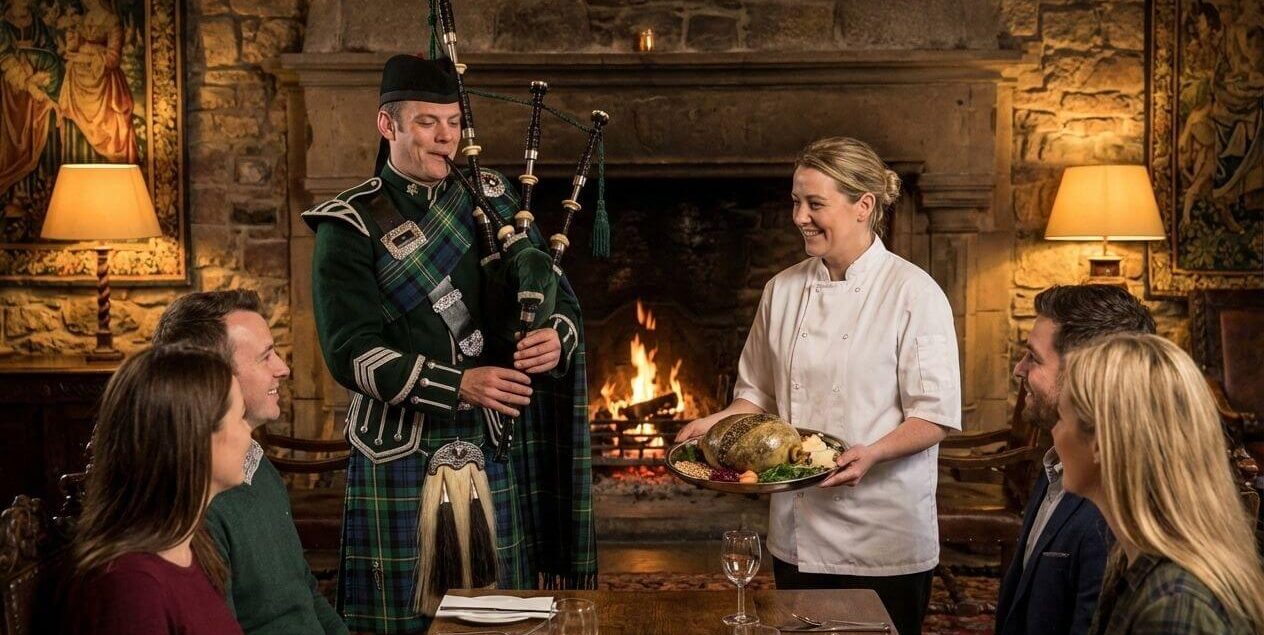
Burns Night, celebrated on January 25th, is a national evening of tribute dedicated to Robert Burns, Scotland’s national poet. It is a highly structured event that balances formal ceremony with irreverent humor, centered around the "Burns Supper."
Unlike many other national tributes, this celebration takes place in homes and community halls alike, making it a deeply personal and accessible ritual.
- What you do:Eat haggis (often), listen to poems/songs, join in the “running order” of speeches.
- Why it matters:It’s culture as a shared ritual-language, humor, food, and identity in one evening.
2. Hogmanay (New Year)
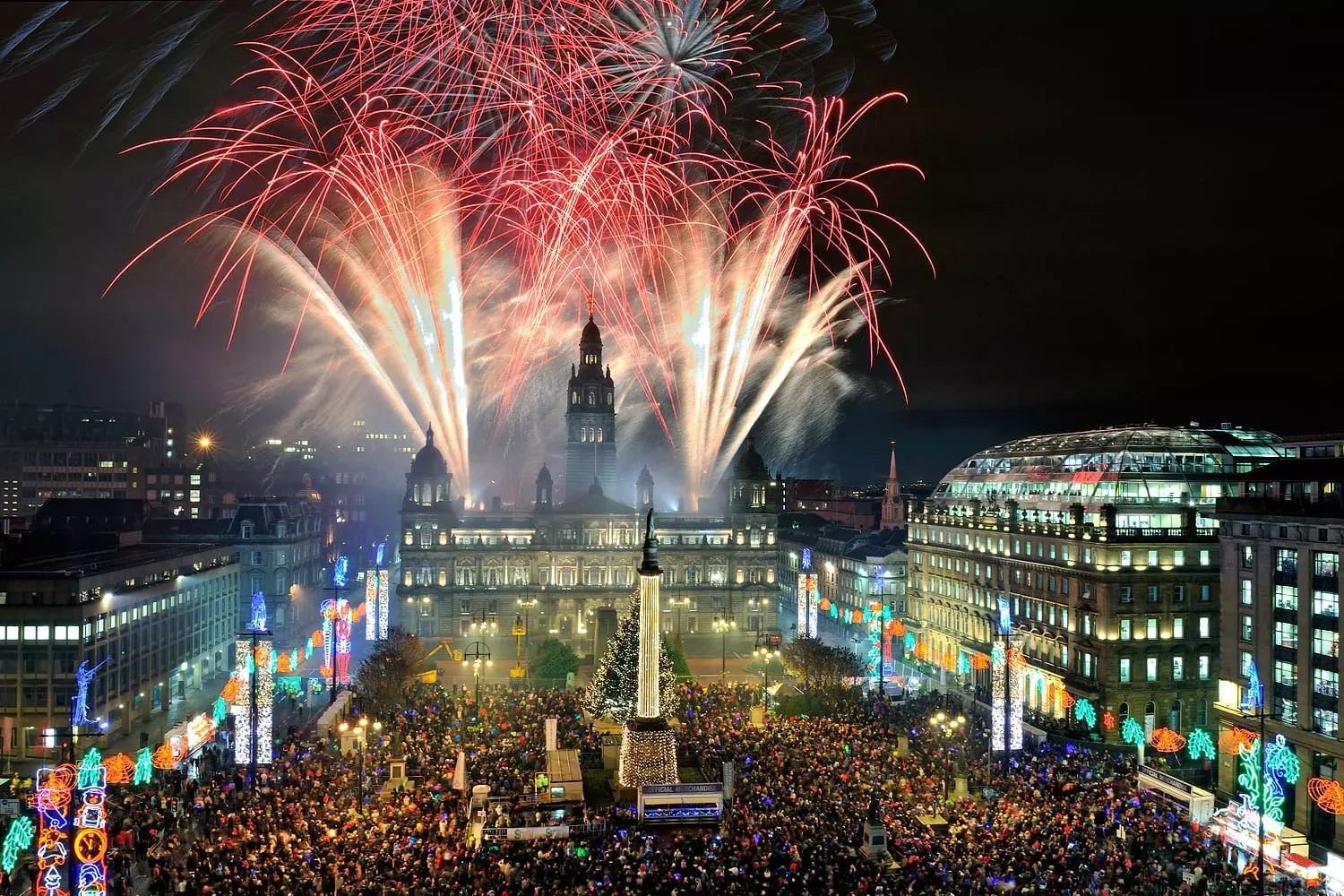
Hogmanayis Scotland’s distinctive New Year celebration, which is often culturally more significant to Scots than Christmas. It is a time of "clearing the decks" for the year ahead, characterized by massive public street parties and intimate home gatherings that can last for days.
- What you do:Join public events or home gatherings; some families practice “first-footing.”
- Why it matters:It’s community glue-visiting, welcoming, and starting the year together.
Another folklore-inspired tradition is the fireball swinging in Stonehaven, where locals swing blazing fireballs above their heads to ward off evil spirits and purify the new year.
3. Edinburgh Festival Fringe (August)
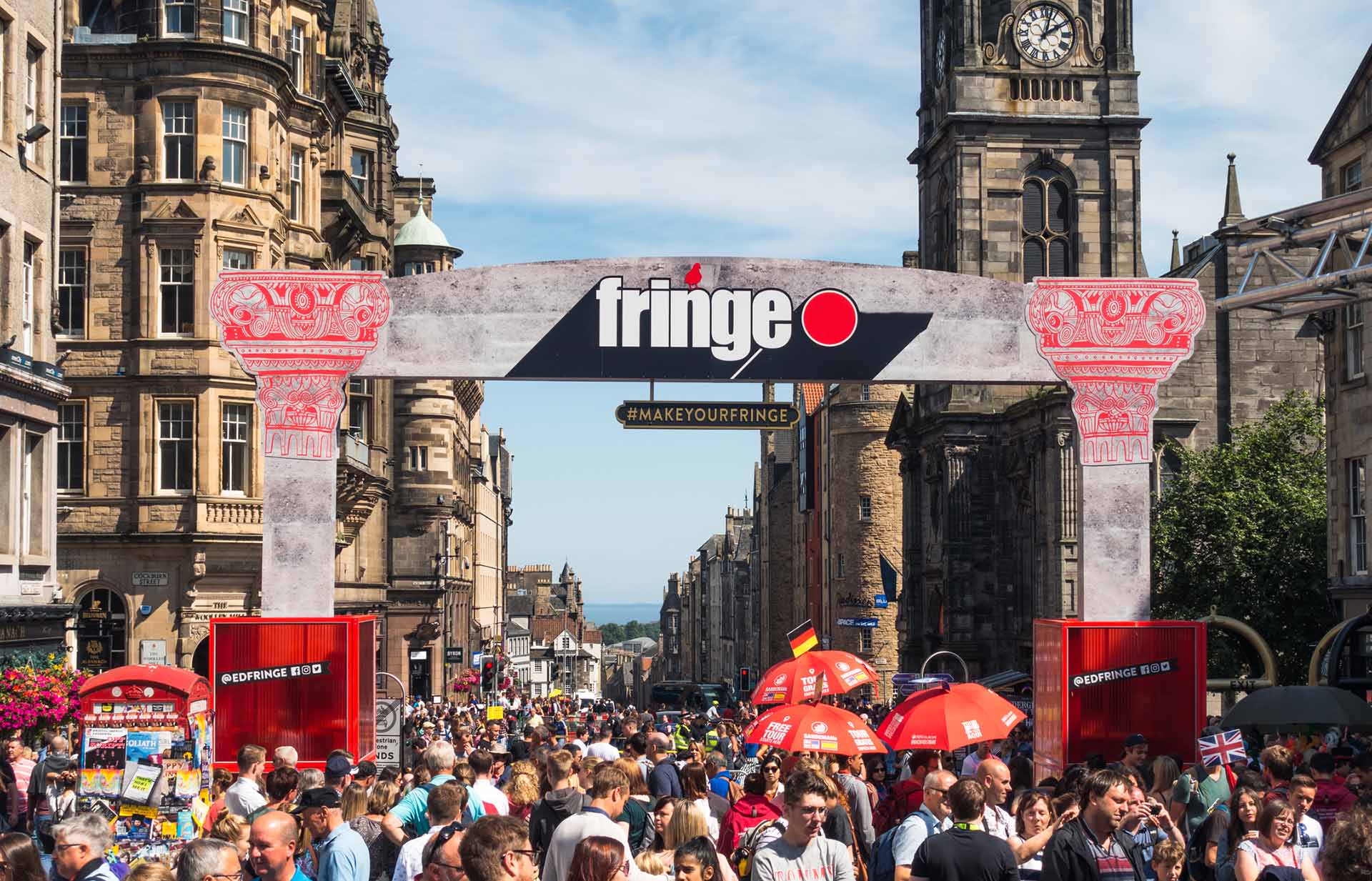
The Edinburgh Festival Fringe is the world’s largest arts festival, turning Scotland’s capital into a global stage for three weeks. It is an "open access" festival, meaning anyone with a venue and a show can perform, leading to an unparalleled diversity of creative voices.
- What you do:See theatre/comedy/storytelling/music; mix one “planned” show with one spontaneous choice.
- Why it matters:It’s Scotland’s creative identity on display-risk-taking and performance culture at scale.
4. Highland Games (Spring–Autumn)
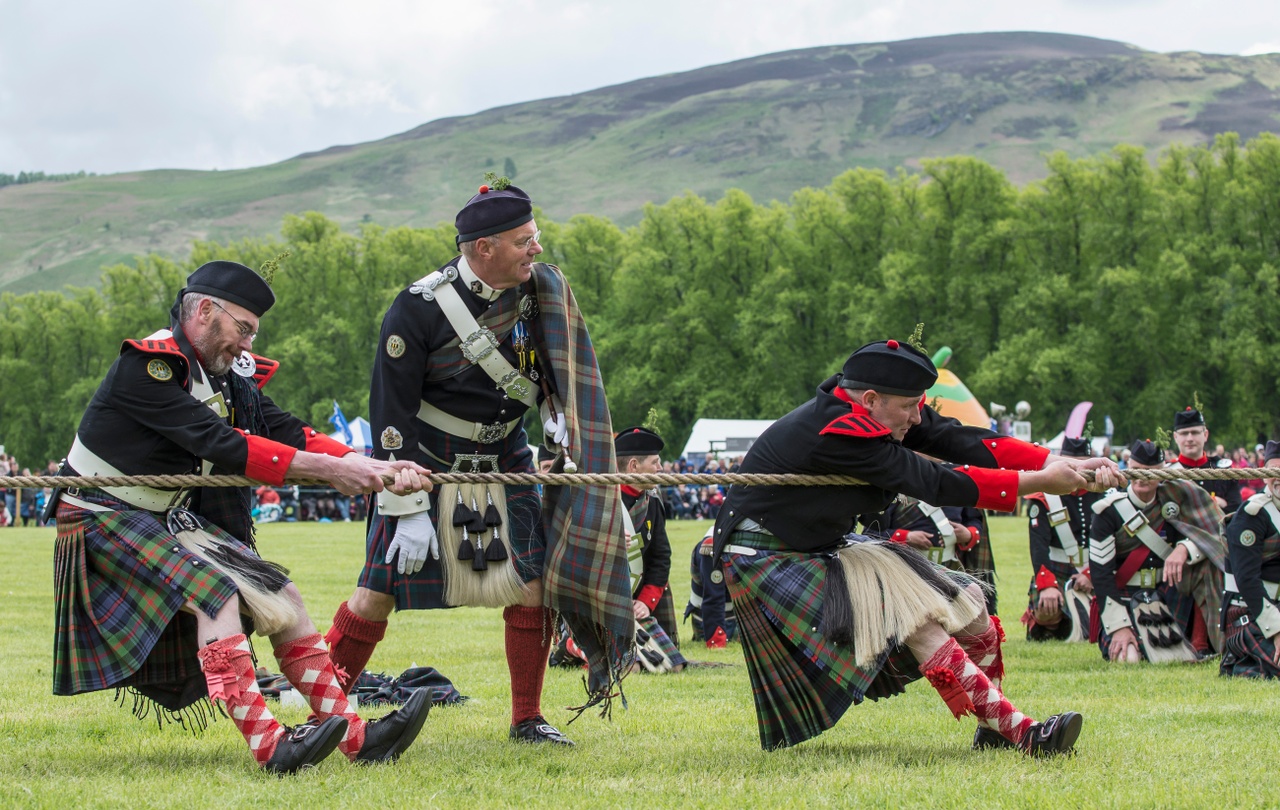
The Highland Gamesare a series of events held across the country, ranging from small village gatherings to massive international spectacles like the Braemar Gathering. While famous for "heavy events" like the caber toss, the games are actually multi-disciplinary festivals of community life.
- What you do:Watch heavy events, listen to piping, browse local stalls, enjoy the day-out atmosphere.
- Why it matters:It’s heritage expressed as community life-not just sport.
5. Beltane Fire Festival (Edinburgh, 30th April)
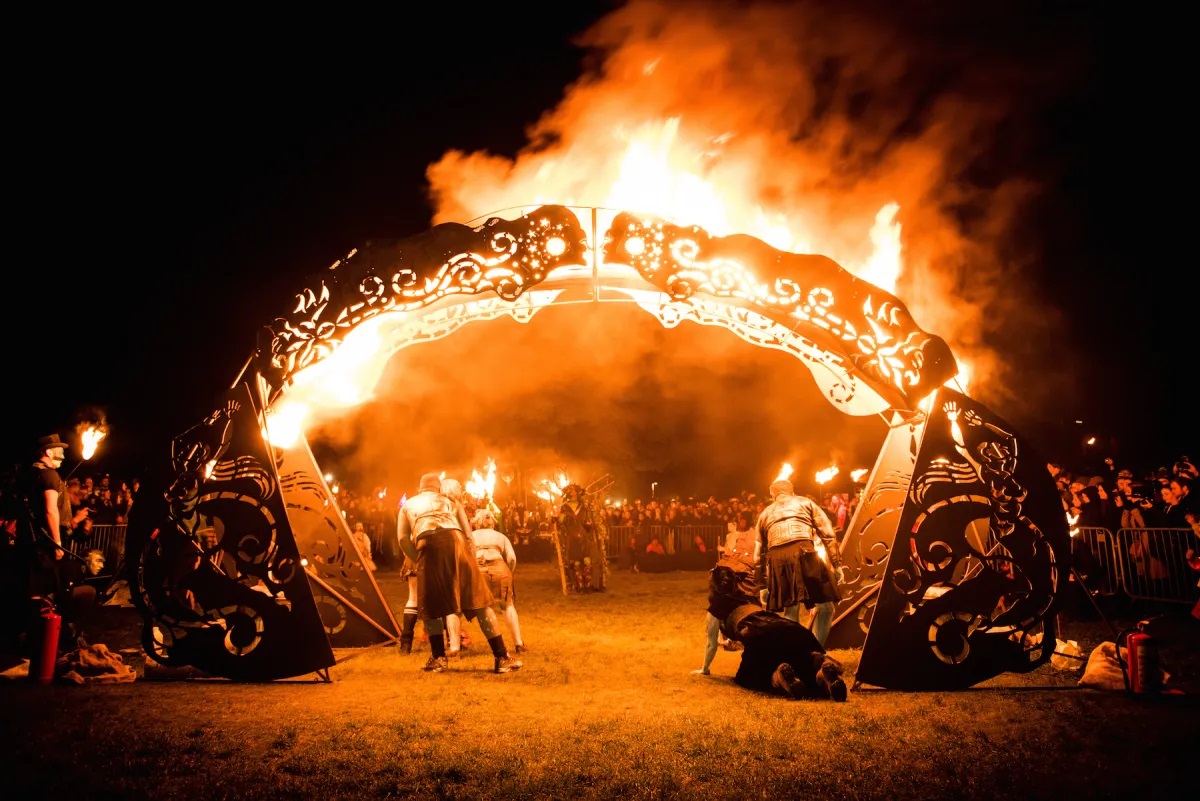
The Beltane Fire Festival is a modern performance event held on Calton Hill, inspired by ancient Celtic seasonal themes of fertility and the coming of summer.
The event features symbolic characters such as the May Queen (representing new life) and the Green Man (representing nature’s power). In the past, people would drive cattle between two fires to cleanse them of evil spirits. The festival’s fire performances and drumming rituals continue to reflect these old beliefs.
- What you do:Attend as you would theatre-watch the procession and fire performance, respect boundaries.
- Why it matters:It shows how Scotland creates new traditionwithout pretending it’s unchanged from the past.
6. Up Helly Aa (Shetland, Winter)
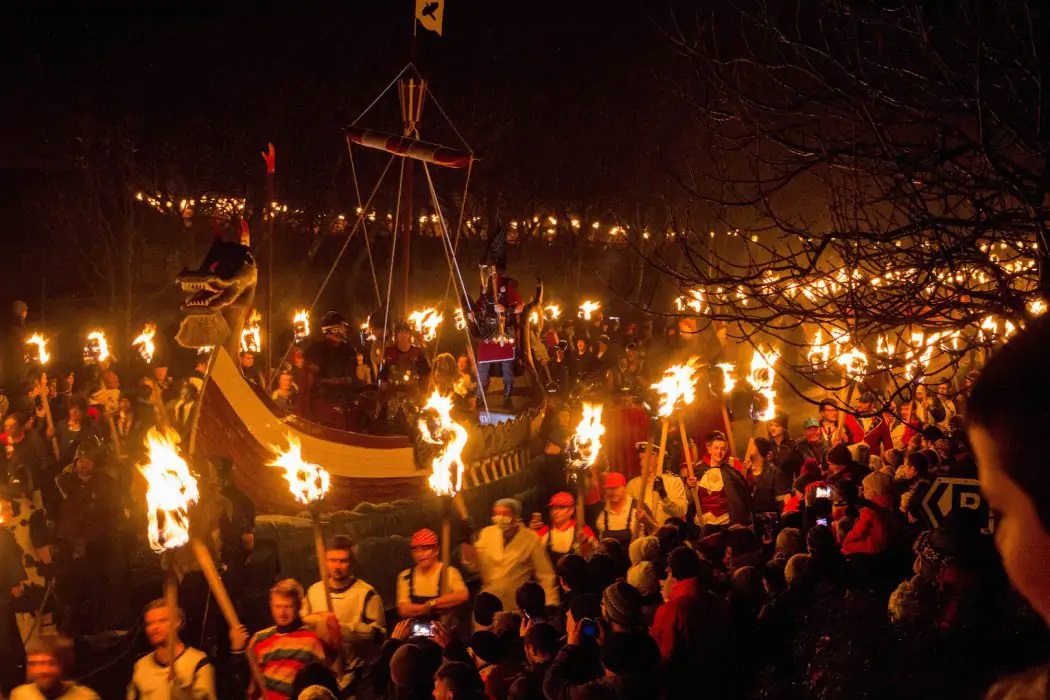
Up Helly Aa is a major fire festival held in Lerwick and other parts of Shetland, marking the end of the yule season. It is a powerful display of regional identity that highlights the islands’ unique Norse heritage, which differs significantly from the Gaelic culture of the Western Isles.
Many participants dress as Norse warriors, paying tribute to legends of gods such as Odin and Thor. The festival celebrates Shetland’s Scandinavian past and the fierce warriors who once ruled the islands.
- What you do:Watch the procession and community events (access and tickets can be limited).
- Why it matters:A clear example of regional identity-Scottish culture isn’t one-size-fits-all.
7. St. Andrew’s Day (30 November)
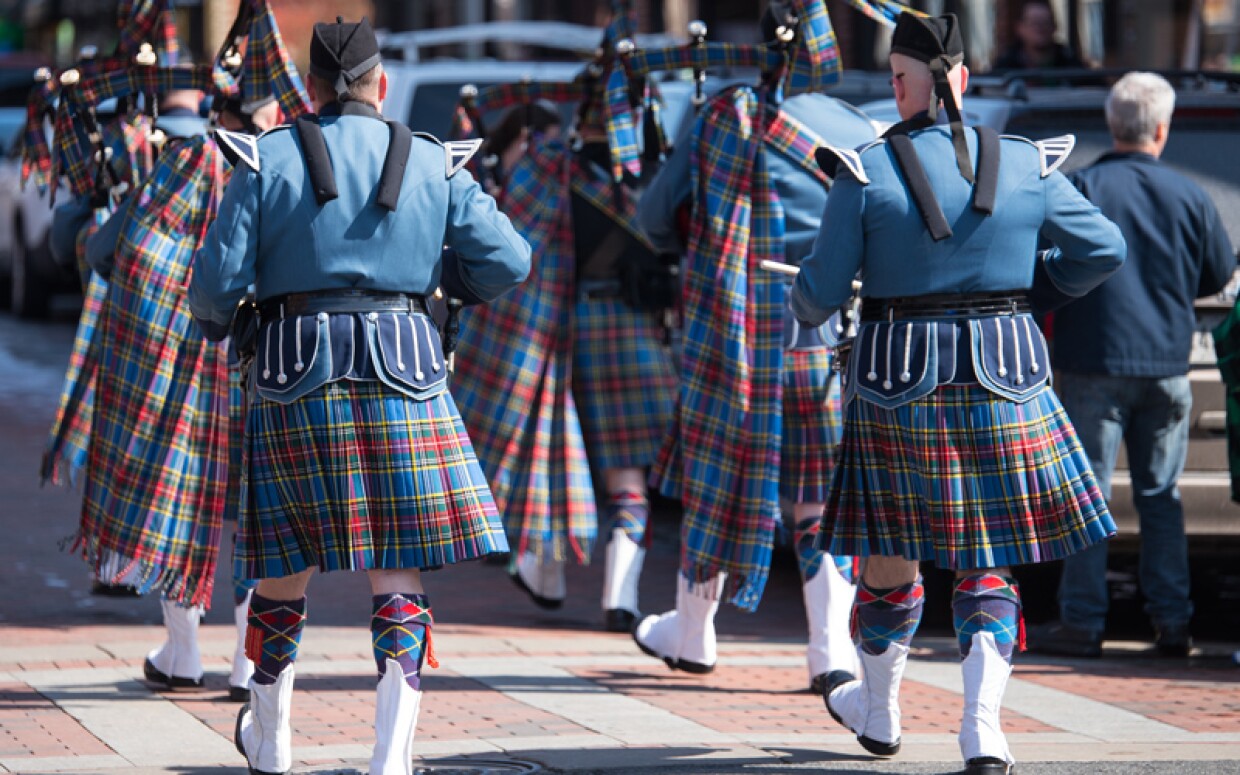
St Andrew’s Day marks Scotland’s official national day, honoring its patron saint. Unlike the high-octane energy of Hogmanay, this is a more reflective, modern expression of national pride that focuses on community well-being and the "common weal."
- What you do:Attend local concerts, community events, museum evenings, or food celebrations (varies by place).
- Why it matters:A low-pressure, modern expression of national identity.
8. Orkney And Shetland Folk Festivals (April–May)
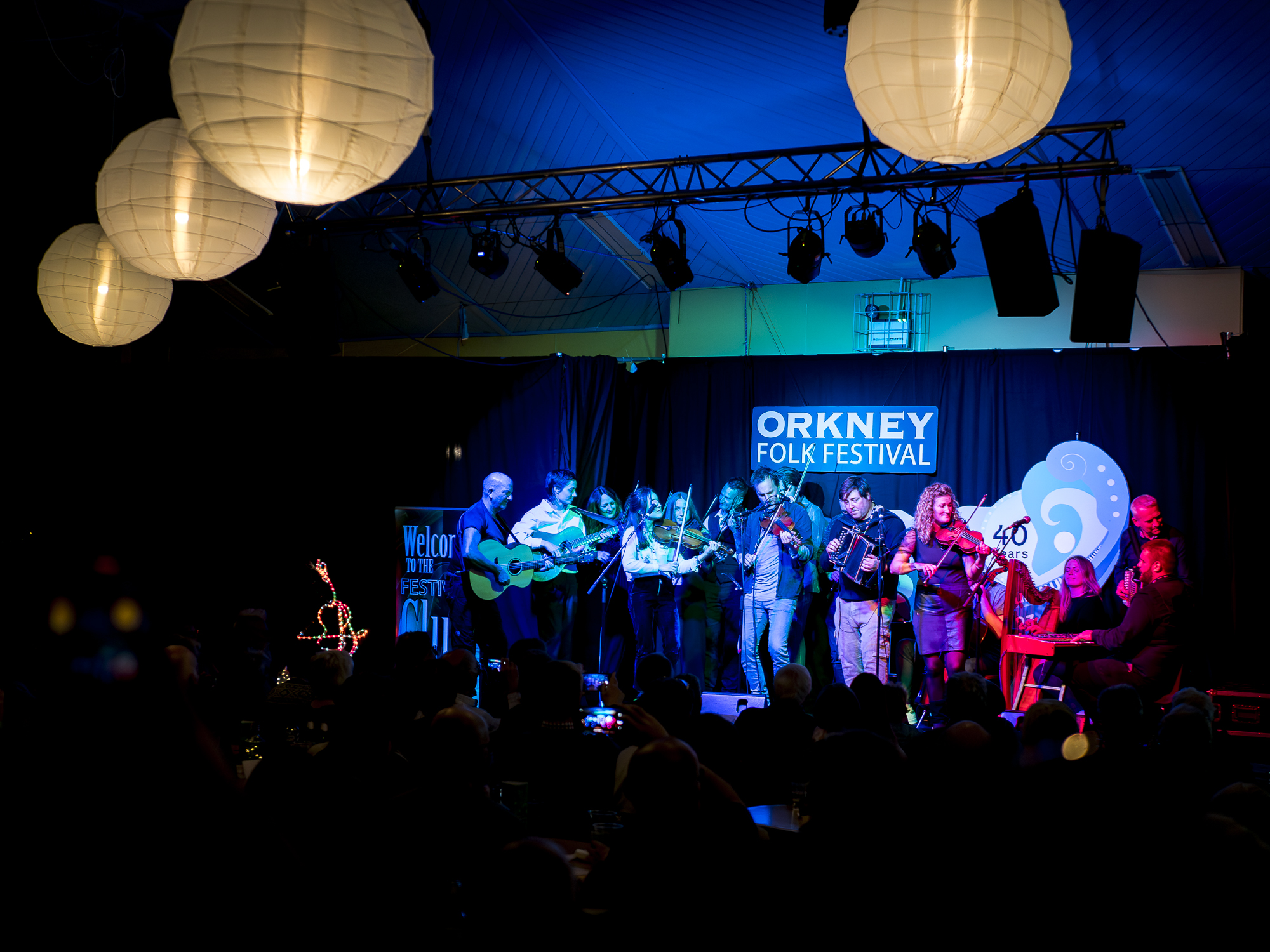
These island-based festivals are the antithesis of the large-scale Edinburgh spectacles. They are intimate, community-led celebrations where the line between "performer" and "audience" often blurs in local pubs and community centers.
- What you do:Attend concerts, sessions, and community nights where locals and visitors mix.
- Why it matters:They show living tradition-music as a community language, not a museum exhibit.
9. The Royal Edinburgh Military Tattoo (August)
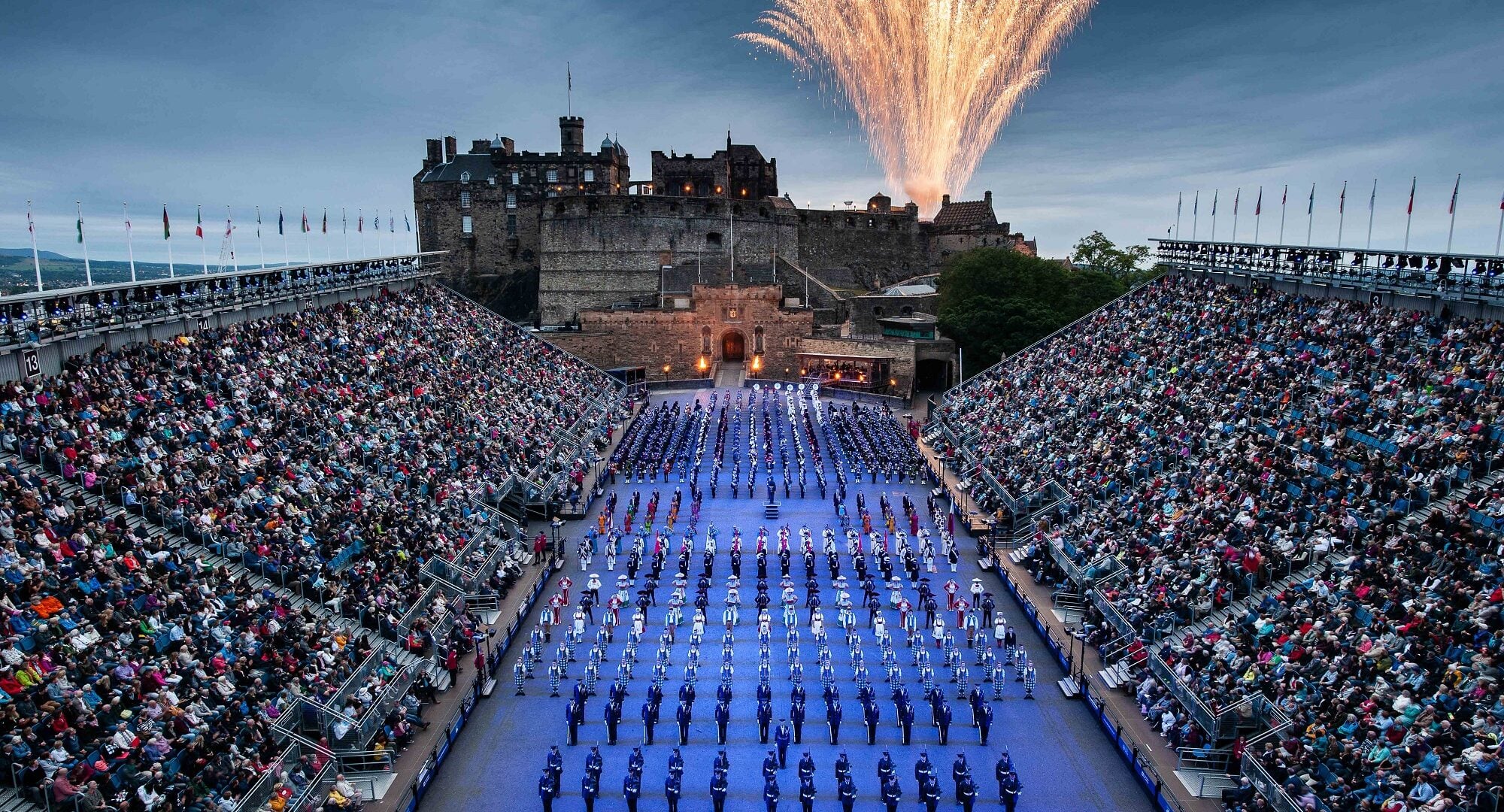
The Royal Edinburgh Military Tattoo, held every August on the esplanade of Edinburgh Castle, features music and performances inspired by Scotland’s history and folklore. Many of the pipe and drum marches are named after battles or legendary Scottish warriors.
The haunting sound of bagpipes is often linked to stories of soldiers playing before battle, believing the music had magical powers to boost courage. The Tattoo’s grand finale, featuring a lone piper playing on the castle ramparts, adds to the mystical atmosphere.
- What you do:Watch bands, displays, and structured spectacle in an iconic setting.
- Why it matters:It’s ceremonial tradition turned into public performance.
10. Celtic Connections (Winter) / HebCelt (Summer)
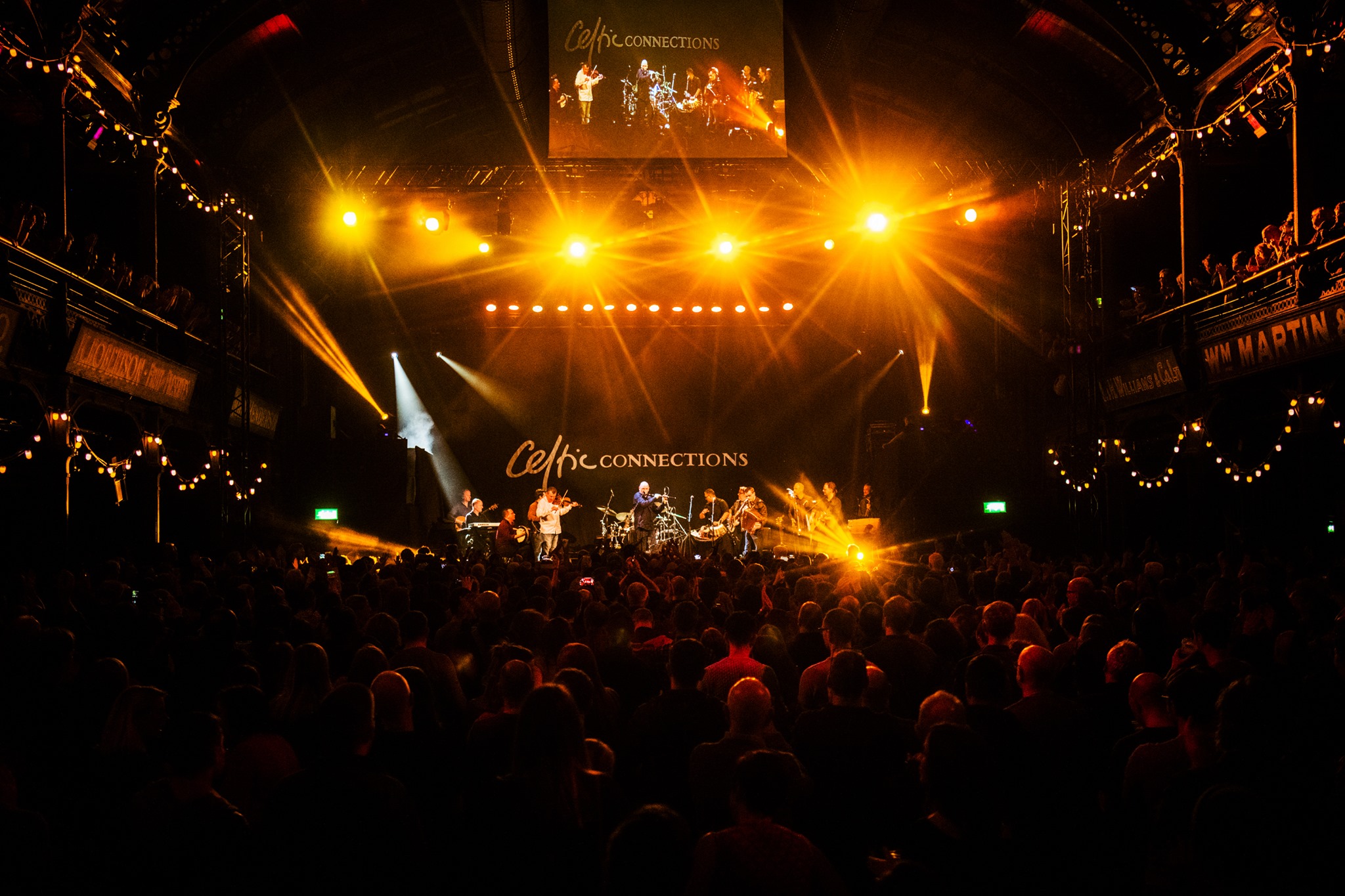
Celtic Connections(Glasgow) and the Hebridean Celtic Festival(Stornoway) are the premiere events for seeing how traditional roots connect to modern global sounds. They feature everything from "pure" traditional singing to indie-folk and electronic crossovers.
- What you do:Hear folk, roots, and crossover performances; experience modern Scotland through music.
- Why it matters:Proof that tradition evolves-culture stays alive by changing.
11. Scottish International Storytelling Festival / Wigtown Book Festival (Autumn)
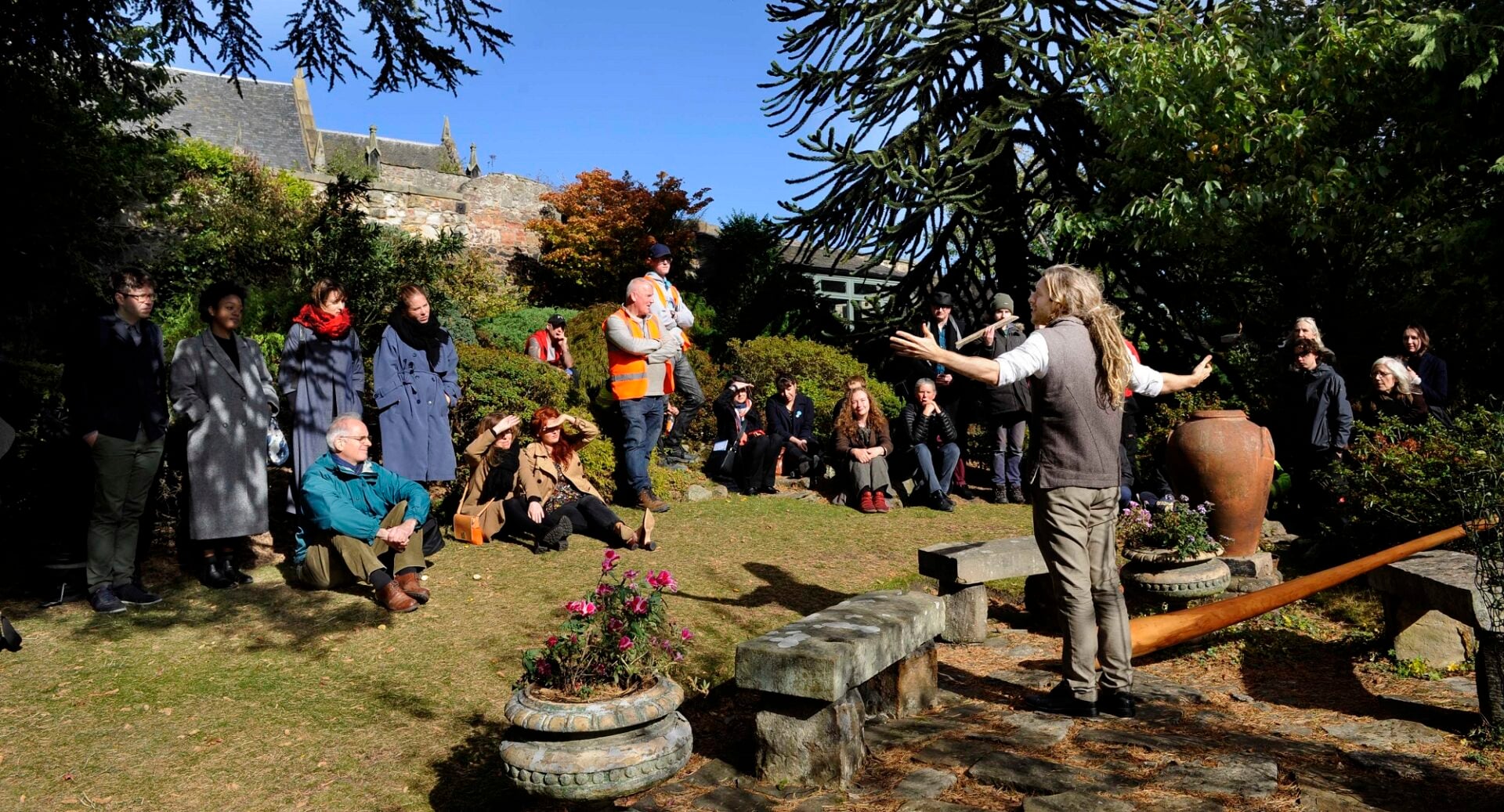
These autumn festivals focus on the "backbone" of Scottish culture: the spoken and written word. Wigtown, Scotland's National Book Town, provides a literary hub, while the Storytelling Festival in Edinburgh focuses on the oral tradition of the seanchaidh(storyteller).
- What you do:Attend talks, storytelling nights, readings, workshops (usually beginner-friendly).
- Why it matters:Storytelling is a cultural backbone, not an “extra.”
Traditional Scottish Music And Dance
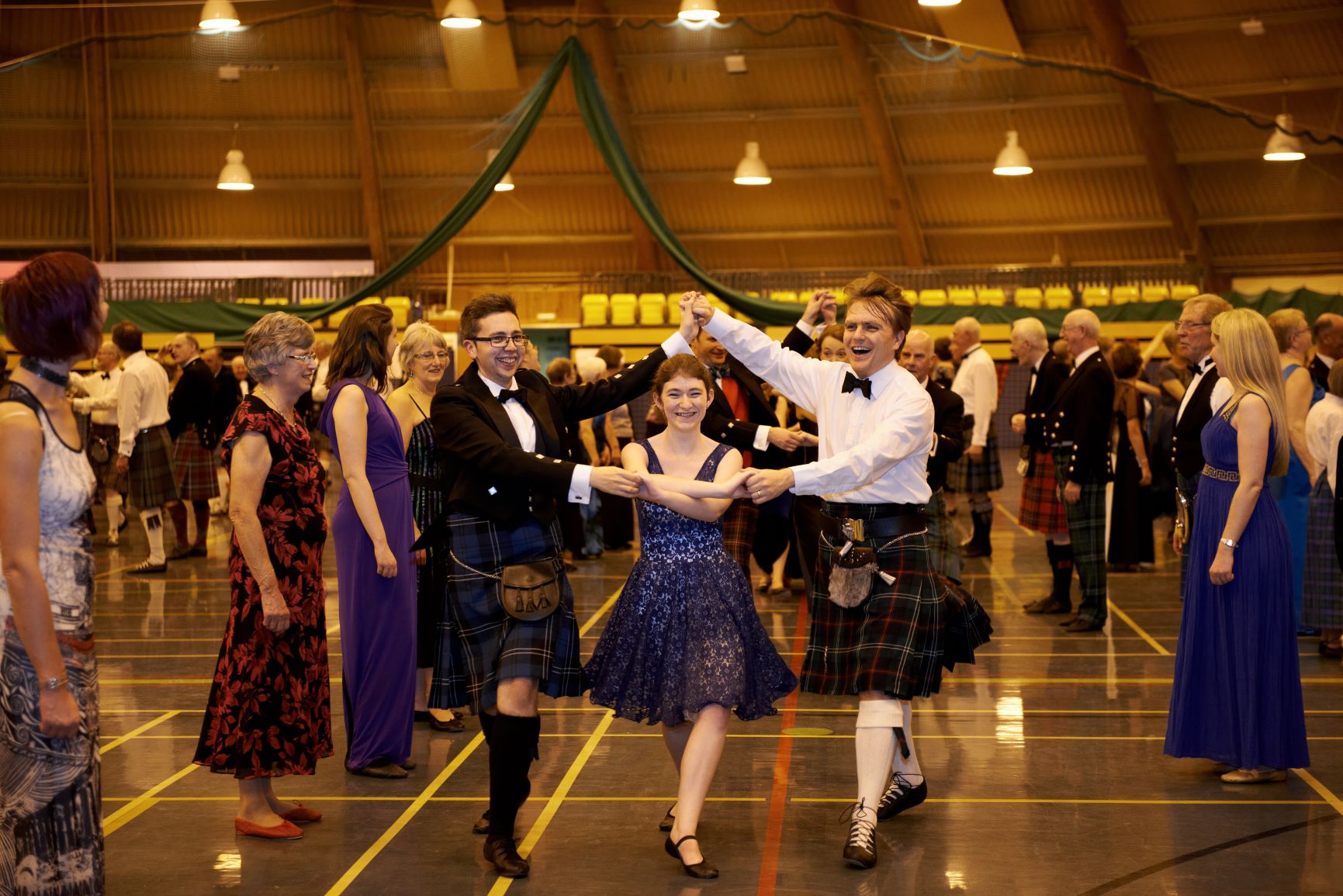
Music and dance play a vital role in Scottish culture, providing a deep sense of connection to history and community.
Bagpipes And Traditional Instruments
The bagpipes are one of Scotland’s most iconic symbols, often associated with ceremonial occasions. Their sound is deeply embedded in Scottish heritage.
Alongside bagpipes, other traditional instruments include the fiddle (central to folk music) and the clarsach (Scottish harp), used in Scottish music for centuries.
If you want to experience this “for real,” look for a local session(often in pubs) or a ceilidh night-that’s where tradition feels lived.
Ceilidh Dancing
Ceilidhs are lively social gatherings featuring traditional music and dancing. They’re common at weddings and festivals, and beginners are expected.
Popular ceilidh dances include The Gay Gordons, Strip the Willow, and The Dashing White Sergeant, each requiring energetic movements and group coordination. Ceilidh dancing fosters a strong sense of community and keeps Scottish traditions alive.
- Stand where you can see the caller, copy others, and don’t worry about perfection.
- Comfortable shoesmatter more than outfit.
Influence On Modern Music
Scottish music influences global folk and rock; bands like Runrig and The Proclaimersblend traditional elements with modern sounds. Traditional folk remains popular, with artists adapting it to contemporary styles.
For More Details, Check Out Traditional Scottish Music
Scottish Literature: A Legacy Of Great Writers
You’ll see how Scottish literatureranges from romantic historical imagination to modern realism-and why that range is culturally important.
A Tradition That Shaped Global Reading Culture
Scotland has produced world-renowned writers who helped define major literary modes:
- Sir Walter Scottis widely regarded as a foundational figure in the historical novel tradition.
- Robert Louis Stevensoncreated enduring classics that blend adventure and psychological tension (including Dr Jekyll and Mr Hyde).
- In modern literature, writers like Irvine Welshcaptured sharp-edged contemporary realities (e.g., Trainspotting).
What Makes Scottish Literature Distinct:Scottish literature often explores identity, class, place, and voice-the same tensions that shape modern cultural debates.
Edinburgh As A Living Literature City
Edinburgh was designated the world’s first UNESCO City of Literature in 2004, reflecting a deep literary ecosystem. The Edinburgh International Book Festival is a major annual celebration of words, literature, and ideas.
Takeaway: Scottish literature isn’t one “voice”-it’s a spectrum that mirrors Scotland’s regional and social complexity.
Education In Scottish Culture
Education is one of the strongest “through-lines” in Scottish customsand culture because it shapes language, civic values, and local identity-not just career paths.
- A separate system:Scotland has its own education system, with its own qualifications and national approach to curriculum and assessment. This is part of why Scottish identity stayed distinct even after political union.
- A long cultural habit of learning:You’ll notice a strong public respect for reading, debate, and ideas-visible in libraries, festivals, and the way literature and humor sit close together in everyday conversation.
- Universities as cultural engines:Historic universities (and their cities) don’t just educate; they attract writers, performers, researchers, and international communities, which feeds modern Scottish culture-especially in places like Edinburgh, Glasgow, St Andrews, and Aberdeen.
Scottish Culture Art And Architecture
Early Scottish art is found in Pictish standing stones, covered in intricate symbols.
As the nation modernized, it developed Scots Baronial architecture, characterized by turrets and crow-stepped gables-later revived to create the “fairytale” look associated with many Scottish buildings.
In the early 20th century, Charles Rennie Mackintosh and the Glasgow School blended art nouveau with Scottish motifs. Mackintosh’s work showed Scotland could sit at the forefront of international design.
When you visit Scottish cities, notice how architecture signals identity: medieval closes, Victorian civic confidence, and modern designoften sit within a 10-minute walk.
Scottish Culture food
Scottish food is hearty and shaped by landscape and climate.
Haggis - Scotland’s National Dish And Its Folklore
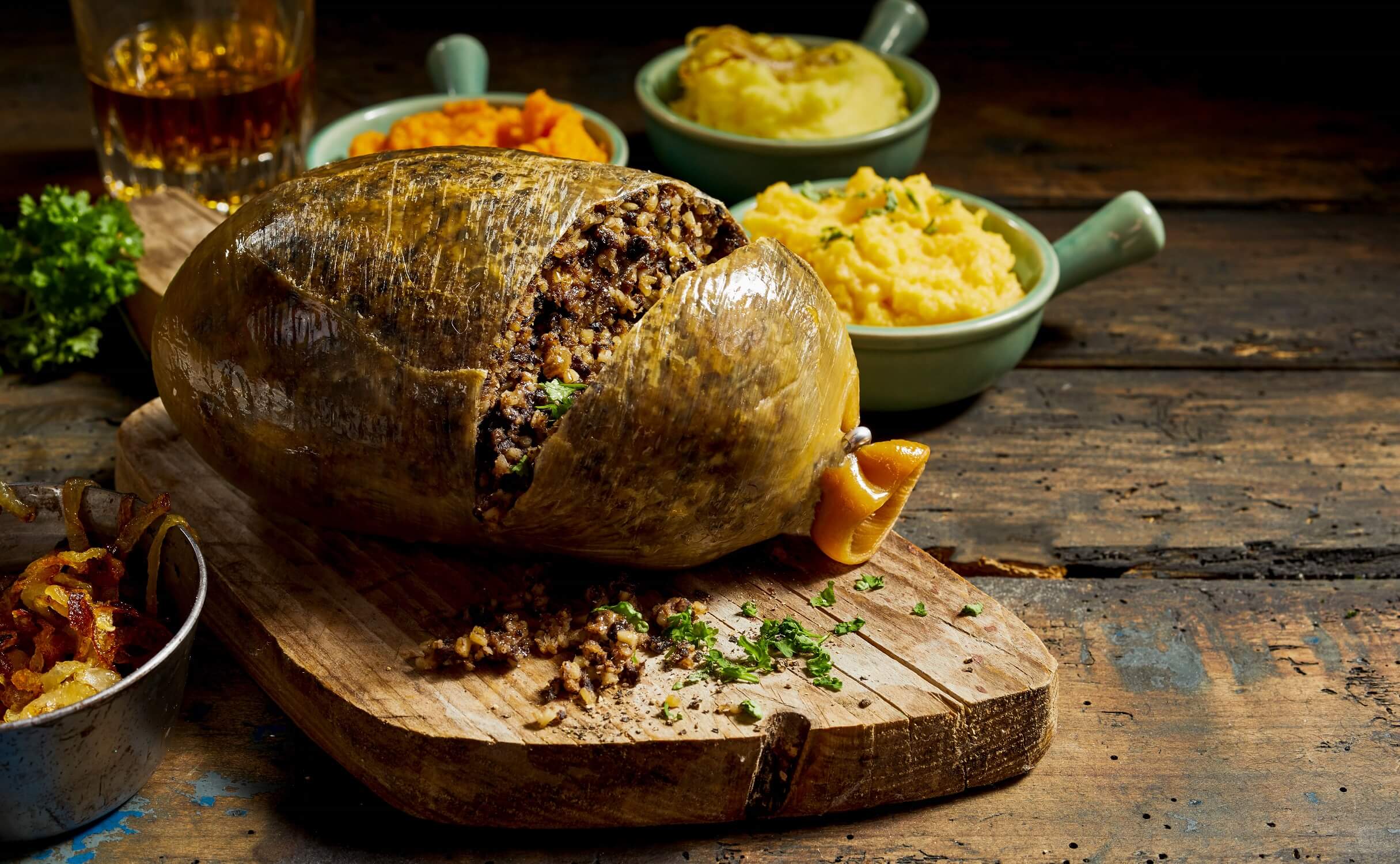
Haggis is made from sheep’s offal mixed with oats, fat, and spices, traditionally served with neeps and tatties.
The dish is famously celebrated on Burns Night. There’s also the humorous “wild haggis” folklore tale.
Vegetarian haggis is commonon menus; try it if you’re unsure about offal.
Scotch Whisky - The Water Of Life
Whisky (uisge beatha) has long cultural presence in Scotland. Regions are often described by typical profiles: Speyside often sweet/fruity; Islay often peaty/smoky. If you’re new to whisky, start with a small tasting pourrather than a full dram.
Regional Dishes - A Taste Of Scotland’s Culinary Diversity
- Cullen Skink:smoked haddock soup from Cullen (northeast)
- Scotch Pie:small double-crust meat pie often found at bakeries and matches
- Cranachan: dessert with toasted oats, honey, raspberries, and cream (sometimes whisky-inflected)
Scottish Culture clothing
Scotland has a wealth of customs and superstitions, many rooted in ancient folklore.
Tartan And Kilts - A Symbol Of Scottish Pride
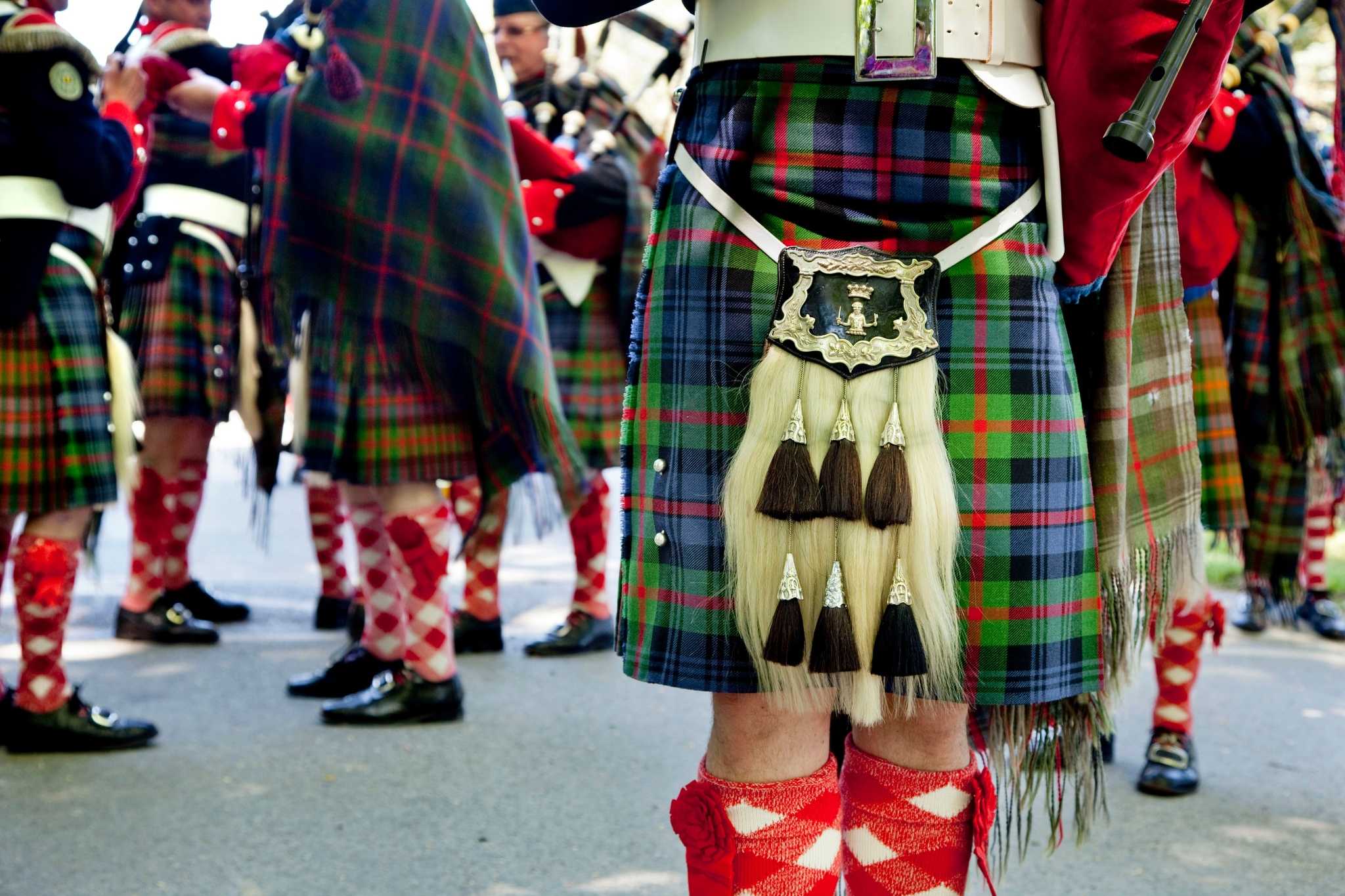
The kilt is one of the most recognizable symbols, often associated with Highland clans and formal events. Traditionally, many clans became associated with specific tartans over time.
The origins of tartan are often traced back centuries, with references appearing in early modern Scotland. Today, kilts are worn at weddings, Highland Games, and national celebrations.
The banning of Highland dress after the Jacobite uprisings strengthened its symbolism; later revivals helped turn tartan and kilts into national identity markers across Scotland and the diaspora.
“can I wear it?”
In most contexts, yes-wearing tartan is fine. The key is not claiming a clan identity you don’t have and not treating it as costume.
If you’re buying rather than just learning, here are the best places to buy scottish tartans and kilts.
First-Footing - A Hogmanay Tradition For Good Luck
First-footing is a Hogmanay custom where the first visitor after midnight brings symbolic gifts such as coal, whisky, shortbread, or salt.
The “dark-haired first-footer” is often explained through folk stories; treat it as popular tradition, not confirmed history.
Scottish Storytelling And Superstitions
Folklore And Myths - Scotland’s Legendary Creatures
Scotland is rich in myths and legends, with folklore passed down through generations. Some of the most famous mythical creatures include:
- The Loch Ness Monster:One of the world’s most famous legends, the Loch Ness Monster (Nessie) is said to inhabit the deep waters of Loch Ness. Some stories trace the idea far back, while modern ‘Nessie’ fame grew in the 20th century. Nessie remains a mystery that draws thousands of visitors to the Highlands each year.
- Selkies:These mythical seal-folk can transform into humans by shedding their seal skins. Found in Scottish coastal folklore, selkies are often depicted in tragic love stories where they are forced to return to the sea, leaving behind human families.
- The Kelpie:A shape-shifting water spirit said to inhabit Scotland’s lochs and rivers, the Kelpie often appears as a beautiful black horse. According to legend, it lures unsuspecting travelers onto its back before dragging them into the water. Stories of Kelpies were traditionally told to warn children about the dangers of deep water.
Folklore often works like cultural code: it teaches respect for dangerous water, marks boundaries between the known and unknown, and keeps place-memory alive.
Scottish Must-see Destinations
1. Edinburgh
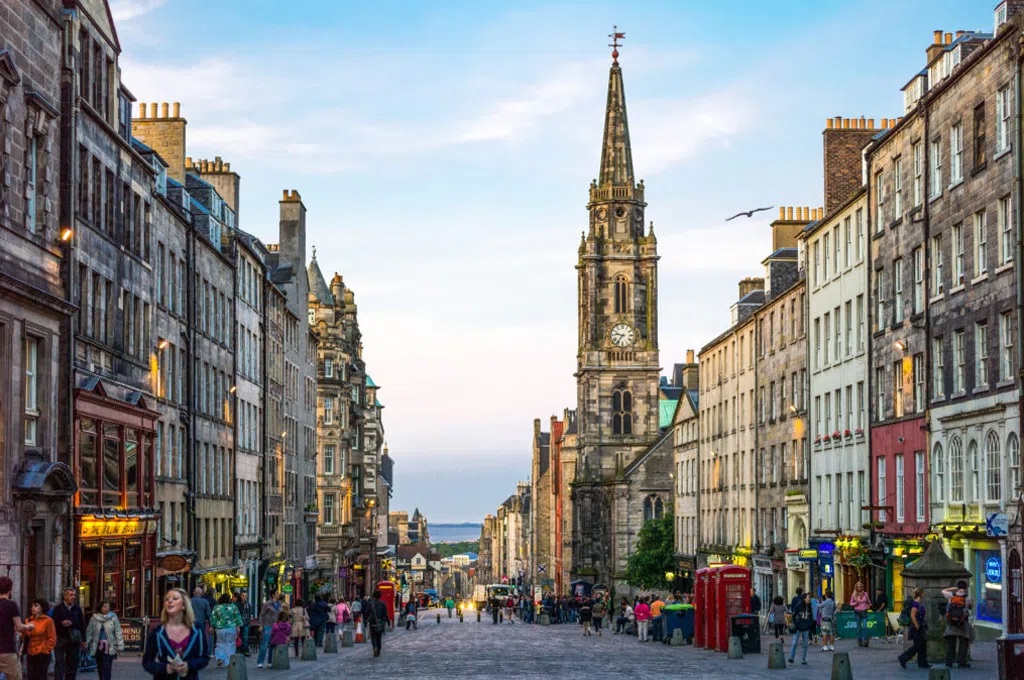
Edinburgh is the "Athens of the North," a city where the physical architecture mirrors the dual nature of the Scottish psyche. The medieval Old Town, with its vertical "closes" (narrow alleys), represents Scotland’s gritty, storied past, while the neoclassical New Town embodies the intellectual order of the Scottish Enlightenment.
- Cultural Identity:As the world’s first UNESCO City of Literature and the home of the world's largest arts festival, the city is a global engine for performance and storytelling.
- The Experience:Walk the Royal Mile to feel the "layered history" beneath your feet-from the seat of royal power at the castle to the grassroots creative energy of the Fringe.
2. Glasgow
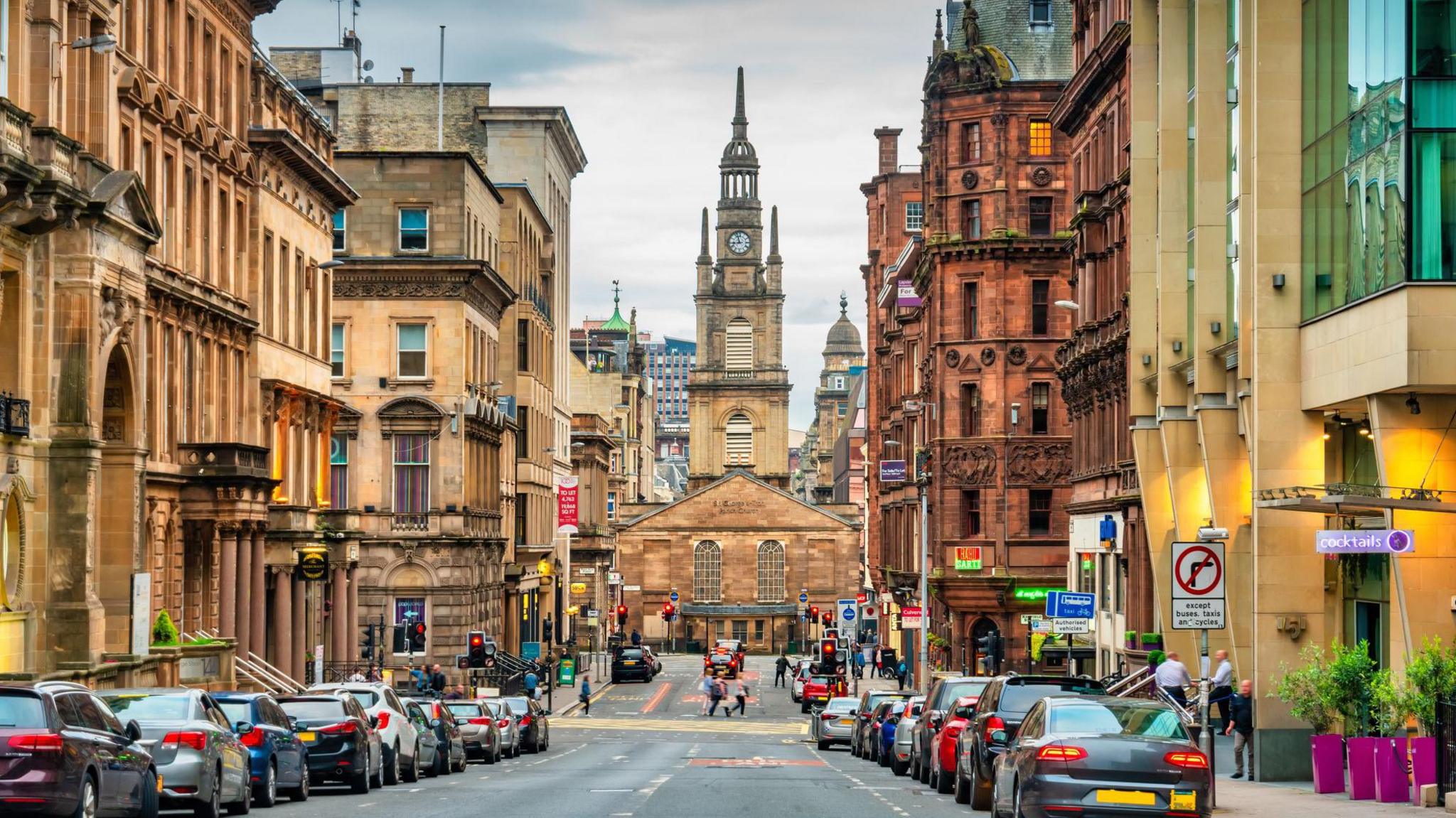
Glasgow is the "working-city" counterpart to Edinburgh’s formal elegance. It is a post-industrial success story where Victorian merchant wealth funded an explosion of arts and design, most notably seen in the work of Charles Rennie Mackintosh.
- Cultural Identity: Glasgow holds a UNESCO City of Music designation, reflecting a deep, authentic live-music reputation that spans from folk sessions to world-class indie and electronic scenes.
- The Experience:Explore the Kelvingrove Art Gallery or the bars of Ashton Lane to see how Glaswegians turn everyday city life into an energetic, creative performance.
3. Isle Of Skye
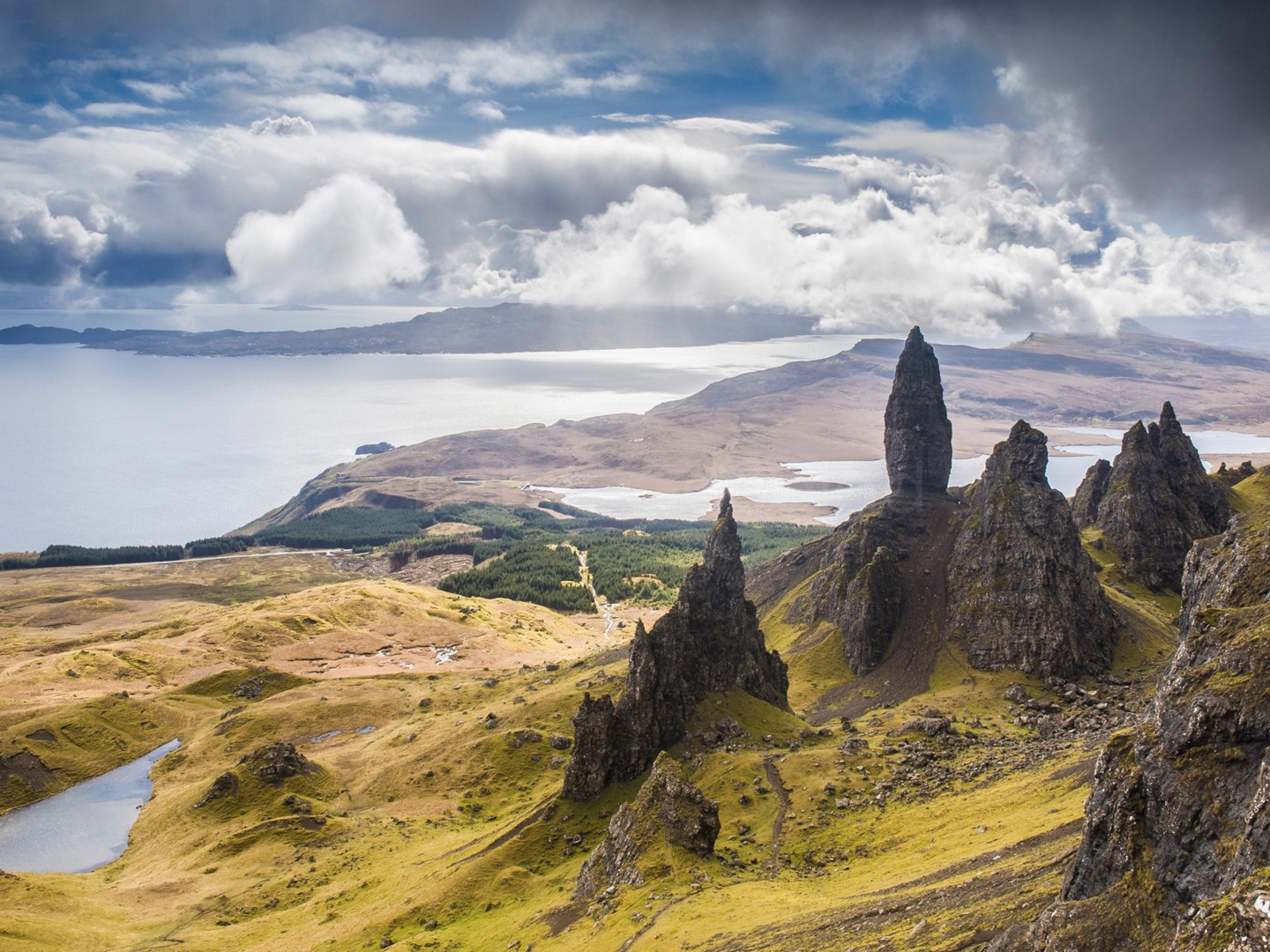
The Isle of Skyeis the ultimate example of how Scotland’s dramatic topography feeds the visitor's imagination and local place-lore. The jagged peaks of the Cuillin and the surreal rock formations of the Quiraing have inspired centuries of Gaelic poetry and myth.
- Cultural Identity:Skye is a stronghold of heritage imagery, where the history of the clans (MacLeod and MacDonald) is still etched into the ruins of castles and the "clearance" villages of the past.
- The Experience:Use the landscape as a portal to understanding the Gaelic relationship with the land-one where every mountain and loch has a name rooted in a specific ancestral event.
4. Loch Ness
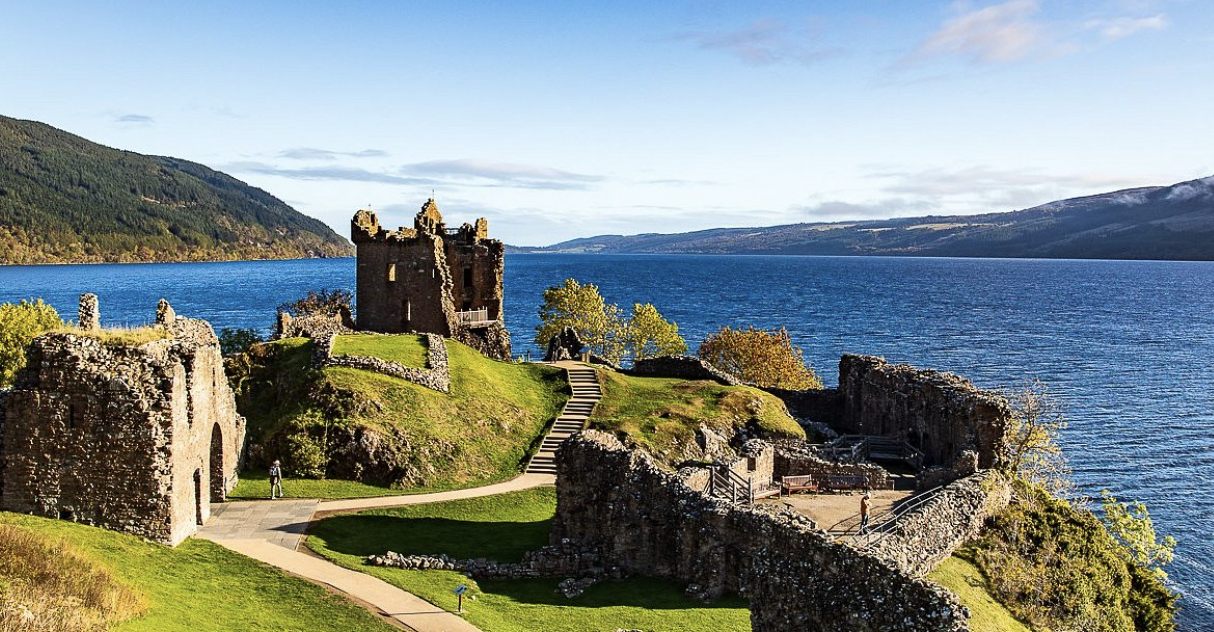
While many visit for a glimpse of "Nessie," the cultural significance of Loch Nesslies in how a local legend was transformed into a global icon of mystery. It represents the intersection of Highland landscape and the modern "tourism culture" that Scotland helped pioneer in the 19th century.
- Cultural Identity:It serves as a study in how folklore-whether ancient water-horse myths or modern cryptids-can define a region's identity for the entire world.
- The Experience:Visit the ruins of Urquhart Castle to see how a strategic medieval power center became a silent witness to the romanticizing of the Highlands.
5. Stirling
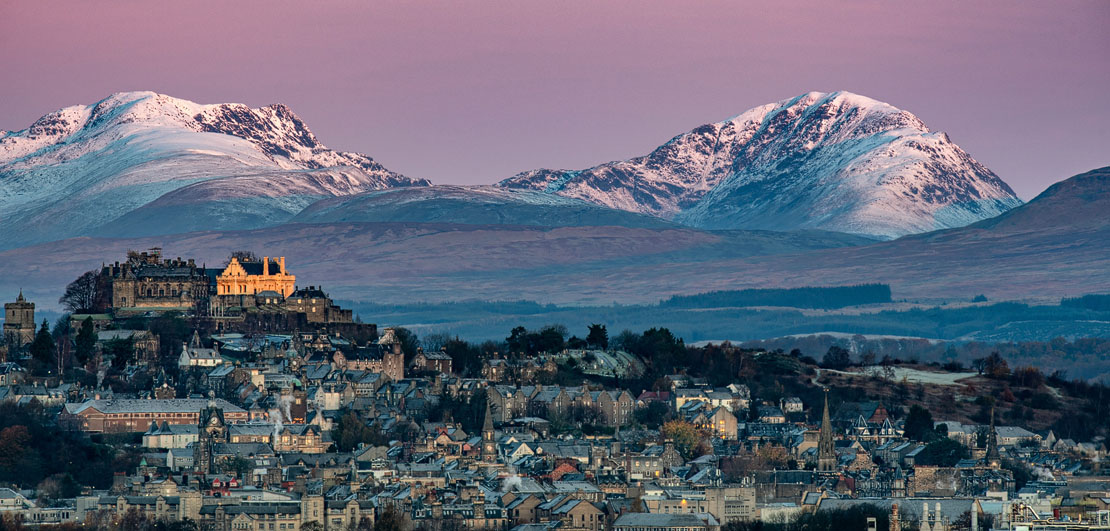
Stirling is often called the "Gateway to the Highlands," and its castle sits atop a volcanic crag that has seen the most pivotal moments in the national story. If you want to understand the wars for independence and the power of the Scottish monarchy, you start here.
- Cultural Identity:This is Scotland’s medieval "power center," where the victories of William Wallace and Robert the Bruce solidified the resilient spirit that still defines the nation.
- The Experience:Look out from the Wallace Monument toward the battlefield of Stirling Bridge; here, the landscape is a direct map of Scottish resistance and sovereignty.
6. Glencoe
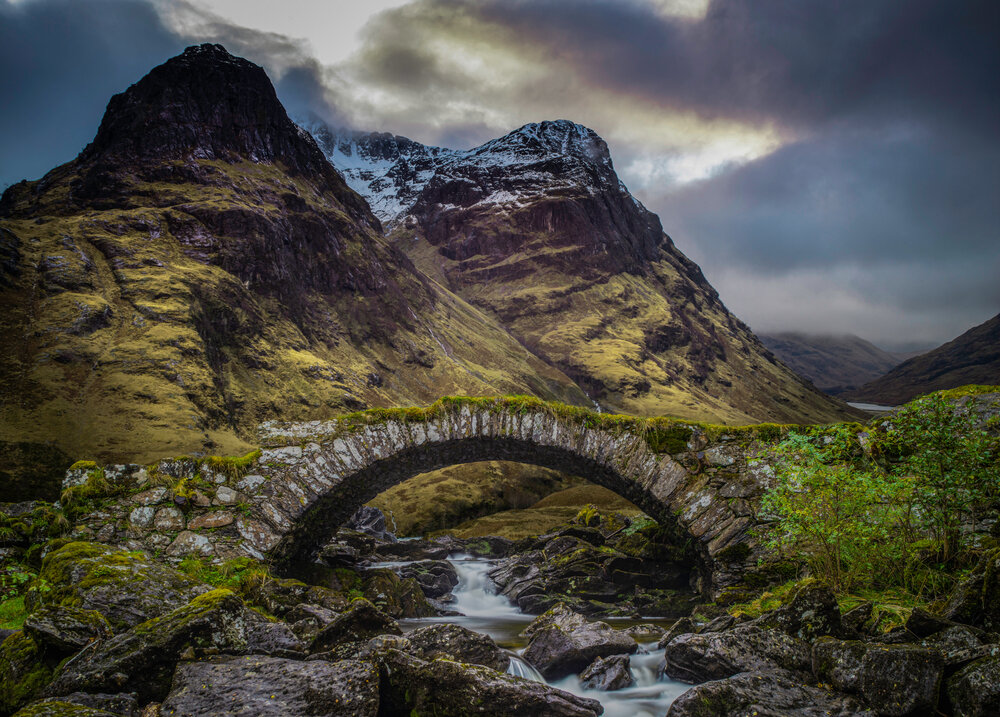
Glencoe is perhaps the most hauntingly beautiful glen in Scotland. Beyond its cinematic appeal, it is a site of profound cultural memory, specifically the 1692 massacre that remains a sensitive point in Highland history.
- Cultural Identity:It is a place where history and emotion shape every interpretation of the scenery. The "Three Sisters" mountains stand as silent monuments to the MacDonalds who lost their lives there.
- The Experience:Hike the trails not just for the view, but to feel the weight of a landscape that serves as a physical memorial to the complexities of clan loyalty and betrayal.
7. Inverness
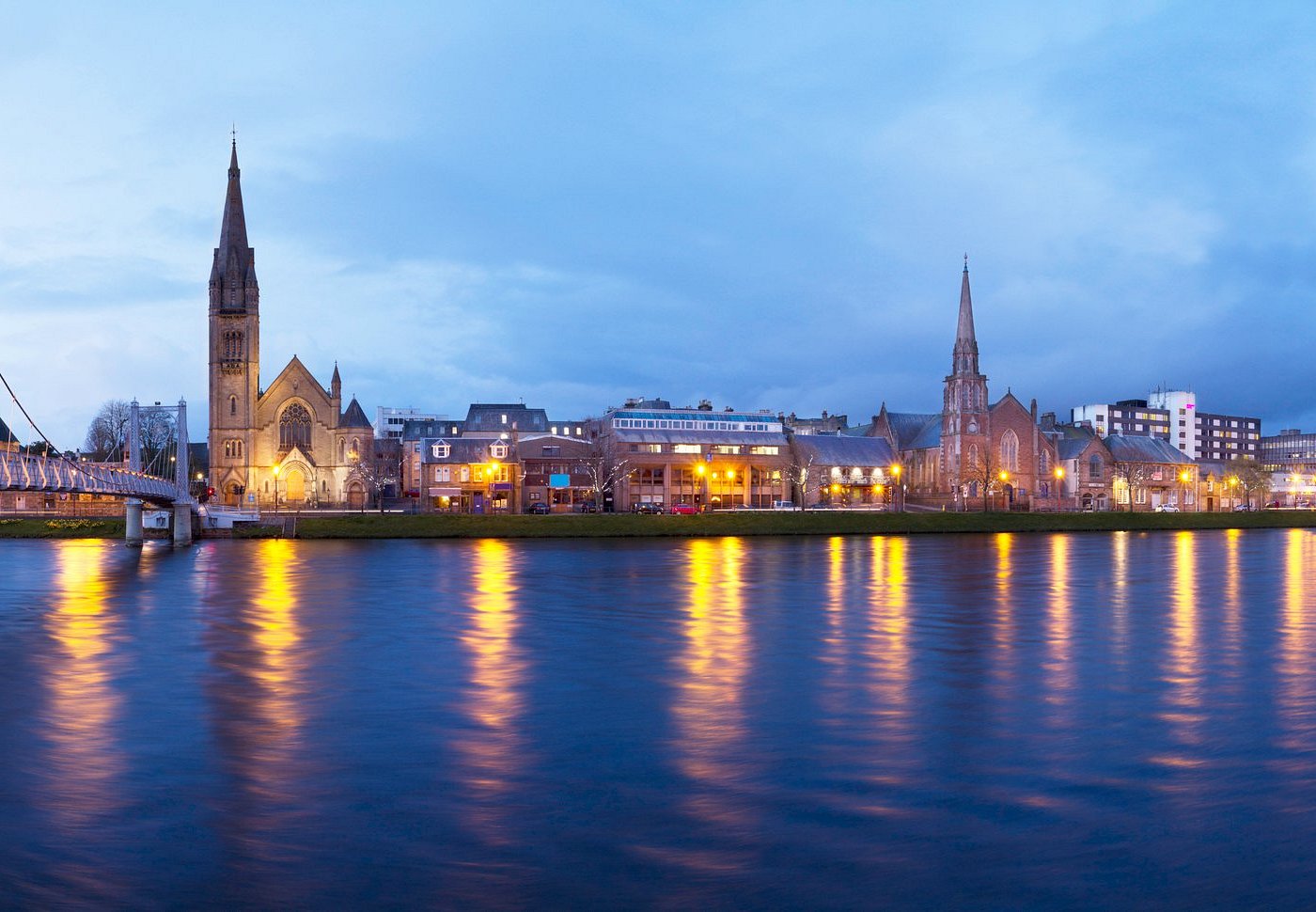
Invernessis the administrative and cultural hub of the modern Highlands. While it offers all the comforts of a modern city, it serves as a practical gateway to the historic landmarks that shaped the modern UK, most notably the Culloden Battlefield.
- Cultural Identity:It is the bridge between the old Gaelic world and the new, progressive Scotland. Nearby sites like the Clava Cairns provide a link to the Bronze Age, while the city itself buzzes with contemporary Gaelic revival efforts.
- The Experience:Visit Culloden Moor to understand the final, tragic end of the Jacobite Risings-a moment that fundamentally changed Scottish culture forever.
8. Cairngorms National Park
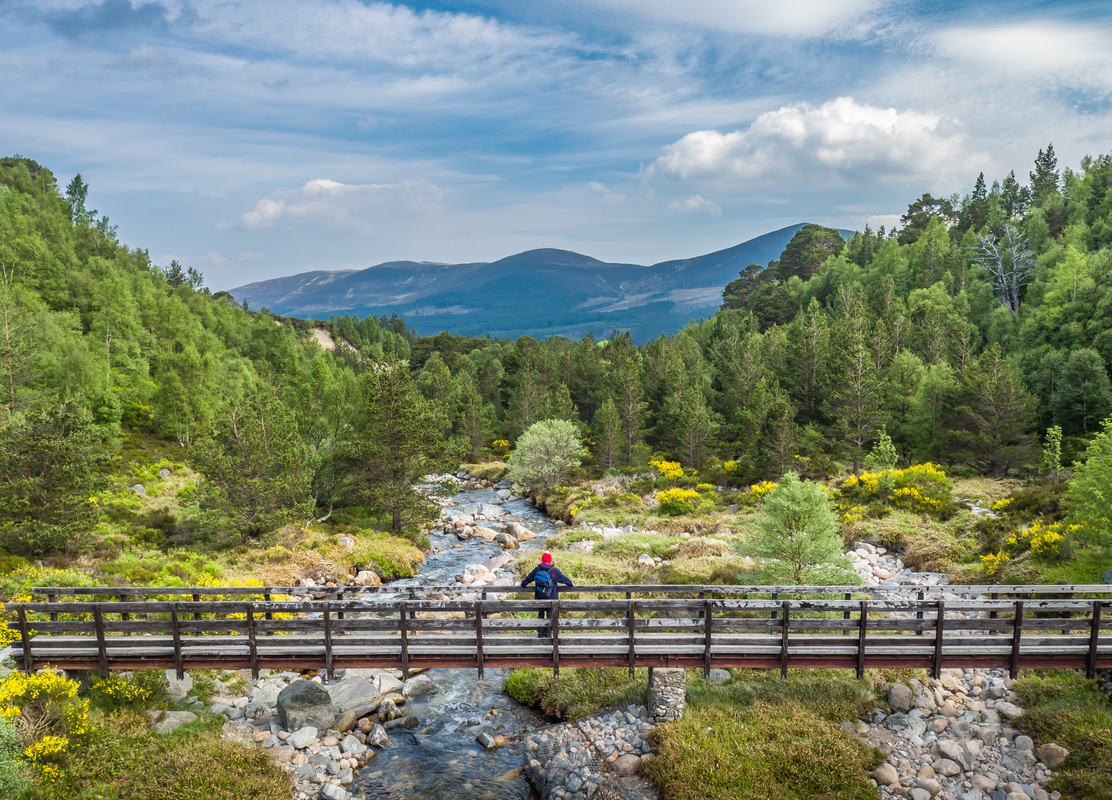
The Cairngorms National Parkrepresent the "wild heart" of Scotland and the nation's unique outdoor lifestyle. Scotland’s "Right to Roam" (the Land Reform Act of 2003) is a vital cultural tenet that reflects a belief in the land as a communal resource.
- Cultural Identity:The park showcases the Scottish values of environmental stewardship and "access culture," where people are encouraged to engage with nature responsibly.
- The Experience:Whether skiing in Aviemore or spotting red squirrels, you are participating in a culture that treats the wilderness as a fundamental human right, not a private luxury.
9. Orkney Islands
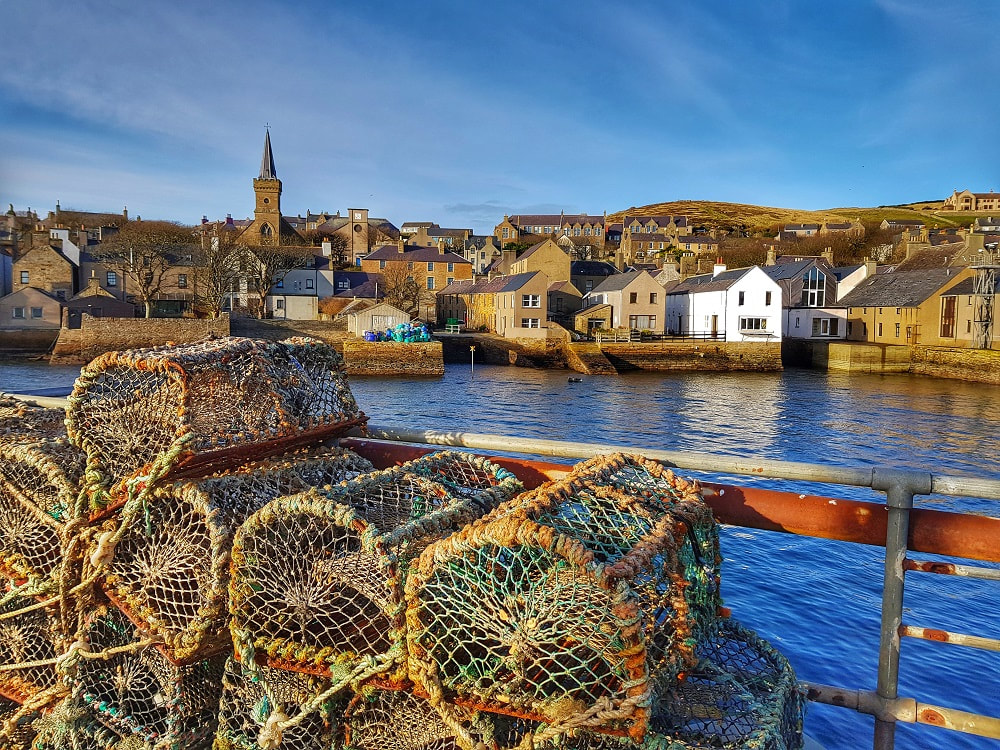
Orkney offers a cultural experience that is distinctly "Northern." Its landscape is a palimpsest of deep time, featuring some of the best-preserved Neolithic sites in Europe alongside a powerful Norse heritage that feels separate from the "Celtic" identity of the mainland.
- Cultural Identity:Island identity is defined here by the 5,000-year-old village of Skara Brae and the Viking-era St. Magnus Cathedral. It is a place where the history of human habitation feels continuous and unbreakable.
- The Experience:Stand at the Ring of Brodgar at sunset to realize that Scotland's cultural roots extend far back into a mysterious, prehistoric past.
10. St Andrews (The Birthplace Of Golf)
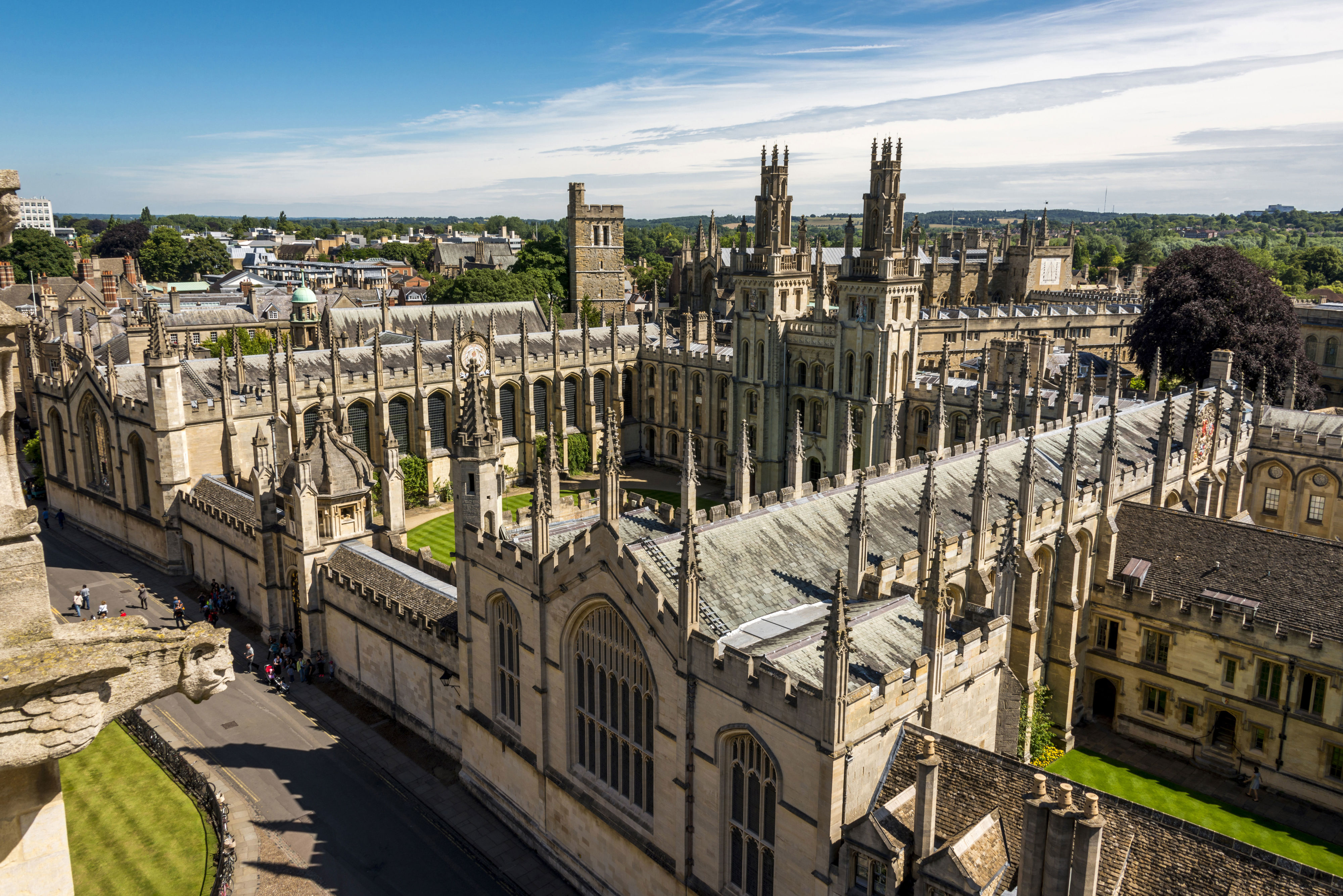
St Andrews is world-famous as the "Home of Golf," but its cultural footprint is much broader. It is a town defined by its ancient university (the oldest in Scotland) and its history as the ecclesiastical capital of the country.
- Cultural Identity:The town represents the "holy trinity" of Scottish respectability: sport history, academic tradition, and coastal resilience. The university's "red-gown" traditions and the ruins of the great cathedral offer a glimpse into Scotland’s intellectual and religious soul.
- The Experience:Walk the West Sands or the Old Course to see how a small town can command global prestige while maintaining a quiet, historic dignity.
Scottish Sports And Outdoor Lifestyle
Scotland’s natural beauty lends itself to an active lifestyle, with both traditional and modern sports thriving.
- Traditional Sports:Shinty, curling, and Highland Games sports remain popular.
- Football and Rugby:Scotland has a deep passion for these sports, with major teams like Celtic, Rangers, and the national rugby team enjoying devoted followings.
- Outdoor Adventures:Scotland’s vast landscapes offer opportunities for hiking, fishing, and cycling, with the North Coast 500 being a favorite road trip route.
If you hike or wild-camp, follow local access guidance, leave no trace, and respect wildlife and working land.
Modern Scottish Culture
While deeply rooted in tradition, Scottish culture continues to evolve.
Contemporary Scottish literature, film, and art gain international acclaim. Authors like Irvine Welsh and Ali Smith explore identity and belonging.
Scottish fashion blends tartan with modern design. Designers like Christopher Kane and Holly Fulton have brought Scottish motifs to global stages, showing tartan as living design.
In music, bands like Belle and Sebastian and Frightened Rabbit gained loyal followings, blending indie rock with Scottish sensibilities.
For those seeking authentic Scottish cultural experiences, the best path is often to look for community-led momentsrather than staged performances:
- a local agricultural show in the Borders
- a volunteer-led beach clean in the Hebrides
- a “wee” pub during a folk session (listen first; don’t film by default)
Facinating Facts About Scotland
- Scotland is Home to the Tallest Waterfall in Britain:Eas a' Chual Aluinn in the Highlands plunges 200 meters (658 feet), making it three times higher than Niagara Falls.
- Scotland Has Over 790 Islands:These include the Hebrides, Orkney, and Shetland, with many islands remaining uninhabited and rich in natural beauty.
- The Unicorn is Scotland’s National Animal:This mythical creature has symbolized Scottish pride and independence for centuries, appearing on royal coats of arms.
- Scotland is the Birthplace of Golf:The modern game originated in the 15th century, and St. Andrews is known as the "home of golf."
- Edinburgh Had the World's First Fire Brigade:Established in 1824, Edinburgh was the first city to have a municipal fire service, helping protect its historic buildings.
- Scotland Has the Oldest Tree in Europe:The Fortingall Yew, located in Perthshire, is estimated to be over 5,000 years old.
- Scotland Invented the Raincoat:In 1824, Scottish chemist Charles Macintosh created the first waterproof fabric, leading to the modern raincoat, often called a "Mac."
- Loch Ness Holds More Freshwater Than All of England’s Lakes Combined:Scotland’s most famous loch is 230 meters (755 feet) deep and contains more water than all of England and Wales’ lakes combined.
- Scotland Has the Shortest Commercial Flight in the World:The flight between Westray and Papa Westray in the Orkney Islands lasts less than two minutes.
People Also Ask
What Is The Capital Of Scotland?
Edinburgh is the capital city of Scotland and one of its 32 council areas. The city is located in southeast Scotland and is bounded to the north by the Firth of Forth and to the south by the Pentland Hills.
What Is The Most Famous Scottish Tradition?
One of the most famous traditions is Burns Night, celebrated on January 25th in honor of poet Robert Burns, featuring a traditional supper and poetry readings.
Why Is The Kilt Important In Scottish Culture?
The kilt represents Scottish heritage and clan identity, originally worn by Highland warriors and now used for ceremonial and cultural events.
What Are The Core Values Of Scottish Culture?
Commonly celebrated values include community, humour, fairness, resilience, and hospitality. You’ll see them most clearly in how people gather, speak, and help.
What Are The Scottish Known For?
Scotland is known for distinctive traditions, strong literary and musical heritage, and a vibrant modern arts scene.
What Are Some Traditional Scottish Things?
Hogmanay, Burns Night, ceilidhs, Highland games, and tartan traditions are widely recognised Scottish touchstones.
What Is The Biggest Tradition In Scotland?
Hogmanay is often treated as Scotland’s standout tradition because New Year celebrations hold a uniquely strong cultural role.
What Is The Most Scottish Thing To Say?
There’s no single phrase, but “aye,” “wee,” and “nae bother” are commonly heard in everyday speech.
What Are The 5 Care Standards In Scotland?
They’re five underpinning principles: dignity and respect, compassion, be included, responsive care and support, and wellbeing (Data as of Jan 2025).
What Is Unique About Scottish Culture?
Scotland pairs strong cultural continuity with constant reinvention-heritage is treated as living practice, not a sealed past.
Is Scottish Culture Celtic?
Celtic tradition is a major strand, especially in Gaelic culture, but Scotland also reflects Lowland, Norse-island, and wider European influences.
Do People Still Wear Kilts In Scotland?
Yes-kilts are still worn, especially for formal events and cultural occasions, and kiltmaking remains an active craft.
Can Anyone Wear Tartan?
In many contexts, yes-tartan is widely used by families, organisations, and new designs registered over time.
What Is A Ceilidh In Scotland?
A ceilidh is an informal social dance event with shared dances and music, designed for people to join in.
Is Gaelic The Main Language In Scotland?
No-English is dominant, but Scottish Gaelic is officially supported and remains culturally significant in communities and place-names.
Is Scots A Real Language?
Yes-Scots is recognised in government language policy and is used in speech, literature, poetry, and song.
When Is Burns Night Celebrated?
Burns Night is celebrated on 25 January each year, often with a Burns Supper.
When Is St Andrew’s Day?
St Andrew’s Day is on 30 November and marks Scotland’s national day and patron saint celebrations.
Final Thoughts
Scottish culture becomes clearer when you treat it as a living system: language tied to land, community held together by wit and honesty, traditions that still function as social glue, and a modern creative engine that keeps reinventing the familiar.
If you want to go one step deeper, pick one “icon” (tartan, Burns, whisky, ceilidh) and follow it all the way down into its craft, history, and present-day practice-you’ll end up with the real Scotland, not the postcard.
If this helped, share it with someone planning a trip-or anyone who’s only ever met Scotland through stereotypes.
Jump to
Scottish Culture - A Guide To Traditions, Food, And Arts
Fast Facts About Scotland
What Is Scottish Culture?
Scottish Culture History
Language In Scottish Culture
Religion In Scotland
Scottish Culture And Traditions
Traditional Scottish Music And Dance
Scottish Literature: A Legacy Of Great Writers
Education In Scottish Culture
Scottish Culture Art And Architecture
Scottish Culture food
Scottish Culture clothing
Scottish Storytelling And Superstitions
Scottish Must-see Destinations
Scottish Sports And Outdoor Lifestyle
Modern Scottish Culture
Facinating Facts About Scotland
People Also Ask
Final Thoughts
Callum Fraser
Author
Callum Fraser isn't just a writer about Scotland; he's a product of its rugged landscape and rich history. Born and raised in Perthshire, with the Highlands as his backyard, his love for the nation's stories was kindled by local storytellers and long walks through ancient glens.
This passion led him to pursue a degree in Scottish History from the University of Edinburgh. For over 15 years, Callum has dedicated himself to exploring and documenting his homeland, fusing his academic knowledge with essential, on-the-ground experience gained from charting road trips through the Cairngorms, hiking the misty Cuillins of Skye, and uncovering the secrets of traditional recipes in his family's kitchen.
As the Editor-in-Chief and Lead Author for Scotland's Enchanting Kingdom, Callum's mission is simple: to be your most trusted guide. He combines meticulous research with a storyteller's heart to help you discover the authentic magic of Scotland — from its best-kept travel secrets to its most cherished traditional recipes.
Latest Articles
Popular Articles