Cup Of Tea Cake Recipe | Moist, Flavorful, And Perfect With Your Tea
Learn how to bake the perfect cup of tea cake: moist, flavorful, and ideal for enjoying with your favorite tea. Step-by-step instructions, tips, and delicious variations included.
Author:Callum FraserJan 20, 202673.9K Shares1.4M Views
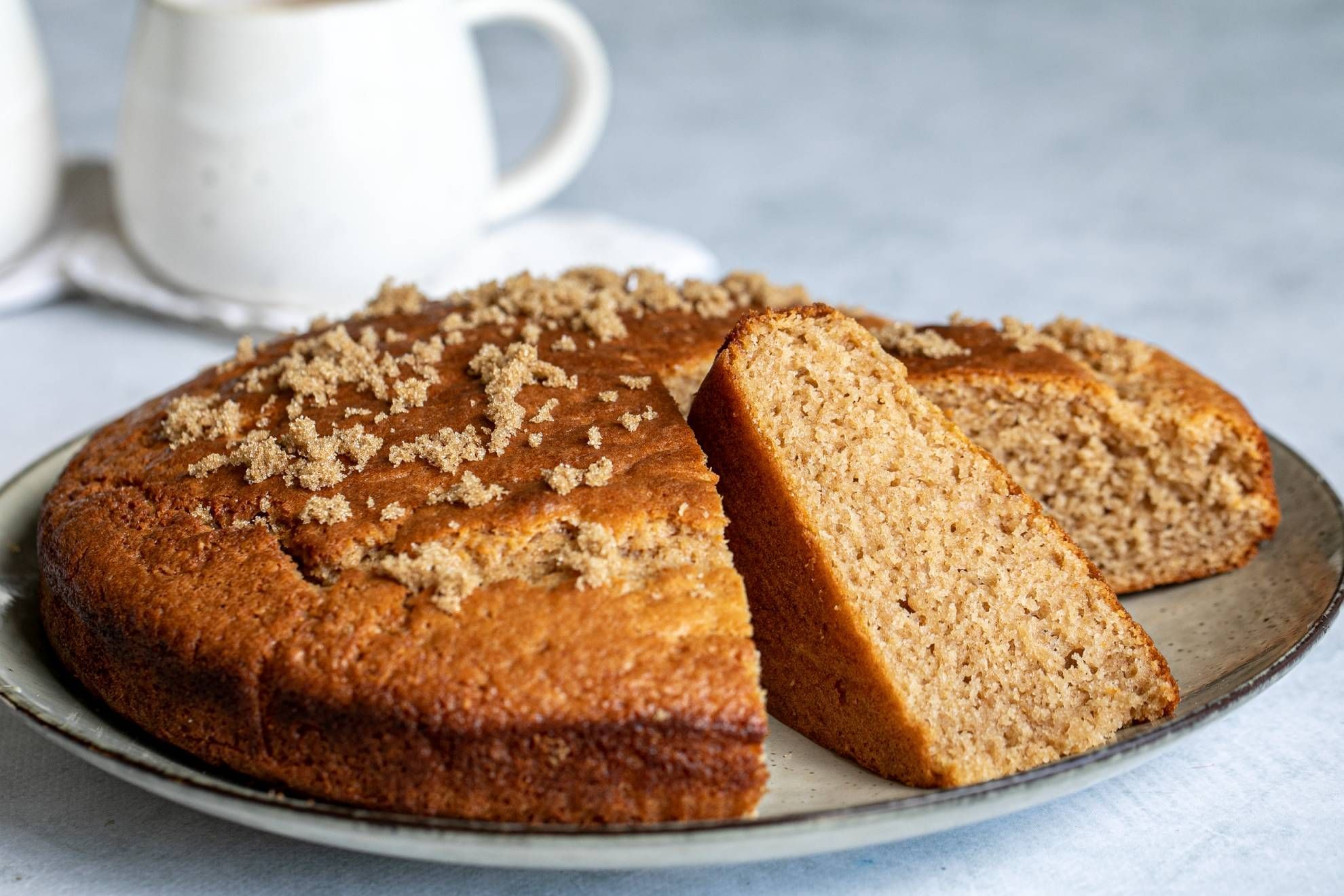
The Idea Behind A True Cup Of Tea Cake
There’s a quiet kind of joy in making tea, slicing a simple cake, and taking a moment to slow down. Over time, I’ve learned that not every cake belongs beside a cup of tea. Some are too sweet. Some are too heavy. Others take over the moment instead of sharing it.
That’s where a cup of tea cakecomes in. I’m not talking about anything fancy or covered in frosting. I mean a cake made to work with tea light, gently sweet, and easy to enjoy without overpowering the drink. When the balance is right, each bite makes the tea taste better, and each sip brings the cake to life.
What Is A Cup Of Tea Cake?
A cup of tea cake is a small, lightly sweet cake meant to be enjoyed with tea. It’s tender, not too rich, and designed to complement the flavor of the tea rather than compete with it. Some recipes include tea in the batter, but most are defined by their balance and simplicity.
Cup Of Tea Cake Traditions Around The World
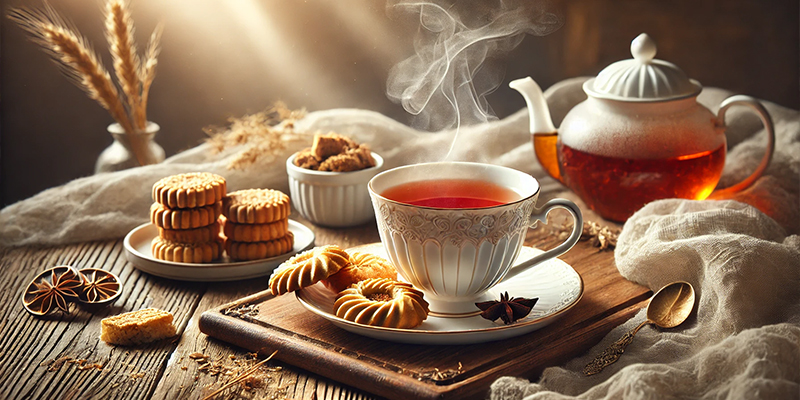
In British tea culture, simple cakes are a staple. They’re served as part of afternoon tea, often alongside sconesand finger sandwiches. The cake isn’t the star of the table. It’s part of a calm, shared experience.
In the United States, tea cakes are often home-style cakes made without frosting. They’re baked for everyday moments, not just guests.
In many European kitchens, tea-friendly cakes focus on texture and balance. They’re meant to be eaten slowly, often with coffee or tea, without rushing.
That same spirit shows up today in quick, minimalist desserts like a 5 minute chocolate mug cake, which offers a small, comforting sweetness without ceremony. It fits the idea of cake as a companion, something warm and simple that supports the drink rather than competing with it.
Across cultures, the idea stays the same: the cake supports the drink, not the other way around.
My Foolproof Cup Of Tea Cake Recipe
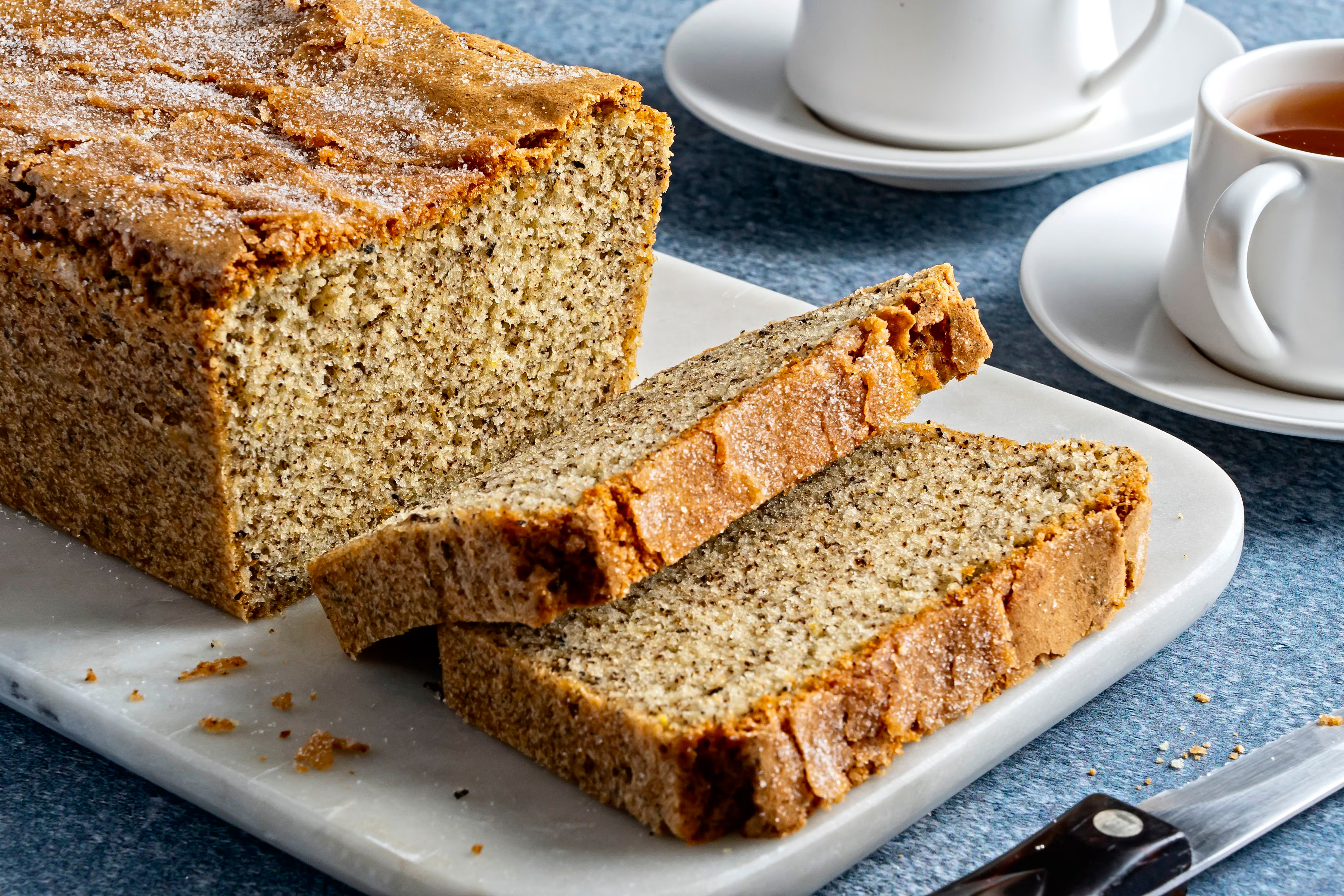
This recipe has been tested more times than I can count. It gives you a moist, flavorful cake every single time.
Ingredients
- 300g mixed dried fruit (raisins, sultanas, chopped dried apricots)
- 250ml strong brewed black tea
- 225g all-purpose flour
- 150g light brown sugar
- 100g unsalted butter, softened to room temperature
- 2 large eggs
- 2 tsp baking powder
- 1 tsp ground cinnamon
- ½ tsp ground nutmeg
- ¼ tsp salt
- 1 tsp vanilla extract
Tip:Make sure your butter is soft but not melted. It helps the sugar cream properly and gives the cake its light texture.
Equipment
- Mixing Bowls:Various sizes for different stages of mixing
- Whisk and Spatula:For combining ingredients
- Electric Mixer:Useful but not necessary
- Cake Tin:A loaf tin or round cake tin
- Parchment Paper:For lining the cake tin
- Measuring Cups and Spoons:For accurate measurements
Step-by-Step Instructions
1. Soak The Fruit
Brew a strong cup of black tea, use 3-4 tea bags in 250ml of boiling water, and let it steep for about 5 minutes. While it’s hot, pour it over your dried fruit in a heatproof bowl.
Cover the bowl and let the fruit soak for at least 4 hours. I usually leave mine overnight. The dried fruit will plump up beautifully as it absorbs the liquid. Don’t discard any leftover tea it’s all going straight into the cake to keep it moist and flavorful.
Pro tip:The longer the fruit soaks, the juicier and more flavorful the pockets in your cake will be.
2. Prepare To Bake
Preheat your oven to 160°C (320°F). Line a 2lb loaf tin with parchment paper, leaving an overhang. This makes it easy to lift the cake out once baked.
3. Make The Batter
- In a large bowl, beat the softened butter and light brown sugar together until the mixture is pale, fluffy, and creamy. This usually takes about 3 minutes with an electric mixer. The air you incorporate now will help give the cake a tender crumb.
- Add the eggs one at a time, beating well after each addition. Don’t worry if the mixture looks a little curdled; it’s normal. Stir in the vanilla extract.
- In a separate bowl, whisk together the flour, baking powder, cinnamon, nutmeg, and salt. Mixing the dry ingredients first ensures the spices are evenly distributed throughout the cake.
- Gently fold the dry ingredients into the wet mixture using a spatula. Mix just until the flour disappears. Overmixing can develop gluten and make the cake tough.
- Add the soaked fruit along with any remaining tea liquid. Fold carefully until the fruit is evenly dispersed. The batter will be thick and slightly lumpy from the fruit. This is exactly how it should look.
Tip:Use a light hand when folding in the fruit; you want even distribution without breaking it down.
4. Bake To Perfection
Pour the batter into your prepared loaf tin, smoothing the top with a spatula. Tap the tin gently on the counter a few times to remove air bubbles.
Bake for 60-75 minutes. The cake is ready when a skewer inserted in the center comes out clean. If the top is browning too quickly, cover it loosely with aluminum foil for the remaining bake time.
Tip:The aroma while baking is your first clue that it’s done the scent of warm spices, sweet tea, and butter will fill your kitchen.
5. Cooling And Finishing Touches
Let the cake cool in the tin for about 10 minutes. Then, lift it out using the parchment overhang and place it on a wire rack.
The hardest part? Letting it cool completely before slicing. Cutting too early will make the cake crumble, especially around the fruit pockets. Patience here is key it’s worth it.
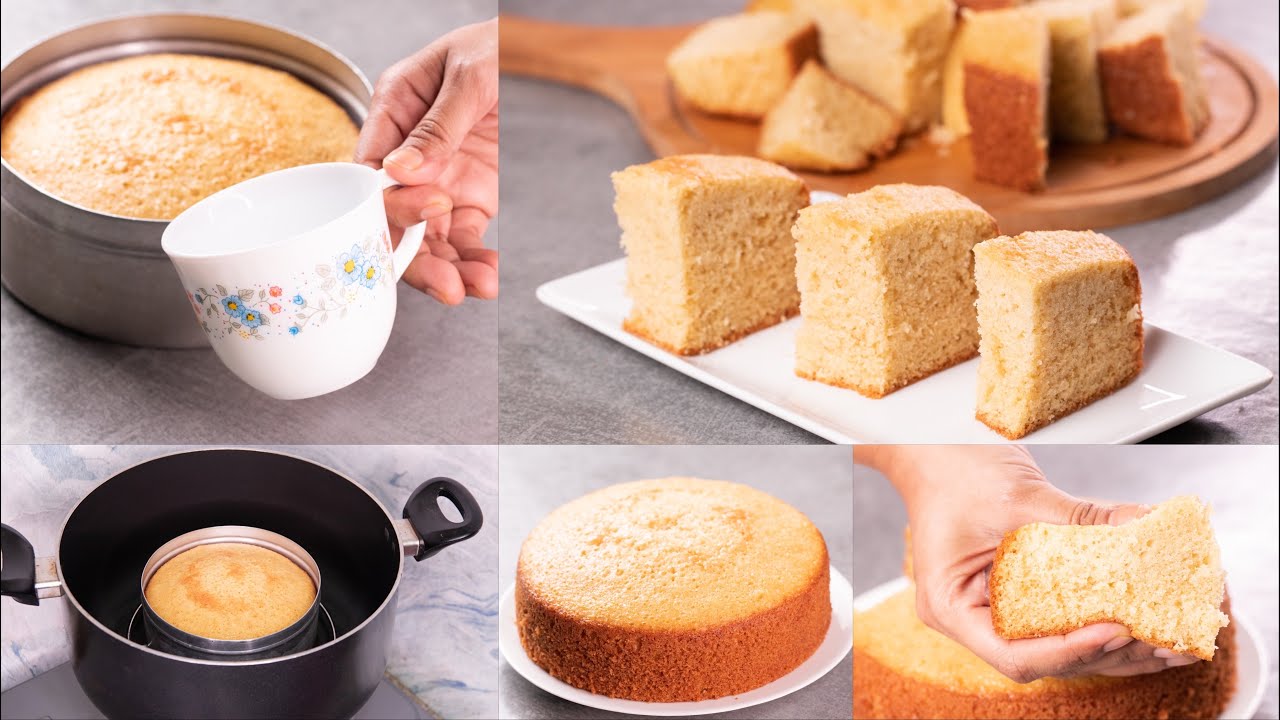
TEA CUP CAKE RECIPE | MAKE CAKE WITH TEA CUP | VANILLA SPONGE CAKE RECIPE | WITHOUT OVEN
How To Store Your Cup Of Tea Cake
I like to store my tea cakes in an airtight container at room temperature. This keeps them moist and flavorful for 2-3 days. If you want it to last longer, refrigeration is fine, but let the slices come to room temperature before serving the texture is much better that way.
You can also freeze the cake for up to 2 months. Wrap it tightly in parchment and foil, then thaw overnight in the fridge. Freezing works especially well if you’ve made a large batch or want to save some for a special tea moment later.
How To Know Your Tea Cake Is Perfect
- Appearance:The top should be golden brown with gentle cracks. Press lightly; it should spring back slightly.
- Aroma:You’ll notice sweet tea notes, warm spices, and the comforting smell of baked fruit. If it smells burnt, check immediately.
- Texture:The crumb should be tender and moist, with fruit evenly dispersed. It shouldn’t feel dry or soggy. The brown sugar and tea give it a beautiful golden color and subtle richness.
Common Tea Cake Mistakes & How To Avoid Them
Even with a foolproof recipe, small mistakes can happen. Here’s what I’ve learned:
- Fruit sinking to the bottom:Toss dried fruit and nuts lightly in flour before folding them into the batter. This helps them stay suspended.
- Dry cake:Make sure not to overbake. Start checking 5–10 minutes before the suggested time, and keep the tea liquid from the soaking process—it keeps the cake moist.
- Dense or heavy cake:Fold the batter gently. Overmixing develops gluten and makes it tough.
- Cake sticking to the tin:Always line with parchment paper and leave an overhang for easy lifting.
Also Read About: Scottish Chocolate Biscuit Cake Recipe
Creative Variations Worth Trying
- Chai-Spiced Tea Cake:Use chai tea instead of black tea. Add extra cardamom, ginger, and a pinch of black pepper to the batter. The warmth from the spices is incredible on cold days.
- Earl Grey with Lemon:Brew Earl Grey tea and add the zest of two lemons to the batter. Make a simple glaze with powdered sugar and lemon juice. Drizzle it over the cooled cake. Elegant and perfect for afternoon tea.
- Chocolate Orange Tea Cake:Add 3 tablespoons of cocoa powder to your dry ingredients and use orange zest. The chocolate-orange-tea combination is surprisingly sophisticated.
- Tropical Version:Use dried mango, pineapple, and coconut flakes. Brew your tea with a bag of tropical fruit tea. Add a splash of rum if you're feeling adventurous.
How To Serve Cup Of Tea Cake
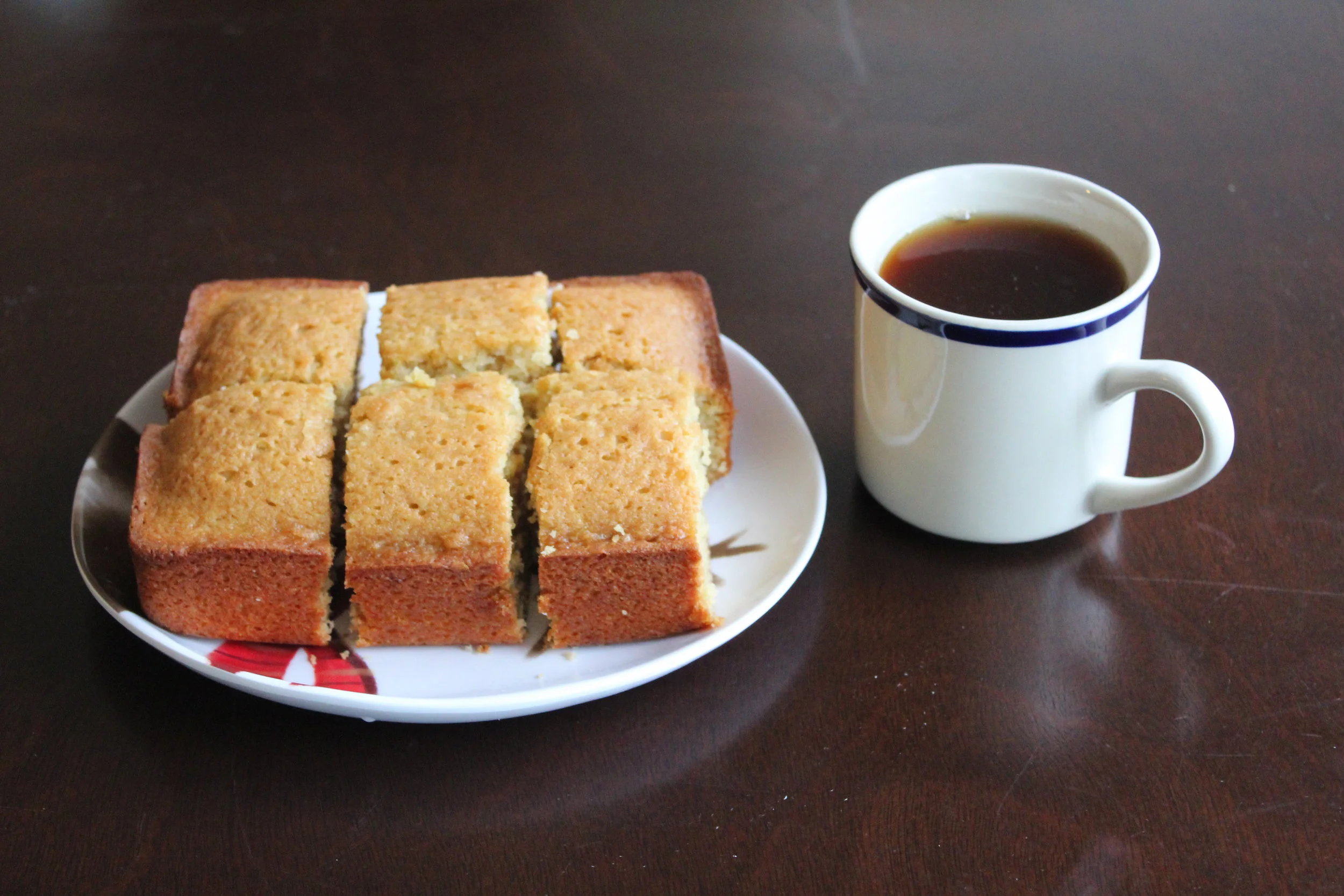
The serving style changes everything about this experience.
Classic British Style
Slice it thick, about 1 inch. Thinner slices dry out too quickly when you butter them. Room temperature is ideal. The flavors are more pronounced when not chilled.
Butter is traditional. I use salted butter because the salt-sweet contrast is heavenly. Spread it generously. This isn't the time to be stingy.
Dressed Up Versions
With clotted cream and jam, this becomes afternoon tea worthy. The richness of clotted cream against the spiced fruit is wonderful.
I've served it warm with vanilla custard for dessert. Heat slices gently in the microwave for 15 seconds, pour over warm custard. Comfort food at its finest.
Toasting slices brings out the spices and caramelizes the edges. Try it. Game changer. The outside gets crispy while the inside stays soft.
The Perfect Tea Pairing
Serve it with the same tea you used for baking. The flavors echo beautifully. If I bake with English Breakfast, I serve it with English Breakfast.
Earl Grey pairs wonderfully with the lemon version. The bergamot notes in both enhance each other.
Coffee works too, though it's less traditional. A strong, dark roast complements the spices nicely.
Nutrition Info
- Servings: 12 slices
- Calories per slice: 220-250 kcal
- Carbohydrates: 35g
- Fat: 9g
- Protein: 3g
- Sugar: 18g
Tip:Using light brown sugar, whole-grain flour, or reducing sugar slightly can make this recipe a bit healthier without losing flavor.
Best Tea Pairings For A Cup Of Tea Cake
- Black Tea:Black tea pairs well with butter cakes, sponge cakes, and light loaf cakes. The strength of the tea balances the softness of the cake.
- Milk Tea:Milk tea works best with plain or lightly sweet cakes. The creaminess of the tea adds richness without overpowering the cake.
- Green and Herbal Tea:Lighter teas pair well with very mild cakes. Lemon or vanilla flavors work especially well here.
When pairing, I always think about balance. Strong tea with gentle cake. Gentle tea with a very light cake.
Check Out: Russian Slab Cake
People Also Ask
Can I Frost A Cup Of Tea Cake?
You can, but it’s not traditional. Frosting can overpower both the cake and the tea. A light glaze, dusting of sugar, or leaving it plain usually works best.
What Makes A Cake Suitable For Tea?
The key factors are gentle sweetness, soft texture, and a simple flavor profile. The cake should feel light and tender so it enhances your tea moment without dominating the taste.
Can I Make A Healthier Cup Of Tea Cake?
Yes. You can reduce sugar slightly, use whole-grain or alternative flours, or replace some butter with applesauce or yogurt. Just keep the balance so the cake remains moist and tender.
Can I Add Nuts To My Cup Of Tea Cake?
Definitely. Chopped walnuts, pecans, or almonds work beautifully. Toast them first to bring out their flavor. Add about 75-100g of nuts along with the fruit. I like to toss them in a bit of flour too, just like the fruit, to prevent them from sinking. Walnuts pair especially well with the tea and spice flavors.
Final Thoughts
After years of baking cup of tea cake, I still get excited pulling one from the oven. It’s simple, forgiving, and perfect for beginners no fancy tools or tricky techniques needed, just patience for the fruit to soak.
The best part? It gets better with time. Made Monday, by Wednesday the flavors deepen, the texture improves, and each slice feels extra special. Start with the classic version, then experiment with teas, fruit, or spices to make it truly your own.
If you enjoyed this guide, share this recipe to someone who loves honest, comforting baking.

Callum Fraser
Author
Callum Fraser isn't just a writer about Scotland; he's a product of its rugged landscape and rich history. Born and raised in Perthshire, with the Highlands as his backyard, his love for the nation's stories was kindled by local storytellers and long walks through ancient glens.
This passion led him to pursue a degree in Scottish History from the University of Edinburgh. For over 15 years, Callum has dedicated himself to exploring and documenting his homeland, fusing his academic knowledge with essential, on-the-ground experience gained from charting road trips through the Cairngorms, hiking the misty Cuillins of Skye, and uncovering the secrets of traditional recipes in his family's kitchen.
As the Editor-in-Chief and Lead Author for Scotland's Enchanting Kingdom, Callum's mission is simple: to be your most trusted guide. He combines meticulous research with a storyteller's heart to help you discover the authentic magic of Scotland — from its best-kept travel secrets to its most cherished traditional recipes.
Latest Articles
Popular Articles