Best Time To Visit Scotland - Weather, Daylight, Crowds
Scotland is beautiful year-round, but when should you go? Get a resident's clarity on weather, midges, August crowds, and winter value.
Author:Callum FraserDec 10, 202593K Shares1.2M Views
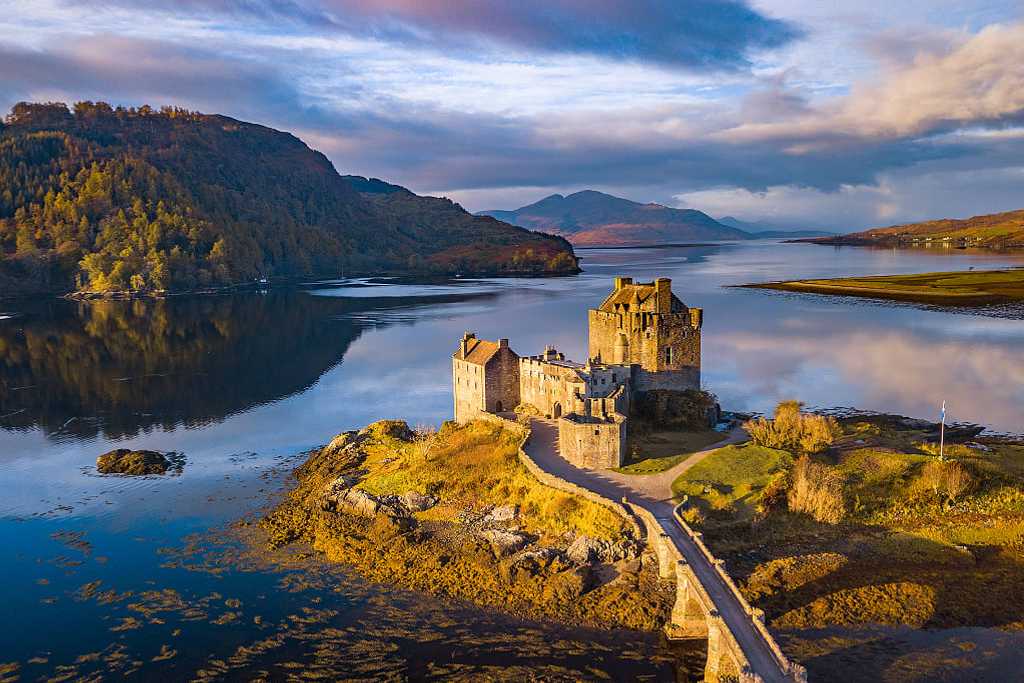
Best Time To Visit Scotland: Month-by-Month, Events And Midges
Choosing the perfect time for your Scottish adventure is less about finding a single "best" month and more about solving a personal equation. Do you prioritize long, warm days for hiking, or are you chasing the magic of the Northern Lightsand lower prices?
As a lifelong resident and traveller of the Highlands, I know that every season in Scotland holds a deep, unique beauty, but each also comes with a specific set of trade-offs.
I’ll now help you choose yourbest month-balancing weather, daylight, crowds, cost, nature, and eventswith calm, practical clarity.
Best Time To Visit Scotland: Quick Answer
- May–June or September:best balance of daylight, weather, and crowds.
- August:festivals and city buzz; highest prices/crowds-book early.
- November–March:cheapest, short days; great for cities/aurora; skiing variable.
- Midges:peak June–Augustin the west; pick shoulder months/coasts and check the forecast.
When To Go To Scotland Each Month
Season Snapshot (at A Glance)
- High Season (Jun–Aug):Longest days, lush landscapes, Fringe/Tattoo buzz; busiest and priciest.
- Shoulder (Apr–May, Sep–Oct):Milder weather, fewer crowds, blossom or autumn colour, long light.
- Low (Nov–Mar):Best value, festive cities, winter sports when conditions allow; short daylight.
Scotland By Month
(Edinburgh daylight baseline; west generally wetter than east; midge pressure highest Jun–Aug in the west. Always check local forecasts.)
- Jan:Very short days; low crowds/cost; storm-watching; city breaks; aurora windows.
- Feb:Still short; snow chances on hills; whisky bars, museums; late-winter value.
- Mar:Days lengthen fast; early spring hikes (lower hills); variable weather.
- Apr:Longer light; often drier; blossom; fewer midges; shoulder pricing.
- May:Often among the drier/sunnier months; wildflowers; wildlife peaks; superb value vs August.
- Jun:Longest days; green landscapes; rising crowds; midges ramp upin the west.
- Jul:Peak holidays; highest prices; full ferry schedules-book early.
- Aug:Festivals (Fringe/Tattoo); max crowds/prices; plan far ahead.
- Sep:Sweet spot of longish days, warm seas, heather; calmer travel; rut begins late.
- Oct:Autumn colour; wetter trend starts; ferries/tours reduce; Halloween/Samhain.
- Nov:Short days; city lights and value season; whisky events continue (large national “Whisky Month” campaigns have historically run in May).
- Dec:Festive cities; Hogmanay; very short days; potential weather disruptions.
Seasons In Scotland: A Detailed Guide
Spring (March–May)
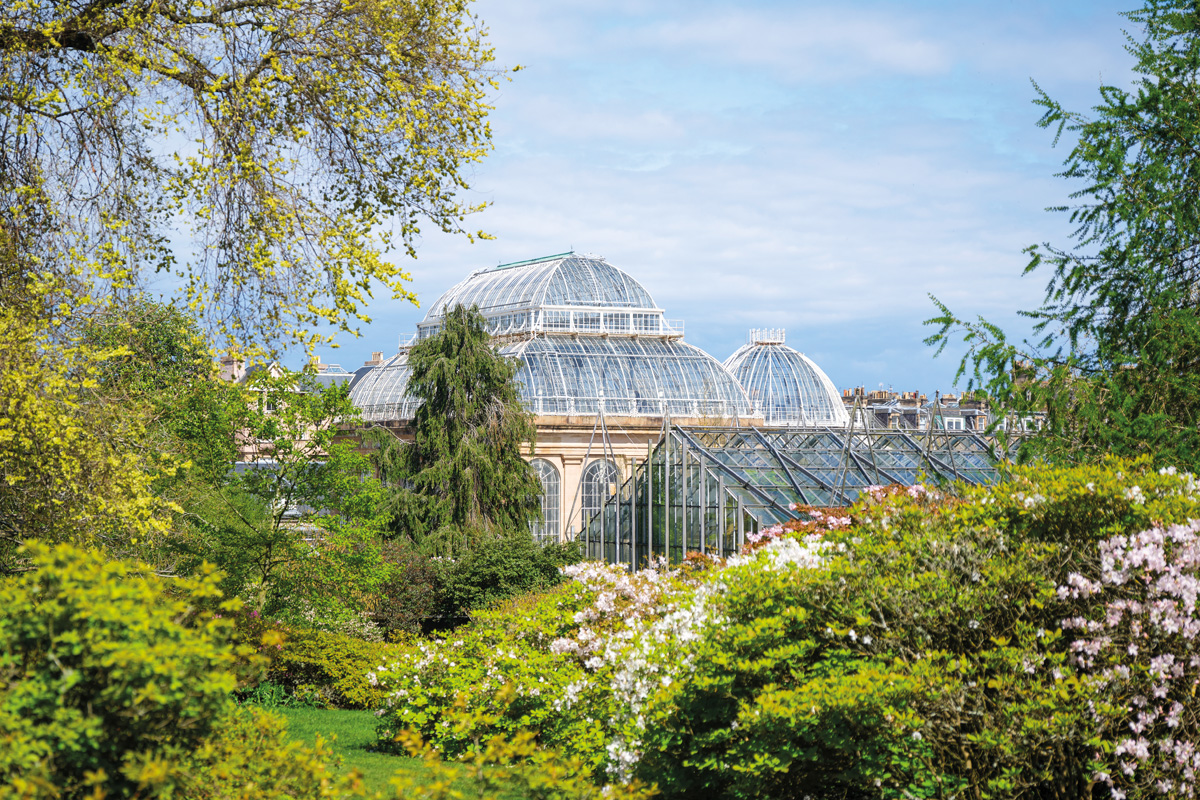
Spring awakens Scotland with vibrant flowers, crisp air, and wildlife emerging from hibernation. Temperatures range from 5°C to 15°C, with longer days and fewer rainy spells compared to autumn.
- Feel:Fresh greens, lambing season, snow lingering on high plateaux; daylight ramps up fast.
- Pros:Lower midge risk, rising temps, blossom in the Lowlands.
- Watch-outs:March can still bite on the hills; ferries and some sites run reduced schedules early spring.
Top Activities:
- Wander through the Royal Botanic Garden in Edinburgh as spring blooms.
- Hike Glen Clova or the Isle of Mull for serene landscapes and wildlife spotting.
- Explore reopened historical landmarks like Stirling Castle.
Events:
- Edinburgh Science Festival:Family-friendly fun with interactive exhibits.
- Spring Fling Open Studios:A showcase of local craftsmanship.
Insider Tips:Spring is your soft-opening to long-day adventures without peak crowds.
Summer (June–August)
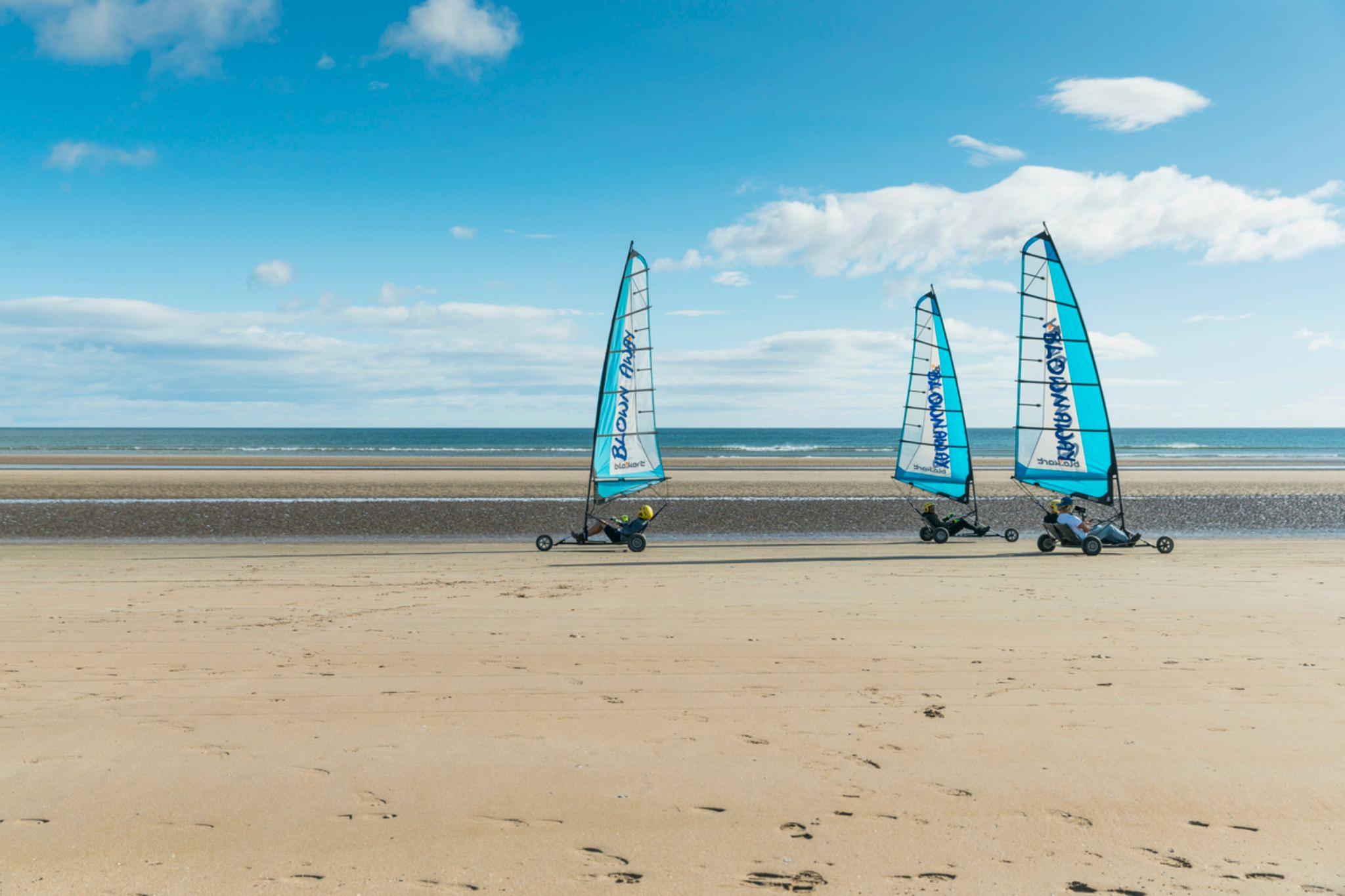
Summer offers Scotland’s warmest weather, ranging from 15°C to 21°C, with up to 18 hours of daylight. This is the high season, brimming with activities and festivals.
- Feel:Longest days, warmest temps, festivals in full swing; the west’s sunsets can stretch forever.
- Pros:Most tours/ferries fully operating; high mountain access when conditions allow.
- Watch-outs:Midges(see dedicated section) and peak pricing; advance booking is essential in hotspots.
Top Activities:
- Island-hop across the Hebrides or sail along Scotland’s rugged coastlines.
- Munro bagging on peaks like Ben Nevis or exploring lochs by kayak.
- Discover iconic landmarks like Edinburgh Castle and the Fairy Pools in Skye.
Events:
- Edinburgh Festival Fringe:A global arts extravaganza.
- Royal Military Tattoo:Stunning performances against the backdrop of Edinburgh Castle.
- Highland Games:Local traditions featuring athletic competitions and cultural displays.
Insider Tips:Summer suits those who want maximum daylight and buzz-and are comfortable planning ahead. Beat the crowds by visiting less-traveled islands like Barra in the Outer Hebrides.
Autumn (September–November)
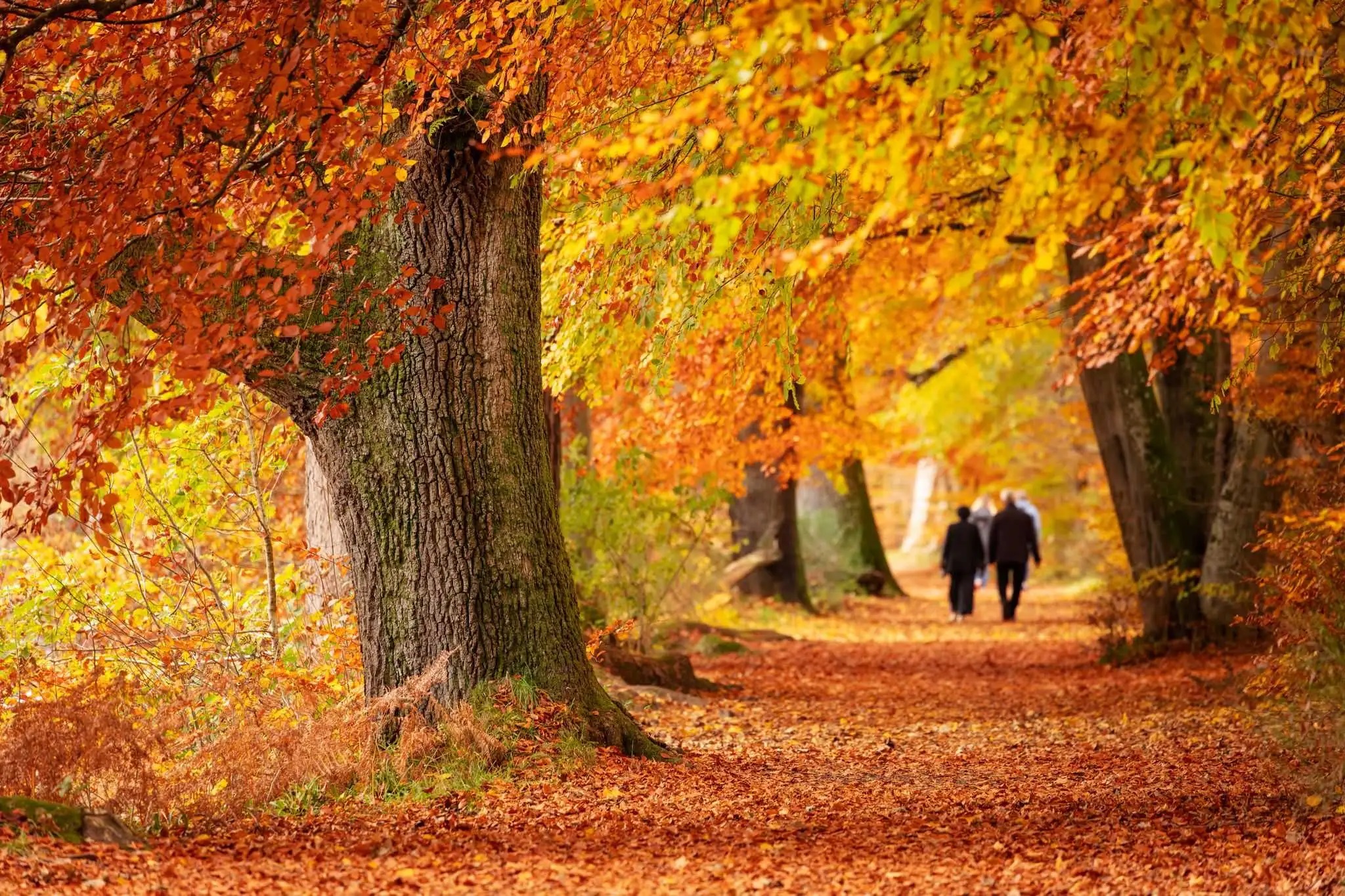
Autumn transforms Scotland into a golden wonderland. Temperatures cool to 8°C–15°C, and the countryside becomes a photographer’s dream.
- Feel:Heather, bracken and woodland colour; red deer rut in the Highlands; seas remain relatively mild into September.
- Pros:Septemberoften blends light, colour, and calmer travel; wildlife spectacles abound.
- Watch-outs:Rain increases into late autumn; ferry schedules begin to contract.
Top Activities:
- Take woodland walks through Glen Affric’s autumnal landscapes.
- Attend distillery tastings; national Whisky Month promotions typically run in May.
- Experience bonfire nights in small villages during Halloween (Samhain).
Events:
- Samhain:Ancient traditions that inspired modern Halloween.
- Autumn food festivals celebrating seasonal produce.
Insider Tips:Autumn is the connoisseur’s shoulder, perfect for scenery and space.
Winter (December–February)
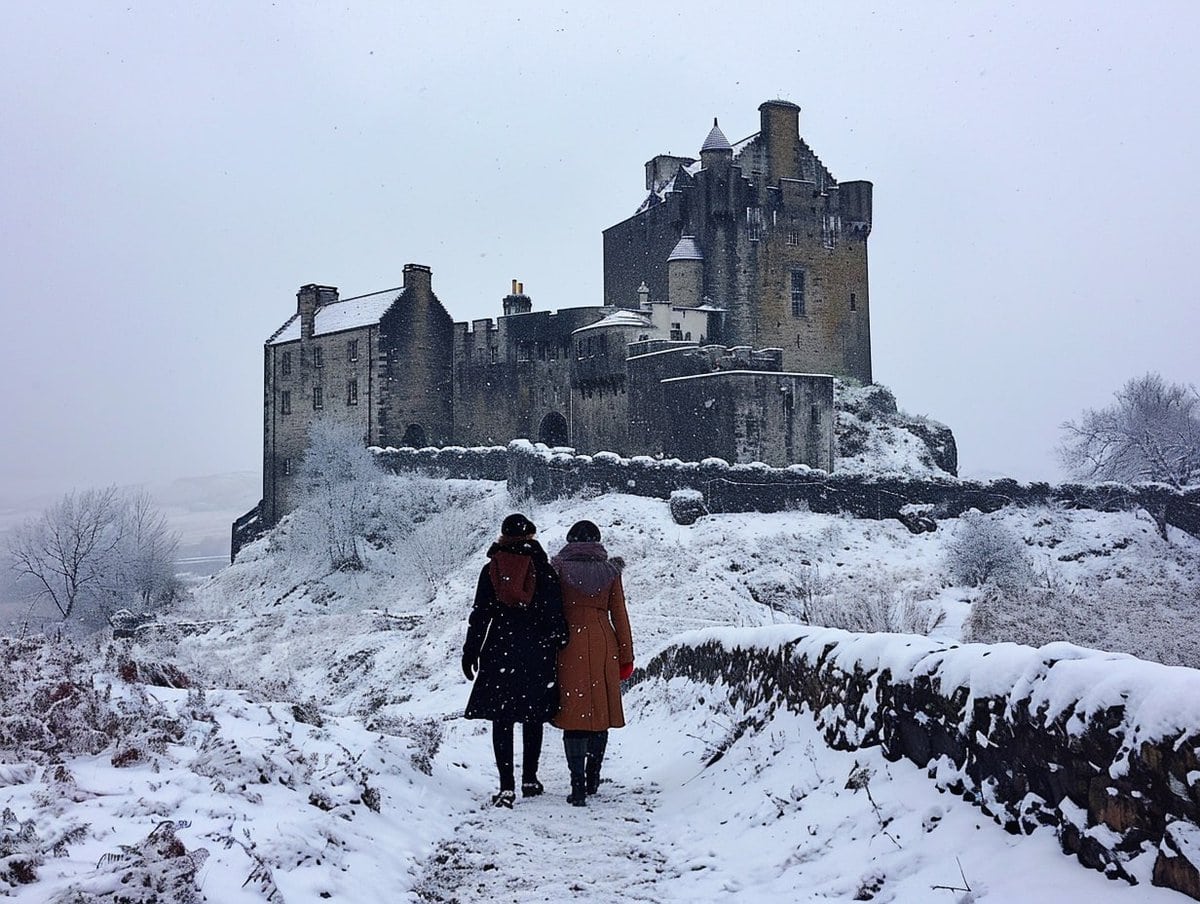
Winter is a magical time in Scotland, with frost-covered landscapes, snow-dusted peaks, and festive celebrations. Temperatures range from 0°C to 6°C, and daylight hours are limited.
- Feel:Short days, starry skies, crackling pub fires; cities shine at Christmas and Hogmanay.
- Pros:Lower prices, aurora chances on clear nights, potential skiing (variable).
- Watch-outs:Weather disruptions; rural daylight windows are brief-plan tightly.
Top Activities:
- Ski and snowboard in the Cairngorms or Glencoe.
- Stroll through Edinburgh’s Christmas markets for handcrafted gifts.
- Enjoy cozy retreats in rustic cabins with panoramic views.
Events:
- Hogmanay:Hogmanay-Scotland’s legendary New Year celebrations.
- Burns Night:A tribute to Scotland’s national poet with traditional feasts.
Insider Tips:Winter rewards mood-seekers and value hunterswho stay flexible. Pack warm layers and enjoy fewer crowds in rural areas, especially in January.
Weather & Daylight: What The Data Says
Daylight By Month
Around the June solstice, Edinburgh sees ~17 hours of daylight; in December, ~7 hours. Use Timeanddate’s month views for exact sunrise/sunset and civil twilight. Daylight-not just temperature-decides how much you can do in a day.
Rain & Temperature Patterns
The west(e.g., Glencoe, Skye) trends wetter; the east(e.g., Aberdeenshire) is comparatively drier, though all regions are variable. For long-term maps and normals, see the Met Office climate data. Expect changeability; pack layers and waterproofs year-round.
Driving & Photography Implications
Long summer blue hours favour landscape photography and late-evening drives; winter’s short windows compress itineraries-front-load outdoor stops and reserve nights for cities. Match your daily route length to actual daylight, especially off motorways.
Best Time To go to Scotland To Avoid Midges
Comfort matters. Here’s the calm, data-based approach to Scotland’s most over-hyped nuisance.
Peak Season & Conditions
Midges flourish from late spring into summer, especially June–August, in damp, still air across the west Highlands and lochs. Track conditions via the Scottish Midge Forecast by Smidge.
Takeaway:Expect higher midge pressure in warm, windless, wetspells-mainly in the west.
How To Minimize Exposure
- Favour coastlines and islands (wind helps).
- Time hikes for breezier parts of the day.
- Use proven repellents and, if sensitive, a fine head-net on still evenings.
- Choose shoulder months (May, September) where feasible. With a little strategy, midges become a manageable footnote.
Scottish Midge Forecast - How To Use It
- Check the map and 1–5 risk scalefor your area before committing to plans; pivot to coastal walks or boat trips on high-risk days.
- Treat the forecast like a weather app-plan, then adapt.
Best Time To Visit Scotland For Festivals & Crowds
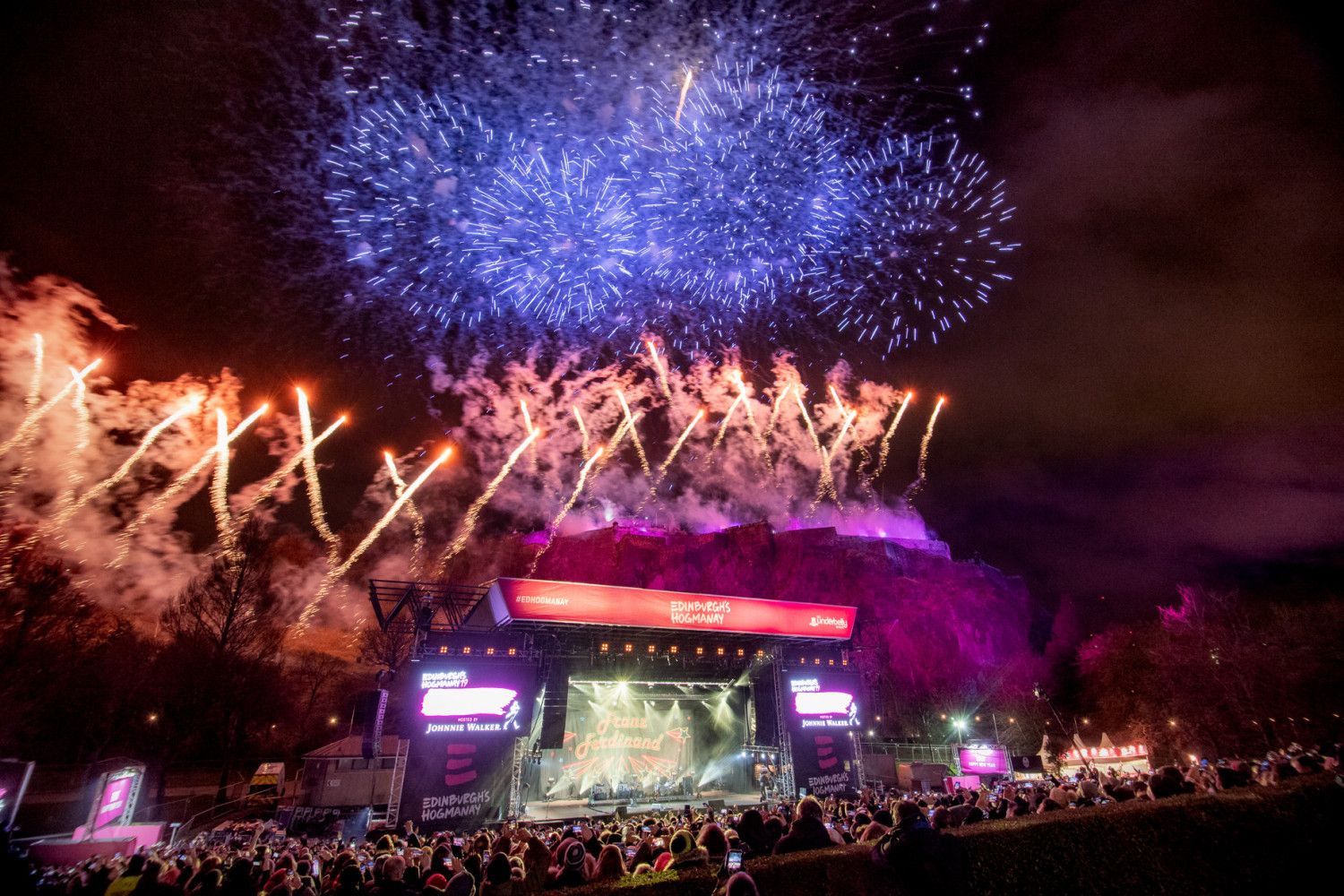
Hogmanay (31 December – 1 January)
While Edinburgh hogs the limelight with its massive street party and fireworks, this national New Year celebration is practiced across the country. For a more authentic, community feel, look for smaller ceilidhs (traditional dances) and local fire festivals (like Stonehaven or Comrie) that provide a warmer, less crowded experience.
Burns Night (25 January)
A deep dive into Scottish identity, Burns Nightcelebrates the life and poetry of the national bard, Robert Burns. Attending a traditional Burns Supper-complete with the Address to the Haggis, a hearty meal of haggis, neeps, and tatties, and plenty of whisky-is a quintessential winter experience.
Orkney Folk Festival (Late May)
If you are looking for exceptional music and community spirit before the midges and peak crowds arrive, target the Orkney Folk Festival. Held in Stromness on the Orkney Islands, this event balances major visiting artists with fantastic local Orcadian talent, often featuring free pub sessions that are incredibly welcoming.
Highland Games (May To September)
Highland Gamestaking place nearly every weekend across towns and villages, these gatherings celebrate classic Scottish athleticism, featuring the famous tossing the caber, hammer throw, traditional dancing, and massed pipe bands. The largest and most prestigious is the Braemar Gathering in September, often attended by members of the Royal Family.
Pro Tip: Pair a Game day with a nearby hike to balance culture and landscape. Check local council sites or the Royal Scottish Highland Games Association for specific dates.
Hebridean Celtic Festival (Mid-July)
Held in Stornoway on the Isle of Lewis, this multi-day, award-winning event is a celebration of Gaelic language and culture. It is a fantastic opportunity to combine music with exploring the Outer Hebrides' ancient landscapes and unique community feel.
Edinburgh Festival Fringe & International Festival (August)
The sheer volume of comedy, theatre, dance, and music shows transforms the city into a global cultural hub. It is unmissable for culture vultures, but be aware that accommodation is often sold out or severely price-inflated months beforehand.
The Royal Edinburgh Military Tattoo (August)
Held on the Esplanade of Edinburgh Castle, this spectacular show of music, dance, and military bands-concluding with a spectacular fireworks display-is the city's iconic visual masterpiece in August. For a comprehensive guide to all the country's celebrations, dive into my article on Scottish festivals.
Best Time To Visit Scotland For Nature & Special Interests
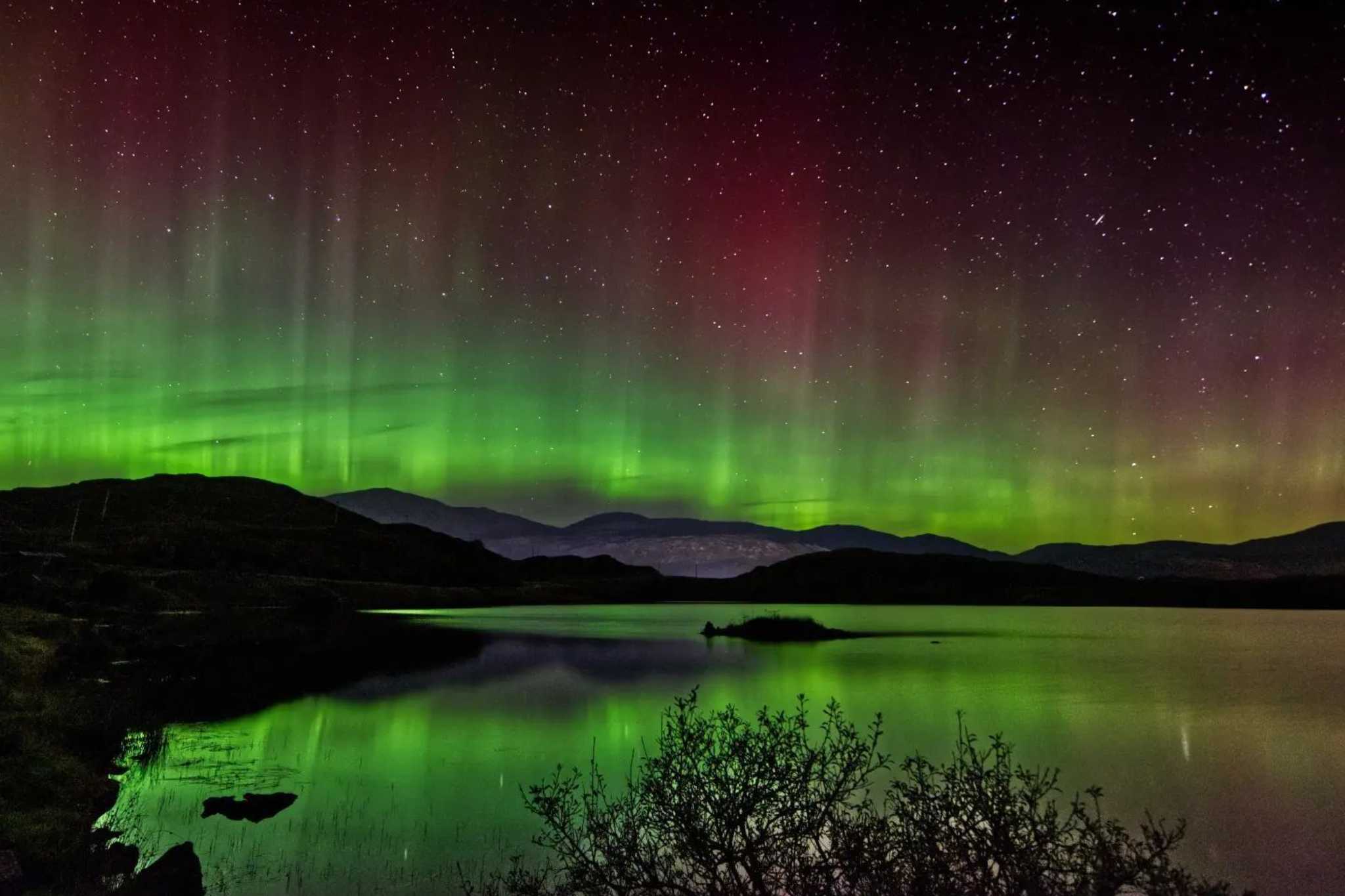
Northern Lights: When & Where
- Best late autumn to early springunder dark, clear skies, with higher odds further north/coast.
- Chase space weather alerts-but prioritize dark, cloud-free nights.
Wildlife Timing (puffins, Whales, Red Deer)
- Puffins and many seabirds: late spring–summer(confirm colony specifics via RSPB). Whale/dolphin tours peak in summer in several west-coast hotspots. The Highlands’ red deer rutpeaks in autumn.
- Book reputable local guides; wildlife runs on nature’s calendar, not ours.
Hiking & Munros
- May–Juneand Septemberbalance daylight with fewer midges; always check mountain weather and carry appropriate kit.
- Scotland’s mountains are serious-prepare and respect forecasts.
Skiing (variable But Rewarding)
- Typical windows Jan–Marwhen conditions allow. Check live reports via Ski-Scotland (Cairngorm, Glencoe, Nevis Range, Glenshee, The Lecht).
- Keep plans flexible-skiing here rewards spontaneity.
Best Time To Visit Scotland By Region
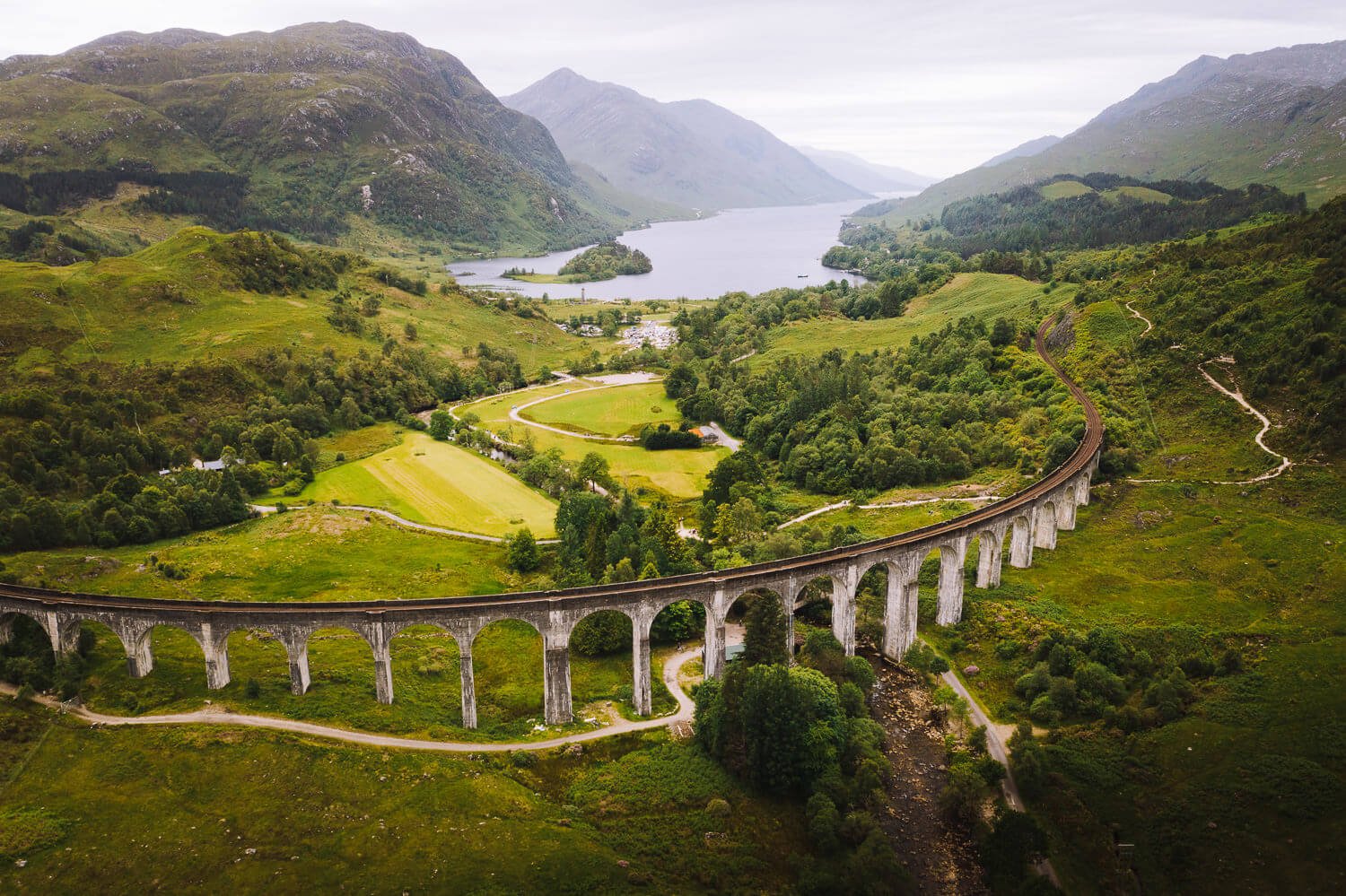
Highlands & Skye
- Peak beauty and popularity June–August; May or Septemberoften deliver space + light. Prepare for changeable weather; book Skye beds well ahead.
- Shoulders bring room to breathewithout losing drama.
Outer Hebrides & West Coast
- Wind helps suppress midges; ferries are busiest in July–August-reserve early. September often feels like a secret bonus month.
- Anchor plans to ferry timetablesand allow buffers.
Orkney & Shetland
- Fewer midges, huge skies, archaeology, seabird cliffs; “simmer dim”around midsummer means lingering twilight.
- Northern isles reward light-chasers and history lovers.
East & The Cairngorms
- Comparatively drier, colder winters; Cairngorms National Parkadds winter sports potential.
- The east suits those who prefer crisp air and broad horizons.
Insider Tip - Quieter Seasonal Picks
- Spring:Isle of Mull for wildflowers and otters.
- Summer:Barra’s calm beaches (Outer Hebrides) outside school holidays.
- Autumn:Speyside whisky trails with golden birch and lighter crowds.
- Winter:Perthshire cabins for snowy forests and easy road access.
How To Choose Your Month
Promise:Stop guessing. Use six levers to match your goals to the right season.
The Six Levers: Weather, Daylight, Crowds, Cost, Nature, Events
- Weather:Scotland’s Atlantic systems bring variability everywhere; west is generally wetter than east (Met Office).
- Daylight:The real trip-changer. Longer days = more scenic driving and hiking time; short days = rich city breaks.
- Crowds:Peak July–August; school holidays drive demand.
- Cost:Accommodation and car hire typically track demand-shoulders and winter are kinder to the budget.
- Nature:Puffins (late spring–summer), red deer rut (autumn), aurora (dark months).
- Events:August festivals; Hogmanayat New Year.
Best Time By Traveller Type
- Hikers & photographers:May–Jun, Sep- long light vs midges; stable periods; great blue hours.
- Festival fans:Aug- Fringe/Tattoo; pre-book tickets and rooms months ahead.
- Wildlife watchers:Apr–Aug (seabirds/puffins); Sep–Oct (red deer rut)- check colony/rut calendars; go with reputable guides.
- Best Times to Visit Scotland for Lower Prices:Nov–Mar(excl. holidays) - lower rates; short days suit museums, food, whisky.
- Aurora-curious:Oct–Mar- dark, cloud-free nights up north/coast.
- Midge-averse:Apr–early May, late Sep–Mar- choose breezy coasts/islands; use the midge forecast.
Practical Tips For Visiting Scotland By Season
Packing Essentials
- Spring and autumn: Waterproof jackets, sturdy boots, and layered clothing.
- Summer: Lightweight clothing for warm days, but always pack for rain.
- Winter: Thermal layers, insulated boots, and snow-friendly outerwear.
Budget-Friendly Travel
- Visit during the low season (November–March) for cheaper accommodations and flights.
- Book in advance for summer travel to secure deals on accommodations and activities.
Avoiding Crowds
- Visit popular destinations like the Isle of Skye during spring or autumn for a quieter experience.
- Explore less-visited regions like Dumfries or Shetland for a serene getaway.
Tactics that work:
- Search with flexible datesand set alerts.
- Book ferries and key accommodationsfirst; shape the trip around those anchors.
- Consider city car-free days; use trains, then rent only for rural portions.
- Reserve must-do experiences(Tattoo seats, island boat tours) early; keep other days loose.
Quick Planner
Promise:Three done-for-you blueprints you can adapt in minutes-plus seasonal templates for short trips.
Micro-Itinerary 1 - Festival August (7 Days)
- Days 1–3:Edinburgh Fringe/Tattoo (one show daily, one museum, one neighbourhood walk).
- Day 4:Train to Pitlochry; whisky tasting and forest trails.
- Days 5–7:Cairngorms hikes; late train back.Insider Tip:Book city dinners pre-theatreto dodge 7–8pm rush.
Micro-Itinerary 2 - Shoulder Highlands (9 Days, May Or September)
- Days 1–2:Glasgow → Glencoe; golden-hour photography.
- Days 3–5:Isle of Skye; mix marquee sights with quieter peninsulas.
- Days 6–7:Applecross & Torridon loops.
- Days 8–9:Inverness → whisky in Speyside; train to Edinburgh.Insider Tip:Keep one weather-joker dayfor Skye.
Micro-Itinerary 3 - Winter City + Aurora Dash (5 Days, Nov–Feb)
- Days 1–2:Edinburgh old/new town, galleries, cosy pubs.
- Day 3:Train to Aberdeen or Inverness; aurora watch window if clear.
- Days 4–5:Distilleries, castles; back to Edinburgh/Glasgow.Insider Tip:Follow aurora + cloud forecasts; don’t chase long distanceson icy nights.
Seasonal 3–5 Day Templates
Spring (3 days)
- Day 1:Edinburgh-Royal Botanic Garden, Old/New Town loop.
- Day 2:Stirling Castle + Loch Lomond.
- Day 3:Cairngorms or Glen Clova hike; wildlife stop.Why spring:rising daylight, low midge pressure, blossom.
Summer (5 days)
- Days 1–2 (Aug):Edinburgh Fringe + Royal Mile wander.
- Days 3–4:Hebrides island-hop (ferries booked early).
- Day 5:Ben Nevis (weather-permitting) or Skye’s Fairy Pools.Note:peak crowds/prices; plan well ahead.
Winter (3 days)
- Day 1:Christmas markets (Edinburgh or Glasgow).
- Day 2:Skiing (Cairngorm/Glencoe) if conditions allow.
- Day 3:Perthshire cabin stay or distillery tour.Why winter:value, festive cities, dark skies.
Use these to plug in your dates-then adjust drive lengths to match daylight.
FAQs About Visiting Scotland
What Month Is Best To Travel To Scotland?
May and June offer the best balance of long daylight hours, pleasant temperatures, and manageable crowds before the peak summer season begins.
What Is The Cheapest Time Of Year To Go To Scotland?
January and February are generally the cheapest due to lower demand, lower airfares, and discounted accommodation, making them ideal for budget travelers.
What Time Of Year To Visit Scotland To Avoid Midges?
The peak midge season should be avoided from late May through early September; October and April are safe bets for enjoying the Highlands without the insect hassle.
When Is The Busiest Time In Scotland?
The peak season is July and August, driven by the best weather, school holidays, and major events like the world-renowned Edinburgh Fringe Festival.
Can You See The Northern Lights In Scotland?
Yes, the Northern Lights are best viewed from October to March in the far north of Scotland, away from city light pollution, on clear, dark nights.
What Is The Best Month For Hiking In Scotland?
June or September are ideal for hiking the Munros and longer trails, offering long days and pleasant temperatures without the peak heat, rain, or midge swarms of mid-summer.
What Is The Worst Time To Visit Scotland?
There isn’t a single “worst” time-it depends on your deal-breaker. For crowds and high prices, avoid August(Fringe/Tattoo). For very short daylight and higher disruption risk, avoid late December–January (~7 daylight hours in Edinburgh; daylight tables). If you’re midge-aversein the west, avoid June–August. If those are concerns, pick May–Juneor Septemberfor balance.
When Is The Best Time To See Puffins In Scotland?
Puffins can be reliably seen nesting on islands like the Isle of May between April and August, before they return to sea for the winter months.
What Is The Rainiest Month In Scotland?
December and January are typically the wettest months, particularly in the Highlands and along the Western coast, though rain can occur year-round.
Conclusion
Choosing the best time to visit Scotlandis ultimately about understanding the beautiful trade-offs inherent in this magnificent land. There is no perfect month, but there is a perfect time for you.
Use the decision framework to match your biggest priority-be it avoiding the midges or finding that budget flight-and you will unlock an enchanting, unforgettable kingdom, whenever you arrive.
Jump to
Best Time To Visit Scotland: Month-by-Month, Events And Midges
Best Time To Visit Scotland: Quick Answer
When To Go To Scotland Each Month
Seasons In Scotland: A Detailed Guide
Weather & Daylight: What The Data Says
Best Time To go to Scotland To Avoid Midges
Best Time To Visit Scotland For Festivals & Crowds
Best Time To Visit Scotland For Nature & Special Interests
Best Time To Visit Scotland By Region
How To Choose Your Month
Practical Tips For Visiting Scotland By Season
Quick Planner
FAQs About Visiting Scotland
Conclusion

Callum Fraser
Author
Callum Fraser isn't just a writer about Scotland; he's a product of its rugged landscape and rich history. Born and raised in Perthshire, with the Highlands as his backyard, his love for the nation's stories was kindled by local storytellers and long walks through ancient glens.
This passion led him to pursue a degree in Scottish History from the University of Edinburgh. For over 15 years, Callum has dedicated himself to exploring and documenting his homeland, fusing his academic knowledge with essential, on-the-ground experience gained from charting road trips through the Cairngorms, hiking the misty Cuillins of Skye, and uncovering the secrets of traditional recipes in his family's kitchen.
As the Editor-in-Chief and Lead Author for Scotland's Enchanting Kingdom, Callum's mission is simple: to be your most trusted guide. He combines meticulous research with a storyteller's heart to help you discover the authentic magic of Scotland — from its best-kept travel secrets to its most cherished traditional recipes.
Latest Articles
Popular Articles